As data handling and power holding hit very high levels, the heat barrier turns into the biggest challenge for builders. You might set up an Energy Storage System (ESS) or a strong server setup. The pick between liquid and air cooling goes beyond just machine choices. It shapes how a sheet metal enclosure gets planned and made in basic ways.
三俊五金, established in 2010, is a premier sheet metal processing manufacturer specializing in high-precision enclosures for the medical, power, and new energy sectors. With a 5,000-square-meter facility and a team of 50 professional engineers, we provide the technical backbone for complex thermal management solutions.
The main goal of any enclosure is to guard the inner parts while helping to clear away extra warmth. The build method changes a lot based on the way used to move that warmth.
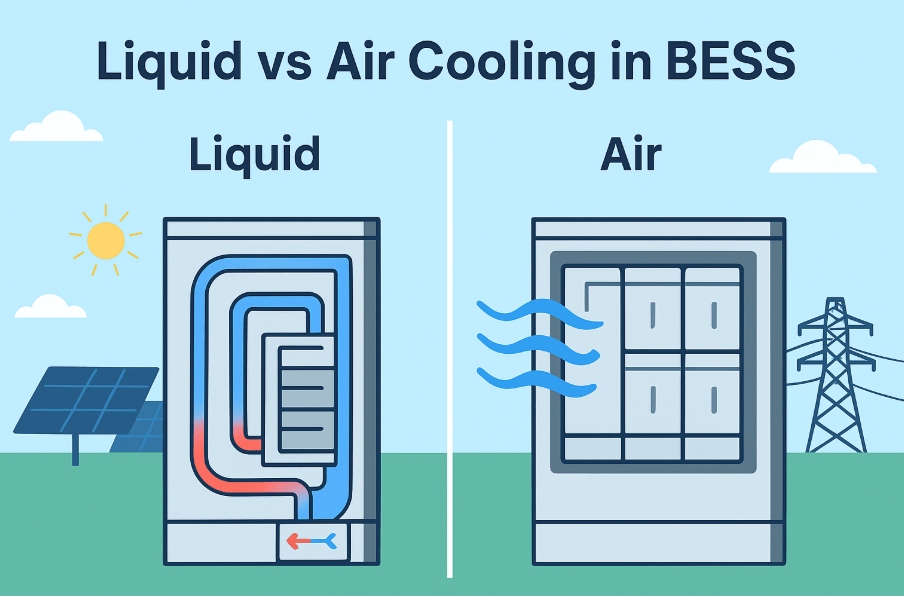
Air Cooling: The Reliable Standard
Air cooling remains the most usual answer because of its straightforward nature and low cost. In sheet metal planning, this means a focus on better air movement.
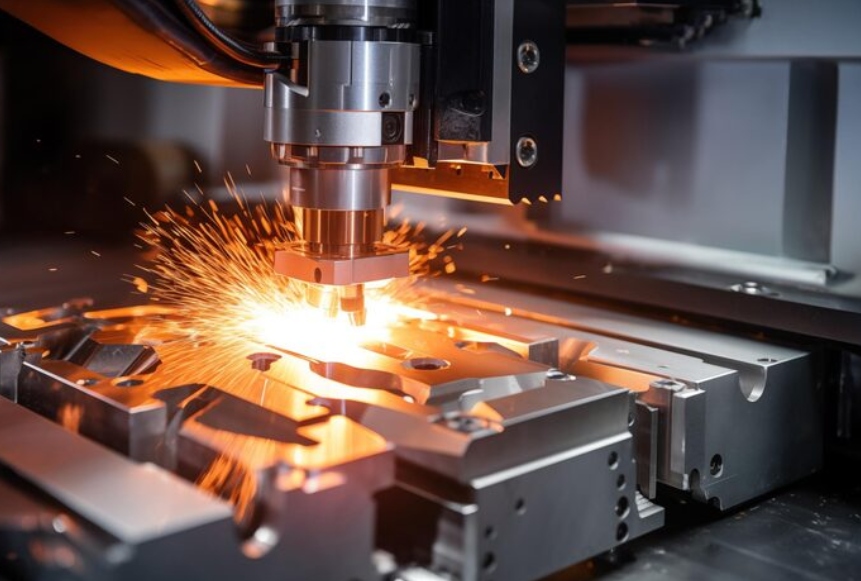
- Perforation Patterns: Carefully figured CNC punching or laser cutting of vent slots.
- Baffle Integration: Inner sheet metal dividers that direct air right over hot areas.
- Fan Mounts: Solid build supports that cut down on shakes and sound.
Liquid Cooling: Efficiency for Extreme Loads
For packed storage where air falls short, liquid cooling gives up to 4,000 times the heat-moving ability of air. Yet the sheet metal needs are much stricter.
- Structural Load Bearing: Liquid-cooled setups with cold plates, manifolds, and fluid weigh much more than air ones. They call for stronger frames.
- Leak Prevention and Sealing: Close bending and welding matter a lot. They help make sure that if a part breaks, the enclosure stops fluid from hitting delicate electronics.
Picking between these two ways sets the whole making process at San Jun Hardware.
Ventilation vs. Sealing
Air-cooled enclosures, such as our Custom Sheet Metal Enclosures for Wall-Mounted Multi-Vent Server Chassis, aim for good air flow. These builds use systems with vents in many directions and carefully cut joints to keep air swapping all the time.
On the other hand, liquid-cooled builds often need an IP65 or IP66 rating. This shifts our making process toward certain steps.
- Seamless Welding: Using TIG and laser welding to form tight joints against air and water.
- Gasket Channels: Exact bending of “U-shaped” or “Z-shaped” forms to hold silicone seal strips. These blocks dampen and prevent dust from getting in.
Material Selection and Surface Treatment
Choosing materials comes first in our production steps.
- Aluminum Alloys: Liked for their good heat leading and light weight.
- Stainless Steel (304/316): Best for liquid-cooled setups in rough places because of strong rust fighting.
- Powder Coating: At San Jun Hardware, we offer skilled surface work that boosts looks. It also improves heat release and guards against the surroundings.
Application Scenarios: Solving Thermal Challenges
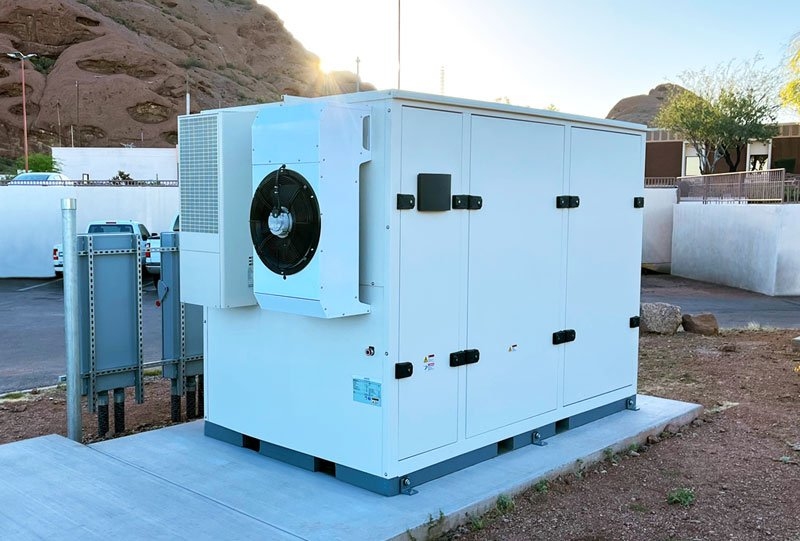
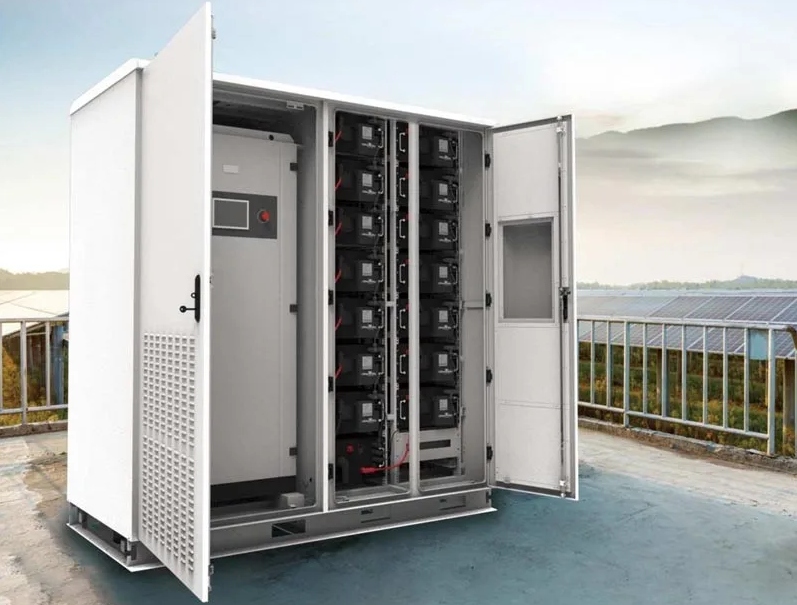
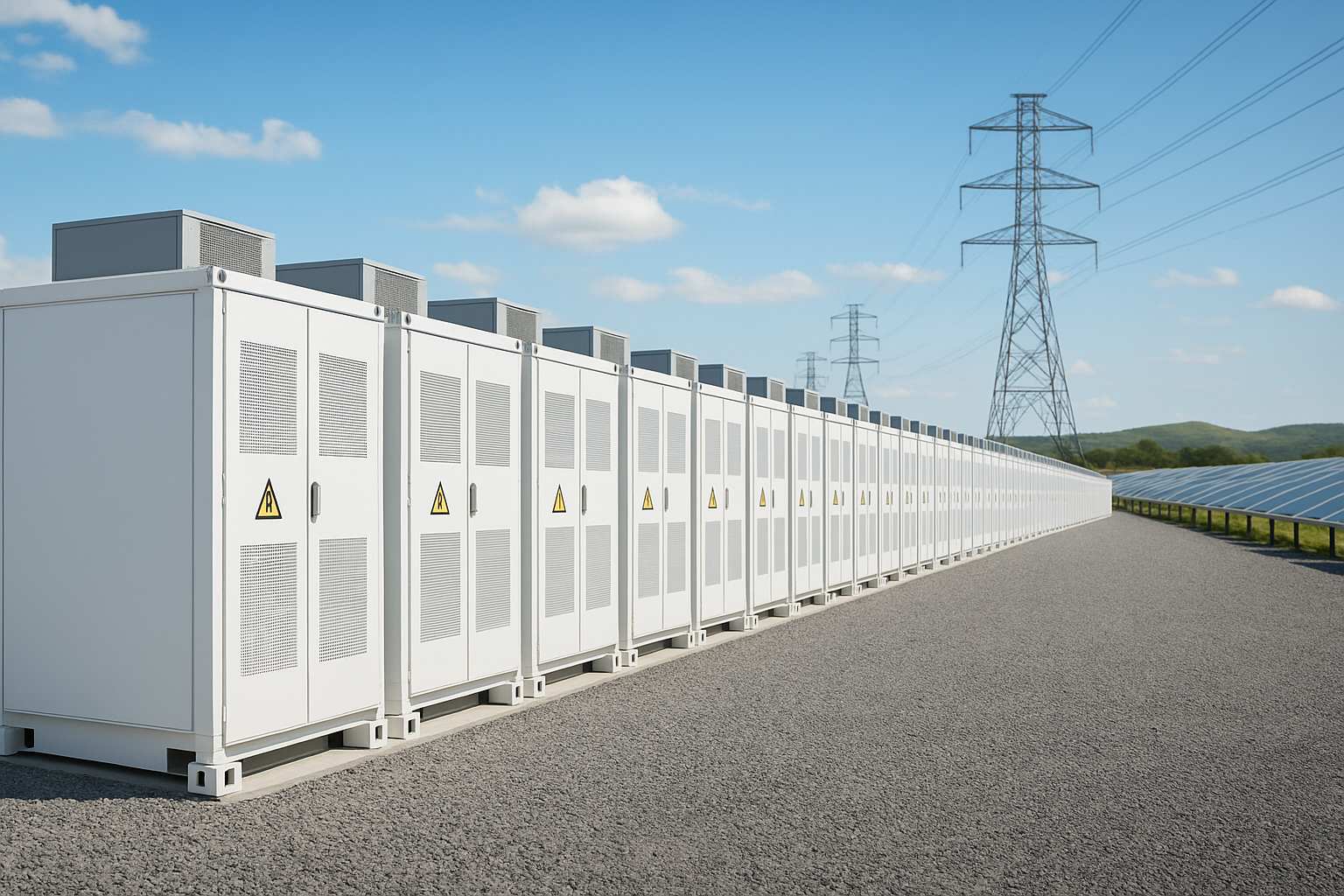
Outdoor Energy Storage Systems (ESS)
- The Problem: Packed battery groups generate a lot of heat during quick charge and release rounds. This risks heat overload.
- The Solution: San Jun Hardware plans modular sheet metal racks and cabinets just for ESS. We add special channels for heat control. For liquid-cooled ESS, we supply close-fit enclosures that hold heavy cooling parts. At the same time, they keep an IP65 seal to shield from outside weather.
- Result: Better battery work and a much lower chance of fire or breakdown.
Medical Self-Service Terminals
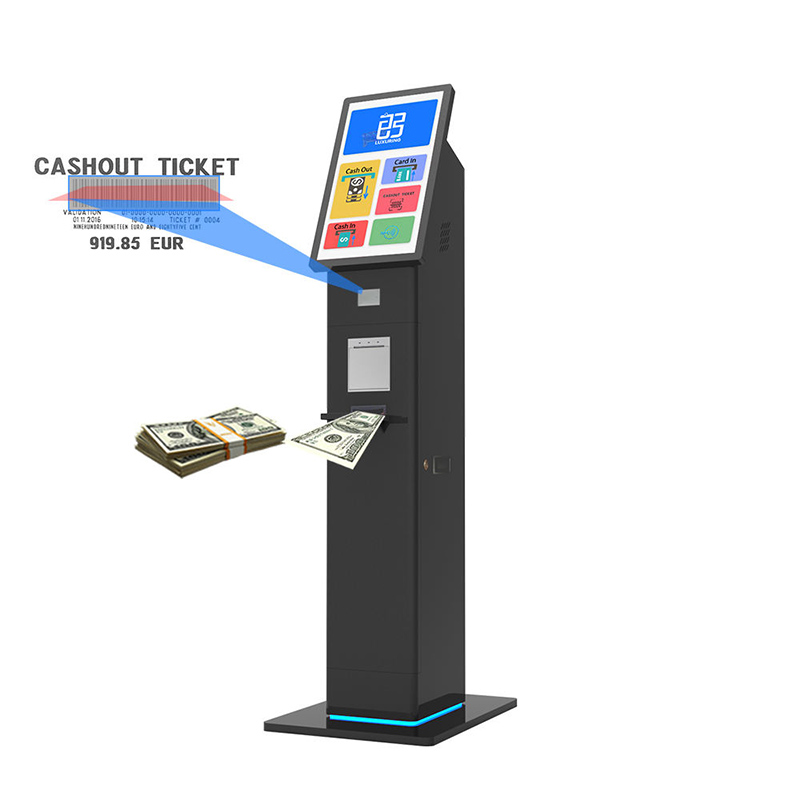
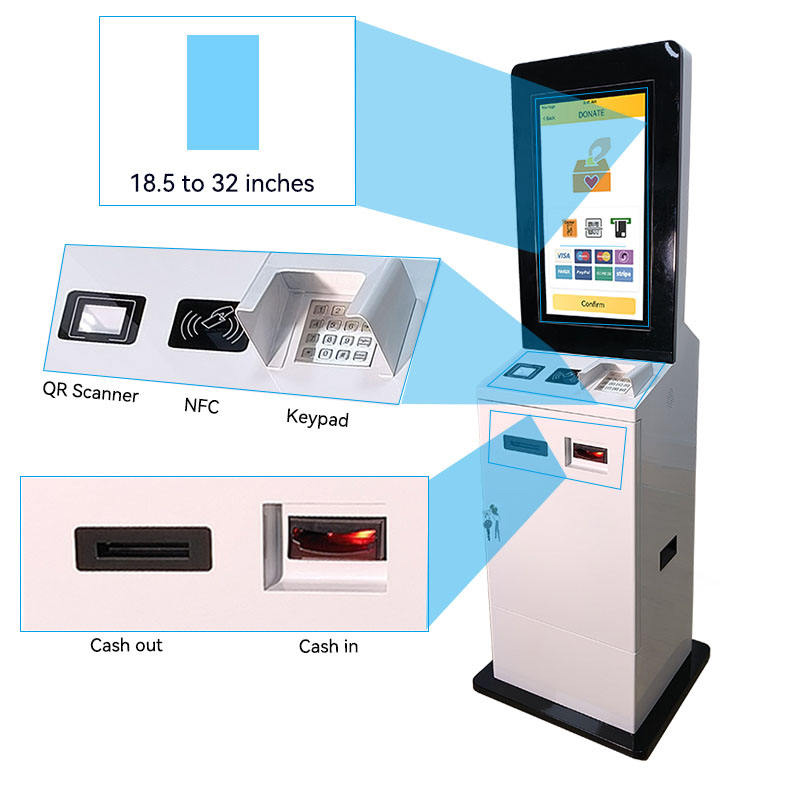
- The Problem: 医院自助服务亭围墙 must run all day in clean, quiet spots. Usual noisy fans can bother and spread dust.
- The Solution: We plan enclosures with “quiet” air cooling traits. These include big area aluminum panels and natural flow stacks.
- Result: Silent, health-level dependability that fits top rules for cleanness and user ease.
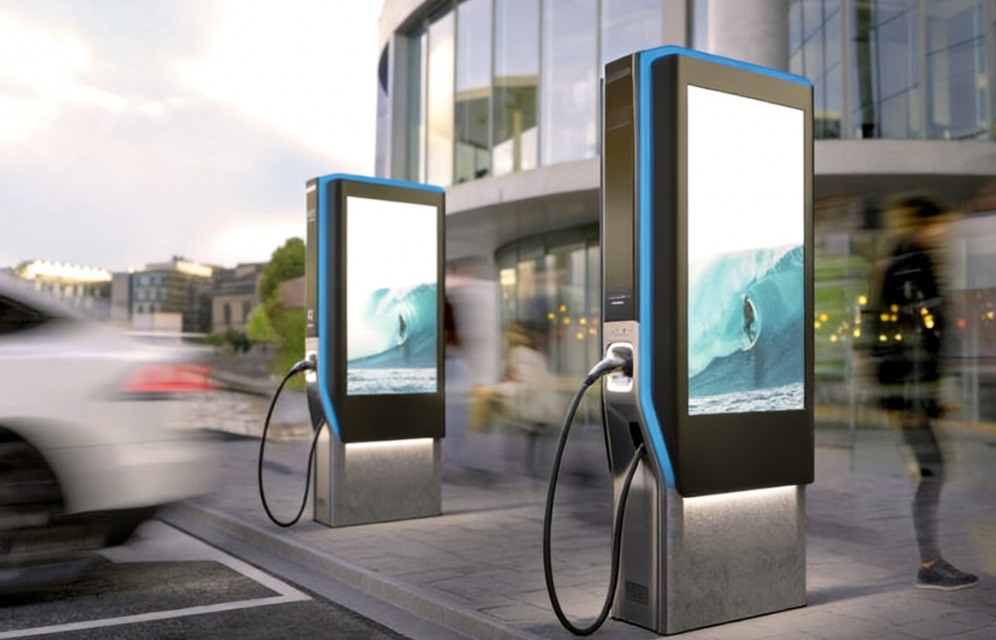
Outdoor Custom Digital Signage
- The Problem: Outdoor Custom Digital Signage Shells deal with heat from inner electronics and the sun’s heat outside.
- The Solution: Our IP65-rated enclosures use a “two-layer” build. The inside layer guards the screen, while the outer sheet metal shell helps air movement or holds built-in liquid cooling paths for bright screens (up to 3500 cd/m²).
- Result: Steady running in full sun without screen darkening or part wear.
Why San Jun Hardware is Your Strategic Fabrication Partner
At San Jun Hardware, we don’t just follow drawings. We adjust them for easy making (DFM).
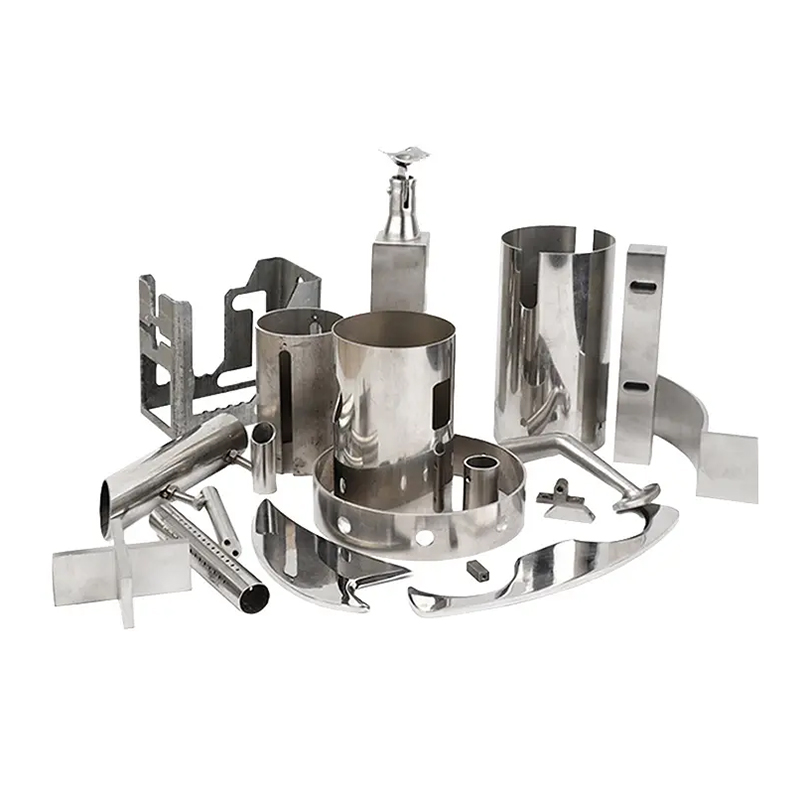
- Precision Equipment: Our plant has AMADA CNC punch presses and advanced laser cutting machines. They keep tolerances to a minimum.
- Flexible Production: We handle everything from small-batch prototypes to mass production. Many custom builds need no molding.
- End-to-End Service: From picking materials at the start to putting together and checking quality at the end, we manage every stage of the fabrication journey under one roof.
- Military-Grade Quality: We stick to strict quality management systems (ISO 9001). This makes sure every part – from a simple bracket to a complex ESS cabinet – meets international standards.
结论
Picking the right cooling plan matters for the long life and good work of packed storage. You might need the open vents of a server rack. Or you could want the tight close of a liquid-cooled ESS enclosure. Either way, San Jun Hardware has the building skills to make your plan a reality.
Ready to optimize your next project? 立即联系三骏五金 for a professional consultation and a quote within 24 hours.
- Email: liameranne@gmail.com
- Tel/WhatsApp: +86 13530826471
常见问题解答
Q: Can your enclosures reach IP65 or IP66 protection levels for liquid cooling?
A: Yes. We design custom sealing structures using high-quality gaskets and precision welding to meet IP65/IP66 standards.
Q: What materials do you recommend for high-heat storage enclosures?
A: We primarily use Aluminum for its thermal conductivity, or Stainless Steel and Galvanized Steel for durability and corrosion resistance.
Q: Do you provide design support for thermal management?
A: Our engineering team provides DFM analysis and design support to optimize airflow or liquid-cooling paths in your custom enclosures.
Q: What is the typical lead time for a custom prototype?
A: After drawing confirmation, samples are typically ready in 3-7 working days, with mass production following in 15-20 days.

























发表评论