
Nullam dignissim, ante scelerisque هو euismod fermentum odio Sem semper the is erat, a feugiat leo urna eget eros. سيم سيمبر إيس إيرات دويس إينيانimperdiet risos.
Nullam dignissim, ante scelerisque هو euismod fermentum odio Sem semper the is erat, a feugiat leo urna eget eros. سيم سيمبر إيس إيرات دويس إينيانimperdiet risos.
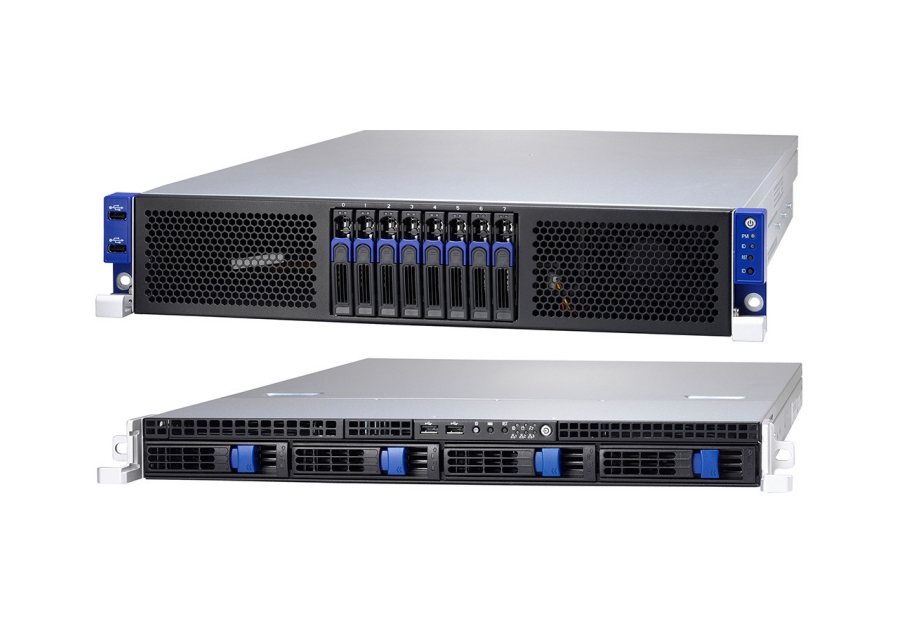
In the high-stakes world of data centers and 5G infrastructure, the difference between peak performance and catastrophic failure often comes down to a fraction of a millimeter. Network engineers frequently face the frustrating “thermal vs. density” dilemma: squeezing high-power hardware into slim rack spaces without triggering 24/7 overheating or suffering from interface misalignments that force expensive assembly rework.
The strength of any network setup starts with the housing that holds the equipment. For more than 14 years, سان جون الأجهزة has led in this field. The company specializes in the precise manufacture of Custom 1U/2U Server Chassis and Rack-mounted Network Enclosures. It supplies the global market with high-precision sheet metal solutions. These turn detailed CAD drawings into strong hardware ready for production runs.
Picking the right chassis height forms a basic choice. It affects heat control, how many parts fit inside, and how easily the system can grow later.
The “U” or Rack Unit is a standard measure. It equals 1.75 inches in height and decides how equipment fits in the vertical space of a server rack.
In today’s networking, where data center space comes at a high price, the 1U chassis serves as the main choice for dense installations.
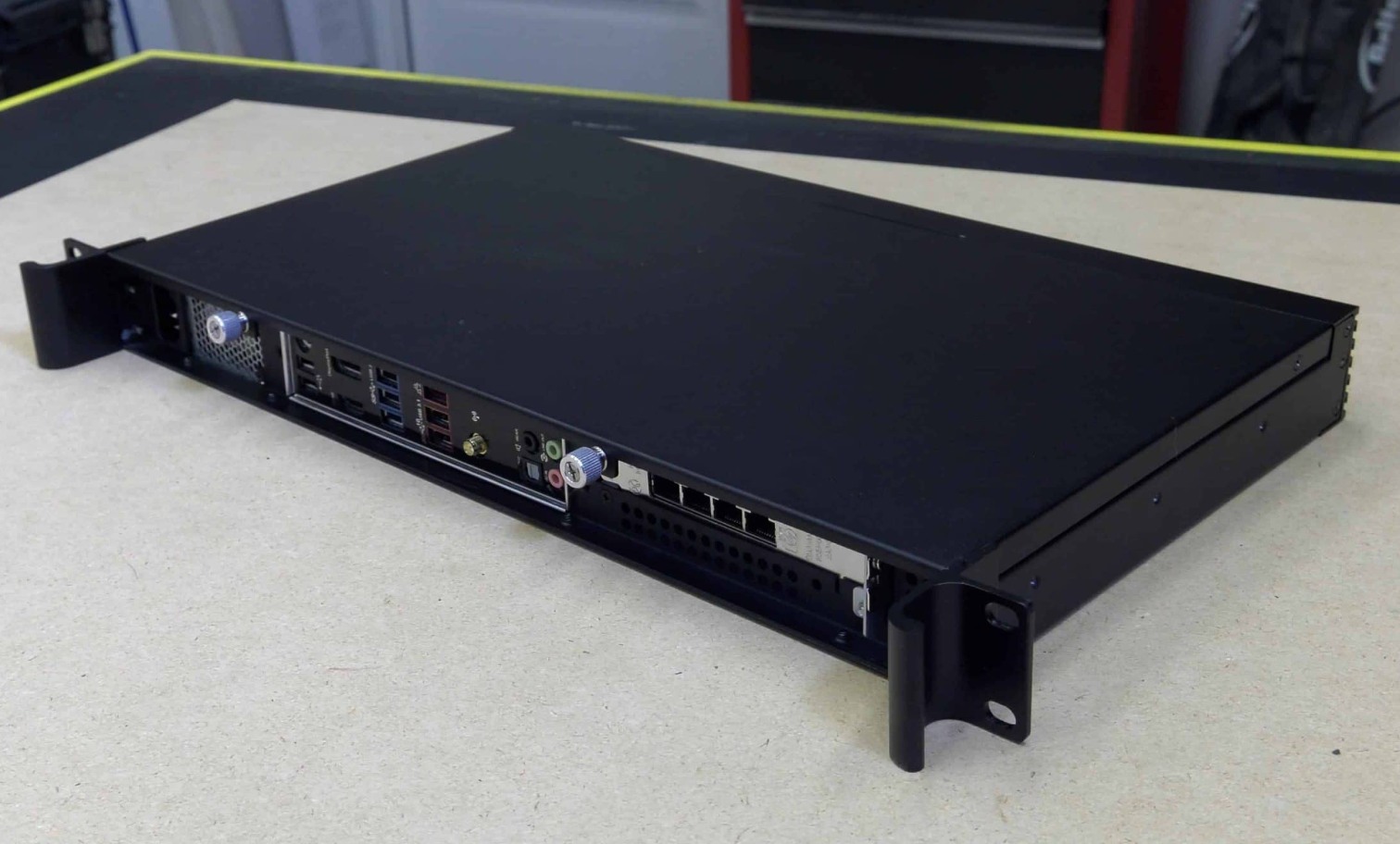
The 1U form factor works well for networking devices and 5G power modules when saving space matters most.
Thinner chassis faces higher chances of overheating and part interference. This demands very accurate manufacturing to solve these issues.
Although 1U units save space, the 2U chassis provides the room needed for high-power industrial controls and large data storage.
The 2U form factor gives enough internal volume for bigger cooling fans and specialized modules that simply do not fit in 1U space.
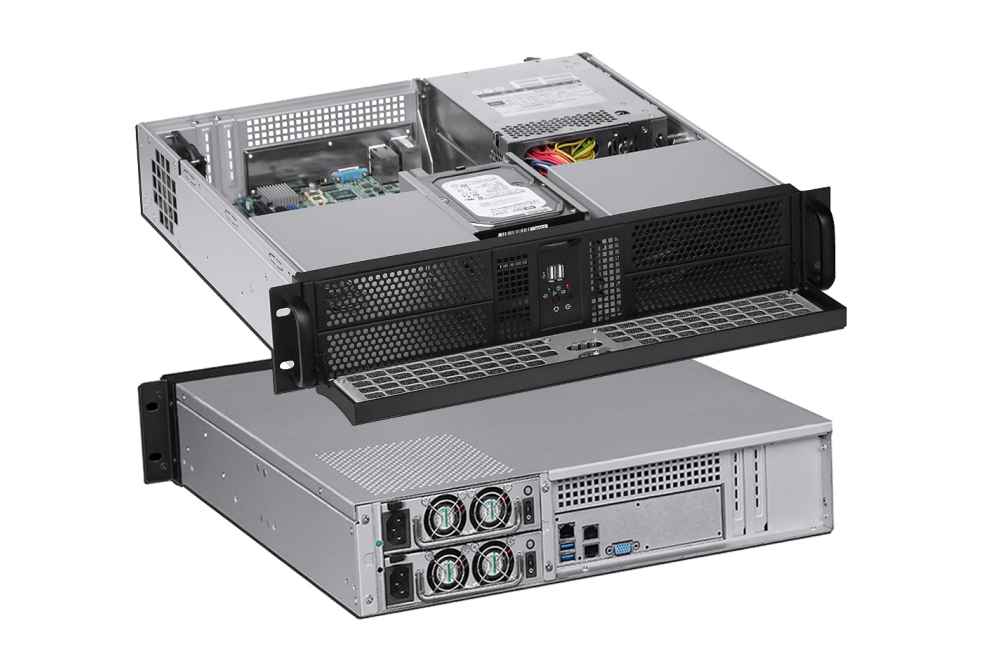
Heat management becomes easier in a 2U enclosure. Larger, slower fans can be used. These reduce noise while moving more air.
Selecting San Jun Hardware means working with an ISO 9001:2008-certified manufacturer. We focus on accuracy and adaptable production.
We handle the full sheet metal fabrication process in one place.
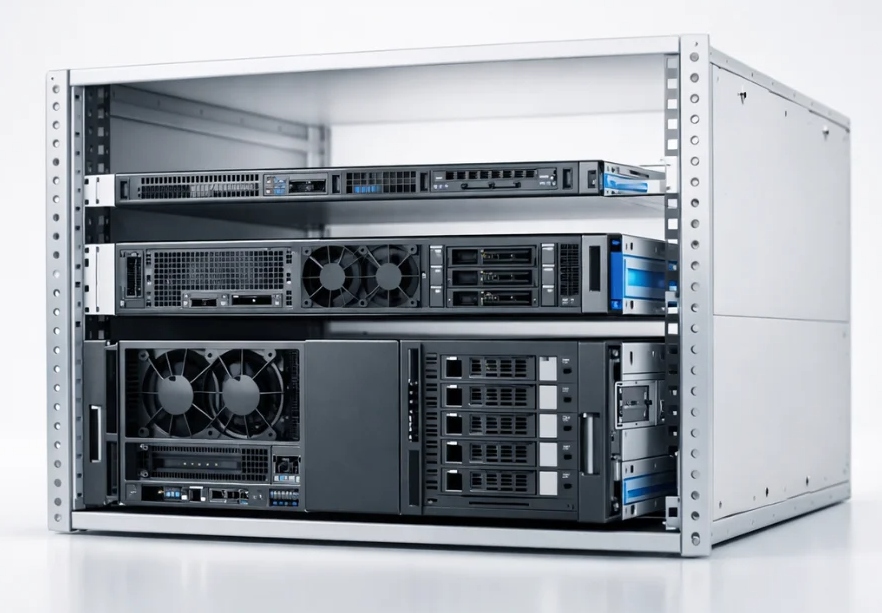
We support orders from a single prototype to batches of 1,000 units. Our production setup ensures timely delivery.
The decision between a 1U and 2U chassis depends on your needs for density and hardware expansion. Success in either case comes down to the quality of fabrication. At San Jun Hardware, we combine technical knowledge with modern manufacturing to produce enclosures that support your network for years to come.
Ready to start your custom project? اتصل بـ San Jun Hardware اليوم for a free DFM review and quotation.
A: Because 1U units have extremely tight vertical space, even a 0.5mm deviation in interface cutouts can prevent port alignment or cause interference with the rack rails. San Jun Hardware maintains ±0.01mm positional accuracy to ensure all interface cutouts align perfectly with the internal PCB.
A: Aluminum alloys (like 5052) are often chosen for slim designs because they offer a high strength-to-weight ratio and natural corrosion resistance. Cold-rolled steel is used for larger 2U units or base enclosures where maximum rigidity and cost-effectiveness are the primary concerns.
A: Yes. Standard slot venting often creates “dead zones” of stagnant air. Custom-engineered honeycomb or hybrid ventilation patterns, specifically placed relative to your components’ heat sinks, can reduce operating temperatures and extend the lifespan of your network hardware.
A: It eliminates supply chain fragmentation. By handling design, laser cutting, CNC bending, welding, powder coating, and final assembly under one roof, San Jun Hardware ensures consistent quality control and significantly shorter lead times for global projects.

























اترك تعليقات