In industrial manufacturing, a product’s outer layer counts as much as its core parts. For engineers and buyers, choosing the proper surface treatment for sheet metal boxes goes beyond simple looks. It shapes a key call that sets the item’s durability, weather toughness, and overall image.
Em Hardware de San Jun, a key player in precision sheet metal work since 2010, we grasp that crafting a 400kW DC fast-charging pile or a clear digital signage screen calls for a coating that handles certain weather hurdles. This overview lays out the main points of Powder Coating and Anodizing. It guides you toward the best coating for your hardware needs.
Powder Coating: The Shield of Durability
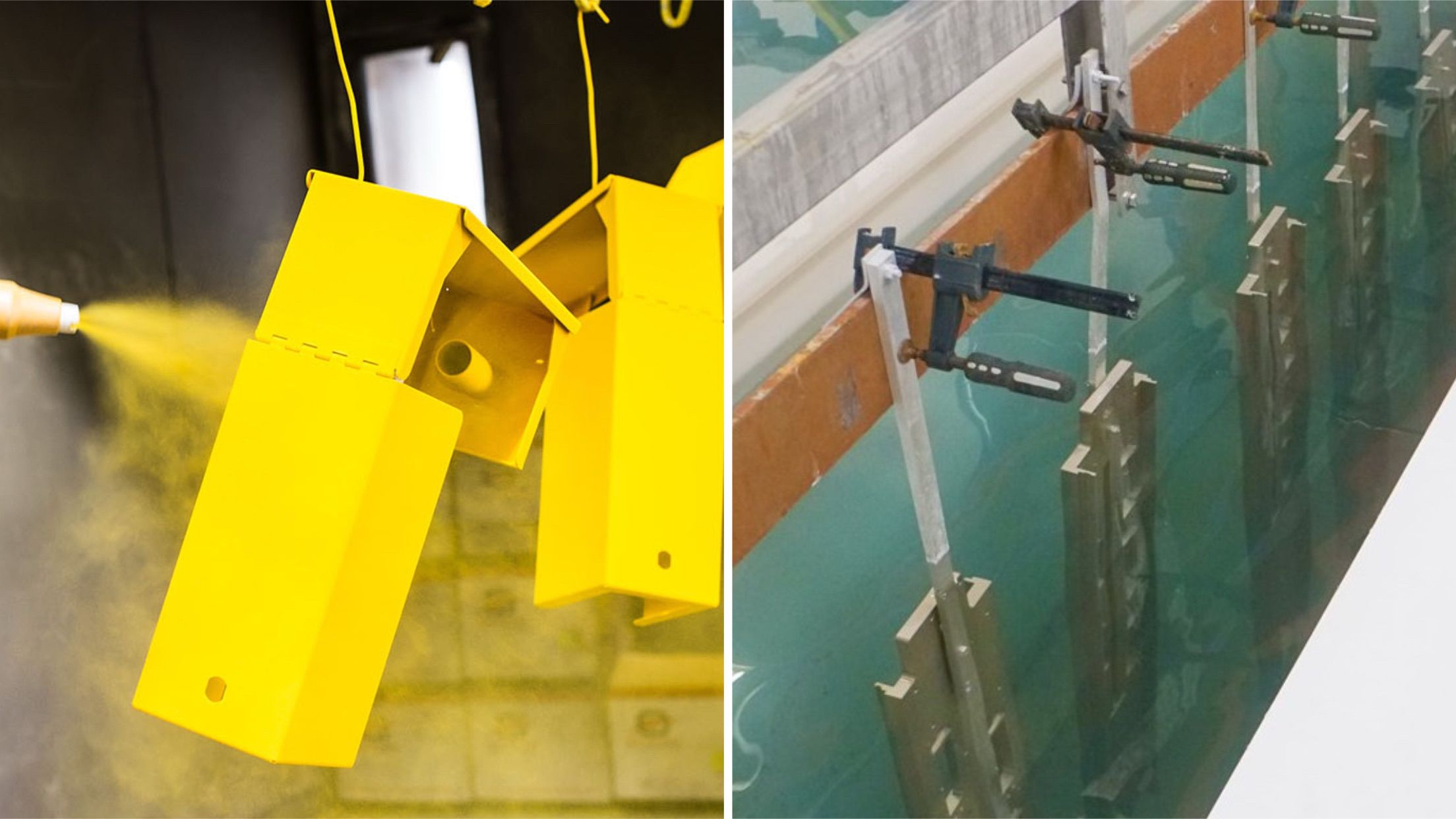
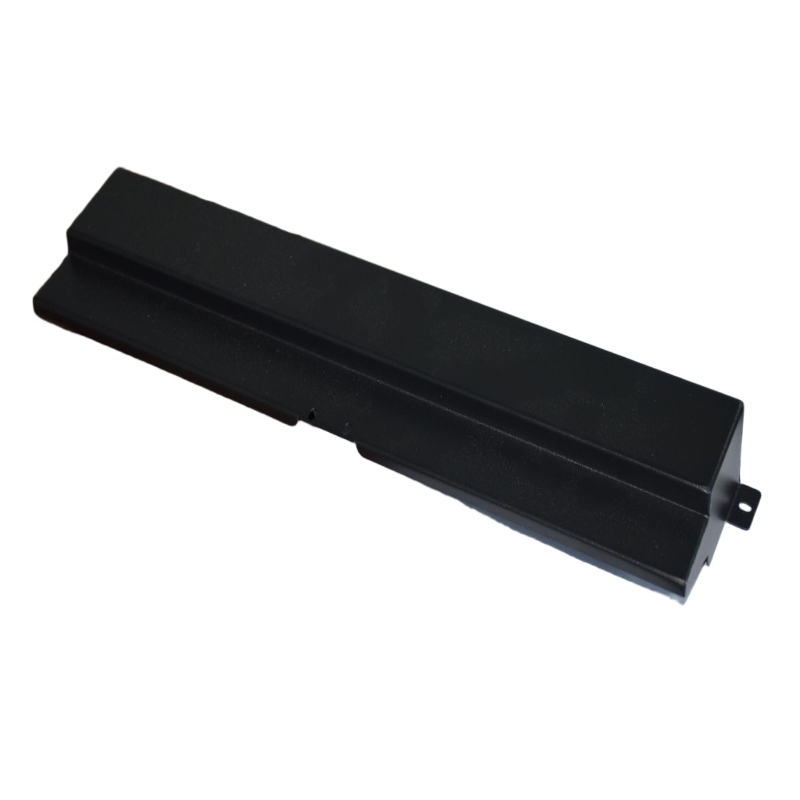
Powder coating uses a dry method. In it, charged bits spray onto a metal piece that’s grounded. Heat then bakes them into a solid, even covering. At San Jun Hardware, we turn to this mainly for cold-rolled steel and galvanized steel items. The hold it creates beats out standard liquid paint by a wide margin.
Why Choose Powder Coating?
- Superior Impact Resistance: The heavy, bendy coat of powder coating holds up well against chips, marks, and color wear. That quality positions it as the top choice for outside structures.
- Environmental Versatility: It builds a strong shield from sun rays and chemical contact. Such defense proves essential for machines in rough settings.
- Cost-Effectiveness for Large Volumes: When making lots of big boxes, powder coating gives a fast, low-waste way to complete the job.
Application Spotlight: New Energy & EV Infrastructure
Powder coating stands as the main pick for gear that meets daily demands.
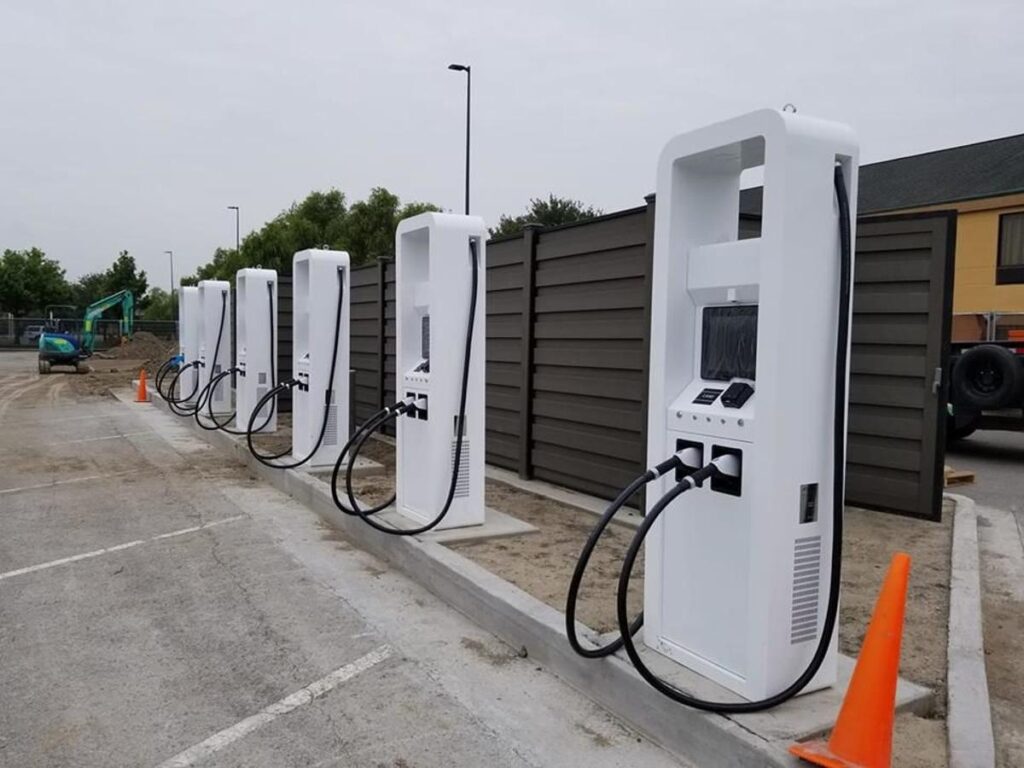
- EV Charging Piles: In the fresh energy area, our clients receive strong powder coats on steel housings from us. This tackles salt mist rust in shore setups. It also stops paint from dulling from steady sunlight. From our years in the field, these coats often last over five years in tough coastal spots without much repair.
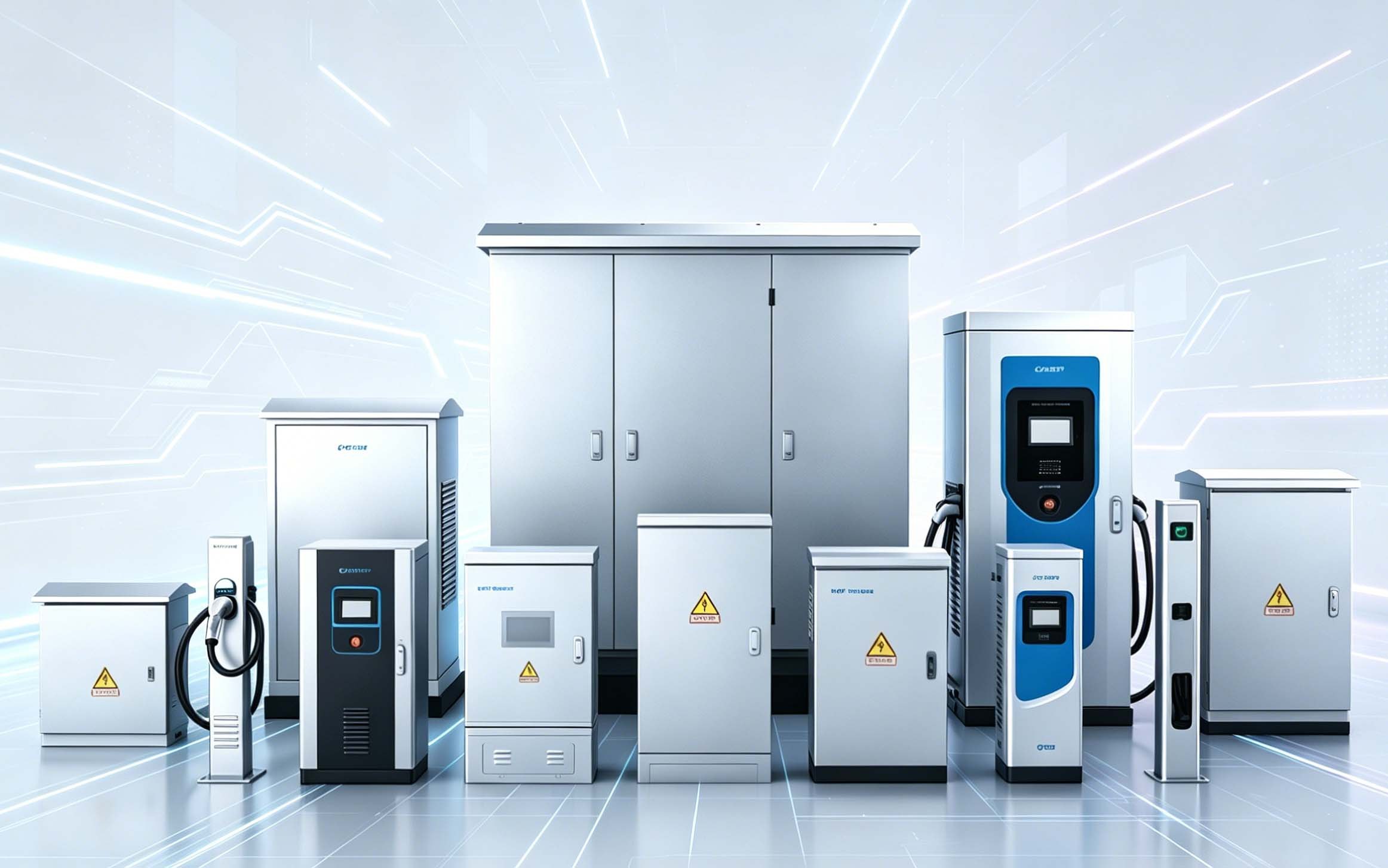
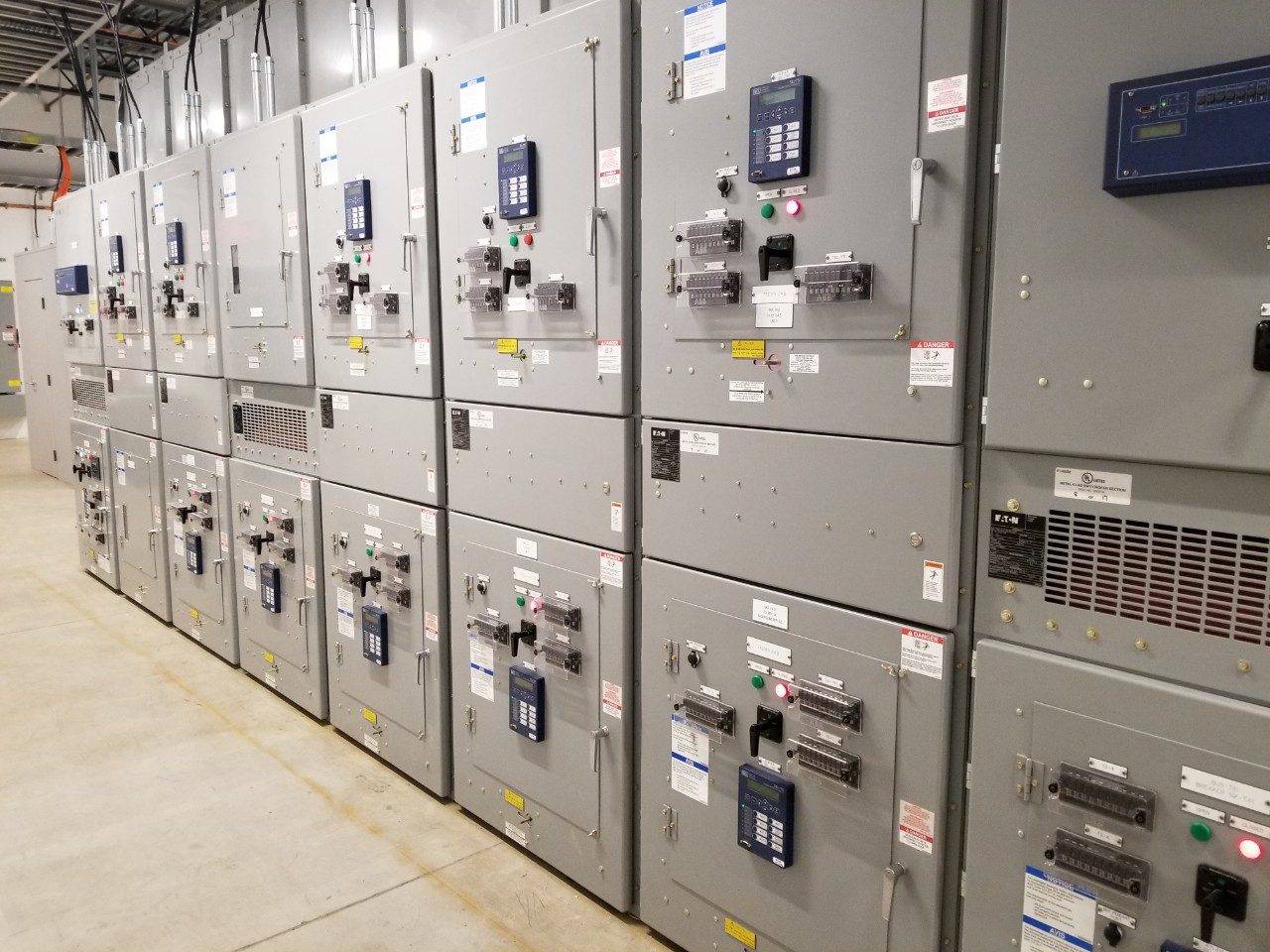
- Energy Storage Cabinets (BESS): For major battery shells, powder coating delivers the needed electrical blocking traits. It also offers firm guarding for valuable inside pieces. In large installs, this setup has been shown to cut failure rates by up to 30% in humid zones.
Anodizing: The Fusion of Aesthetics and Protection
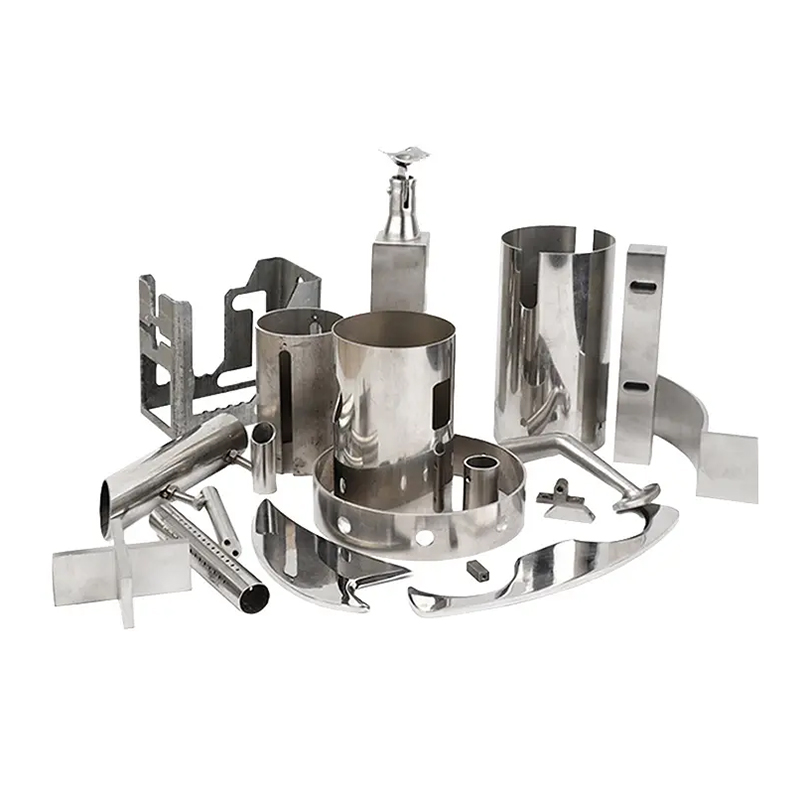
Powder coating rests atop the metal. Anodizing, however, shifts the surface via an electrochemical step. It forms a pleasing, lasting, rust-fighting oxide layer. This treatment fits almost solely with aluminum parts.
Why Choose Anodizing?
- Unmatched Surface Hardness: The oxide film comes in second to diamond for strength. Because of that, it hardly ever peels or chips away.
- Heat Dissipation: Treated surfaces let go of heat quite well. This plays a big role in housing for strong electronics.
- Premium Metallic Aesthetics: Anodizing keeps aluminum’s true shine. Plus, it opens up lively, clear color picks that leave the metal’s grain visible.
Application Spotlight: Display Shells & Precision Electronics
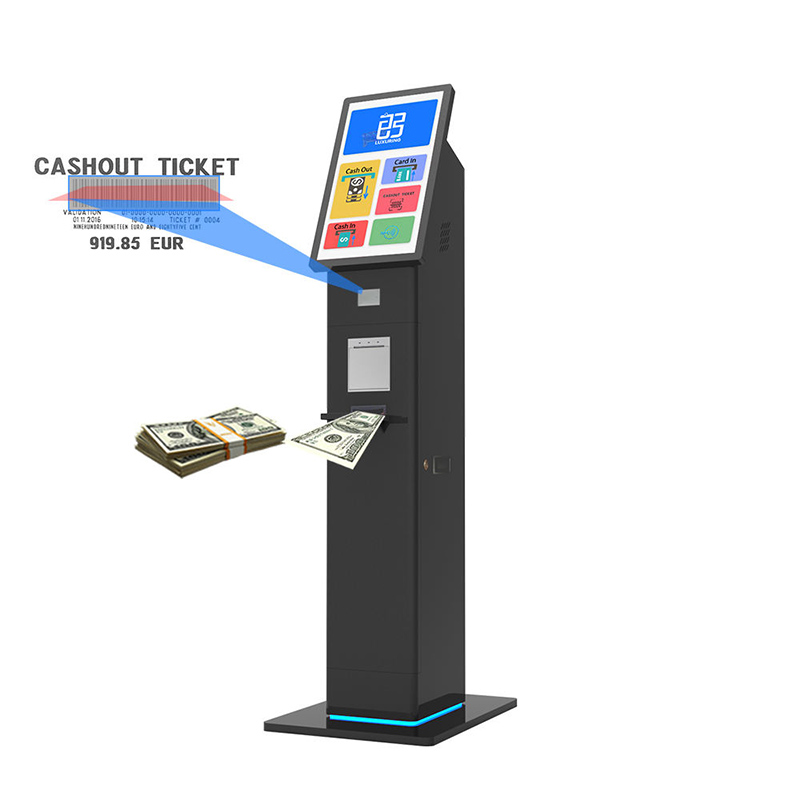
- Caixas para Ecrãs Industriais: For video boards and smartstands, anodizing brings a top-notch, tech-savvy style. It fixes issues like handprint marks. And it helps the unit keep a sharp look in busy business areas.
- Precision Aerospace & Medical Parts: In spots where low weight and close fits matter most, anodizing boosts safety. Yet it barely changes the piece’s size. Drawing from our work with tight specs, this keeps parts within 0.01 mm tolerances after treatment.

Critical Comparison: Making the Engineering Choice
At the San Jun Hardware plant, we look at these coatings through three core areas.
- Corrosion Resistance: Powder coating counts on its bulk and firm link to keep out dampness. Anodizing builds a holey frame that’s closed up to stay neutral to reactions. So, for steel energy storage boxes, powder coating is required. But for aluminum exact items, anodizing tends to outperform. In wet or salty air, powder layers often hold for 1,000 hours in salt spray tests, while anodized ones reach 500 hours with sealing.
- Dimensional Tolerances: Powder coating piles on about 60 to 120 microns. When plans call for exact linking parts or tiny gears, that added layer might pose a snag. Anodizing usually tacks on below 25 microns. That way, it upholds the tight size control from our AMADA CNC gear.
- Conductivity: Powder coating blocks current. Anodizing blocks it, too. However, you can cover areas more easily in the step to hold ground spots for EMC/EMI guards in control boxes.
Beyond the Finish: Why Precision Fabrication Matters
A surface coat works only as well as its base prep. At San Jun Hardware, we mix our coating skills with a solid building base.
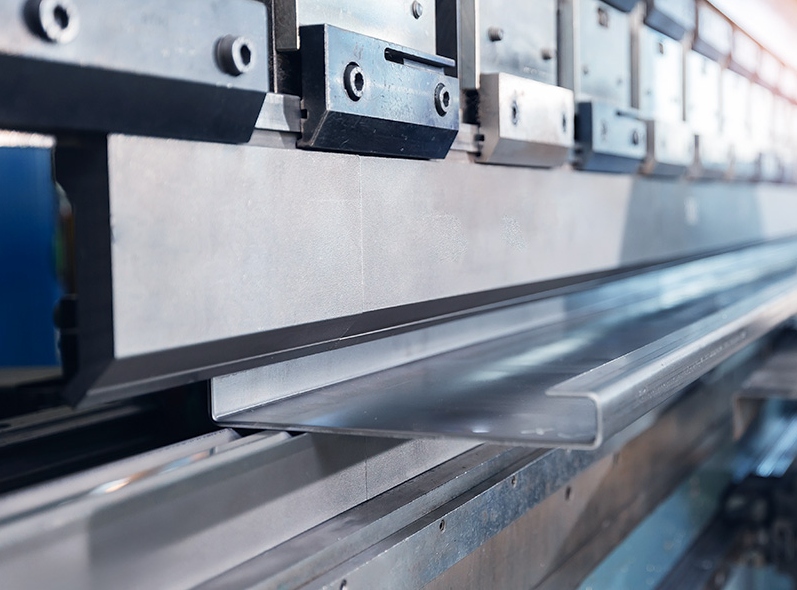
- Precision Fabrication: By way of Pradi machining hubs and AMADA CNC punch presses, we make certain that hole spots and measures come out exact before any coat goes on.
- Integrated DFM Support: Our design group gives Design for Manufacturing (DFM) checks. These make sure the parts suit the coating flow. They dodge blind spots where powder could skip or acid could stick in anodizing.
- Total Quality Management: Starting from raw stock checks to full tests on key measures and coat depth, our ISO-backed steps promise each part hits army-level or factory benchmarks.
- One-Stop Assembly: Past coating, we handle piece fitting and box-up tasks. This sends a full, set-to-go item right to your storage.
Conclusion: Engineering the Perfect Finish
Picking powder coating over anodizing skips seeking the top coat overall. Instead, it means finding the fit for your exact use. If a tough shield for a powder-coated ESS cabinet suits you, or a smooth grace for an anodized aluminum screen does, San Jun Hardware holds the skill and setup to turn your plan into reality.
Ready to elevate your industrial hardware?
Contacte o hardware de San Jun hoje for a technical consultation and a precision quote.
FAQ
Q: Can powder coating be applied to aluminum?
A: Yes. Powder coating fits aluminum nicely when a set solid shade, good UV hold, or denser guard than anodizing is needed.
Q: How do I ensure color consistency across different production batches?
A: At San Jun Hardware, we draw on set RAL/Pantone shade matches. We keep a tight watch on heat and bake periods for even results across lots.
Q: Which finish is better for heat dissipation in electronic enclosures?
A: Anodizing tends to lead to warm handling. Its slim oxide film avoids blocking heat as an insulator would. So inside warmth flows out better via the aluminum frame.
Q: Is powder coating environmentally friendly?
A: Yes. Powder coating skips solvents and puts out tiny amounts of Volatile Organic Compounds (VOCs). On top, stray powder gets reclaimed and reused. That turns it into a solid green option.


























Deixe um comentário