
Nullam dignissim, ante scelerisque é o odio de fermentação euísmo sem semper o é erat, um feugiat leo urna eget eros. Duis Aeneanum riso imperdiet.
Nullam dignissim, ante scelerisque é o odio de fermentação euísmo sem semper o é erat, um feugiat leo urna eget eros. Duis Aeneanum riso imperdiet.
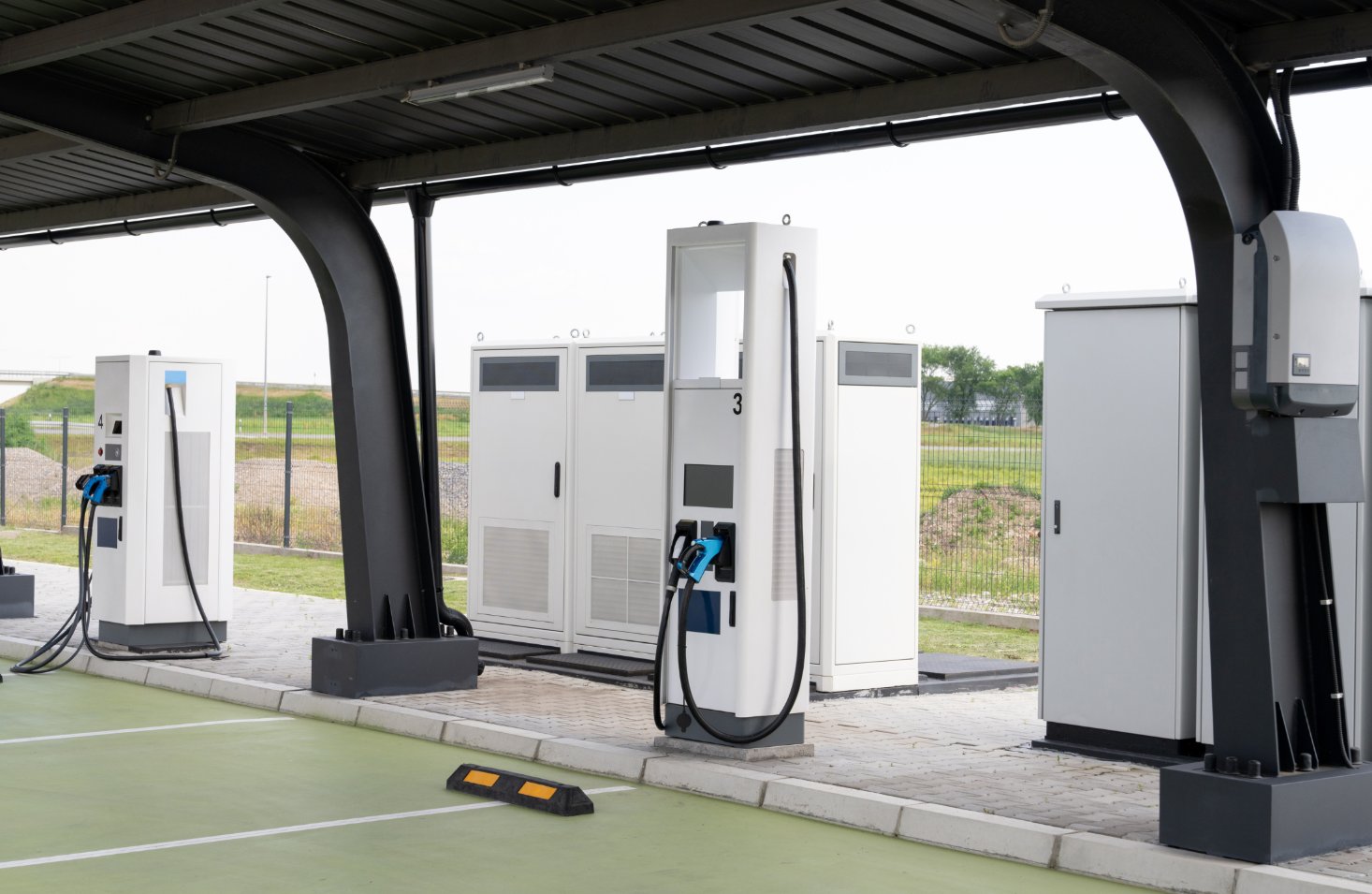
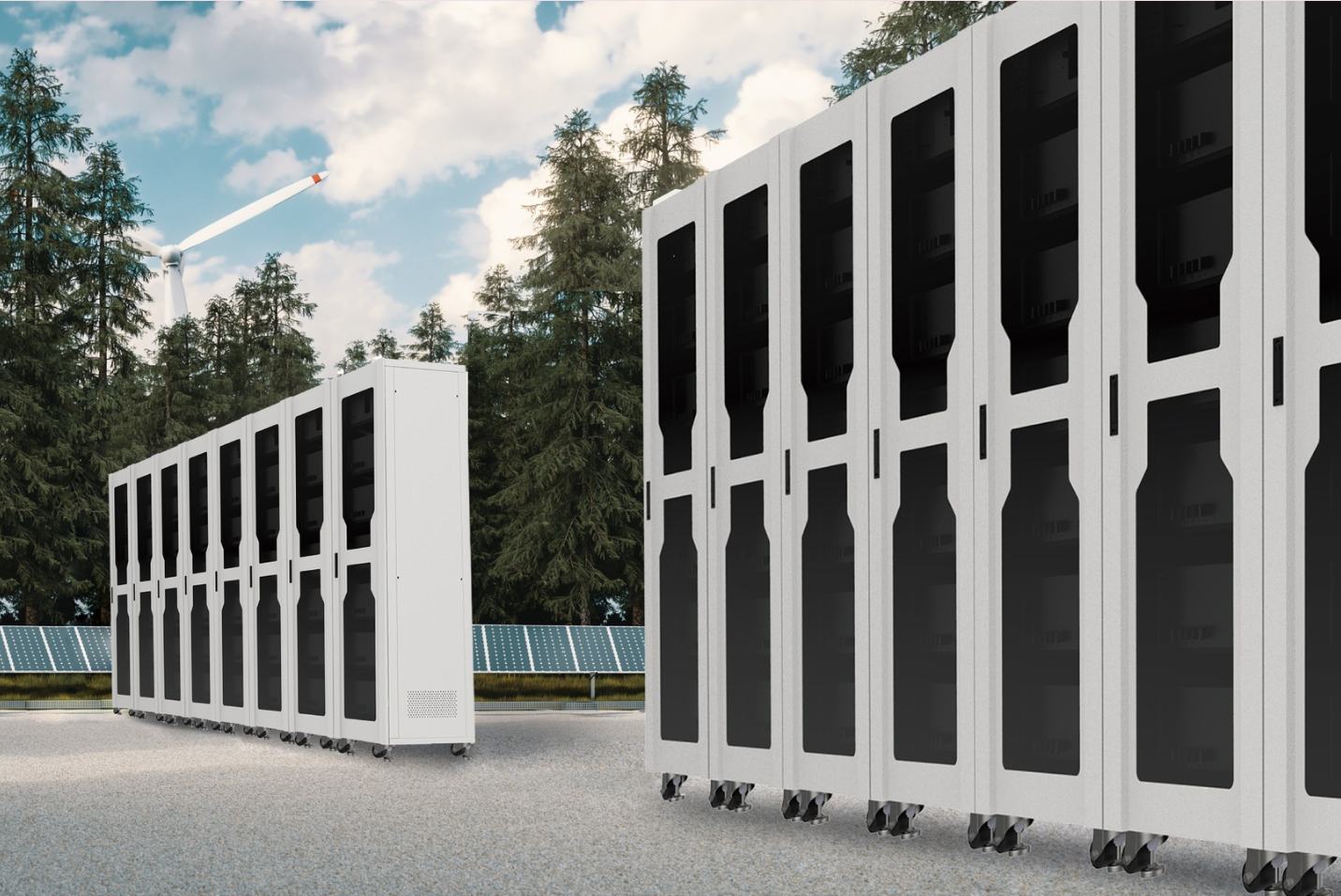
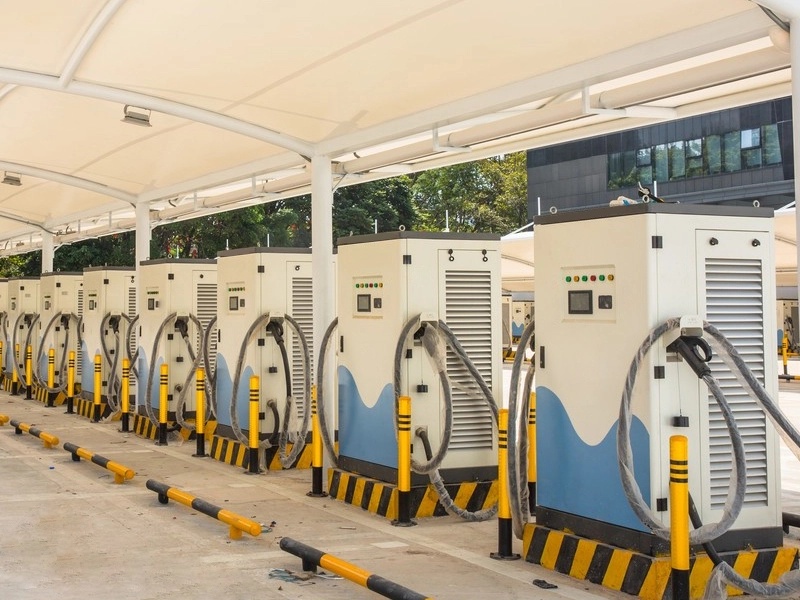
The move to electric vehicles picks up speed every year. People now need charging stations in large numbers, and the real concern has become how long the equipment will actually last. Every solid charging station depends on its enclosure. That metal box stands as the main barrier against rain, knocks, dust, and electrical problems. Selecting a capable manufacturer goes beyond simple buying; it becomes a key step to make sure your charging points keep working year after year.
Em Hardware de San Jun, we understand that selecting a capable manufacturer goes beyond simple buying; it is a strategic step to ensure your charging points remain operational year after year.
You have to grasp the level of exactness needed to shield delicate power parts. A dependable supplier does far more than basic metal shaping. It brings together proper design skills and manufacturing setup.
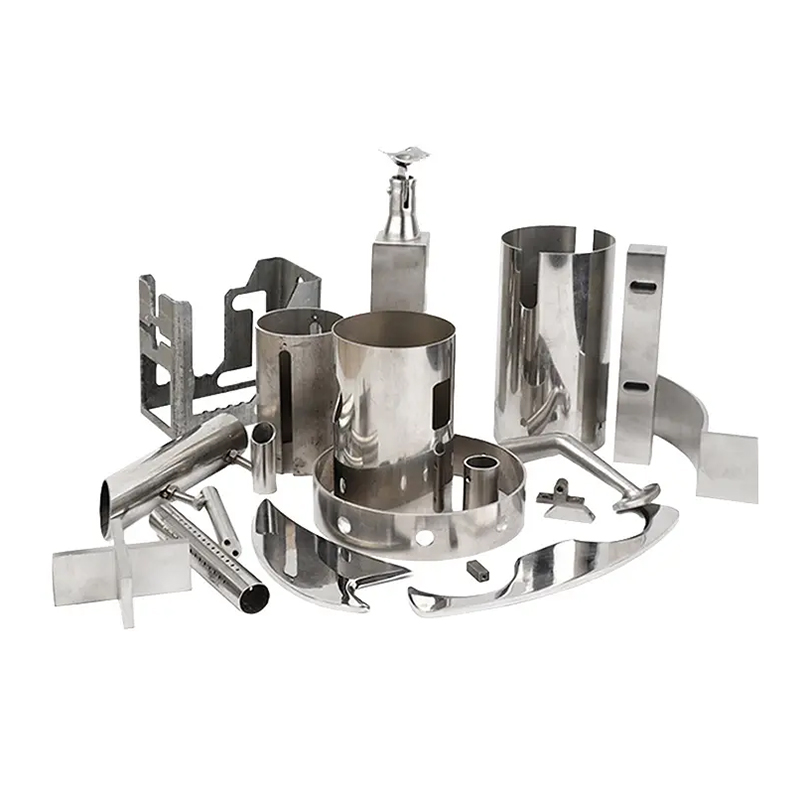
Material choice decides how many years the enclosure holds up. San Jun Hardware relies on proven options: cold-rolled steel because it stays strong, galvanized steel since it handles rust well, and stainless steel (304/316) for tougher jobs. Near oceans or in salty conditions, the proper grade stops rust from taking hold too soon and avoids early breakdowns.
Close tolerances matter a great deal around high-voltage gear. Better manufacturers use CNC laser cutting that keeps cuts within ±0.1 mm and CNC bending accurate to ±0.4 mm. Panels then match up cleanly. Gaps stay small or disappear, which blocks water and dirt from sneaking in. The electronics inside face stable surroundings.
Quick charging builds up considerable heat. A good enclosure needs planned routes for heat to leave—vents, channels, or places to mount fans—so the system avoids slowdowns from overheating. At the same time, it must carry an IP65 or IP66 rating against water and dust. That rating comes from silicone seals and gaskets placed with care.
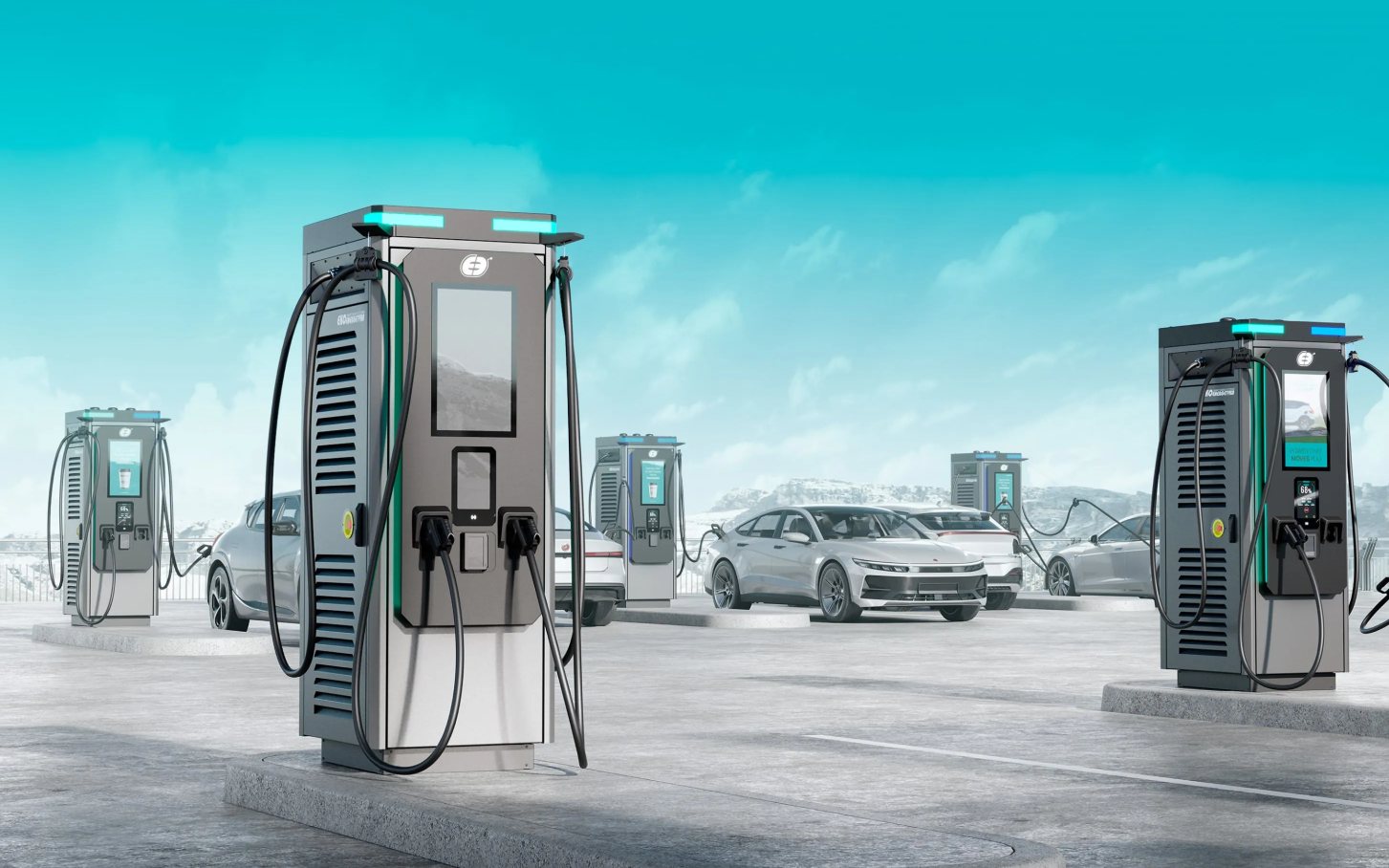
Seeing these enclosures in actual use clarifies their worth. They address everyday troubles in different locations.
Imagine a city plan that calls for 500 chargers on busy urban streets. Standard boxes frequently show weak corners or seams that are easy to pry apart. Paint flakes off, and then road salt mixed with rain causes fast rust.
San Jun Hardware draws from its Outdoor Custom Digital Signage Shell IP65 design for these cases. The units come with beefed-up frames and locks meant to stop break-ins. Surfaces receive sandblasting, a primer layer, followed by strong powder coating—any RAL shade works. The treatment stands firm against salt air and scrapes from regular contact.
Picture a service area on a major road fitting DC fast chargers that run heavy loads day and night. Internal power sections heat up too much at times, which triggers shutdowns and raises repair expenses.
San Jun Hardware carries out Design for Manufacturing (DFM) reviews to improve air paths inside. High-quality heat sinks go in, together with carefully shaped vent openings that preserve the IP rating. Heat gets handled better, and the parts inside end up lasting longer.
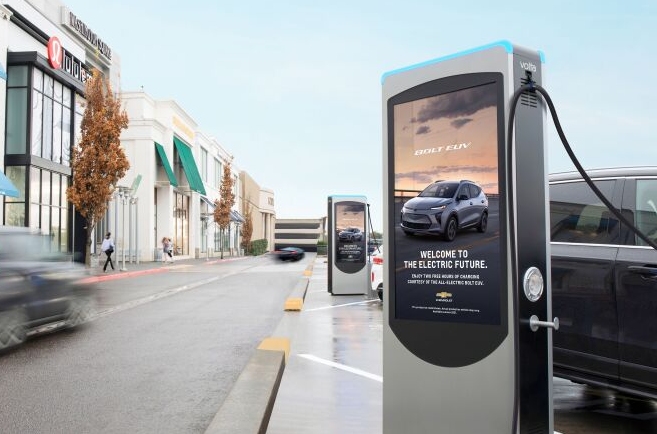
Consider an upscale mall wanting charging stations that also handle digital ads and touch interfaces. The difficulty comes from combining screens, printers, and charging hardware into one smooth-looking package.
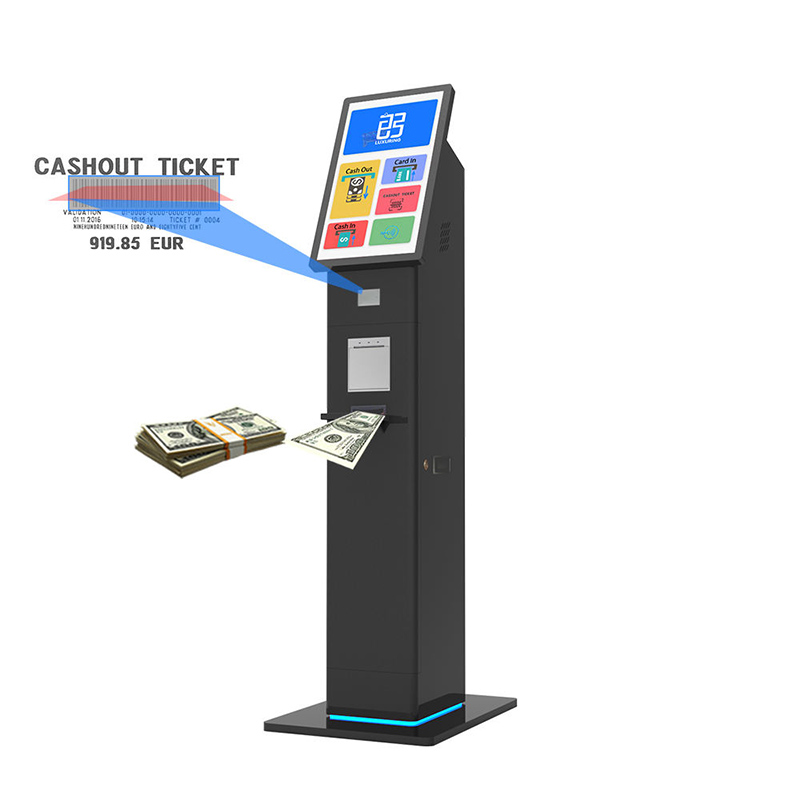
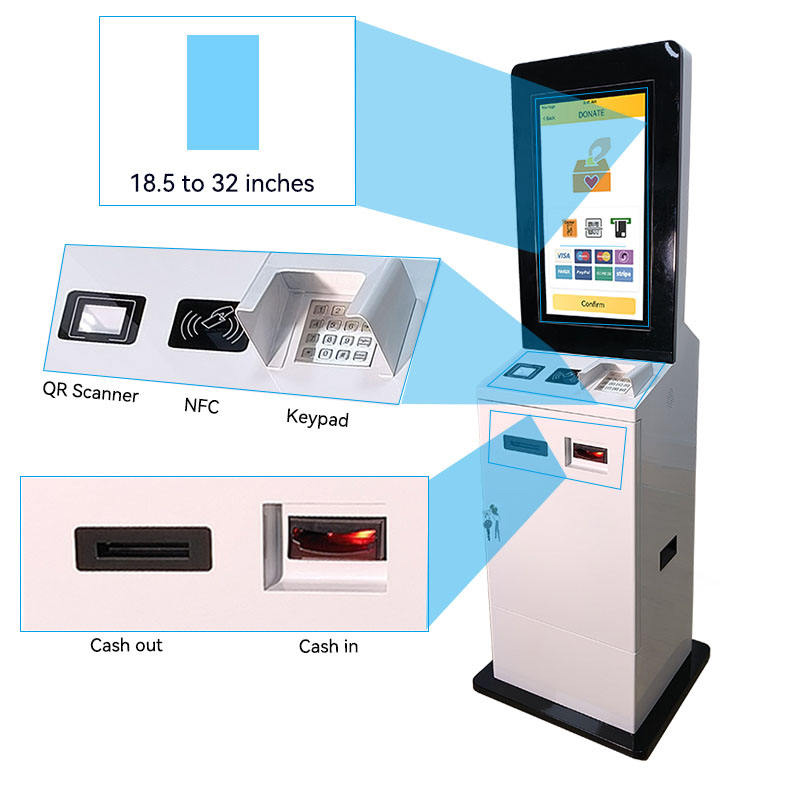
San Jun Hardware builds on past projects like Hospital Self-Service Kiosks and Intelligent Self-Service Cabinets. It supplies OEM/ODM services for versatile enclosures. These housings fit 17- to 32-inch capacitive touch screens and feature modular insides. Opening a hinged door makes servicing straightforward. A basic utility case turns into an attractive, helpful station that improves how people interact with it.
San Jun Hardware sits in Dongguan and runs a 5,000-square-meter workshop. The company carries over 25 years of hands-on work in this area. It focuses on three main strengths: clear grasp of client needs, steady quality levels, and delivery that adjusts to schedules.
Many shops insist on costly molds for custom changes. San Jun Hardware often handles customization without those extra mold costs. That freedom supports quick changes. CAD drawings lead to samples in 3-7 working days. The setup manages small trial batches as well as runs above 1,200 pieces.
ISO9001 certification covers the factory, backed by a detailed checking routine. All critical steps—weld quality, size checks, and more—receive complete inspection. Parts stay traceable, and problems get a 48-hour response for fixes. Clients gain confidence from that system. Products support CE, RoHS, and EMC requirements, which smooths entry to markets in Europe and North America.
Your charging station stays reliable only if the enclosure does its job well. Partner with a manufacturer experienced in accurate cutting, multiple material choices, and years in the field. That partnership helps your setup remain in service for a long time.
San Jun Hardware supplies focused products—from IP65-rated waterproof boxes to elaborate kiosk builds—for current energy demands. It holds to the idea of solid, military-style quality without steep prices. The team stands prepared to assist in creating lasting, cleaner transport networks.
Don’t settle for standard boxes when you can have precision-engineered protection. Whether you need a single prototype or a mass-production partner, San Jun Hardware is ready to assist.
Contact us today for a professional consultation and quote
A: Yes. Steel or aluminum conduct well, and with correct grounding plus thoughtful shielding layouts, they reach 45 dB of protection or higher. Sensitive circuits stay safe from strong electrical noise.
A: DFM checks happen early in design. Engineers catch tricky bends or clashes ahead of time. Material use drops, costs come down, and samples turn into full runs more quickly.
A: Powder coating lays down a thicker coat that resists chemicals, sunlight, and bad weather much better. It fights rust and dents more effectively, especially on gear left out in public areas.
A: Steady waterproofing depends on precise CNC bending for tight seam fits, silicone gaskets built to handle UV exposure, and serious testing—salt spray chambers and water dunk tests—during inspection. Those measures help the seal perform over time.
























Deixe um comentário