
Nullam dignissim, ante scelerisque the is euismod fermentum odio sem semper the is erat, a feugiat leo urna eget eros. Duis Aenean a imperdiet risus.
Nullam dignissim, ante scelerisque the is euismod fermentum odio sem semper the is erat, a feugiat leo urna eget eros. Duis Aenean a imperdiet risus.
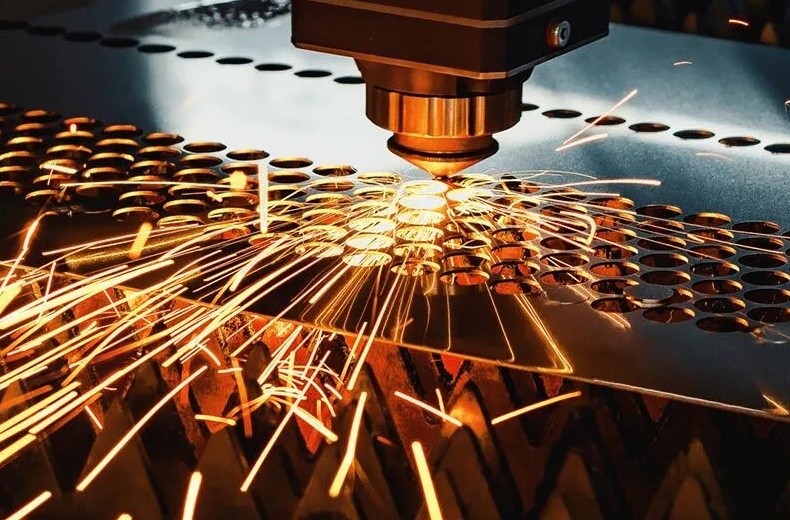
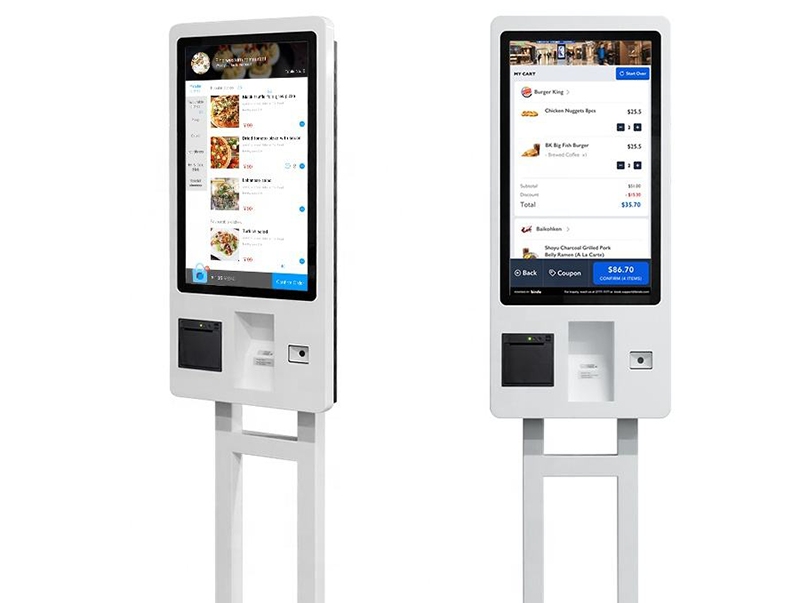
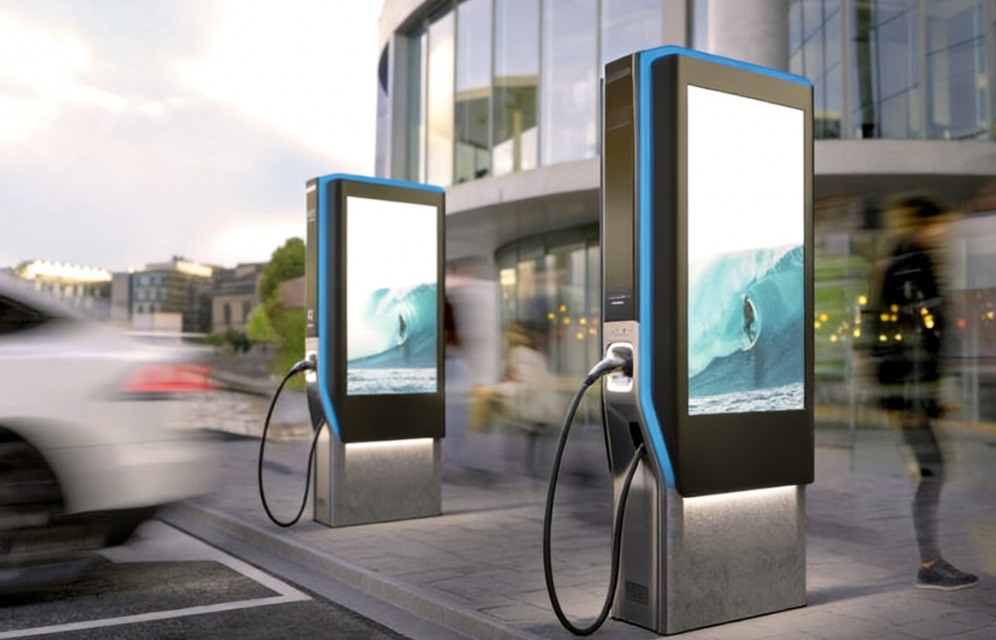
Everyone in manufacturing feels the same squeeze these days: get the product out faster, make it cheaper, and don’t dare ship anything that breaks. In medical gear, charging stations, outdoor kiosks, or big digital signs, the metal box around the electronics is usually what makes or breaks the whole project. If the first cut is sloppy, you’ll fight the rest of the build—bends won’t line up, welds crack, parts don’t fit, and suddenly you’re throwing away half the sheet and missing deadlines. One bad batch can wipe out the profit on the entire order.
We call the cutting room the “blanking department” because that’s where a flat sheet turns into the actual pieces you’ll use. Old-school shearing or turret punches still work for simple rectangles, but try cutting a curved slot with six tiny mounting holes and a 0.5 mm lip around it—good luck. That’s why pretty much every serious shop has switched to laser cutting for anything complicated. The laser just follows the drawing and melts exactly what needs to go away, leaving edges so clean you barely need to deburr.
Making a sheet metal part is a chain of steps: pick the material, cut it, bend it, weld it, paint it, and assemble it. Cutting comes right after picking the coil or plate. The laser hits the metal with a tiny, crazy-hot beam, melts it on the spot, and a jet of gas blows the molten stuff away. What’s left is a cut narrower than a hair on most materials.
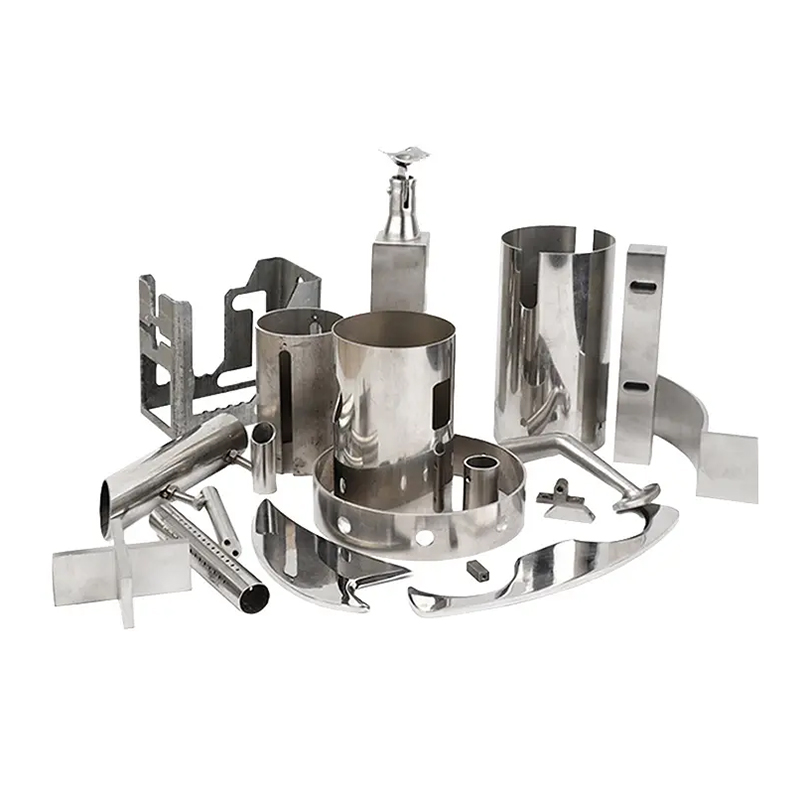
If the cut is off by even half a millimeter, the next guy on the brake press is going to curse your name. San Jun Hardware runs 3000 W fiber lasers that hold the line dead-on. For the usual 0.8 mm to 1.5 mm stainless or cold-rolled steel we use on kiosks, we stay inside ±0.1 mm all day long. One hospital client sends us drawings for registration-kiosk frames; the holes for the touchscreen line up so well that the assemblers don’t even need to jig them anymore.
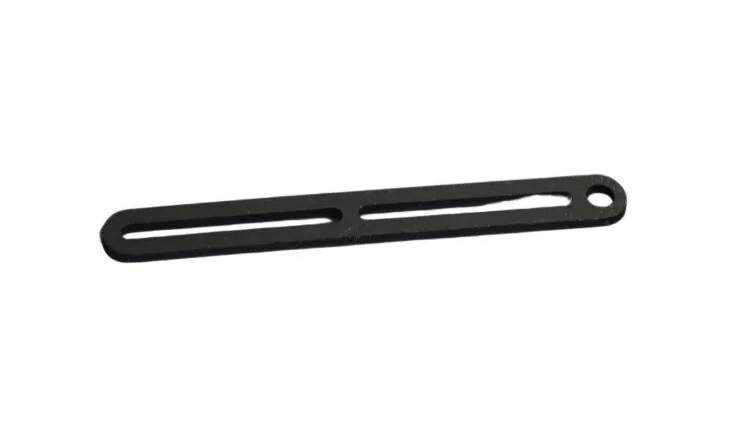
A lot of the parts we make now look more like lace than brackets—tons of slots for cables, lightning holes, folded tabs at weird angles. Ten years ago, that would have taken three different tools and still looked rough. Today, the laser knocks it out in one pass.
Programming a new part takes maybe ten minutes once the CAD file is clean. Nesting software packs thirty or forty pieces on a 4×8 sheet with almost no waste—sometimes we get 98 % yield.
The same laser head cuts 1 mm stainless steel for a hospital kiosk in one hour and 3 mm aluminum for a solar inverter box the next. Switch the gas to nitrogen on stainless and you get mirror-bright edges with no discoloration—perfect when the part stays visible. Galvanized outdoor boxes get oxygen assist because speed matters more than edge color there.
No dies, no tooling charge, no waiting six weeks for a punch. Change the file, hit go, and you have a new version tomorrow. Startups love this—they’ll send us revision 7 on Thursday and have metal in hand Monday morning.
Outdoor digital signs live in hell—blazing sun, driving rain, kids throwing rocks. Every seam has to be perfect, or water finds its way in. The laser gives us dead-straight edges, so the welds are tight and the gasket sits flat. Our products have not leaked, even after 48 °C days and monsoon storms.
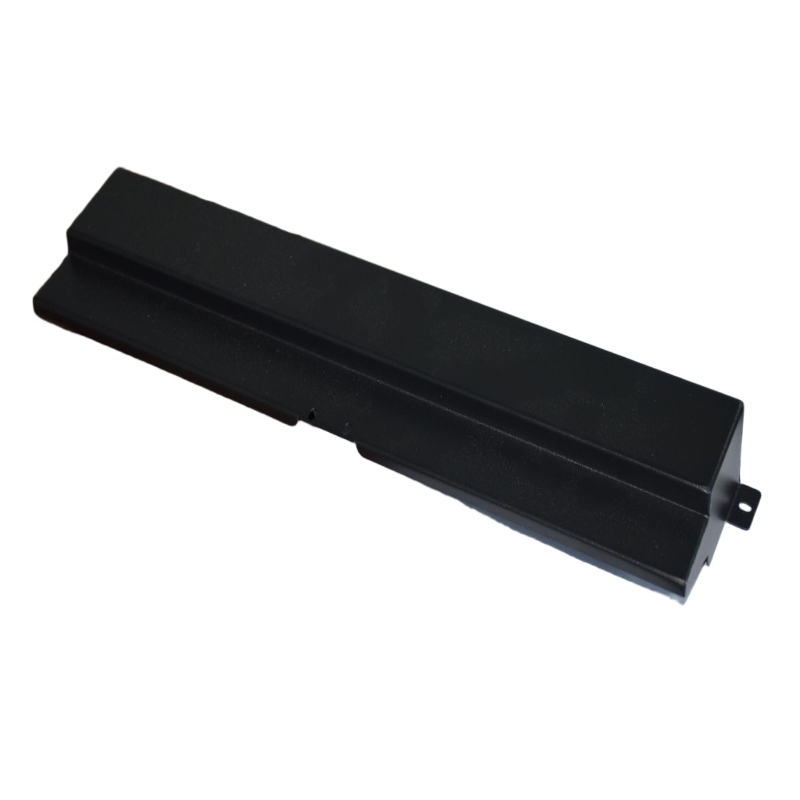
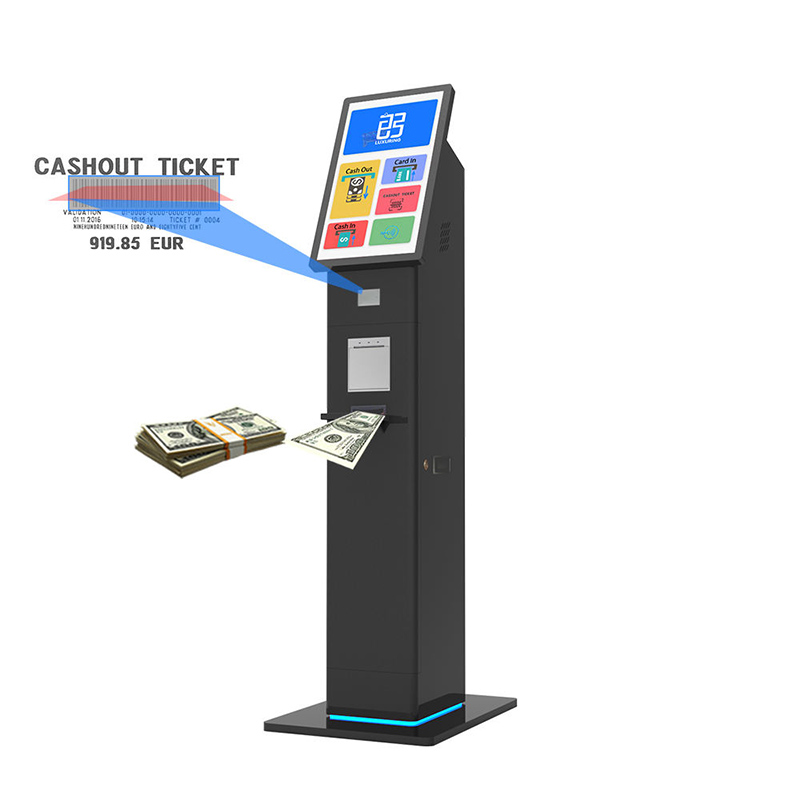
Same story with parking payment kiosks. Inside, there’s a full PC, touch overlay, and printer—expensive stuff. One tiny gap and the whole board fries. Laser-cut mounting ears mean the motherboard screws in exactly where the designer planned, cooling stays predictable, and the box keeps its IP65 rating for years.
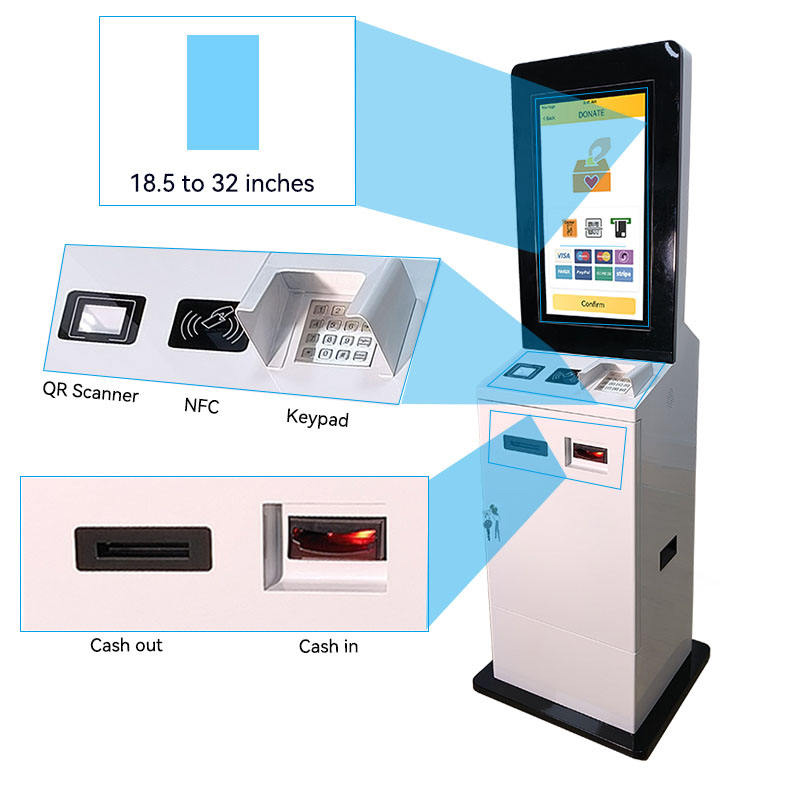
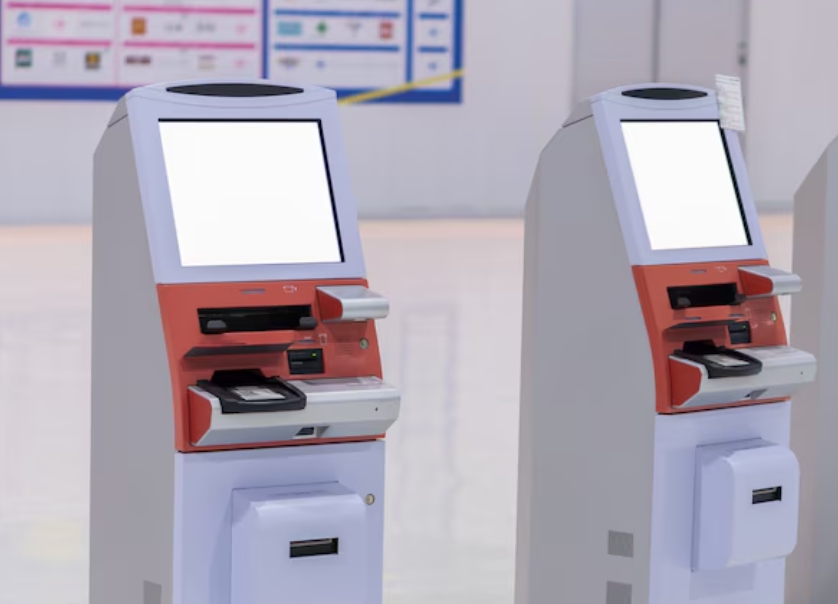
Hospitals want clean, quiet, and impossible to break. We cut rounded corners so no sharp edges, perfect circles for cable glands, and slots for card readers that line up on the first try. Nurses tell us patients actually relax more because the kiosk doesn’t look like a cheap box from 1995.
Snack vending machines get kicked, rocked, and pried open daily. Laser-cut 1.5 mm cold-rolled steel with folded returns and spot-welded corners takes the abuse. One campus swapped to our cabinets and went from replacing a door every month to zero in two years.
The laser is only step one. After cutting, the flat blanks go to CNC press brakes for bends, then TIG or MIG welding, then powder coat or anodize. We do it all under one roof, so nothing gets lost or banged up in transit.
Send us the 3D file, we quote in a day (often same day), cut samples in a week, and ship production once you sign off. No middlemen, no surprises.
San Jun Hardware started in 2010 and now runs a 5,000 m² shop full of fiber lasers, AMADA brakes, and CNC punches. We put 10 % of last year’s profit straight back into new gear and training because standing still means falling behind.
We’ll cut one piece or a thousand—no mold fees, no lectures about minimums. You draw it, we make it, fast and right.
A good laser isn’t a luxury anymore; it’s the only way to stay in the game when parts get complicated and customers won’t accept excuses. The shops still fighting with old punch presses are losing money every day they wait. Get the cut right the first time and everything else—bending, welding, assembly—falls into place without drama. That’s how you ship on time, keep the customer happy, and still make a profit.
A: On 0.5 mm to 2.0 mm material, we hold ±0.1 mm all day, every day.
A: Usually, same day, always within 24 hours once we have the files.
A: Pretty much anything—stainless, aluminum, cold-rolled steel, galvanized, brass, you name it.
A: Nope. One piece is fine; we don’t do molds, so low runs or prototypes are no problem.

























Leave a comments