
Nullam dignissim, ante scelerisque the is euismod fermentum odio sem semper the is erat, a feugiat leo urna eget eros. Duis Aenean a imperdiet risus.
Nullam dignissim, ante scelerisque the is euismod fermentum odio sem semper the is erat, a feugiat leo urna eget eros. Duis Aenean a imperdiet risus.

Every time a team starts designing a new kiosk, medical terminal, outdoor sign, or power box, they hit the same question pretty early: Do we mill the housing from solid blocks on CNC machines, or do we cut and bend sheet metal? Pick the wrong path and the project can blow the budget, miss deadlines, or end up with a box that leaks in the rain. We’ve seen companies spend thousands extra just because the enclosure was machined when it should have been folded from a sheet.
CNC machining starts with a big chunk of aluminum or steel and chips away everything you don’t need. It’s great for tricky inside shapes and super-tight tolerances. Sheet metal work, on the other hand, begins with flat coils or sheets that get cut, bent, and welded into the final shape. For almost every large enclosure—think anything taller than a lunchbox—sheet metal wins on price, weight, and speed once you’re past the prototype stage.
San Jun Hardware has focused on sheet metal since day one. We build everything from hospital check-in kiosks to outdoor digital signs, so we know exactly when sheet beats solid bar and when it doesn’t.
CNC shines when you need deep pockets, threaded bosses in odd places, or tolerances tighter than a tenth of a millimeter. Medical parts with complex fluid paths or small precision instruments often go this route.
The problems show up fast on bigger housings. You’re throwing away 70-80 % of an expensive billet as chips. A single 1-meter-tall machined cabinet can tie up a big mill for hours and cost more in raw material than ten sheet-metal versions. Plus, most shops simply don’t have machines big enough for a full-size kiosk in one piece.
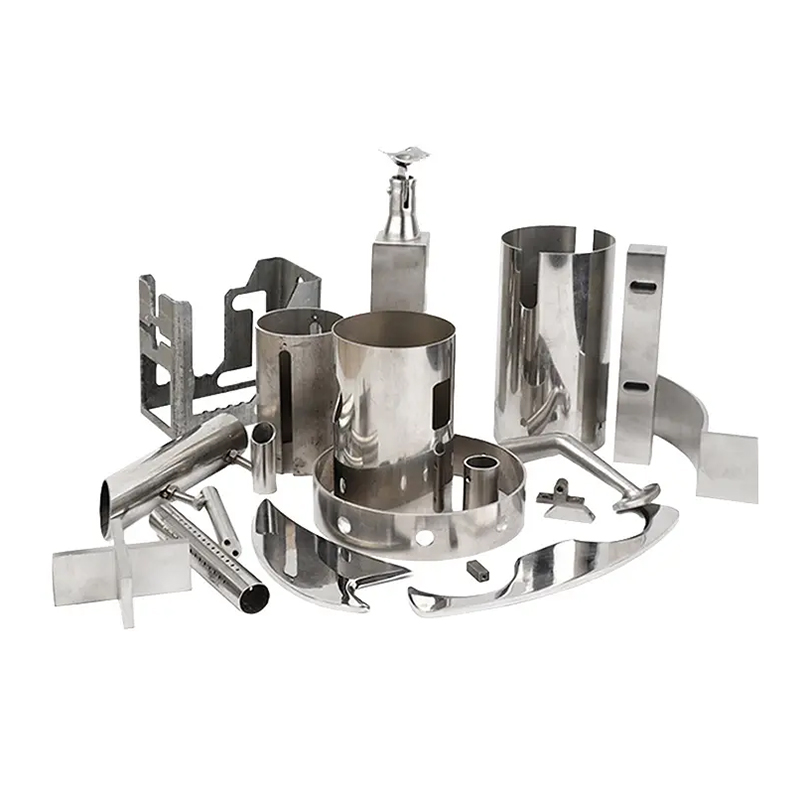
Sheet metal starts life flat, so there’s almost no waste. We unroll a coil, laser the blanks, bend them on press brakes, and weld the corners. That’s it.
At San Jun Hardware, the flow looks like this:
Cutting: 3000 W fiber laser or two CNC turret punches slice the parts clean, edges smooth enough that nobody needs to deburr by hand.
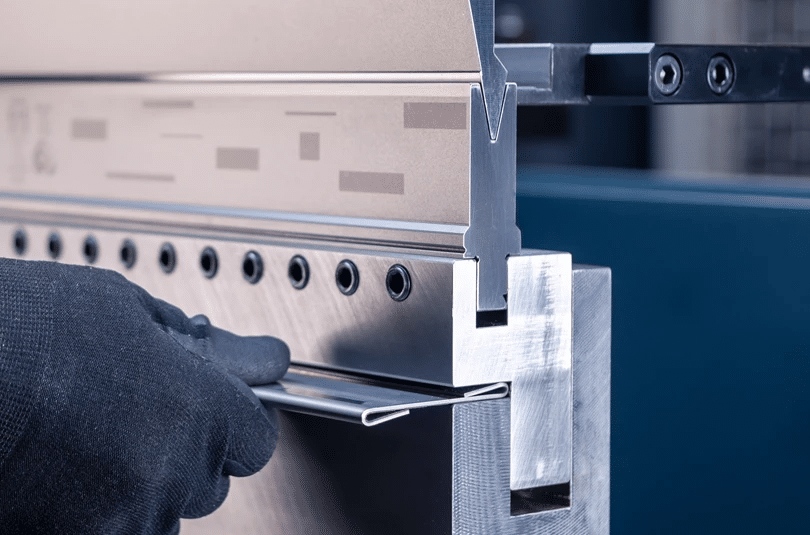
Bending: Three AMADA CNC brakes fold everything exactly where the drawing says—no spring-back surprises.
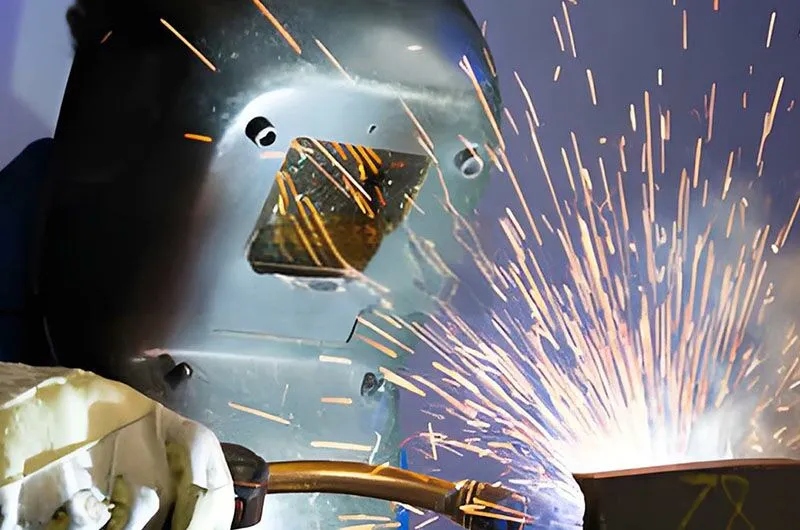
Joining: Spot weld for quick tabs, TIG for pretty corners, MIG for strength, or seam welding when water can’t get in.
Run the numbers past ten pieces, and sheet metal pulls way ahead. Material use is efficient, setup is quick, and the per-part price drops hard with quantity. We quote most kiosk shells in the low two figures, even for custom work, because there’s no mold charge. CNC quotes for the same size often hit four figures each on low volume.
Big, hollow boxes with thin walls play to sheet metal’s strengths. We regularly work with cold-rolled steel, stainless steel, aluminum, and even galvanized steel for outdoor jobs. Welded corners give real rigidity without adding pounds. Try getting that same stiffness from a machined box without making the walls ridiculously thick—and heavy.
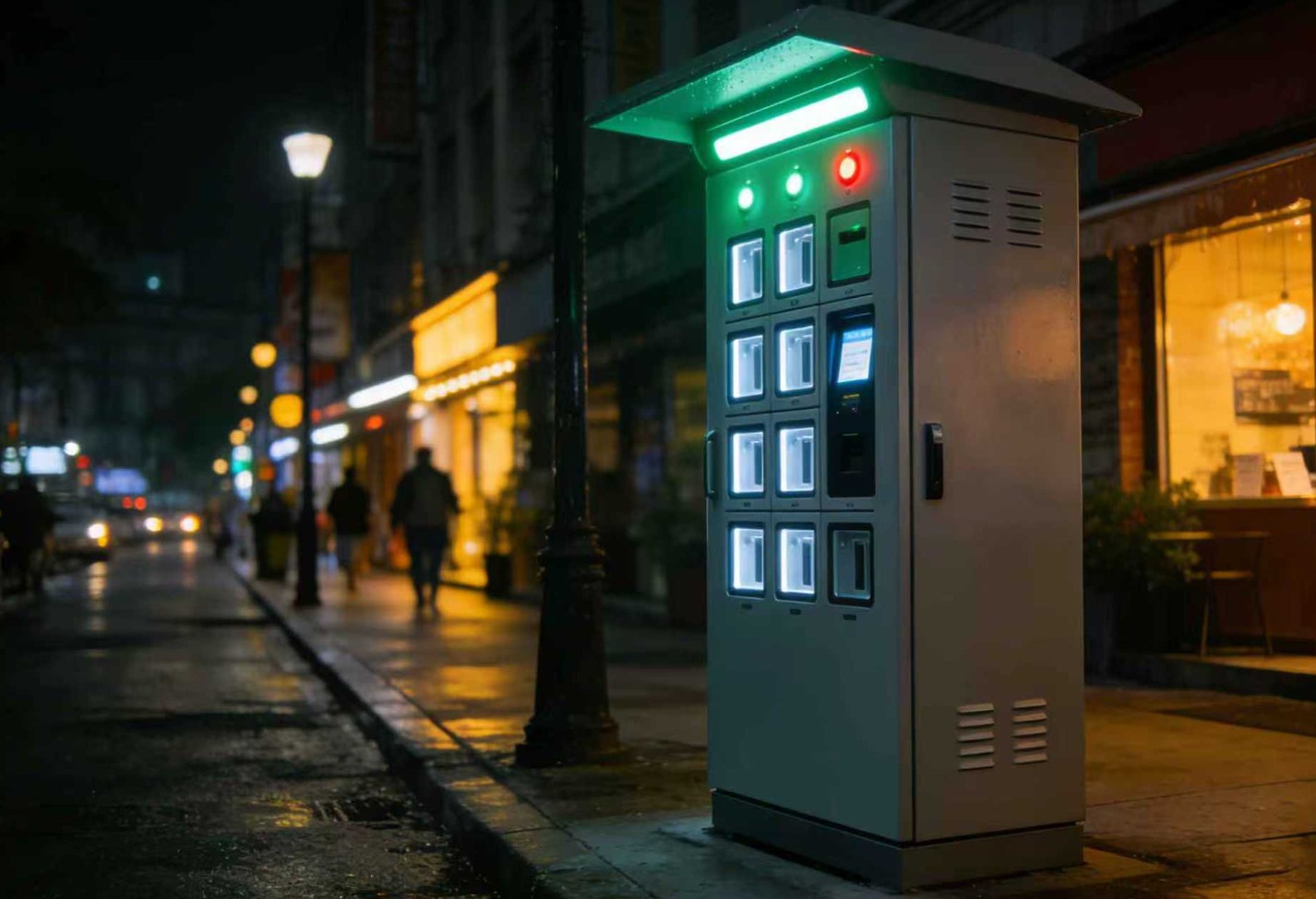
Outdoor boxes have to survive rain, dust, and kids with sticks. The Outdoor Custom Digital Signage Shell IP65 is welded all around, gasket grooves are formed right in the bends, and the door seals tightly for the first time. Machining a similar sealed box from solid would take forever and still leave weak spots where sections are bolted together.
Most of the enclosures we build are big enough to stand inside.
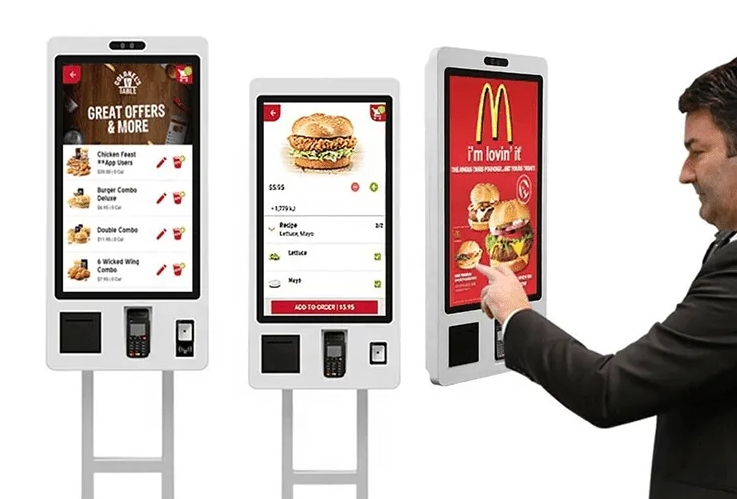
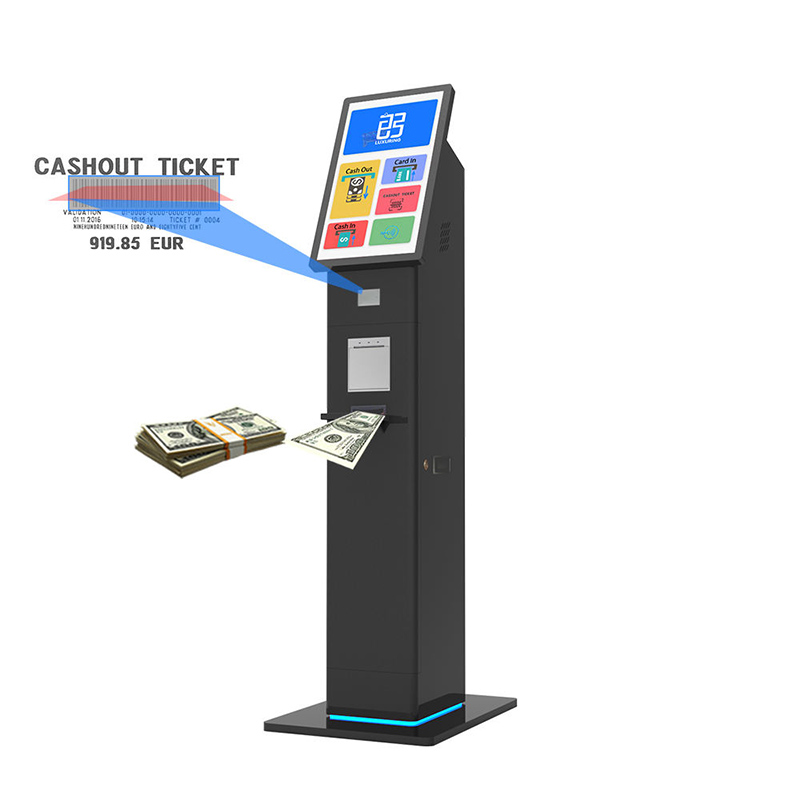
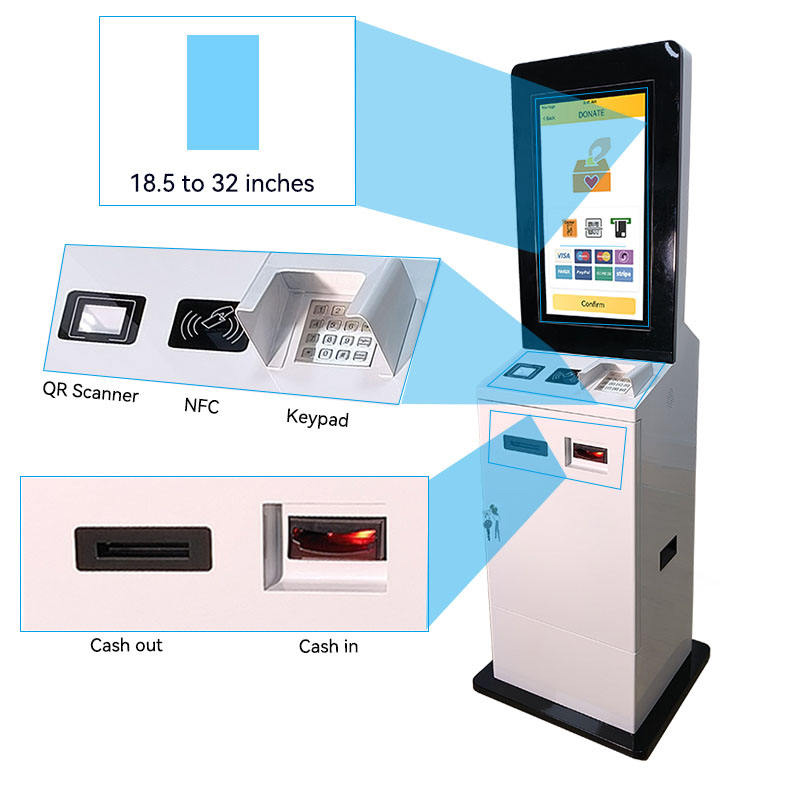
Hospital Self-Service Kiosk Enclosure and Self-service Terminal Integrated Machine Shell handle 17- to 32-inch screens plus printers and card readers. Everything mounts to folded tabs or welded studs—no loose brackets floating around.
Intelligent Self-service Cabinet for vending starts as a few flat sheets and ends up as a full-height cabinet with coin vaults, cooling vents, and anti-pry locks all built in.
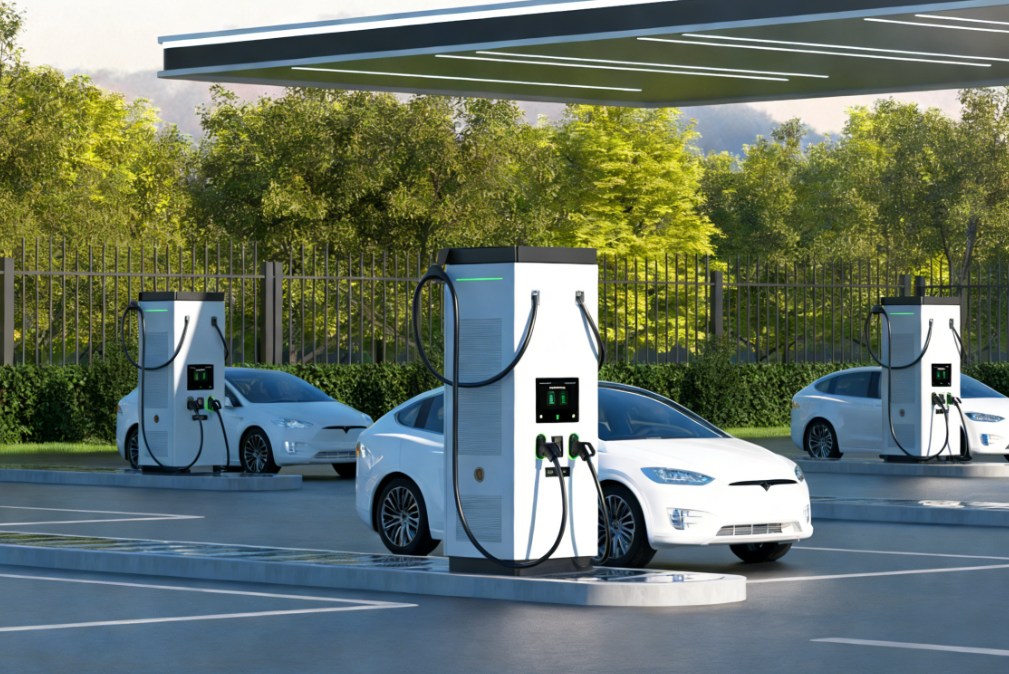
Medical customers want easy-to-clean corners and no paint chips; we use stainless steel and continuous welds. Outdoor signage needs powder coat that lasts ten years; we prep and coat in-house. Power boxes need thick steel and perfect grounding tabs; we punch and form them while the sheet is still flat, so they line up every time.
Modern lasers and brakes hold parts well inside ±0.1 mm where it counts. That’s plenty for doors to close, seals to seat, and screens to line up straight. We run everything under ISO 9001 checks—first-piece inspection, in-process gauges, and final audit. Boxes show up clean, square, and ready to assemble.
Use CNC when the part is small, packed with weird inside features, or needs tolerances most shops measure with a micrometer in a temperature-controlled room. For everything else—kiosks, vending machines, outdoor signs, medical terminals, power cabinets—sheet metal is faster, lighter, stronger, and cheaper once you’re past a handful of prototypes.
San Jun Hardware lives in the sheet-metal world every day. Send us a drawing, and we’ll tell you straight whether the sheet is the right call (99 % of the time it is) and get you a real quote the same day. Samples usually ship in a week, and production runs start two weeks later. That’s how projects stay on budget and hit the market on time.
A: Go sheet metal any time the box is bigger than a shoebox, needs to be hollow and strong, has to hit IP65 or better, or will ever go past prototype quantities.
A: 3000 W fiber lasers for cutting, AMADA CNC press brakes for bending, plus Haeger auto riveting presses when parts need studs or nuts pressed in.
A: Yes—medical kiosks, power distribution boxes, battery cabinets, you name it. We handle stainless steel for clean rooms, thick galvanized for outdoor power gear, whatever the job needs.
A: Absolutely. No dies, no molds—just your drawings, our lasers and brakes, and parts on the way.
























Leave a comments