
Nullam dignissim, ante scelerisque the is euismod fermentum odio sem semper the is erat, a feugiat leo urna eget eros. Duis Aenean a imperdiet risus.
Nullam dignissim, ante scelerisque the is euismod fermentum odio sem semper the is erat, a feugiat leo urna eget eros. Duis Aenean a imperdiet risus.
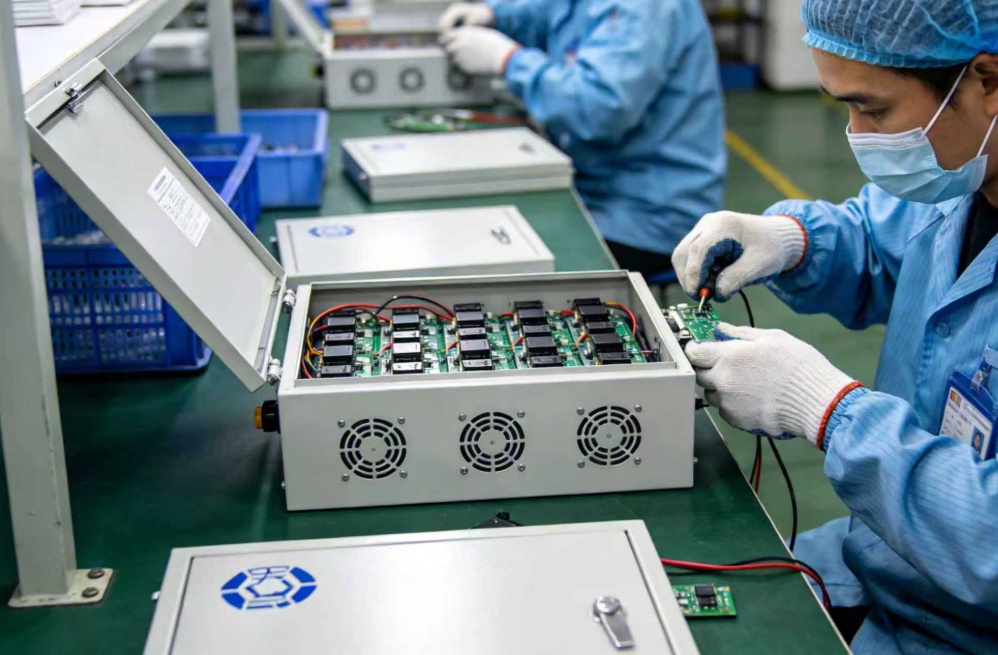
Renewable energy is growing fast across the globe, and Energy Storage Systems (ESS) now form the key support for today’s power networks. Lithium-ion batteries pack a lot of power in small spaces, but that brings real safety risks like runaway heat and damage to the surroundings. Software and battery makeup matter a great deal. Still, the metal case around the system acts as the main barrier against problems. A good housing does more than hold the cells—it shields them from weather, handles warmth, and stops internal issues from spreading.
Safety in an energy storage setup starts with the right choice of building materials. The case must stand up to outside hits, inside pressure, and possible fires.
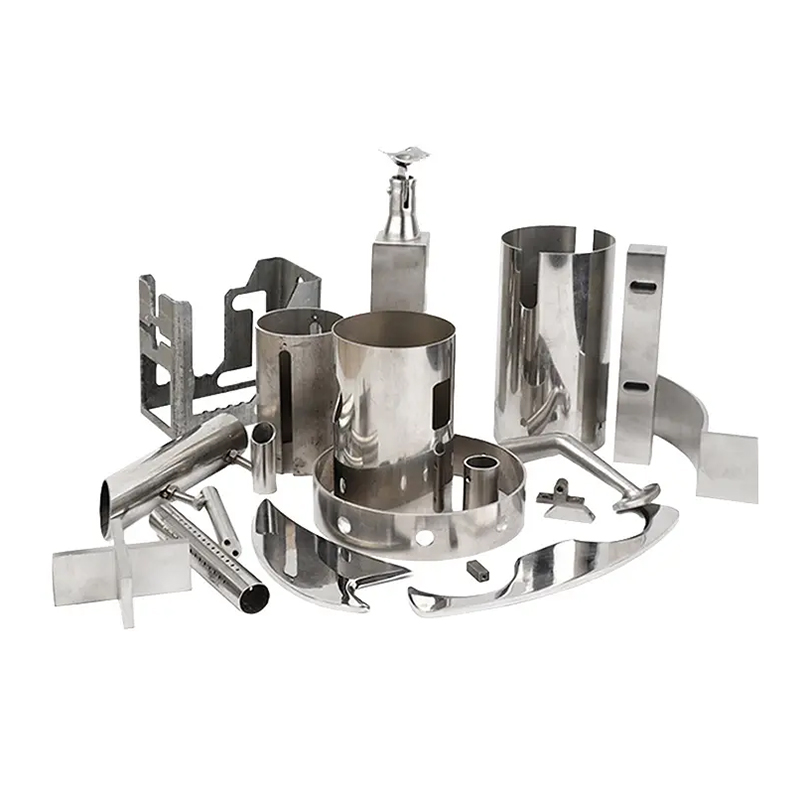
Large ESS units need strong parts. San Jun Hardware picks materials like cold-rolled steel (SPCC), galvanized steel, and 304/316 stainless steel for their toughness and natural resistance to flames. Metal cases contain trouble better than plastic ones if a battery acts up, keeping fire from moving outward. We add ribs and supports in key spots during building to carry the heavy weight of battery packs while keeping the whole frame stiff.
Storage systems often sit outside in rough conditions, from salty seaside air to polluted factory areas. To reach a 15-to-20-year working life, outer coatings prove essential. We draw from past work on Outdoor Custom Digital Signage Shells (IP65) and use powder coating, fluorocarbon spray, or anodizing. Thickness and stickiness get checked carefully, including salt spray tests, so rust never weakens the structure.
In ESS work, close counts for everything. Small errors can let in moisture or cause shorts that lead to breakdown.
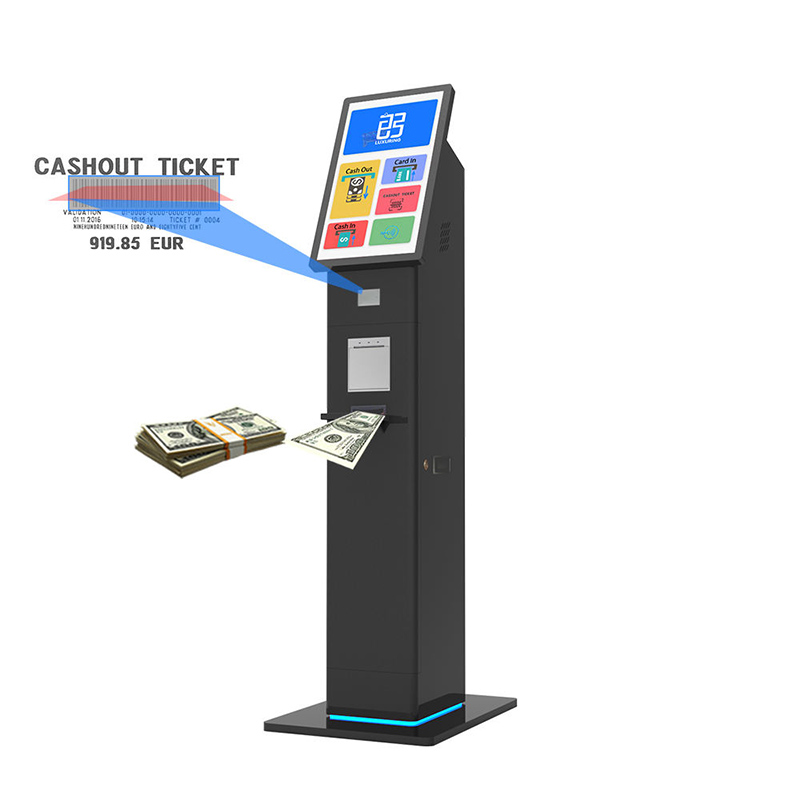
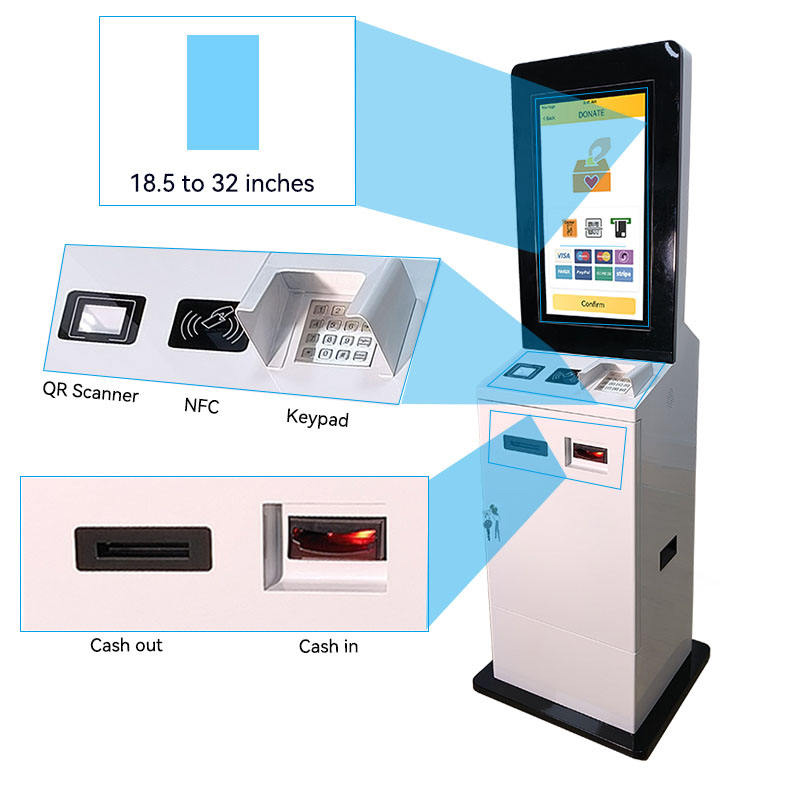
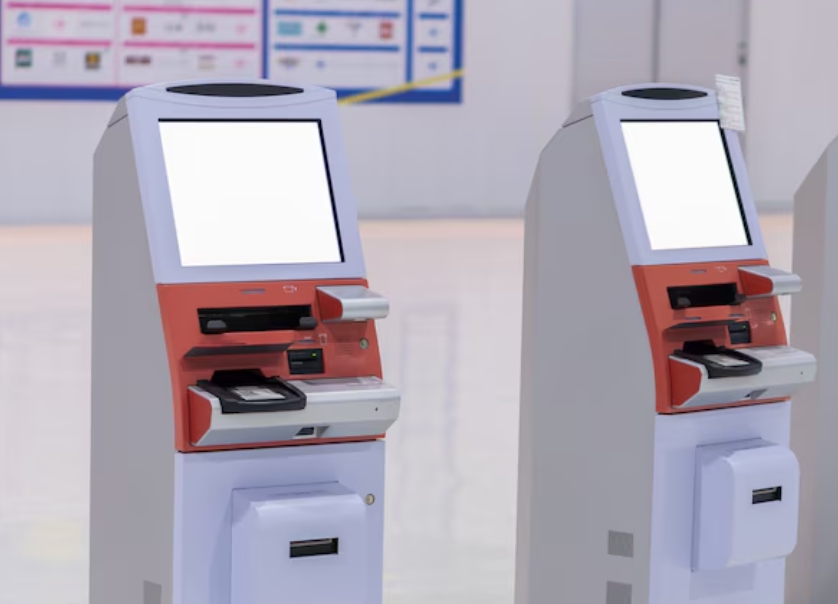
Dust and water often trigger electrical faults in the power gear. San Jun Hardware focuses on reaching IP54 and IP65 ratings. Tools like AMADA EM2510 CNC punch presses and multi-axis CNC press brakes give tight fits—usually ±0.1mm on cuts and ±0.4mm on bends. This accuracy keeps door edges even and gaskets snug, forming a solid seal against outside air. Lessons from making an IP65 self-service terminal integrated machine shells help us build better seals for storage cabinets.
Batteries and parts swell and shrink with temperature changes. Poor fits can warp panels or loosen joints over time. San Jun Hardware runs Design for Manufacturability (DFM) checks to spot bend-back issues and fit problems early. Every hole, bracket, and connector lines up right, even in hot or cold running conditions. This cuts strain on the battery packs inside.
Handling heat stands out as the biggest safety concern in ESS layouts. Poor cooling shortens battery life and raises fire chances sharply.
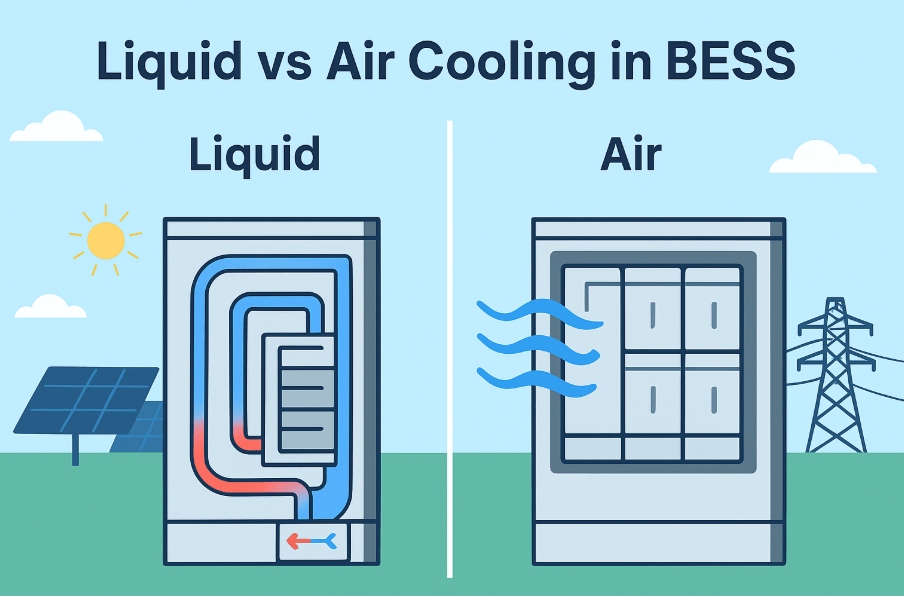
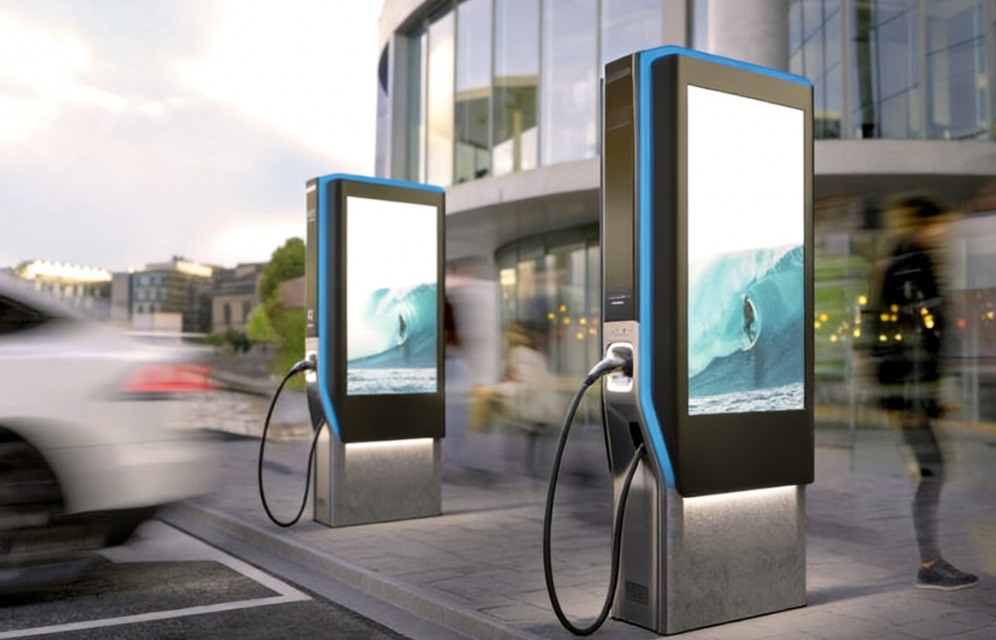
The case needs to work like a cooler. We shape vents, fan holders, and inner guides to move fresh air past the battery rows. Experience with ultra-high voltage (UHV) EV charger shells (250kW–480kW) that face heavy heat loads helps here. We use 4000W fiber laser cutters for exact vent patterns that boost air movement without hurting the IP rating.
Many current ESS setups use liquid lines or air conditioners. San Jun Hardware builds cases with ready plates and openings for those units. Our lines adjust easily to add spots for fire sensors and extinguishers in the best places. This full view of the shell and inner parts explains why large power companies pick us for long-term work.
Since starting in 2010, San Jun Hardware has run a 5,000-square-meter shop focused on top-level sheet metal work. We have earned trust for delivering strong quality at fair prices across medical, power, and new energy fields.
We do more than build—we help improve designs. Fifty skilled sheet metal engineers offer full OEM/ODM guidance. We put 10% of yearly earnings into research to keep up with changes. DFM reviews cut waste and speed assembly, and we often send samples in 3-7 working days to move projects along.
From a few test pieces to full runs, our setup changes to fit without costly molds. Checks follow ISO 9001:2008 rules, covering every main step from welds to final paint. Worldwide shipping experience gets large cases to customers safely in strong packing.
Some projects call for just ten cabinets to test a new layout. Others need thousands for a big solar farm rollout. We have handled both without delays. Teams in remote sites, like desert storage farms, rely on cases that arrive undamaged and ready to bolt together.
An energy storage system’s safety depends on every part holding strong. Good materials, exact building, and smart heat handling let these units run reliably for many years. At San Jun Hardware, we bring 15 years of know-how and modern tools to create solid sheet metal answers for a cleaner tomorrow. From hospital kiosks to UHV chargers and detailed storage cases, we turn drawings into carefully made products.
A: We suggest galvanized steel or 304/316 stainless steel combined with high-durability powder coating to ensure long-term corrosion resistance and structural safety in outdoor environments.
A: Yes, we utilize CNC precision bending and specialized sealing technology to meet IP54, IP65, or even IP66 standards for waterproof and dustproof protection.
A: Absolutely. Our engineers provide DFM (Design for Manufacturability) analysis to optimize structures, reduce material waste, and improve assembly efficiency without sacrificing safety.
A: After the drawings are confirmed, we can typically produce and deliver a custom sheet metal sample within 3 to 7 working days using our mold-free production process.
























Leave a comments