
Nullam dignissim, ante scelerisque the is euismod fermentum odio sem semper the is erat, a feugiat leo urna eget eros. Duis Aenean a imperdiet risus.
Nullam dignissim, ante scelerisque the is euismod fermentum odio sem semper the is erat, a feugiat leo urna eget eros. Duis Aenean a imperdiet risus.
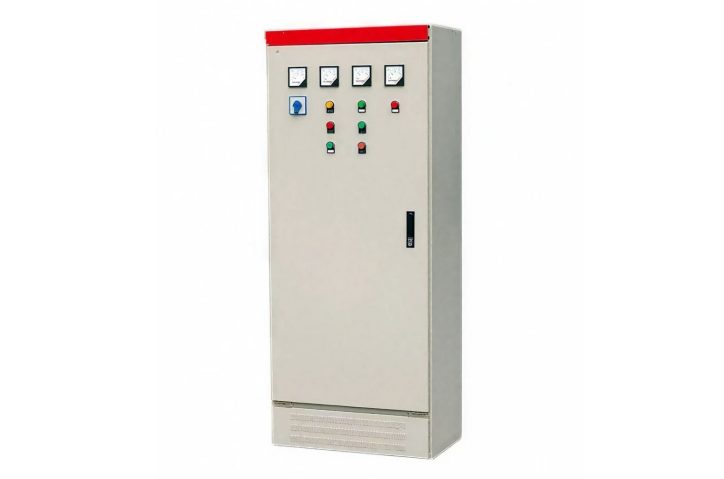
Electrical setups power daily life, from hospital rooms to new energy stations. Their steady work and safety often depend on one key part that gets little notice: the power cabinet shell. With high voltage, tough settings, or vital gear, common ready-made cabinets bring too many risks. These include breakdowns, shorter use time, and dangers to people. Switching to custom sheet metal power cabinets goes beyond a simple improvement. It becomes a needed move for full electrical safety.
In active areas like power supply, new energy, and special machines, electrical boxes must hold parts and shield them from outside harm. They also control the inside conditions. Electrical safety begins with strong physical cover, which usual boxes often lack in unique fits or hard-to-reach places. Custom sheet metal work allows an exact building matched to the parts’ needs. This gives better safety and lasting results where off-the-shelf options fail.
Custom boxes offer more than basic housing. They built in special safety steps right from the start. This matters for guarding costly and complicated electrical items.
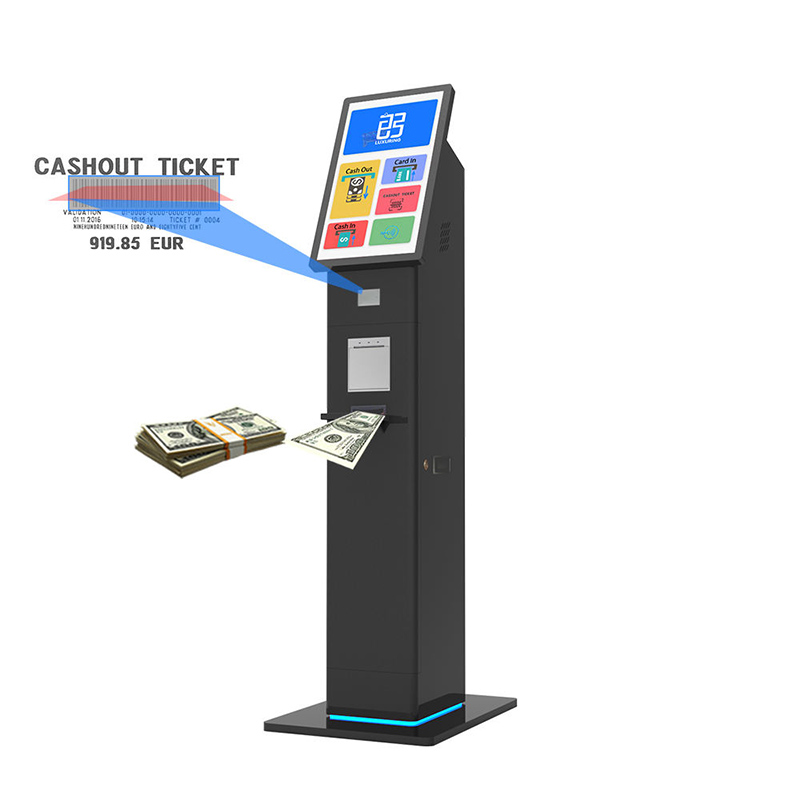
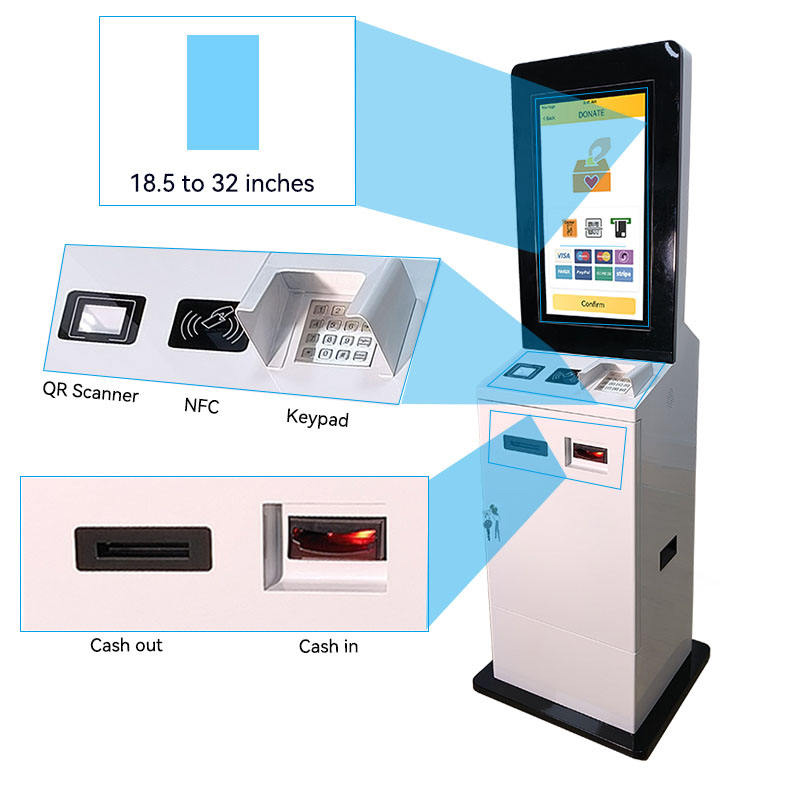
Usual boxes follow broad rules, but custom work handles project-specific details. These include inner part placement, special mount spots, and easy access for fixes. For power service self-service terminals, custom shells need fine accuracy for curved parts. This keeps reliable function in busy public spots. Custom plans add exact items like lock-free air-spring doors and close-seal systems. These cut unwanted entries while meeting tough industry strength rules. The custom approach matches every piece to the plan, smoothing supply steps and speeding product launch.
A main job of electrical cabinets is to keep delicate electronics away from outside damage. Custom boxes meet important protection levels. In open or public areas, high ingress protection (IP) ratings prove vital. Custom builds reach standards like IP54 or IP65. These blocks dust and water, keeping systems running without stops.
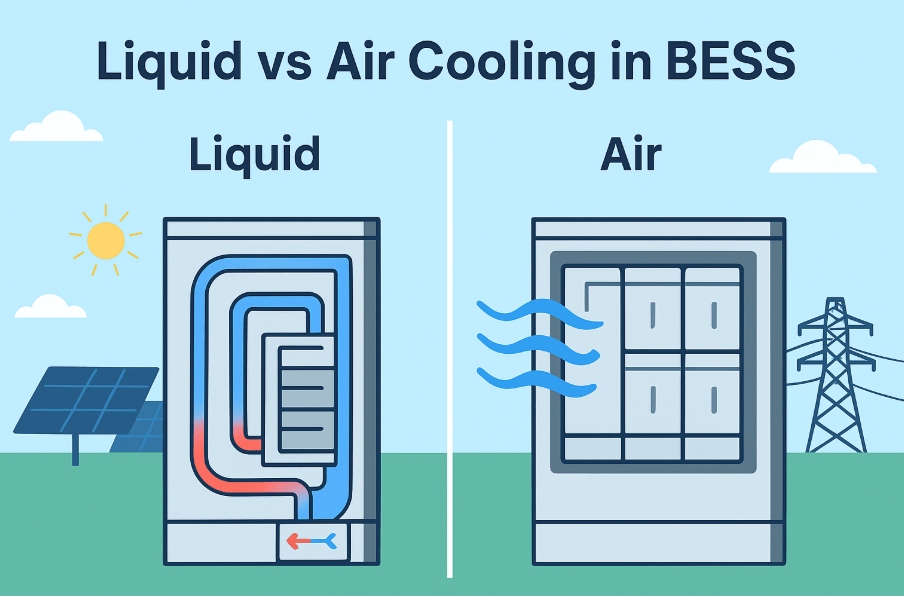
High-power setups in new energy fields create lots of heat. Bad heat handling brings big risks. Custom sheet metal plans aid good heat release with placed vents, sinks, or built-in cooling. This balances firm structure with work needs. The careful heat setup guards parts from too much warmth, stopping failures and adding safe use years.
Cabinet safety ties straight to build quality. Custom sheet metal making uses careful factory steps. These steps help the end product stand up to its setting’s pressures.
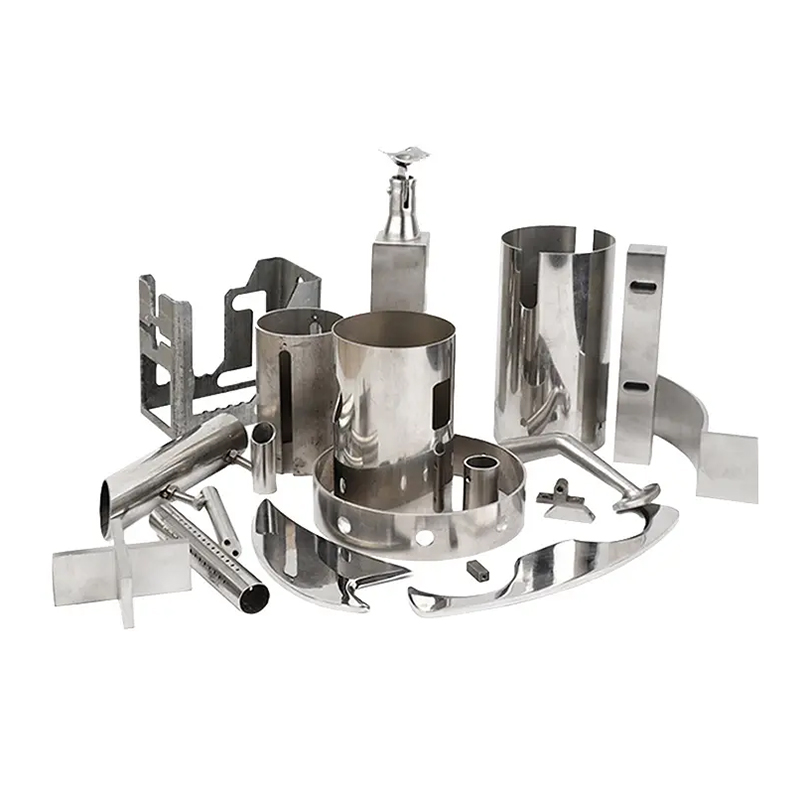
Picking the base material forms the start of electrical safety and a long cabinet life. Sheet metal comes from options like cold-rolled steel (good for shaping and strength), galvanized steel (strong against rust, common outside), and stainless steel (great rust fight and solid properties, fits medical gear).
For electrical cabinets, rust resistance counts heavily. Rust can weaken the build and ground links, creating real dangers. Custom makers choose and treat the material for the expected place. This might mean thick steel for vending units or fine stainless and aluminum for general toughness.
Building strength keeps the box sealed and tough under load. Modern machines and steady steps reach this accuracy.
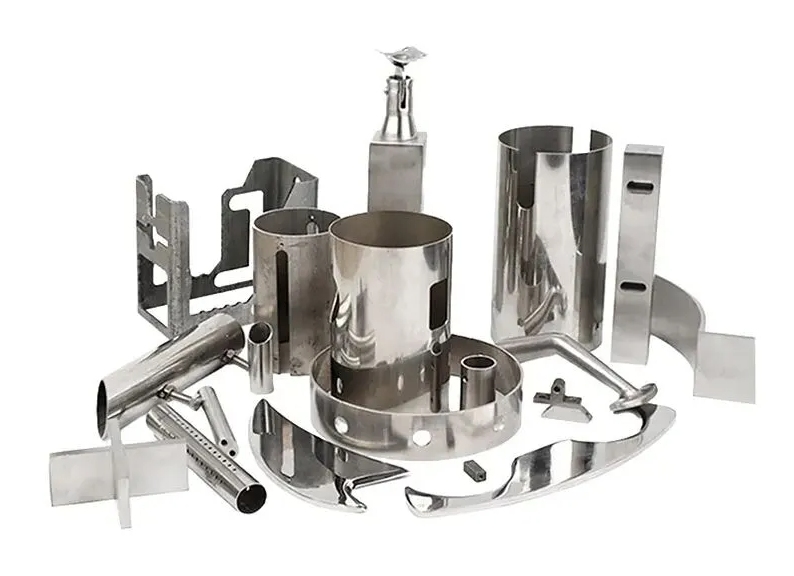
The last safety step comes from surface work. It boosts lasting power and guards against outside factors. Steps like powder coating and plating follow making. They improve looks and, most importantly, stop rust. Powder coating gives a hard finish. Robot systems apply it for flawless cover that meets needs, as matte looks for power terminals. In hot settings for UHV EV chargers, special high-heat powder lines keep the structure and appearance.
Need for fine custom electrical shells grows in many fields where steady work allows no breaks. These include display, education, medical, power, home, and new energy uses.
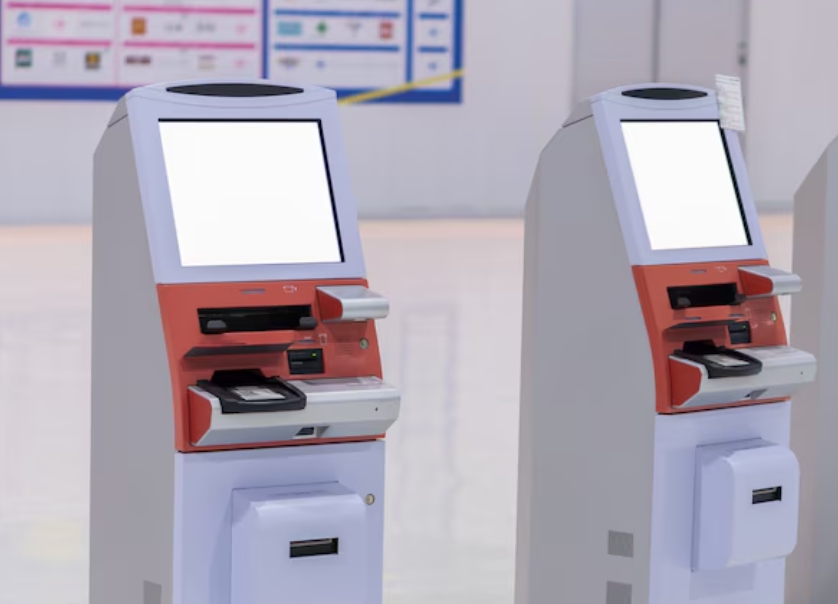
In public setups, electrical parts sit in self-service terminals or utility kiosks. These need tough shells for constant heavy use while guarding power units. Custom sheet metal for power service terminals balances detailed shapes with reliable long-term work. It handles arc bending and strict door gaps for safety and rules like IEC 60529. Custom making’s steady structure keeps key electrical parts safe and working, cutting stops and fix costs.
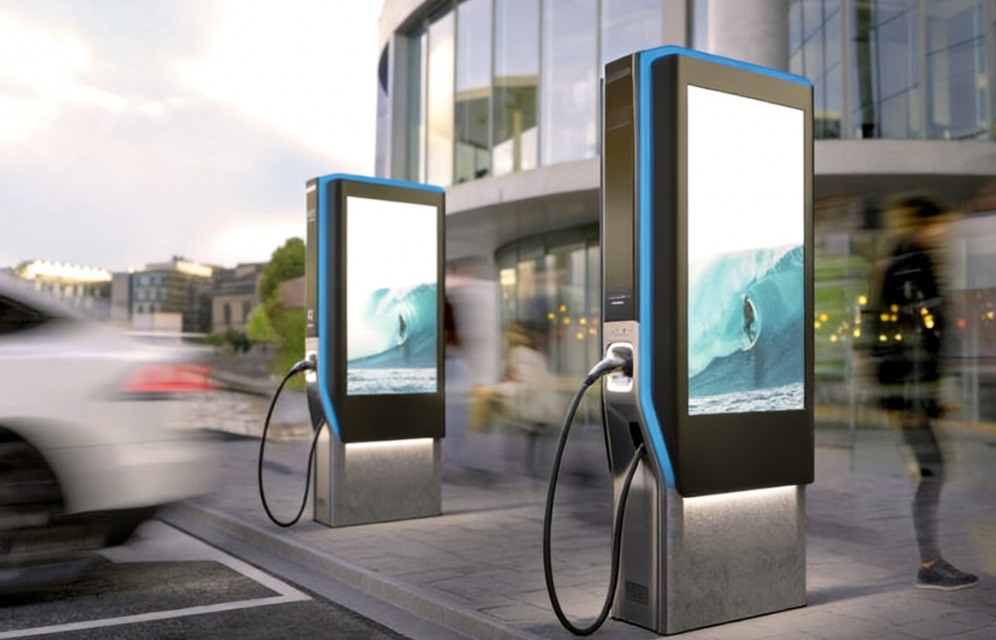
New energy brings special safety issues, mainly with ultra-high voltage (UHV) gear like high-power EV chargers. Unlike usual systems, UHV units face big heat, thick cables, and high voltage insulation in round-the-clock runs. Custom sheet metal work delivers frames that match these needs with a steady build. Fiber laser cutters and robot welding help. These shells give needed guard to meet strict world rules like IEC 61851-23 and UL 2202, offering long field toughness.
For companies needing steady, safety-focused custom sheet metal, working with a skilled maker matters. San Jun Hardware is a sheet metal processing manufacturer integrating production and sales, established in 2010 with a 5,000 square meter factory area. We focus on custom sheet metal parts for power and new energy, plus display, education, medical, and home fields.
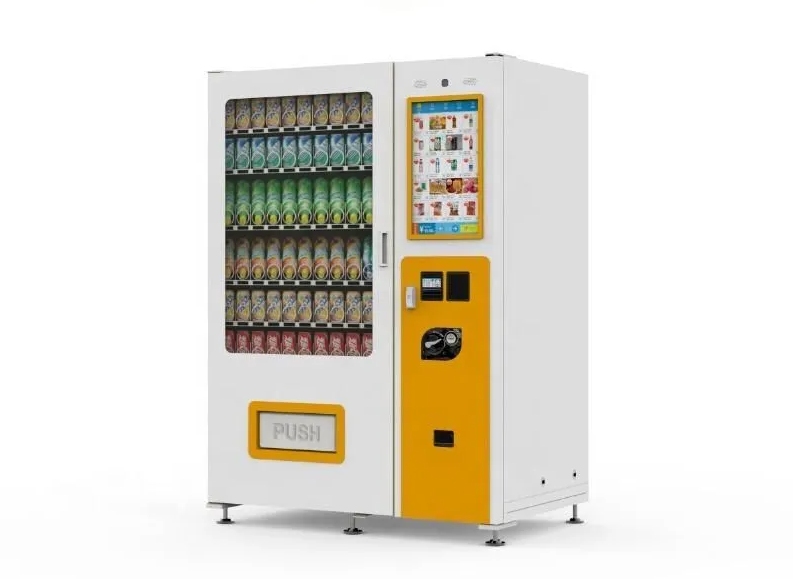
Our main aim is to bring high-quality sheet metal goods. A team of 50 skilled sheet metal engineers backs this, along with a follow-up of GB/T19001-2008 (idt ISO9001:2008) quality rules. We use modern tools like AMADA CNC press brakes and CNC punch presses. These offer custom work without early tooling, giving fast replies and quality from customer plans. San Jun Hardware helps customers improve making value, acting as a long-term partner for top quality and good costs.
A: We commonly use cold-rolled steel, electrolytic steel, galvanized steel, and stainless steel, selected based on the required strength and corrosion resistance for the application.
A: We typically quote within 24 hours of receiving an inquiry. Once drawings are confirmed, samples are usually ready for delivery in 3–7 working days.
A: We operate based on the GB/T19001-2008 (idt ISO9001:2008) Quality Management System requirements to ensure product quality excellence.
A: Custom enclosures can be engineered to meet industrial durability and safety standards such as IP54/IP65 (for dust and water resistance), IEC 60529, and compliance standards like UL and CE, depending on the client’s specifications.
























Leave a comments