
Nullam dignissim, ante scelerisque the is euismod fermentum odio sem semper the is erat, a feugiat leo urna eget eros. Duis Aenean a imperdiet risus.
Nullam dignissim, ante scelerisque the is euismod fermentum odio sem semper the is erat, a feugiat leo urna eget eros. Duis Aenean a imperdiet risus.
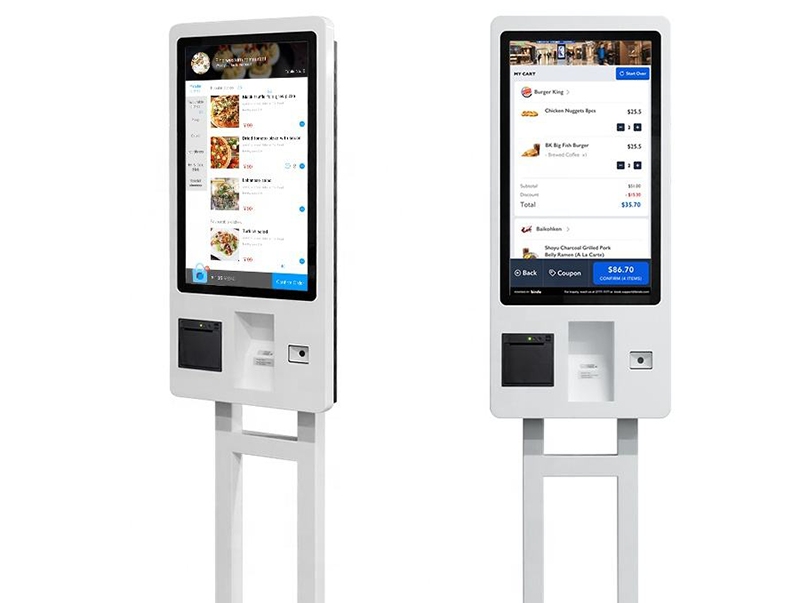
Most people look at a kiosk, a medical device, or an outdoor digital sign and never think twice about the metal box around it. Big mistake. That box is the difference between a product that lasts ten years in the rain and one that dies the first summer. It keeps dust out, spreads heat away from the circuit boards, stops vandals, and makes the whole thing look professional instead of cheap. Get the enclosure wrong and nothing else matters—your fancy touchscreen will still fog up, overheat, or get pried open in a parking lot.
Off-the-shelf boxes almost never fit right. You end up drilling extra holes, adding ugly fans, or stuffing components where they don’t belong. That’s why real companies go custom. San Jun Hardware has been doing exactly that since 2010—turning sketches into finished metal shells that match the design perfectly, no weird compromises. One trip through our shop and the parts come back ready to bolt together and ship.
Before anyone cuts metal, you have to know where this thing is going to live and what it has to survive.
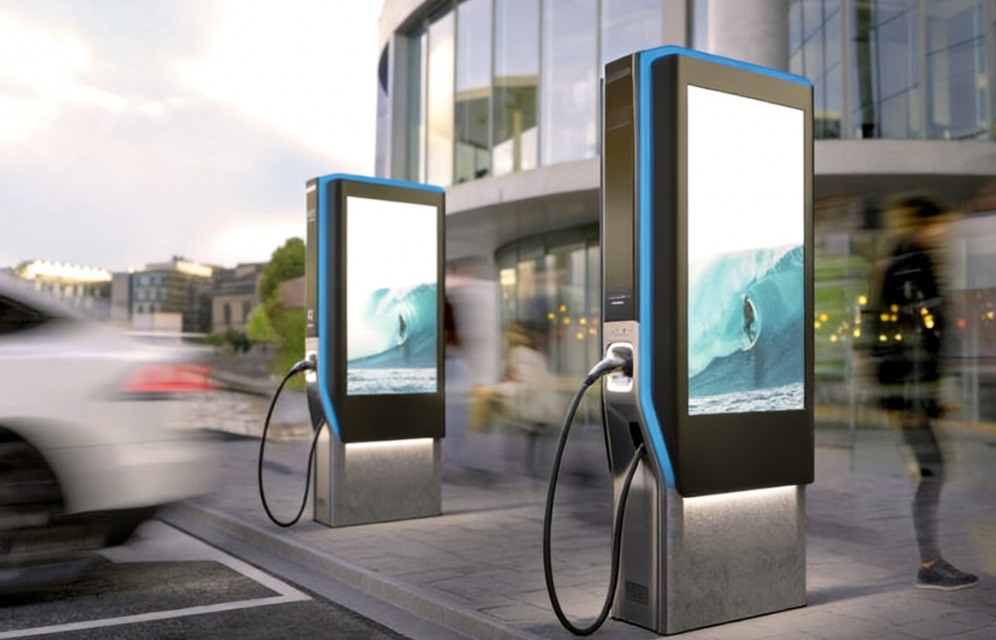
If the box is going outside—think bus-stop ads, EV chargers, or parking payment machines—water and dust are the enemy. IP65 is the sweet spot most customers ask for. It means no dust gets in, and the thing can take a hose from any angle without leaking. San Jun Hardware builds the Outdoor Custom Digital Signage Shell IP65 and the IP65 Self-service Terminal Integrated Machine Shell exactly to that standard.
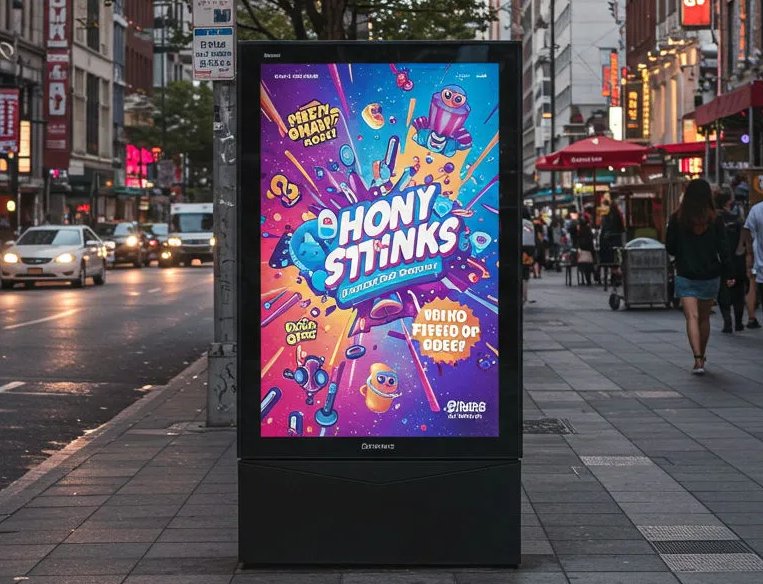
Electronics hate getting hot or cold. Our outdoor boxes work from −40 °C to 60 °C without complaining. They’ll stand up to 150 km/h wind and take a sledgehammer hit (IK10 rating) and keep running. A chain of gas-station payment terminals we built took a direct baseball bat hit from a frustrated driver—the screen cracked, but the machine stayed online and finished the transaction.
People touch kiosks all day long. The metal has to feel solid, not flimsy. Corners need to be smooth so nobody slices a finger. Doors have to open easily for the tech who’s swapping a hard drive at 2 a.m., but stay locked tight the rest of the time. We’ve built hospital check-in kiosks that look calm and clean in a waiting room, yet open in ten seconds when the IT guy shows up.
Good locks are only half the battle. The whole box has to stay square after years of people leaning on it. We make odd-angle brackets in-house so nothing wobbles. Kids often shook old vending machine cabinets, jamming the coin mechanism, but our new enclosures remain completely steady.
Stainless laughs at rust—perfect for hospitals or seaside kiosks. Cold-rolled steel costs less and bends more easily, so we use it for indoor machines or when the budget is tight. Galvanized steel is the go-to for outdoor stuff that isn’t right on the ocean. Hospitals often choose stainless steel for blood-donation kiosks because cleaning staff hose down all equipment with bleach every night.
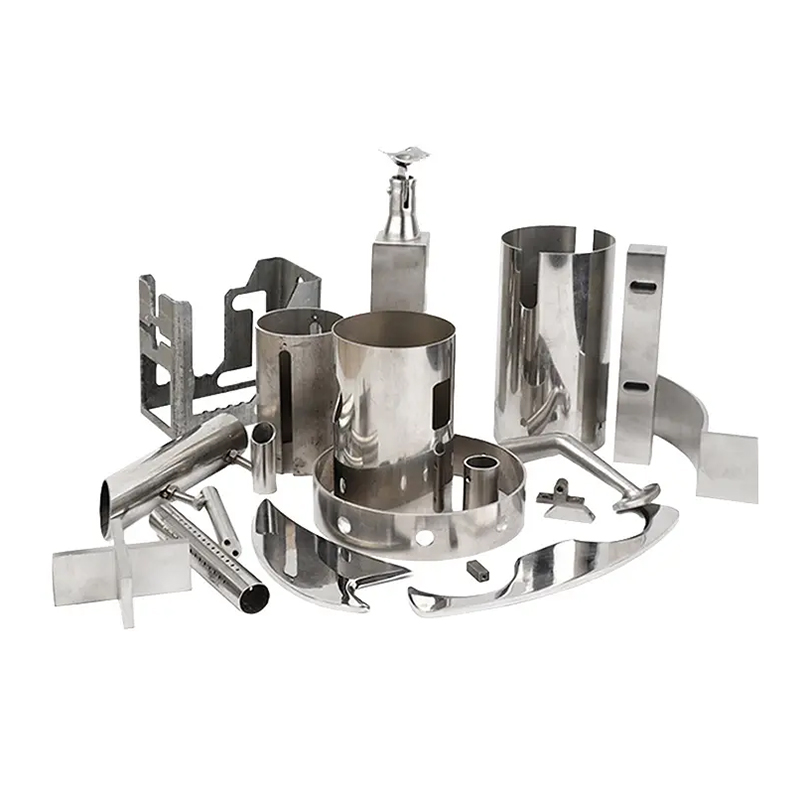
If two parts are supposed to line up and one is off by half a millimeter, you’re drilling new holes on site. Nobody wants that. Our 3000W laser and AMADA CNC machines hold ±0.1 mm all day long on material from 0.5 mm to 2 mm thick. Customers send us drawings; when the parts arrive, they drop straight into the server cabinet with no filing, no swearing.
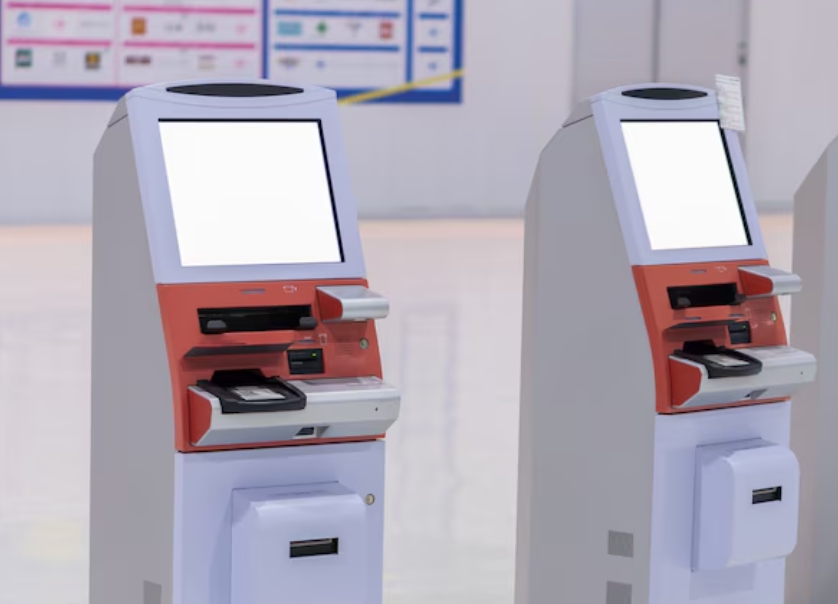
Hospital kiosks get touched by hundreds of nervous people a day. The metal has to look friendly but scream, “We clean this thing.” Rounded edges, powder-coated in soft colors, and still tough enough to survive a wheelchair crash. Patients tell us they actually feel calmer checking in because the machine doesn’t look like a junky ATM.
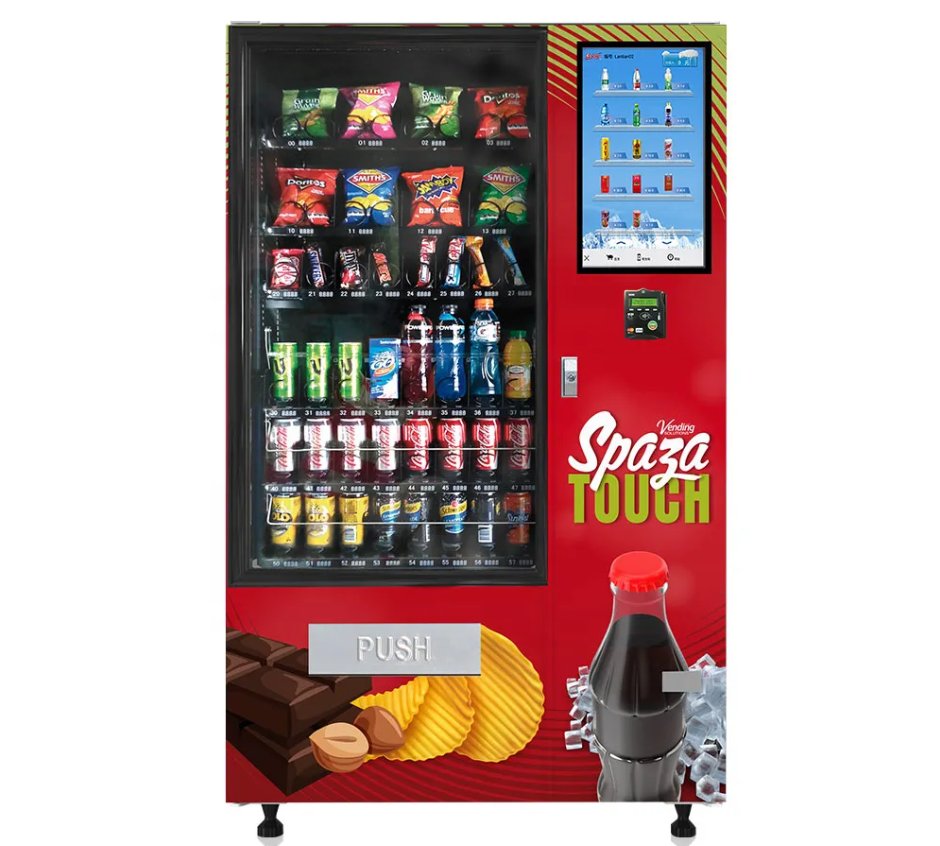
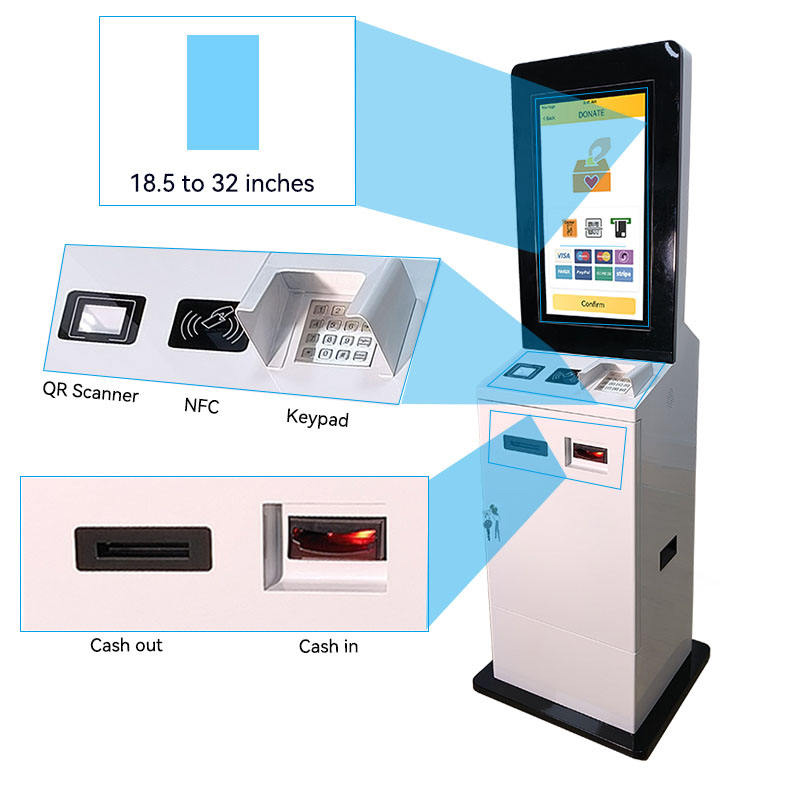
Smart vending machines need room for card readers, QR scanners, cameras, the works. Plus, real locks because people will pry anything that spits out snacks. We build in heavy-duty hinges and anti-pry lips. One coffee-vending client went from losing two machines a month to zero theft after switching to our cabinets.
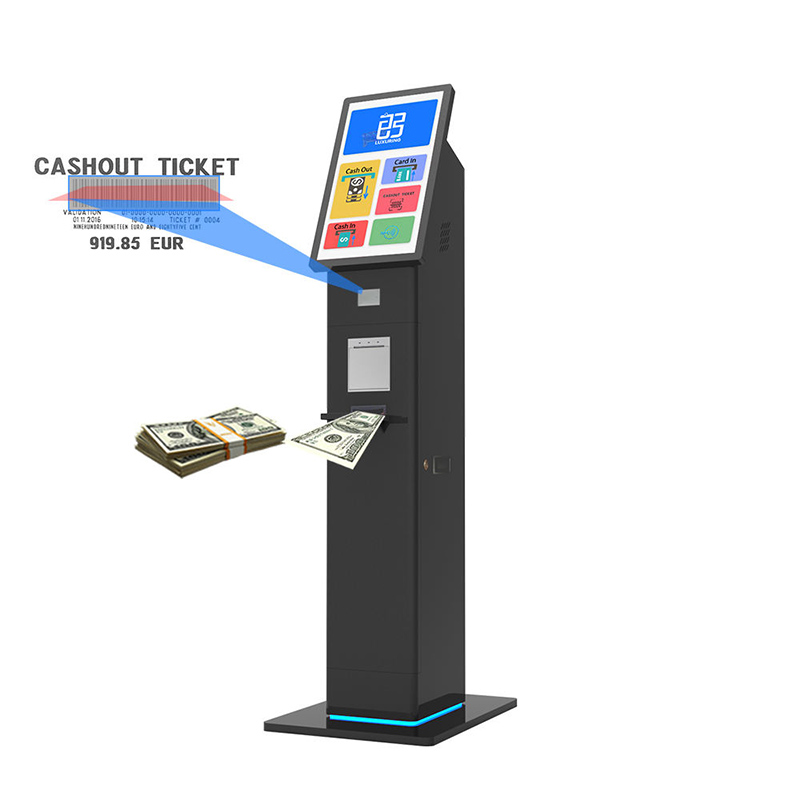
These are the big floor-standing touch-payment units you see in malls or train stations. Full Windows PC inside, infrared touch overlay, speakers—everything has to stay dry and cool. We seal every seam, add filtered fans, and test the finished box with a pressure washer before it leaves the shop.
Plain metal looks sad after one summer outside. We powder-coat in any RAL or Pantone color you want—matte, gloss, whatever. For outdoor signs, we add anti-UV and anti-graffiti top coats. Even though teenagers tag our cabinets every weekend, you still can’t tell they’ve ever been cleaned.
It starts with a flat sheet. Laser or CNC punch cuts the shape, then the bending guys turn it 3D on AMADA press brakes. One wrong bend angle and the door won’t close—we don’t have that problem.
MIG, TIG, or spot weld, depending on the joint. Then studs, nutserts, hinges—everything goes in before paint, so nothing rattles loose later. Final check: we bolt the whole thing together exactly like the customer will and shake it on the table. If nothing moves, it ships.
We’ve got a 5,000-square-meter shop packed with CNC punch presses (XP1250X and AMADA EM2510), a big laser cutter, and AMADA brakes. Every year, we put 10% of profits back into new tools and training. That’s how you stay good at this job.
No molds, no minimums that make you cry. Send us a drawing (even a napkin sketch) and we’ll cut one piece or a thousand. Samples are usually ready in 3–7 days once the price is set. Customers love that they can test a real metal part before committing to a full run.
Don’t just pick a box—pick the right box. Think about where it’s going, how hot or wet it gets, who’s going to kick it, and how long you want it to last. Then call someone who actually builds this stuff every day. San Jun Hardware turns your CAD file into a tough, good-looking shell that does the job for years instead of months.
A: Usually within 24 hours after we see your drawings.
A: Once price and drawings are confirmed, it will take 3–7 working days, and the sample is on its way.
A: Yes, we’ll make one piece or a hundred—no molds, no giant minimums.
A: Up to IP65/IP66, good from −40 °C to 60 °C, takes 150 km/h wind and IK10 hits without flinching.
























Leave a comments