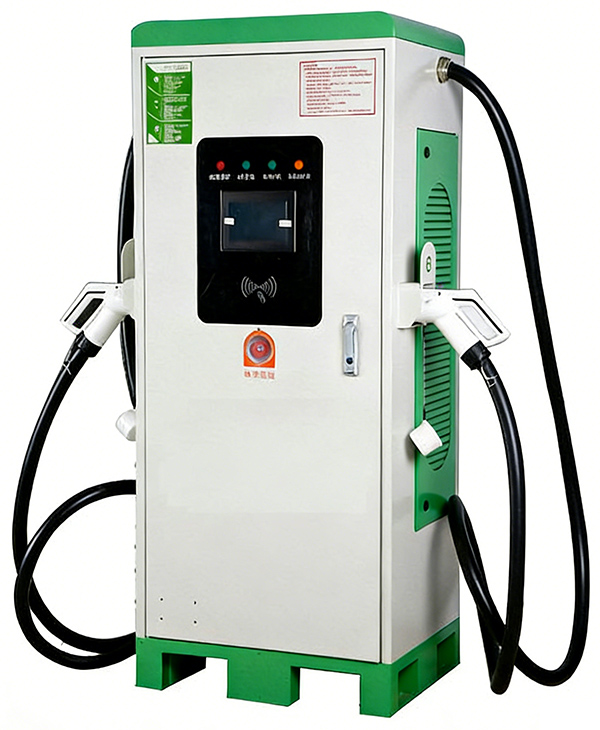
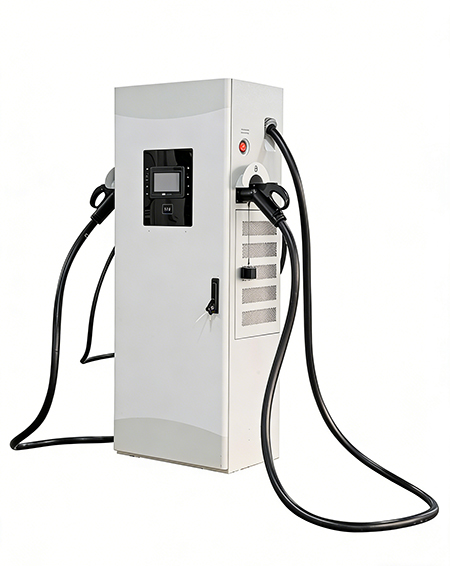
UHV chargers (250kW+) introduce distinct challenges that standard sheet metal designs cannot resolve:
- Ultra-High Heat Accumulation: 480kW charging generates 3x more heat than 150kW models, risking component burnout without targeted sheet metal heat dissipation.
- Heavy-Duty Cable Load: UHV charging cables (≥50mm² cross-section) weigh 15–20kg—standard sheet metal hooks warp or fail under long-term load.
- Ultra-High Voltage Insulation: 1000V+ output requires sheet metal to support electrical insulation gaps (≥20mm) while maintaining structural integrity.
- 24/7 Continuous Operation: Highway charging hubs run round-the-clock, demanding sheet metal with extreme fatigue resistance (no loosening/warping after 10,000+ charging cycles).
- Extreme Highway Environments: Salt spray (coastal highways), wind loads (open hubs), and UV radiation require higher-grade corrosion/weather resistance than standard outdoor chargers.
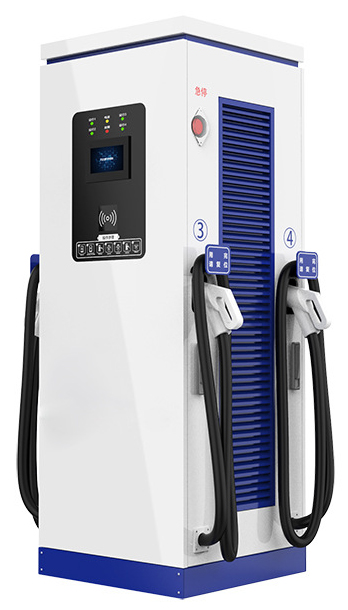
We design sheet metal structures tailored to UHV chargers’ unique demands, with modular designs adaptable to 250kW–480kW power ratings:
To mitigate 480kW charging heat (peak internal temp ≥80°C):
- Dual-Channel Sheet Metal Heat Dissipation:
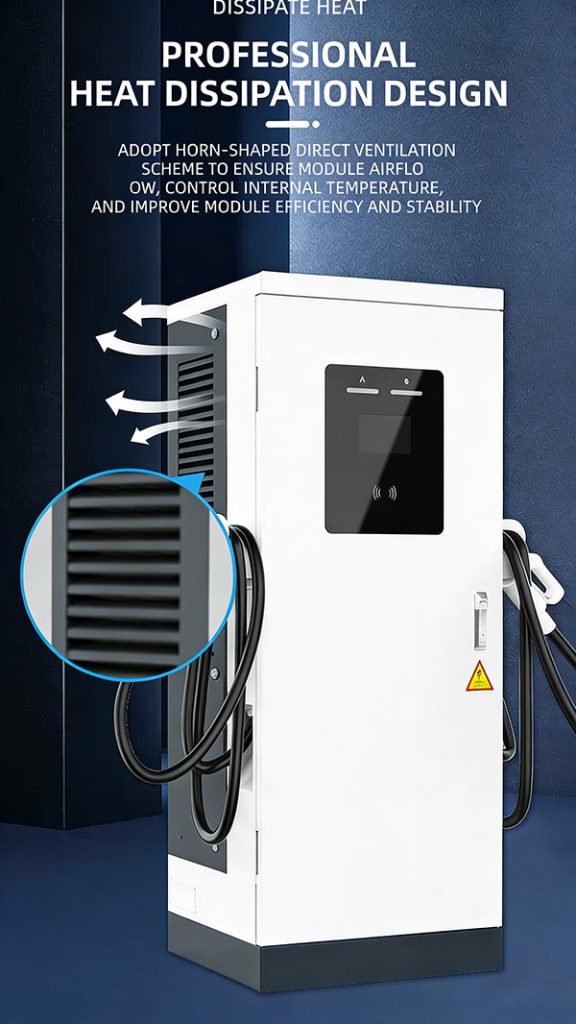
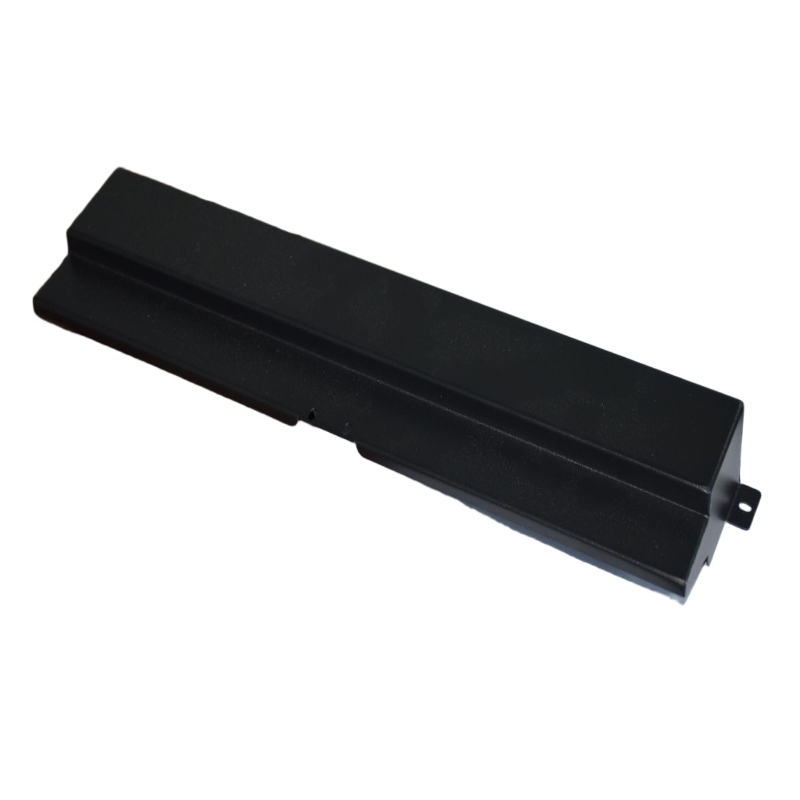
CNC-bent 1.5mm 6063-T5 aluminum side panels with laser-cut high-density louvered vents (2mm pitch, 45° angle)—creates dual airflow channels (front intake/top exhaust) that boost heat dissipation by 40% vs. standard single-channel designs.
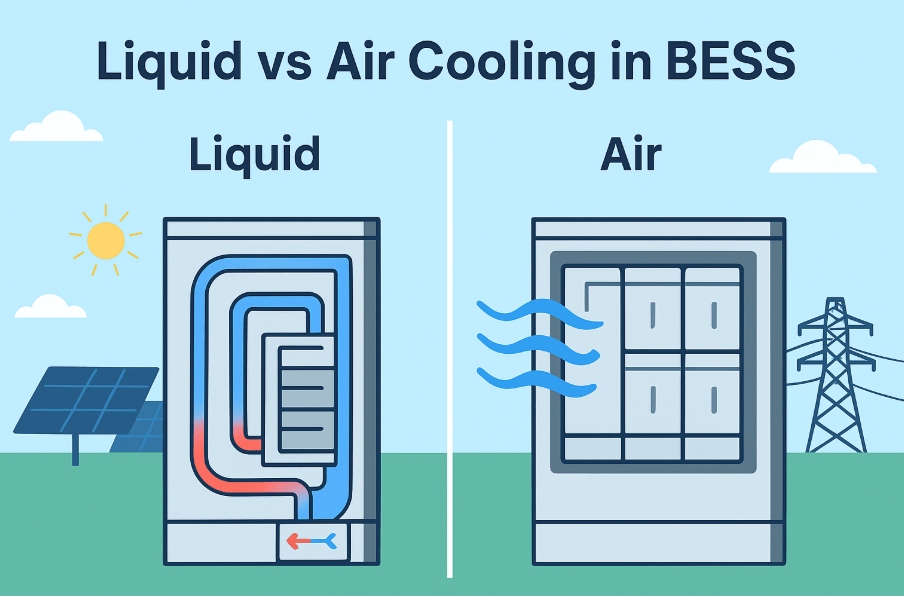
- Sheet Metal-Integrated Liquid Cooling Brackets:
Custom CNC-welded aluminum brackets (mounted inside the sheet metal frame) secure liquid cooling modules—directs 60% of heat away from power components via liquid circulation, complementing air cooling.
- Thermal Expansion Compensation:
Sheet metal joints use 0.5mm expansion gaps (calibrated via CFD thermal simulation) to prevent warping under 80°C–-20°C temperature cycles.
To handle 15–20kg UHV charging cables:
- Reinforced Cable Hook Assembly:
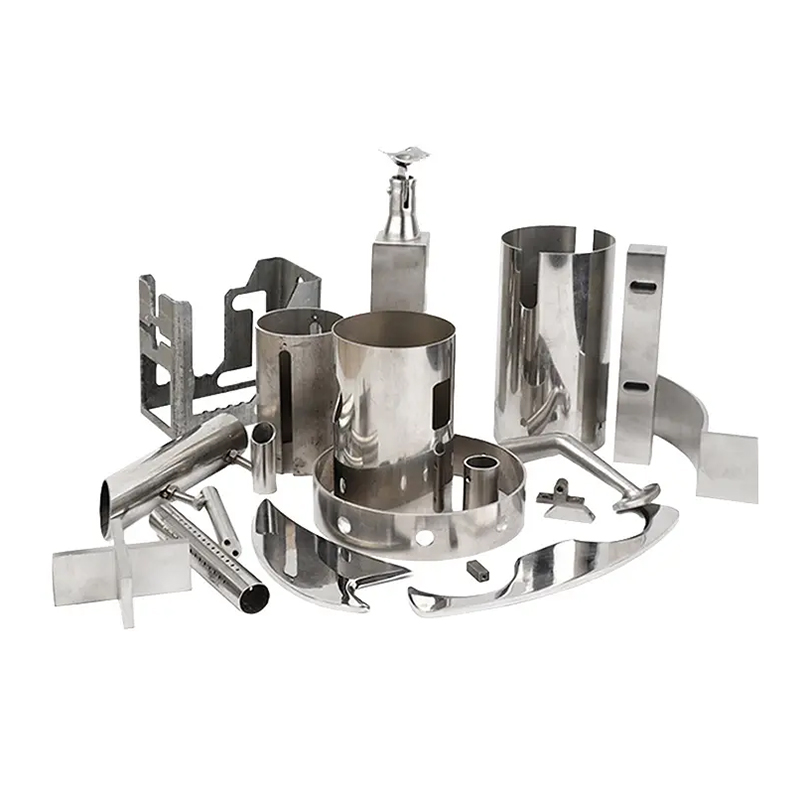
3mm 304 stainless steel hooks (robotic-welded to the sheet metal frame) with 10mm-thick ribbed reinforcement—tested to withstand 25kg static load for 10,000 hours without deformation.
- Cable Guide Channel Reinforcement:
Laser-cut 2.0mm SPCC steel channels (integrated into the sheet metal cabinet) with wear-resistant nylon liners—reduces cable friction and prevents sheet metal abrasion from frequent cable movement.
To meet 1000V+ electrical safety standards:
- Insulation Gap-optimized Sheet Metal Layout:
Laser-cut sheet metal panels with 25mm minimum insulation gaps between conductive components and cabinet walls—aligned with IEC 61851-23 UHV safety requirements.
- Insulation-Coated Sheet Metal Components:
Internal sheet metal parts (e.g., mounting brackets) receive 50μm-thick epoxy insulation coating—resists 1500V dielectric breakdown (tested per IEC 60243).
To sustain round-the-clock charging hub use:
- Robotic-Welded Frame Reinforcement:
2.5mm SPCC steel frame with robotic MIG welding (weld seam strength ≥400MPa) and cross-bracing—eliminates loose joints after 10,000+ charging cycles.
- Tamper-Resistant Fastener Integration:
Sheet metal panels use M6 torque-locking bolts (recessed 10mm into the frame) to prevent loosening from constant vibration (e.g., highway traffic).
To withstand coastal/desert highway conditions:
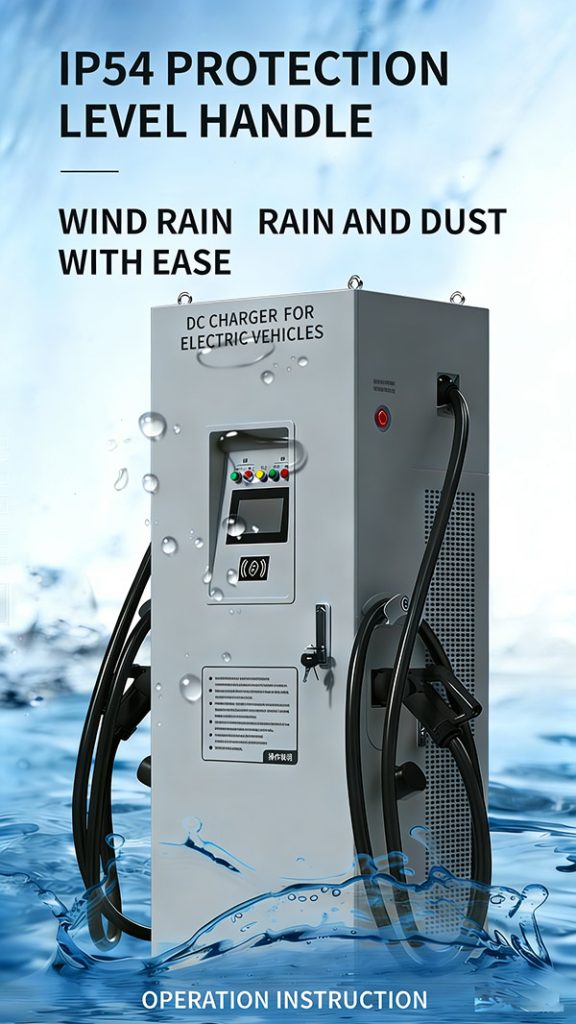
Our processes prioritize UHV-specific performance and reliability:
- UHV Thermal Simulation Review: CFD thermal analysis validates sheet metal vent layout and expansion gaps before production.
- Automated Precision Manufacturing: 4000W fiber laser cutters deliver ±0.05mm tolerance for insulation gaps; robotic welding ensures frame seam uniformity.
- UHV-Specific Testing:
- Heat dissipation: 4-hour 480kW charging cycle (internal temp ≤65°C).
- Cable load: 25kg static load test (10,000 hours, 0 deformation).
- Dielectric breakdown: 1500V insulation test (no leakage).
- Highway-Ready Packaging: Waterproof vacuum-sealed sheet metal panels + ISPM 15 crates with anti-vibration foam—prevents coating damage during long-haul shipping to remote highway hubs.
- Client: A European highway operator (200+ UHV charging hubs across 5 countries).
- Pain Points: 480kW chargers overheating in summer (35°C ambient), cable hooks warping after 3 months, and salt spray corrosion in coastal hubs.
- Sanjun’s Solutions:
- Dual-channel aluminum heat dissipation panels + liquid cooling brackets (internal temp reduced to 62°C).
- 3mm 304 stainless steel cable hooks with ribbed reinforcement.
- 316 stainless steel exterior panels (1500-hour salt spray resistance).
- Outcomes:
- 0 overheating-related downtime in 12 months of 24/7 operation.
- Cable hooks showed 0 deformation after 8,000+ charging cycles.
- 99.8% corrosion-free rate in coastal hubs.
- Client: A Chinese logistics firm (10,000+ electric heavy-duty trucks, 50+ depot charging stations).
- Pain Points: 480kW fast charging for 40-ton trucks generated excessive heat; 20kg charging cables warped standard sheet metal hooks; 24/7 depot operation caused frame loosening.
- Sanjun’s Solutions:
- Sheet metal-integrated liquid cooling brackets + dual-channel aluminum vents (cutting internal temp by 22°C).
- 3mm 304 stainless steel cable hooks with 10mm ribbed reinforcement.
- Robotic-welded 2.5mm SPCC steel frames with torque-locking bolts.
- Outcomes:
- Charging efficiency improved by 15% (faster truck turnaround).
- Cable hooks remained intact after 12,000+ charging cycles.
- 0 frame loosening reports in 9 months of continuous use.
- Client: A Singaporean EV infrastructure provider (15 urban supercharging stations, coastal locations).
- Pain Points: 32°C+ year-round ambient temp + 85% humidity caused heat buildup; salt spray corroded standard sheet metal; UV radiation faded cabinet finishes.
- Sanjun’s Solutions:
- Dual-channel aluminum heat dissipation panels (optimized for tropical temp).
- 1.2mm 316 stainless steel exterior panels (1500-hour salt spray resistance).
- 80μm UV-resistant powder coating (retaining color for 5+ years).
- Outcomes:
- Chargers operated stably in 35°C+ temp (internal temp ≤68°C).
- 0 corrosion after 18 months of coastal deployment.
- Finish fading rate <2% (vs. 15% for standard coatings).
Q: How does the sheet metal design handle UHV insulation requirements?
A: We engineer 25mm insulation gaps via precision laser cutting and apply epoxy insulation coating to internal parts—meeting IEC 61851-23 standards.
Q: Can the sheet metal support 480kW chargers’ cable weight?
A: Yes—our 3mm stainless steel hooks with ribbed reinforcement withstand 25kg static loads for 10,000+ hours.
Q: Lead time for 500-unit UHV charger sheet metal orders?
A: Prototyping (5 units): 10–12 days; mass production: 22–28 days (including UHV-specific testing).
Sanjun’s custom sheet metal solutions enable reliable, high-performance UHV EV charging—tailored to the most demanding highway and commercial hub environments. Contact our team to share your UHV charger specs and receive a tailored design proposal.
Would you like me to compile a UHV EV Charger Sheet Metal Technical Spec Sheet (including heat dissipation rates, cable load ratings, and compliance standards) to support your client bids?

























Leave a comments