
Nullam dignissim, ante scelerisque the is euismod fermentum odio sem semper the is erat, a feugiat leo urna eget eros. Duis Aenean a imperdiet risus.
Nullam dignissim, ante scelerisque the is euismod fermentum odio sem semper the is erat, a feugiat leo urna eget eros. Duis Aenean a imperdiet risus.
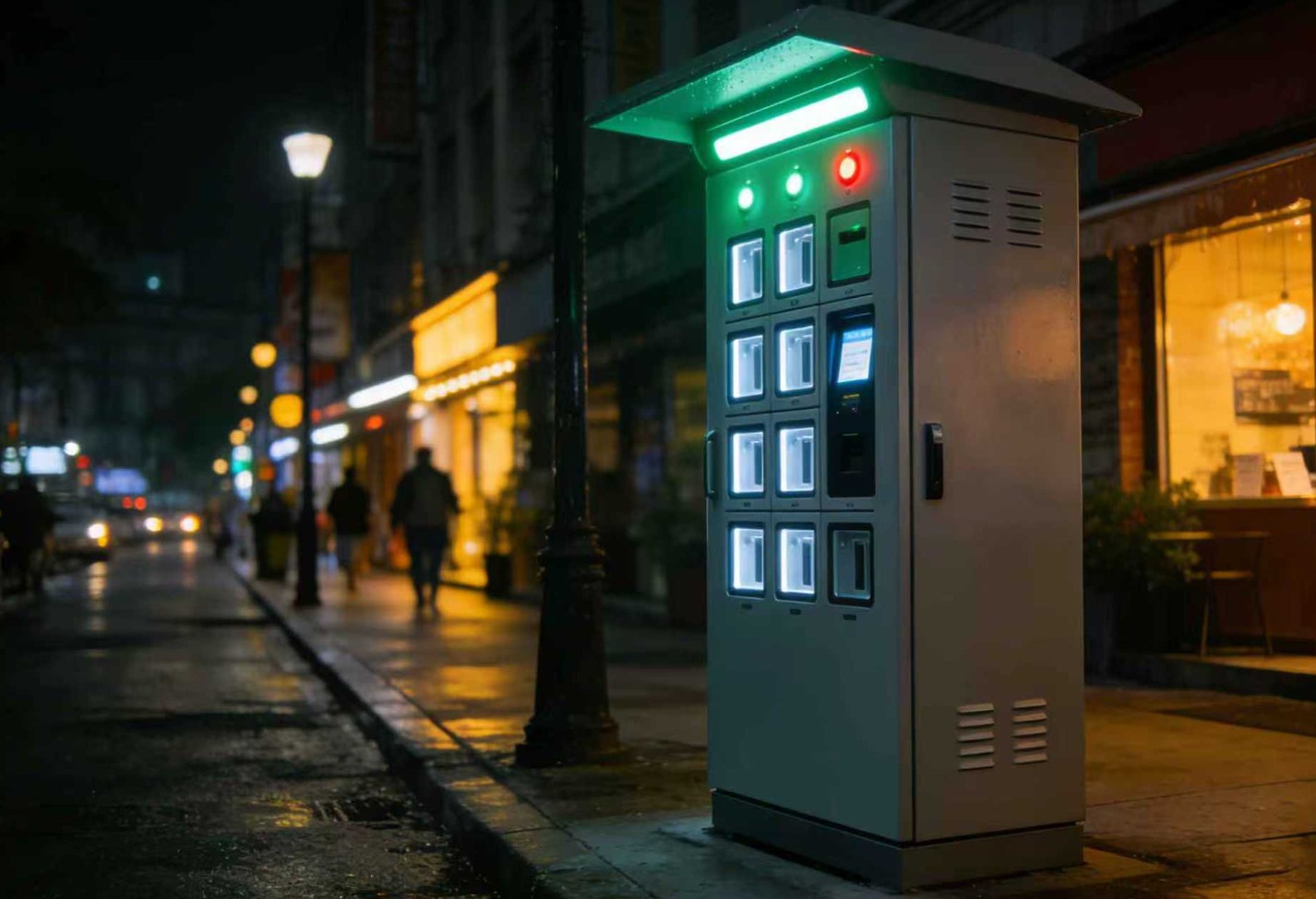
As the world moves faster toward renewable power and electric vehicles, most attention goes to the chemistry inside battery cells. For people running industrial sites and building energy projects, though, a key fact has become clear. The performance and lifespan of these power units depend heavily on the enclosures that hold them. Batteries react strongly to their surroundings, and the quality of sheet metal work plays a major role. San Jun Hardware, a top fabricator started in 2010, has worked for more than ten years to master the balance of accuracy, reliability, and quick turnaround needed to handle tough energy storage housing problems.
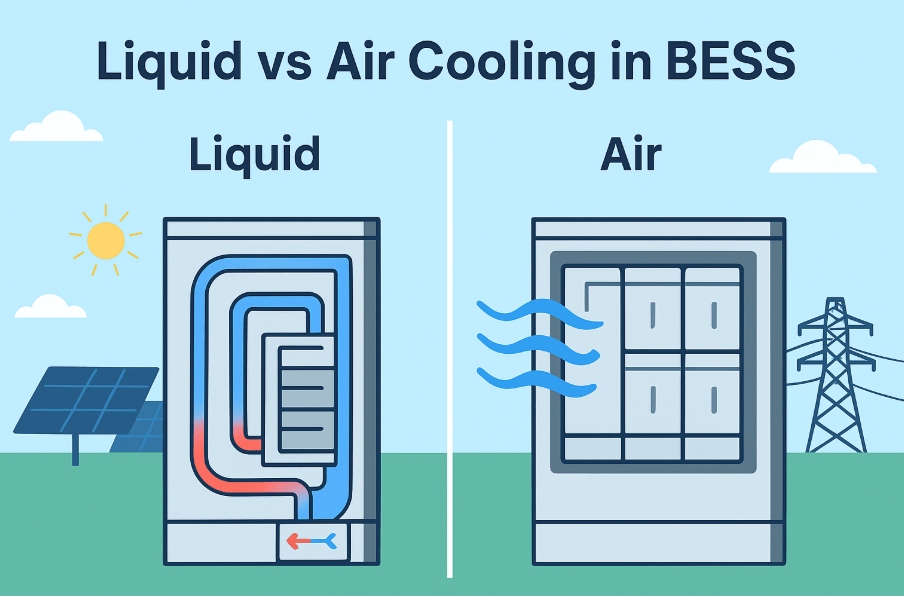
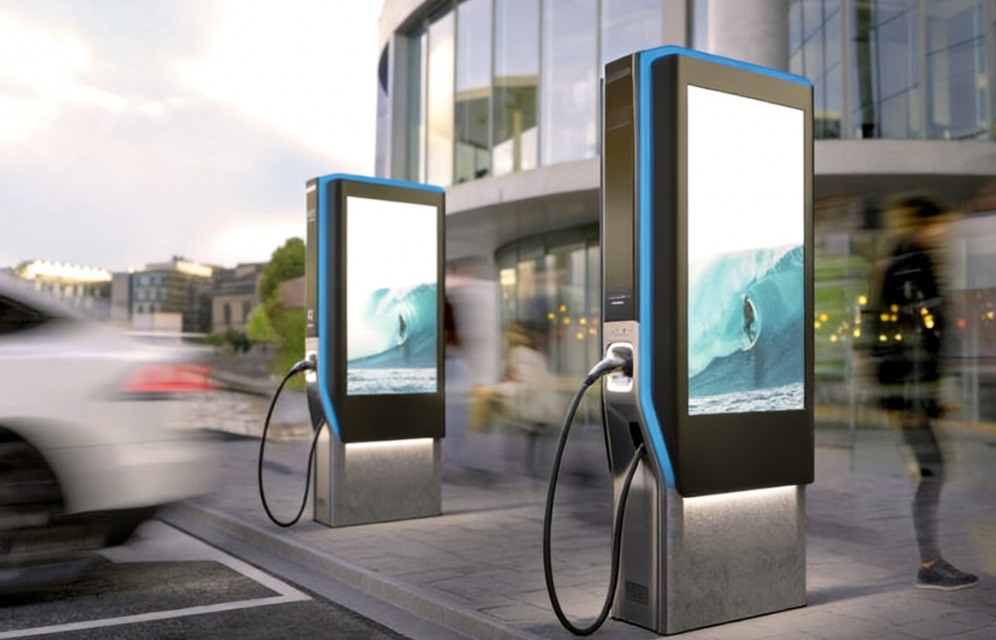
At the heart of any good power system lies steady operation. When batteries run hard—in 480kW ultra-high voltage (UHV) charging stations or busy shared power bank units—they produce a lot of heat. If the case does not handle that heat well, resistance inside the battery rises. This cuts efficiency and speeds up wear.
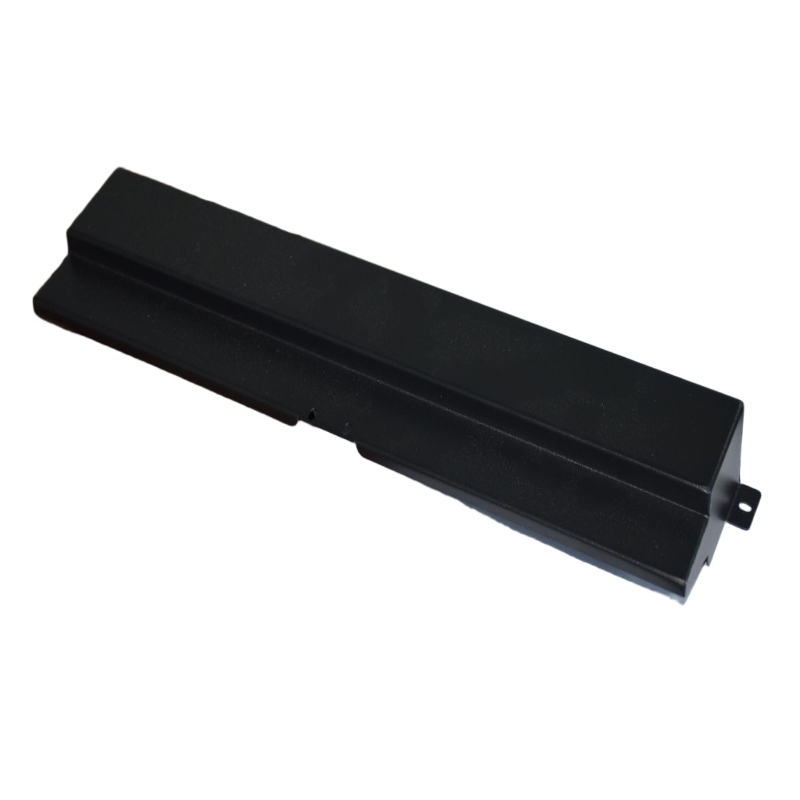
Good heat control begins with careful venting. San Jun Hardware uses 4000W fiber laser cutters that hold tolerances to ±0.05mm. This lets us cut detailed patterns of cooling holes. In high-power setups, we add slanted louver-style vents set at 30° to keep water out while letting air flow freely. We run fluid flow modeling to check the layout. These steps keep inside temperatures in the safe zone even when outside air reaches 45°C, and they can lower connector heat by as much as 12°C.
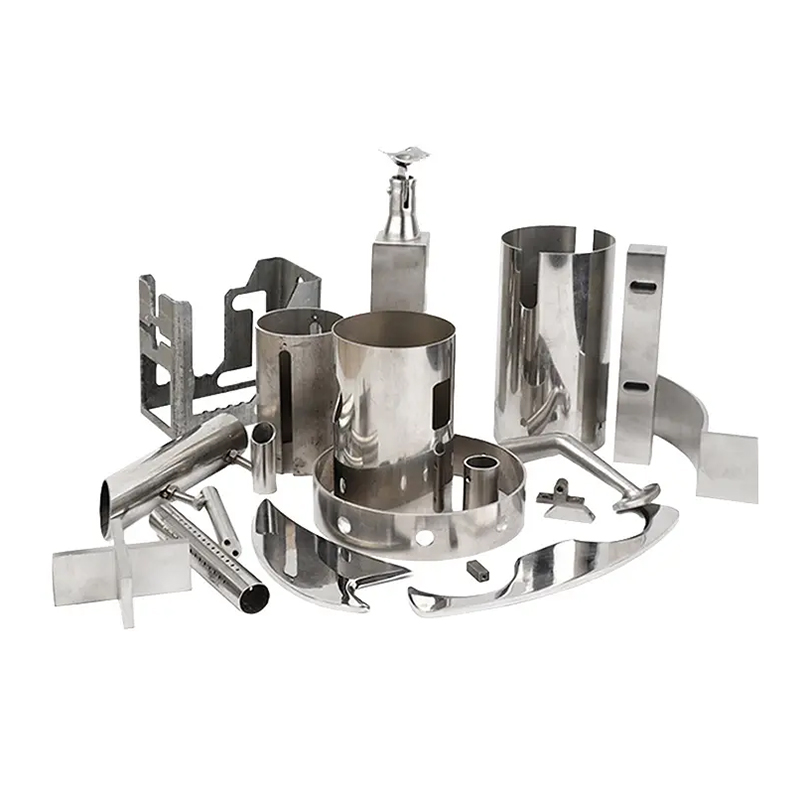
We pick materials based on the job at hand. Stainless steel lasts long, but for battery holder frames inside the case, we often choose 6061-T6 aluminum alloy. It weighs 35% less than steel and moves heat away from cells faster. For outer panels, we mix in tough SPCC cold-rolled steel or highly corrosion-resistant 316 stainless steel. This way, the case shields the batteries and helps conduct heat at the same time.
Energy storage units now go into rough outdoor spots, from hot, humid areas in Southeast Asia to salty coastal zones. The case must create a stable, small environment inside to stop battery problems.
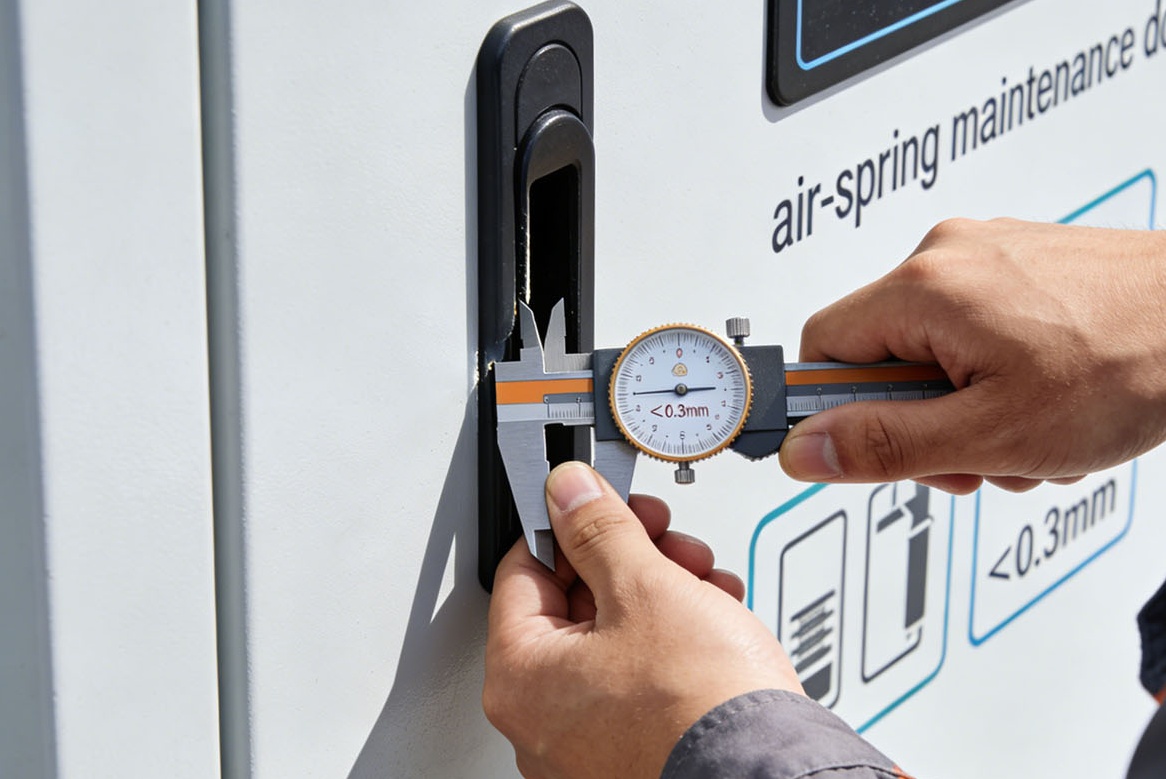
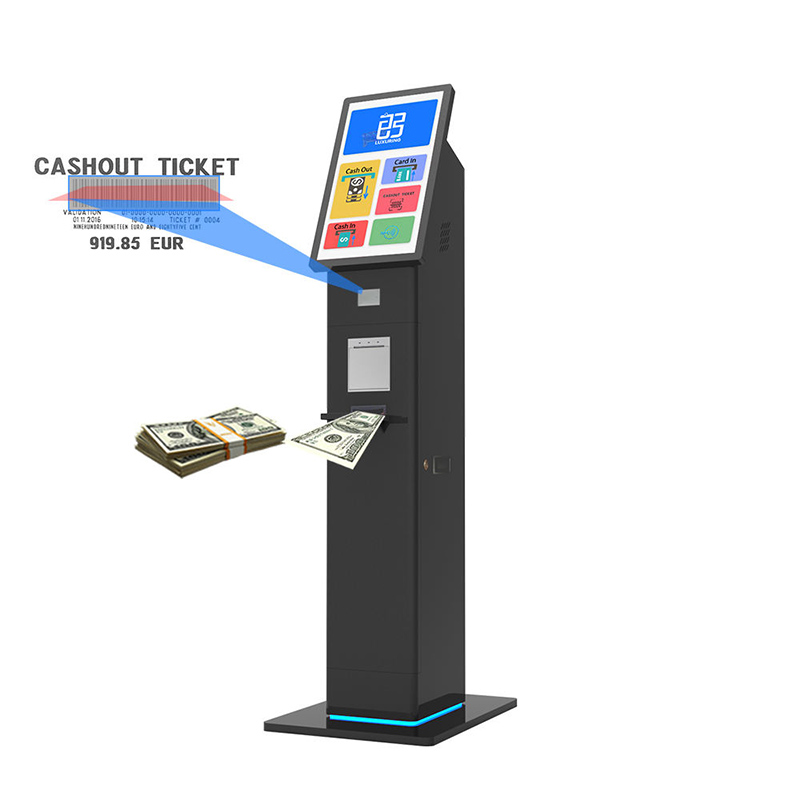
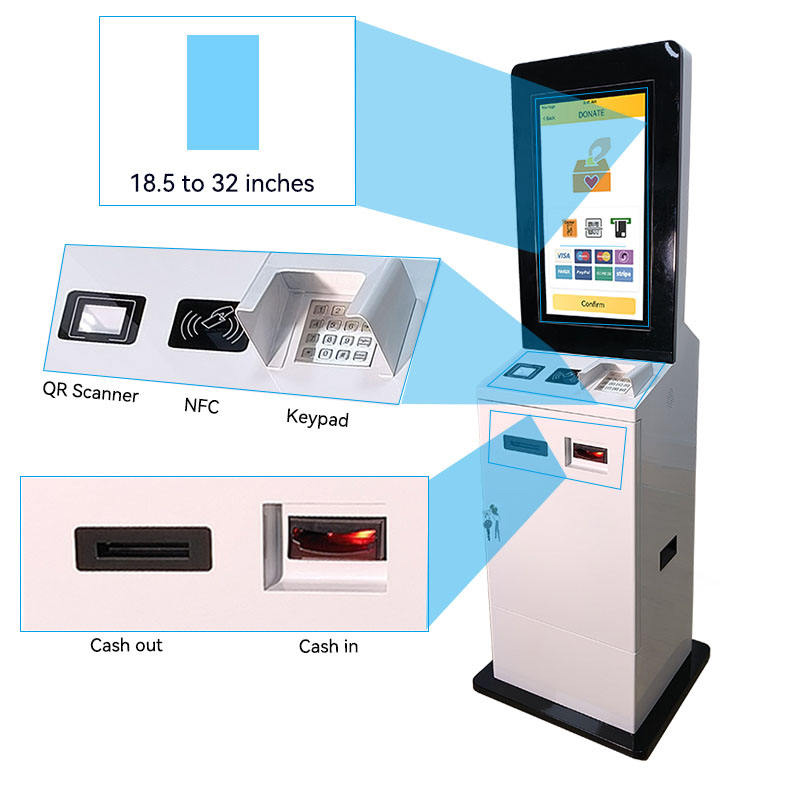
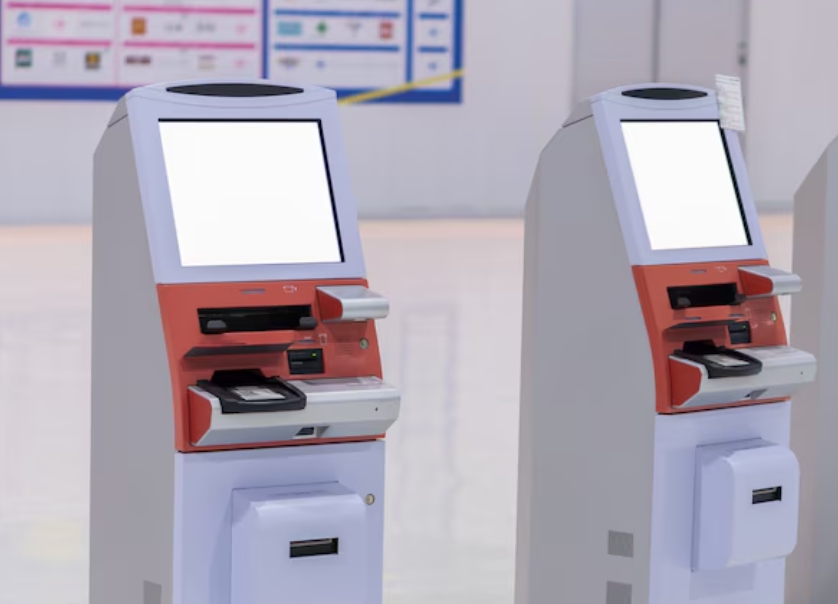
Our IP65 self-service terminal integrated machine shells and outdoor custom digital signage shells stand up to hard weather. Reaching IP55 or IP65 ratings calls for exact bending work. We rely on AMADA 8-axis CNC press brakes to keep gaps between doors and frames even, usually within ≤0.3mm. With EPDM rubber seals and robotic welds, these cases block dust and heavy rain almost completely.
Standard coatings fail quickly near the sea. For coastal UHV charging jobs, San Jun Hardware turns to 316 stainless steel. Its molybdenum raises salt-spray resistance by 50% over regular 304 steel. We apply several surface steps, including nitric acid passivation that builds a 5μm protective oxide layer and powder coatings that resist UV damage without cracking or fading in bright sun. These treatments keep the case strong for years and stop outside elements from reaching batteries and causing shorts.
Steady mechanical fit often gets ignored when talking about battery performance, yet it matters greatly for keeping electrical links solid and avoiding stress on cells.
Even small shifts in power modules can create hot spots and part failure. At San Jun Hardware, we hold cabinet flatness to ≤0.1mm. We check this with advanced Coordinate Measuring Machines (CMM). The result is a perfect fit for battery supports and 480kW connectors, removing build stress and wear from shaking. Our group of 50 skilled structural engineers offers full OEM/ODM help. They refine designs so every piece—from simple holders to special connectors—works smoothly with the whole setup.
In moving storage units or places with ground movement, like seismic stations, we add small strengthening ribs through 8-axis CNC bending. This boosts strength by up to 40% without extra weight. We use Finite Element Analysis (FEA) to confirm that cases can take side wind forces of 500N and top loads up to 80kg without bending. Such a design guards sensitive cells against shocks.
In the quick-changing energy field, fair pricing and adaptable output count as much as technical details.
San Jun Hardware runs a 5,000-square-meter plant that handles small prototype runs to thousands of units. Our no-mold custom approach means we can supply samples from customer drawings in just 3-7 working days. We put 10% of yearly earnings back into research and development. This keeps us current with industry needs and lets us serve worldwide customers—from hospitals with self-service kiosks to power firms with smart battery swap stations—with affordable, high-grade products.
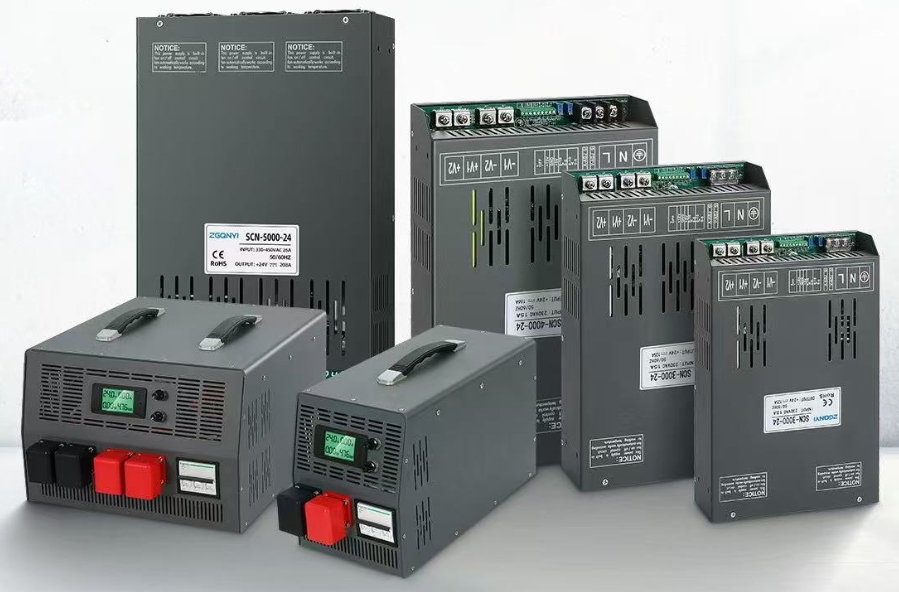
Through careful material choices, modern CNC work, and strict checks under ISO9001 standards, San Jun Hardware makes sure the case adds to battery performance rather than hurts it. By guarding the heart of the power setup, we help clients create more dependable, longer-lived, and better-working energy systems.
A: We often use 6061-T6 aluminum for internal brackets because its high thermal conductivity (compared to steel) helps draw heat away from batteries, while our laser-cut louver designs facilitate airflow to maintain optimal operating temperatures.
A: We use 8-axis CNC bending for tight-seal door panels, EPDM rubber gaskets, and robotic welding to achieve IP54/IP55/IP65 standards, ensuring protection against heavy rain and dust ingress.
A: Yes. We specialize in OEM/ODM services with a team of 50 engineers. We can produce custom brackets and enclosures based on your 3D CAD files without requiring expensive molds.
A: We follow ISO9001:2008 standards, employing CMM for 100% dimensional checks on key parts and conducting batch tests for salt-spray resistance, vibration stability, and load-bearing capacity.
























Leave a comments