How DFM Cuts Custom Sheet Metal Fabrication Costs by 30%
How DFM Cuts Custom Sheet Metal Fabrication Costs by 30%
Why Over-Engineered Designs Drain Your Fabrication Budget
Many hardware engineers unknowingly inflate overall sheet metal fabrication costs by specifying features that are overly complex to cut, bend, or assemble. Implementing sheet metal DFM principles early in development bridges the gap between digital CAD models and physical shop-floor efficiency. A practical design-for-manufacturability sheet metal approach can reduce unnecessary operations before they become embedded in production.
The Hidden Costs in Custom Sheet Metal Fabrication
Unnecessary design complexities introduce severe bottlenecks that inflate manufacturing overhead and increase material scrap rates in custom sheet metal fabrication.
Unnecessary Tight Tolerances: Specifying aerospace-grade tolerances on non-critical mounting brackets forces costly secondary machining operations and increases scrap rates, making sheet metal tolerance optimization essential.
Custom Tooling Dependencies: Designing unique bend geometries instead of using a standard bend radius requires specialized punch-and-die setups, adding tooling lead times and extra machinery setup fees.
Excessive Manual Welding: Over-relying on full continuous weld seams increases manual labor hours, thermal distortion risks, and post-weld grinding work, making it important to reduce welding cost through better DFM.
SanJun Hardware: Your Precision Sheet Metal Manufacturing Partner
Combining state-of-the-art automated machinery with deep engineering expertise, Quincaillerie SanJun helps global clients transform complex designs into cost-effective, production-ready sheet metal design solutions.
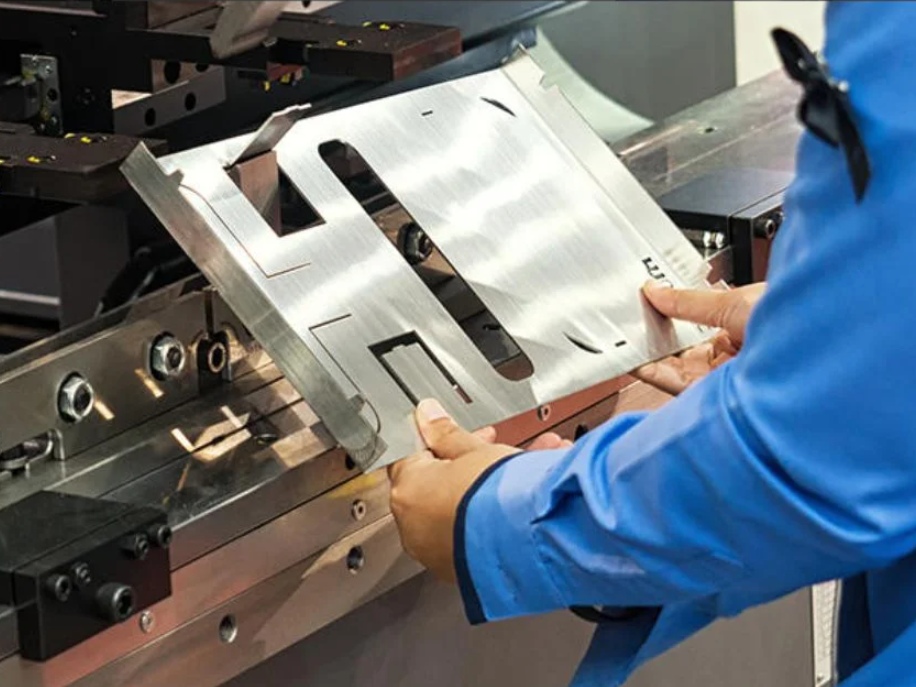
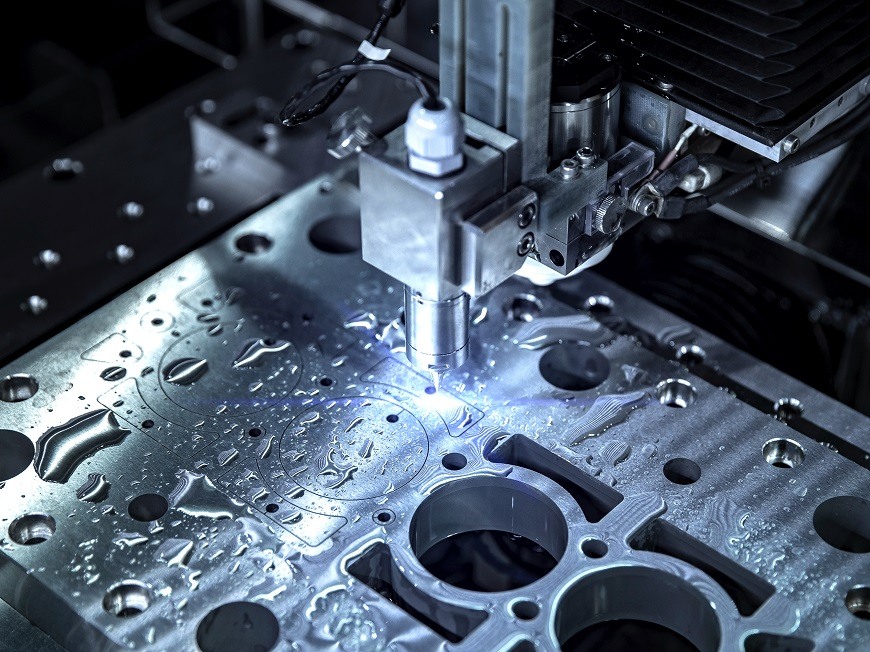
Integrated Fabrication Capabilities: In-house laser cutting, AMADA CNC press brake bending, precision welding, and surface finishing under one roof.
Free DFM Analysis for Sheet Metal: Dedicated DFM analysis for sheet metal evaluates every CAD submission to identify geometry changes that support custom sheet metal cost reduction before production.
Flexible Scalability: Supporting everything from 1-piece rapid prototyping to high-volume serialized enclosure runs without minimum order constraints.
Core DFM Strategies to Achieve Custom Sheet Metal Cost Reduction
Implementing targeted sheet metal design optimization techniques early in the development phase can systematically shave off up to 30% of manufacturing expenses. Below are four key sheet metal DFM practices that drive meaningful sheet metal cost optimization.
Maximizing Material Utilization through Sheet Metal Nesting Optimization
Optimizing how sheet metal parts are laid out on standard metal sheets directly reduces costly raw material waste.
Automated Layout Planning: Utilizing advanced sheet metal nesting optimization software allows maximum parts per sheet and improves overall material utilization.
Standardized Sheet Sizes: Designing component flat patterns to align with standard commercial stock sizes improves material utilization and minimizes remnant scrap.
Grain Direction Awareness: Aligning critical structural bends with material grain direction prevents cracking while avoiding the need for thicker sheet gauges.
Effective nesting is one of the simplest design-for-manufacturability sheet metal methods for reducing raw material expense without changing product function.
Standardizing Bend Radii to Streamline Press Brake Operations
Varying bend radii across a single custom enclosure requires multiple tool swaps, driving up setup time and shop-floor labor.
Single-Tool Efficiency: Consolidating all part bends to a single standard bend radius eliminates unnecessary press brake recalibrations.
Standard Tooling Selection: Choosing a standard bend radius that matches off-the-shelf punch and die sets prevents expensive custom tooling fees.
Flange Height Rules: Maintaining minimum flange lengths ensures stable sheet contact during CNC bending for repeatable precision.
This type of sheet metal design optimization directly improves machine utilization and supports lower sheet metal fabrication costs.
Minimizing Assembly Labor to Reduce Welding Cost
Welding is one of the most labor-intensive processes in metal fabrication, requiring skilled technicians and post-weld grinding.
Integrated Bending: Replacing multi-piece welded corner joints with continuous bend structures helps dramatically reduce welding cost.
Self-Locating Features: Incorporating tab-and-slot alignment features accelerates fit-up accuracy and improves sheet metal assembly optimization.
Fastener Integration: Utilizing self-clinching PEM hardware instead of welded nuts saves significant cycle time during final enclosure assembly.
Combining fewer welds with better sheet metal assembly optimization supports faster production and more predictable unit pricing.
Implementing Smart Sheet Metal Tolerance Optimization
Over-specifying tight tolerances across non-critical dimensions severely escalates manufacturing complexity and inspection costs.
Functional Tolerance Allocation: Applying sheet metal tolerance optimization ensures tight specifications are reserved strictly for mounting holes and mating surfaces.
Thermal and Fit Clearance: Allowing realistic hole-to-bend margins prevents hole distortion during high-tonnage forming processes.
Consistent Part Fitment: Standardizing hole patterns reduces punch die changing routines across production runs.
A targeted tolerance strategy is a core part of sheet metal cost optimization because it aligns manufacturing precision with actual functional requirements.
Application Scenarios: Turning DFM Insights into Engineering Reality
Applying sheet metal DFM concepts directly translates into tangible functional improvements and reduced unit costs across demanding industry applications. SanJun Hardware applies these design for manufacturability sheet metal principles to solve real-world thermal, structural, and fitment challenges.
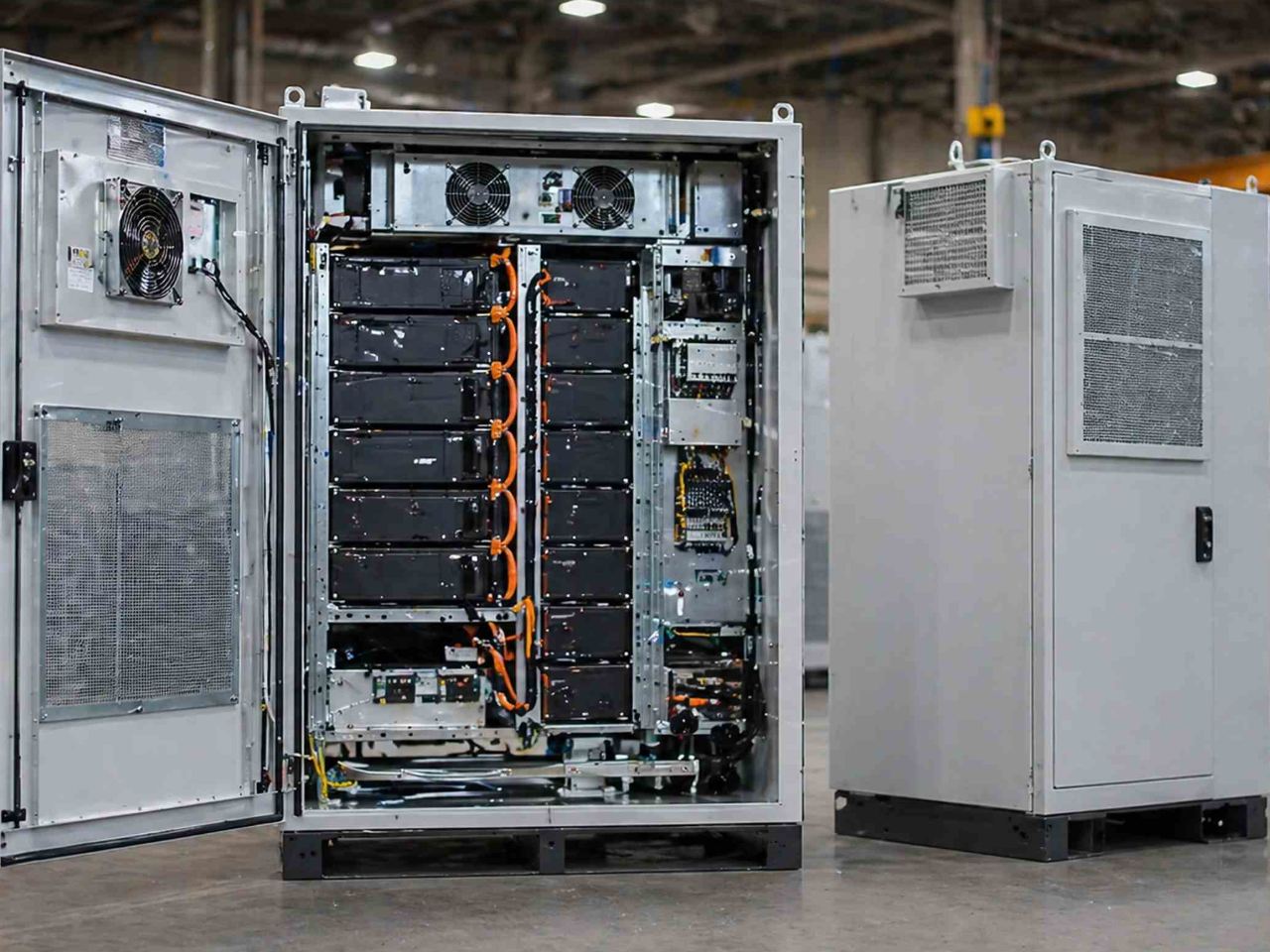
Energy Storage Cabinet (BESS) and Telecom Communication Cabinets
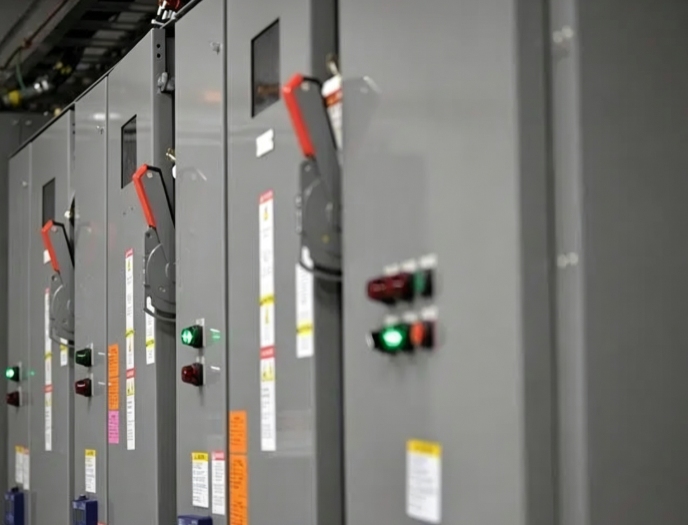
Industrial cabinets operating in harsh outdoor environments demand high weather resistance, thermal efficiency, and structural integrity.
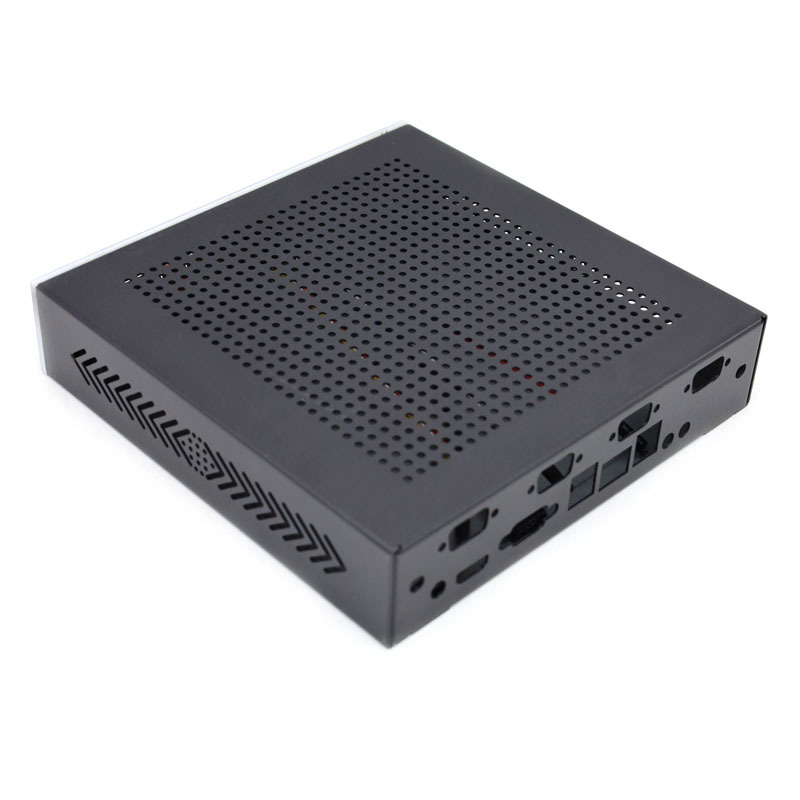
Optimized Thermal Ventilation: Engineering custom perforated vent patterns into an Armoire de stockage d'énergie (BESS) enhances airflow while maintaining necessary IP-rated protection.
Structural Rib Integration: Replacing heavy structural frames with strategically ribbed sheet panels in Telecom Communication Cabinets reduces weight, improves material utilization, and supports custom sheet metal cost reduction.
Charging Pile Enclosures and Precision 2U Rack Chassis
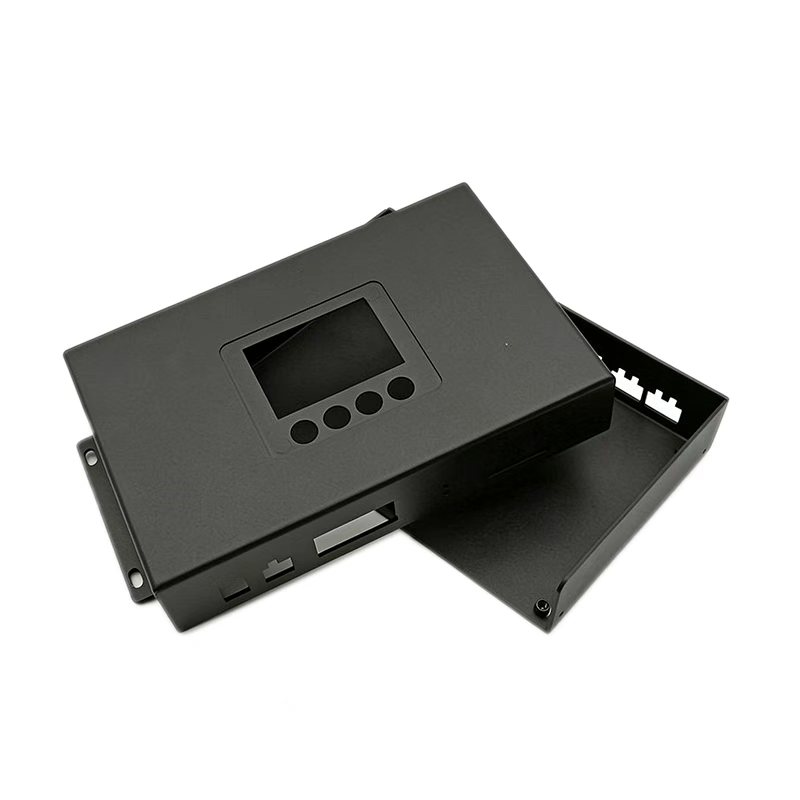
Compact electronics housings require extreme dimensional consistency for seamless internal component mounting and heat dissipation.
Ultra-Low Tolerance Stamping: Utilizing high-precision stamping techniques on Charging Pile Enclosures guarantees zero-gap touchscreen bezels and complete weatherproofing.
Airflow and Space Optimization: Integrating precise vent geometries into a Precision 2U Rack Chassis prevents server thermal throttling in dense data centers.
Turnkey Sub-Assembly: Delivering production-ready sheet metal design components ready for immediate electronics installation cuts client assembly lead times.
Partner with SanJun Hardware for Production-Ready Sheet Metal Design
Achieving a 30% reduction in custom sheet metal costs requires a strategic fabrication partner who understands both design mechanics and factory-floor execution. SanJun Hardware bridges this gap by combining DFM analysis for sheet metal, rapid prototyping, and scalable manufacturing.
Comprehensive CAD Review: Submit your drawings to receive a complimentary engineering assessment focused on sheet metal design optimization, material reduction, and labor savings.
Rapid Prototyping: Transition smoothly from a 1-piece prototype to full-scale production runs using advanced AMADA laser and bending systems.
Turnkey Execution: Streamline your supply chain with complete custom sheet metal fabrication, finishing, and box-build assembly services.
Ready to cut your custom sheet metal manufacturing costs? Contactez SanJun Hardware dès aujourd'hui to request your free DFM analysis for sheet metal and an instant custom quote.
FAQ (questions fréquentes)
Q: What primary factors drive up custom sheet metal fabrication costs?
A: High sheet metal fabrication costs are commonly driven by raw material waste, non-standard bend radii requiring frequent tooling changes, extensive manual welding labor, and unnecessarily tight tolerances on non-critical dimensions.
Q: How does a DFM review help reduce welding costs in custom metal enclosures?
A: A sheet metal DFM review introduces folded flanges instead of multi-piece welded joints, incorporates self-locating tabs and slots for faster alignment, and uses press-in PEM hardware to reduce welding cost and post-weld grinding.
Q: Why should bend radii be standardized across a custom sheet metal part?
A: Using a standard bend radius across all features allows press brake operators to form the component with fewer tool changes, reducing machine downtime, setup labor, and overall production cost.
Q: How early in the product development process should a sheet metal DFM review take place?
A: DFM analysis for sheet metal should take place during the initial 3D CAD design stage prior to prototyping or tooling production, ensuring engineering issues are corrected when changes are simplest and least expensive to make.
Oui. Nous acceptons une commande minimum de 1 pièce, sans besoin d'outillage. Tous les boîtiers en tôle personnalisés peuvent être produits directement selon votre conception.
Oui, nous acceptons la fabrication de pièces métalliques sur mesure strictement basée sur vos dessins 2D/3D. Nous offrons une vérification DFM gratuite, suivons vos exigences exactes en matière de matériaux, de tolérances et de finitions. La production de prototypes et la production de masse sont disponibles avec un contrôle qualité complet et un emballage conforme aux normes d'exportation.
Absolument. Indiquez-nous les dimensions de votre produit, sa fonction d'assemblage, son scénario d'utilisation et vos exigences de performance. Notre équipe de tôlerie vous propose gratuitement la conception structurelle, l'optimisation de la solution et l'analyse de fabricabilité (DFM).
Vous n'avez pas besoin de réaliser les plans ; nous prenons en charge l'intégralité du travail de conception, de l'esquisse au plan de production, afin de réduire vos coûts et risques de R&D. Nous procédons à des révisions des plans à plusieurs reprises pour garantir une intégration parfaite à vos besoins.
Nous fournissons une révision de dessin DFM sous 24 heures et un devis formel après réception de vos exigences techniques.
Oui. Nous proposons un échantillonnage rapide de prototypes selon vos dessins, vous aidant à vérifier la structure et la taille avant la commande en gros.
Tous nos produits ont obtenu les certifications ISO9001, EMC, LVD et RoHS.
Nous respectons pleinement les normes mondiales de sécurité et de qualité, en fournissant des solutions stables et fiables pour toutes les applications de projet.
Nous gérons notre propre usine et proposons une production intégrale en interne, de A à Z.
Un contrôle de processus rigoureux et une gestion de la qualité standardisée garantissent une qualité de produit stable et des livraisons ponctuelles, construisant ainsi des partenariats mondiaux fiables et durables.
Nous traitons toute une gamme de matériaux de tôlerie standard et haute performance, y compris l'acier inoxydable (304/316), l'aluminium (5052/6061), l'acier laminé à froid/chaud, l'acier galvanisé, le laiton et le cuivre. Nous pouvons également nous procurer des matériaux spéciaux selon les exigences de votre projet.
Notre tolérance d'usinage standard est de ±0,1 mm pour la découpe laser et le pliage. Pour les pièces de haute précision, nous pouvons atteindre une tolérance de ±0,05 mm en fonction de l'épaisseur du matériau et de la structure de la pièce. Toutes les dimensions sont contrôlées selon la norme 100% avant la livraison afin de répondre à vos exigences.
Oui, nous fournissons des services complets de traitement de surface tout-en-un, incluant le revêtement en poudre, la peinture, l'anodisation, le sablage, le brossage, la galvanoplastie, la passivation, le polissage et le traitement thermique. Nous pouvons personnaliser les couleurs et les effets selon votre conception.
Oui, nous signons toujours un accord de non-divulgation (NDA) avant de recevoir des dessins ou des détails de conception de nos clients. Nous protégeons strictement votre propriété intellectuelle et gardons tous vos projets confidentiels.
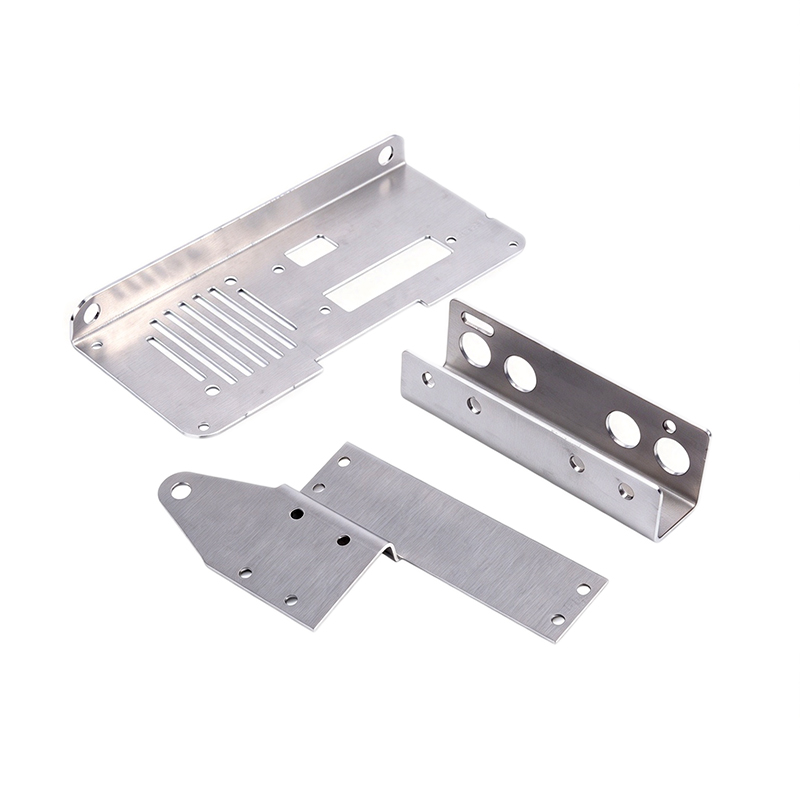
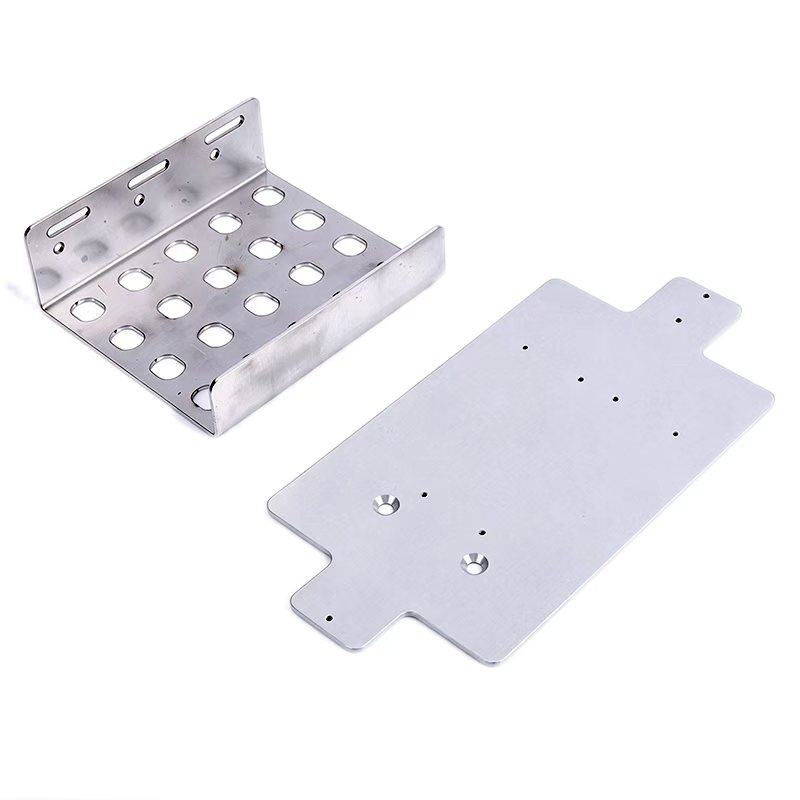
<p>We manufacture <strong>custom stainless steel mounting brackets and plates</strong> for electronic enclosures, industrial control cabinets, power distribution boxes and equipment racks. Every part is laser-cut and CNC-bent from SUS304 or SUS316L stainless steel to your exact drawing — no standard sizes, no compromises on fit.</p>
<p>Our bracket range includes:</p>
<ul>
<li><strong>Ventilated mounting plates</strong> — with precision cooling slots, port cutouts and mounting holes for PCB and component installation</li>
<li><strong>L-angle brackets</strong> — 90° bent supports with cable pass-through holes and adjustable slotted mounting positions</li>
<li><strong>Custom hinge brackets</strong> — heavy-duty stainless steel hinges for enclosure doors and access panels</li>
</ul>
<p>All parts are deburred, brushed and passivated as standard. We handle the full process from DFM review and CAD design through laser cutting, CNC bending, welding and surface treatment — so you get one part number, one supplier and a consistent fit across prototype and production.</p>



























Laisser un commentaire