Engineering Switchgear Cabinet Fabrication for Substation Safety
Engineering Switchgear Cabinet Fabrication for Substation Safety
An internal arc fault is one of the most destructive events that can occur within a power distribution system. When insulation breakdown or flashover occurs inside an electrical cabinet, intense heat can rapidly vaporize conductive materials and generate severe overpressure. Without effective internal arc protection, this expansion can deform doors, rupture side panels, and release thermal energy into operator areas.
To control these risks, electrical OEM engineers rely on arc-resistant switchgear structures engineered for internal arc containment, pressure relief, and high structural rigidity. As a custom precision fabricator, サンジュンハードウェア supports switchgear sheet metal fabrication for high-integrity enclosure structures used in demanding power distribution applications.
Mechanics of Internal Arc Pressure Spikes in Power Distribution
Understanding how an internal arc fault develops is essential for designing an arc-resistant switchgear enclosure capable of resisting pressure loads and directing arc gases safely.
Physics of High-Temperature Plasma and Shockwaves
The transition from an electrical fault to a mechanical pressure event occurs in several stages inside the cabinet.
Compression Phase: Arc ionization rapidly heats the surrounding air, producing an initial pressure rise within the high-voltage switchgear cabinet.
Expansion Phase: Continued arcing can melt and vaporize copper or aluminum components, further increasing hot-gas volume and internal pressure.
Thermal Phase: Radiant heat continues to affect internal components until the protection system clears the fault.
Effective internal arc protection must therefore address both thermal energy and mechanical pressure loading.
Impact on Electrical Substations and Equipment Integrity
Uncontrolled arc pressure creates serious risks for enclosure integrity and adjacent equipment.
Panel Buckling and Weld Failure: Weak enclosure panels or seams may deform under an internal arc fault, allowing hot gases to escape into maintenance areas.
Door Latch Disengagement: Peak internal pressure can place high loads on hinges, latches, and door frames if the enclosure lacks sufficient structural rigidity.
Substation Application Hazards: In utility substations and industrial plants, insufficient internal arc containment may expose neighboring equipment and operator areas to secondary damage.
Pressure-Relief Flap Design in High-Voltage Sheet Metal Cabinets
Effective internal arc containment does not depend only on making the cabinet stronger. A properly designed arc-resistant switchgear enclosure also needs controlled pressure venting.
A key feature in arc-resistant switchgear is the switchgear pressure relief vent, which provides a defined path for expanding gases.
Directional Pressure Exhaust: Vent channels direct hot gases and pressure toward designated exhaust areas instead of operator access zones.
Calibrated Opening Thresholds: A pressure relief flap remains closed during normal operation but opens when internal pressure reaches its designed release condition.
Rapid Response Dynamics: Effective arc flash pressure relief helps reduce pressure loading on cabinet walls, doors, and frame joints.
The relationship between the switchgear pressure relief vent, pressure relief flap, and enclosure geometry is critical to reliable internal arc protection.
Material Selection and Precision Latching Mechanisms
Material properties and hardware tolerances influence whether pressure-relief components operate consistently.
Galvanized and Stainless Steel Components: High-strength metal components support corrosion resistance and maintain mechanical performance over long service periods.
Laser-Cut Release Components and Calibrated Hinges: Precision cutting improves dimensional control for pressure relief flap assemblies and associated release mechanisms.
Integrated Gas Deflectors: Internal deflector plates can guide hot gases away from sensitive compartments and toward the intended arc flash pressure relief path.
IEC/IEEE Compliant Structural Frame Design
A high-voltage switchgear cabinet intended for arc-resistant applications must be engineered around applicable safety and test requirements.
Meeting IEC 62271-200 and IEEE C37.20.7 Standards
Standards such as IEC 62271-200 and IEEE C37.20.7 provide important references for evaluating Internal Arc Classification (IAC) and arc-resistant switchgear performance.
IEC 62271-200 Compliance: IEC 62271-200 defines requirements relevant to metal-enclosed high-voltage switchgear and includes internal arc classification criteria for specified test conditions.
IEEE C37.20.7 Guidelines: IEEE C37.20.7 provides test guidance for arc-resistant metal-enclosed switchgear and accessibility classifications intended to address personnel exposure around the equipment.
Comprehensive Testing Validation: Final Internal Arc Classification (IAC) performance depends on the complete switchgear assembly, including structure, joints, vents, doors, and pressure-relief paths.
For this reason, switchgear sheet metal fabrication must follow the approved enclosure design closely if the final assembly is intended to support a specific tested configuration.
Structural Rigidity Through Reinforced Sheet Metal Enclosure Engineering
A reinforced sheet metal enclosure must resist dynamic pressure while maintaining controlled venting behavior.
Multi-Bend Profile Frames: Precision multi-bend structural profiles increase structural rigidity without relying only on thicker flat sheet.
Heavy-Duty Seam Welding: Continuous or strategically reinforced weld joints can improve structural continuity in load-bearing areas of a reinforced sheet metal enclosure.
Inter-Compartmental Isolation: Internal barriers help separate busbar, breaker, and cable compartments to reduce fault propagation between sections.
In arc-resistant switchgear, enclosure reinforcement and pressure relief must be engineered together rather than treated as separate design tasks.
SanJun’s Specialized High/Low Voltage Cabinet Fabrication
SanJun Hardware provides OEM/ODM switchgear sheet metal fabrication for electrical infrastructure and industrial enclosure projects.
Tailored Sheet Metal Fabrication and DFM Optimization
Our engineering team works with customer drawings and enclosure requirements to improve manufacturability while preserving the intended structural design.
Design for Manufacturability (DFM): We review bend radii, weld joints, panel interfaces, fastening points, and enclosure geometry for manufacturability.
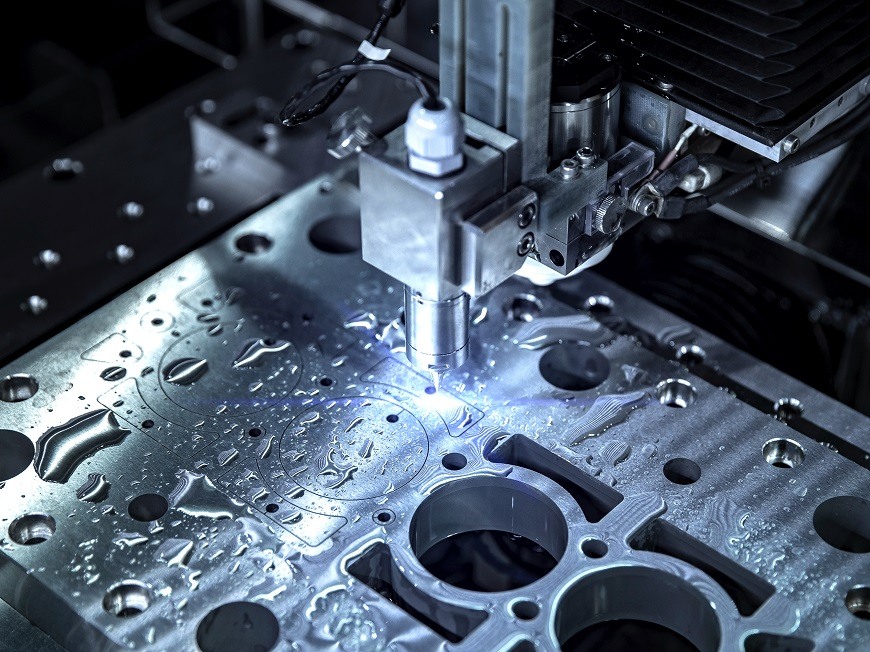
High-Precision CNC Processing: Laser cutting and CNC bending support accurate alignment across frame members, doors, internal partitions, and switchgear pressure relief vent components.
Custom Metal Formings: Stamping, bending, welding, and powder coating support durable reinforced sheet metal enclosure production.
For projects involving arc-resistant switchgear, SanJun manufactures to customer-defined drawings and structural requirements rather than independently assigning an Internal Arc Classification (IAC) rating.
Versatile Enclosure Solutions for Critical Infrastructure
Our custom manufacturing capabilities support a wide range of electrical and industrial applications.
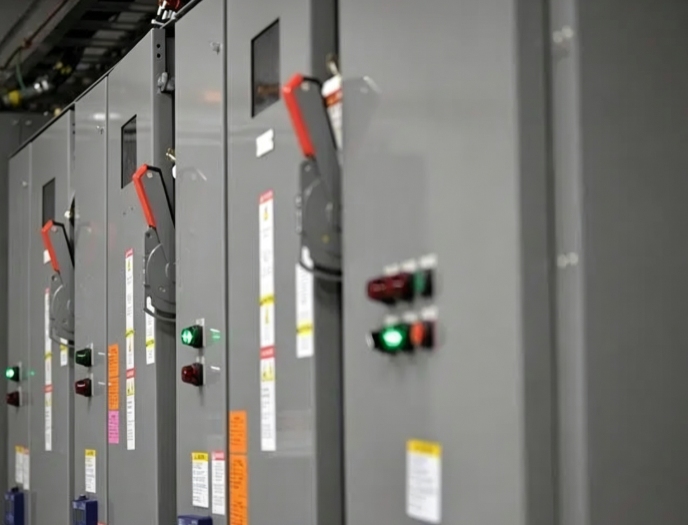
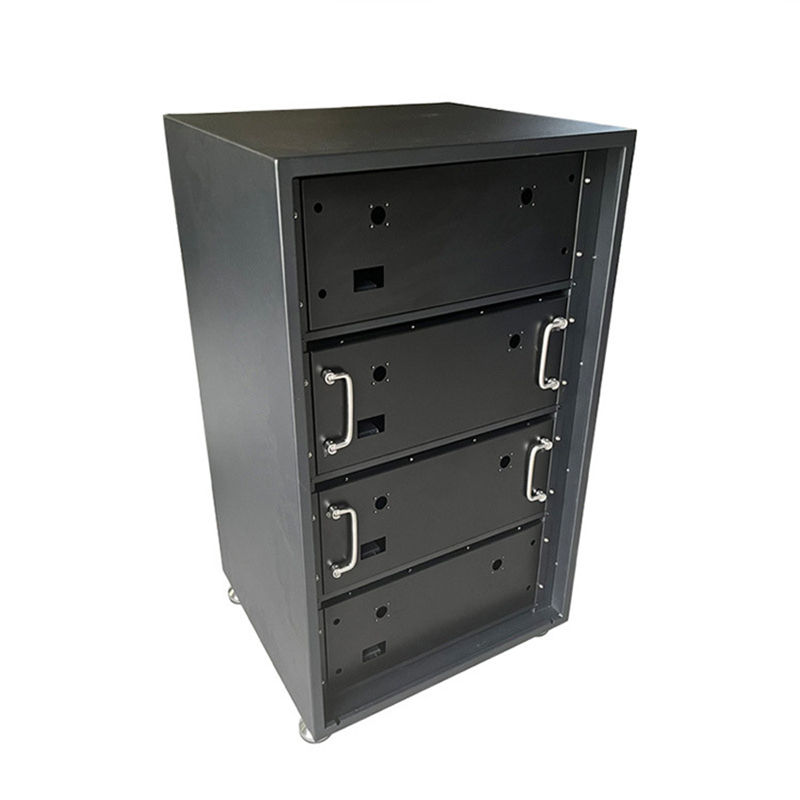
高低圧配電盤: Custom high-voltage switchgear cabinet structures can incorporate reinforced frames, internal partitions, and designated arc flash pressure relief features according to customer engineering requirements.
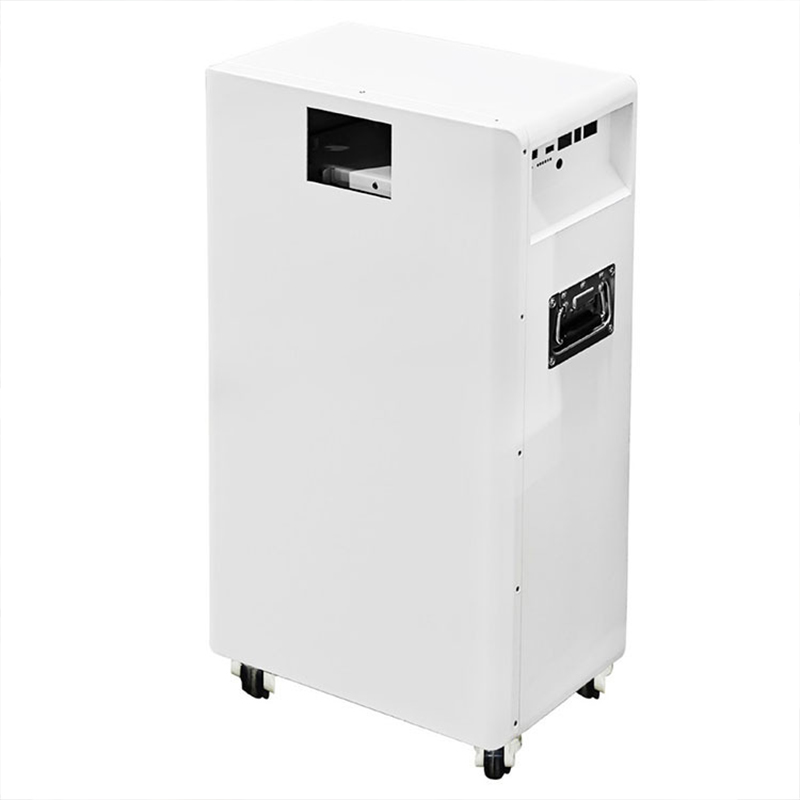
Energy Storage Cabinet (BESS): Enclosures can incorporate thermal-management features, compartmentalized structures, and reinforced mounting systems for battery and power equipment.
Custom Precision Structural Parts: SanJun manufactures brackets, internal partitions, supports, frame members, doors, and vent components used in complex switchgear sheet metal fabrication projects.
Build Safer Switchgear Systems with SanJun Hardware
Reducing the risks associated with an internal arc fault requires a coordinated design that combines internal arc protection, internal arc containment, controlled arc flash pressure relief, and sufficient structural rigidity. SanJun Hardware supports OEMs with precision switchgear sheet metal fabrication, reinforced enclosure manufacturing, and DFM assistance for custom electrical cabinet projects.
サンジュンハードウェアにお問い合わせください to review your CAD drawings, discuss your arc-resistant switchgear enclosure requirements, and request a DFM assessment for your next high-voltage cabinet project.
FAQ
Q: What is the primary function of an Internal Arc Classification (IAC) rating in switchgear design?
A: Internal Arc Classification (IAC) indicates that a switchgear assembly has been evaluated under defined internal arc test conditions. Standards such as IEC 62271-200 use IAC classifications to describe accessibility and protection performance for specified configurations.
Q: In what way does a switchgear pressure relief vent provide protection to the cabinet structure?
A: A switchgear pressure relief vent offers a defined path for releasing gases. With the opening of the pressure relief flap, gases may be released from weak spots in the enclosure structure, thereby ensuring the containment of internal arcs and reducing pressure on the structure.
Q: In what way does the rigidity of the structure ensure arc resistance in switchgear?
A: A structure that has high rigidity enables a reinforced sheet metal structure to withstand deformation when an arc fault occurs inside the switchgear. Multibend frame sections, reinforced joints, tight doors, and proper venting are all key elements of enclosure structure.
Q: What standards are often used for arc-resistant switchgear?
A: IEC 62271-200 is often used for high-voltage metal-enclosed switchgear, while IEEE C37.20.7 gives guidelines on testing arc-resistant metal-enclosed switchgear.





























コメント