
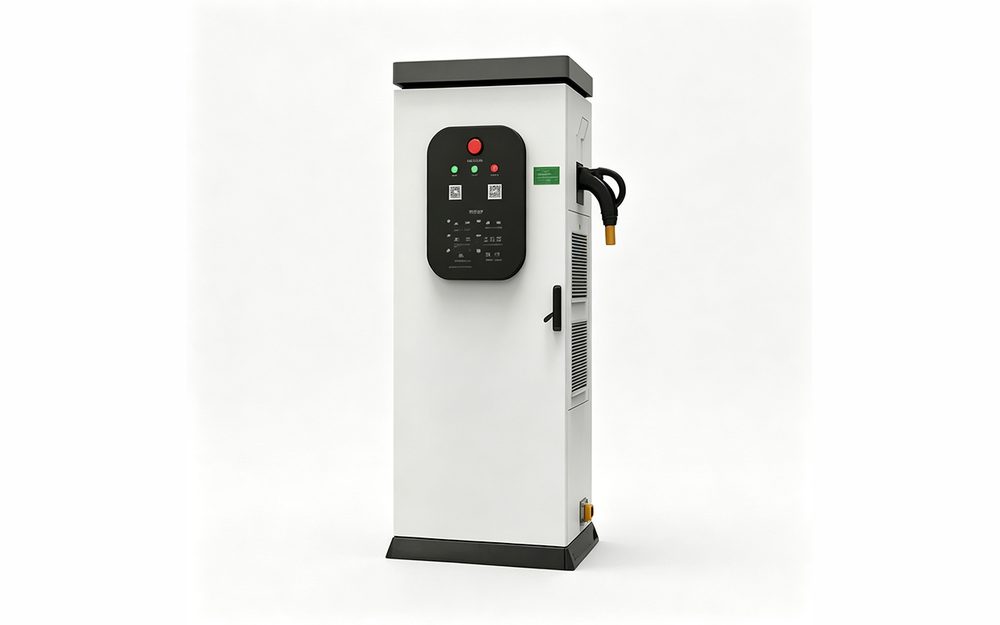
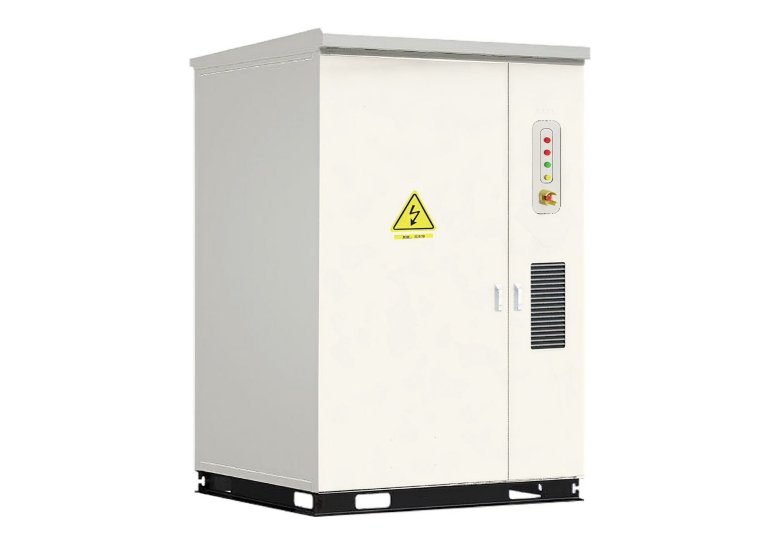
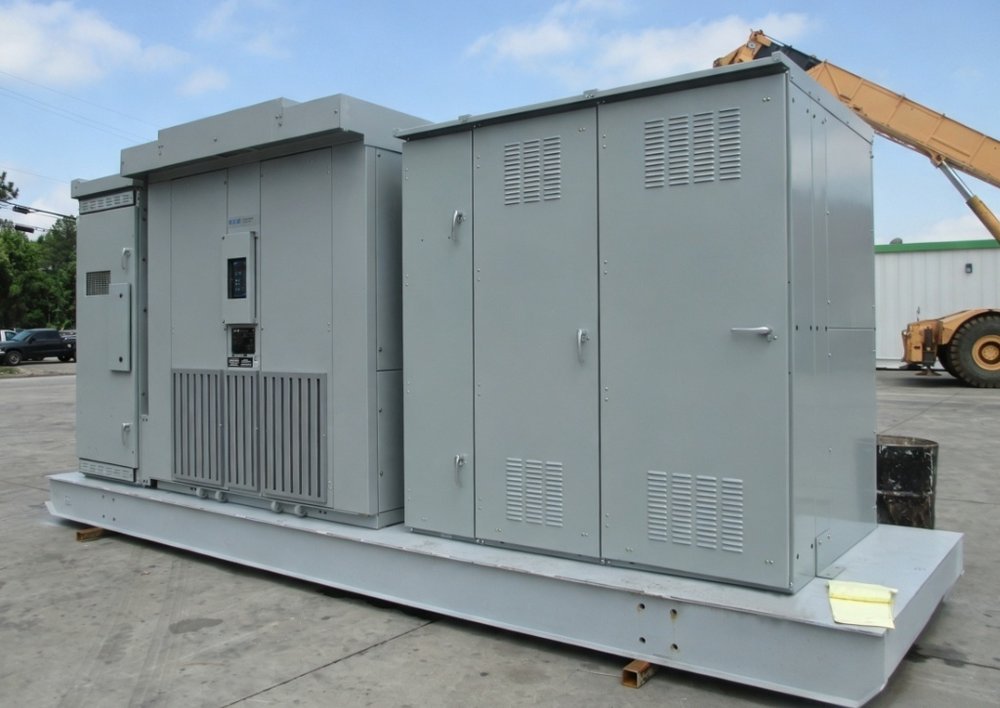
A lot of power electronics in a DC fast-charging station is packed into a floor-standing cabinet which is usually placed outside. The main two loads on such a cabinet are the heat it generates while charging and the weather when it is not charging.
Each of these forces pushes against the others. A vent for cooling will allow rain to enter. A seal to keep water out will trap heat. So no single part can solve both problems. Enclosures are designed as a total system including airflow paths, sealing, gauge and coating and must be designed this way before the first panel is cut.
SanJun Hardware is a China custom sheet metal enclosures manufacturer with a 5,000 square meters ISO 9001 certified factory located in Guangdong, China. We are one of the leading China custom enclosures manufacturers, specialize in producing custom metal parts and all kinds of enclosures since 2010. In this article, we will introduce how we integrate thermal protection and weather resistance into the charging pile enclosure when manufacturing for DC fast charging piles of 60kW and above.
Power modules, contactors and cables continue to generate heat whilst charging a vehicle. Additionally the cabinet shell creates solar gain and the temperature within the station will increase in high summer ambient temperatures.
The derating of the electronics with temperature, plus the shorter life of capacitors and connectors, means that even a cabinet which has passed a 25 °C test in the factory can fail prematurely at a roadside in August.
Wind-driven rain and dust, condensation etc. attempt to penetrate the enclosure. Also the day/night variation in temperature can bring moisture into the cabinet, which will deposit on busbars and connectors. At coastal locations or on roads with salted ice the normal stress on the cabinet is even increased by corrosion.
Instead of penetrating through holes in the sheet metal, water more often enters an enclosure via cable entries, leaks through seam joints in doors or simply because unsupported gasket joints have shifted.
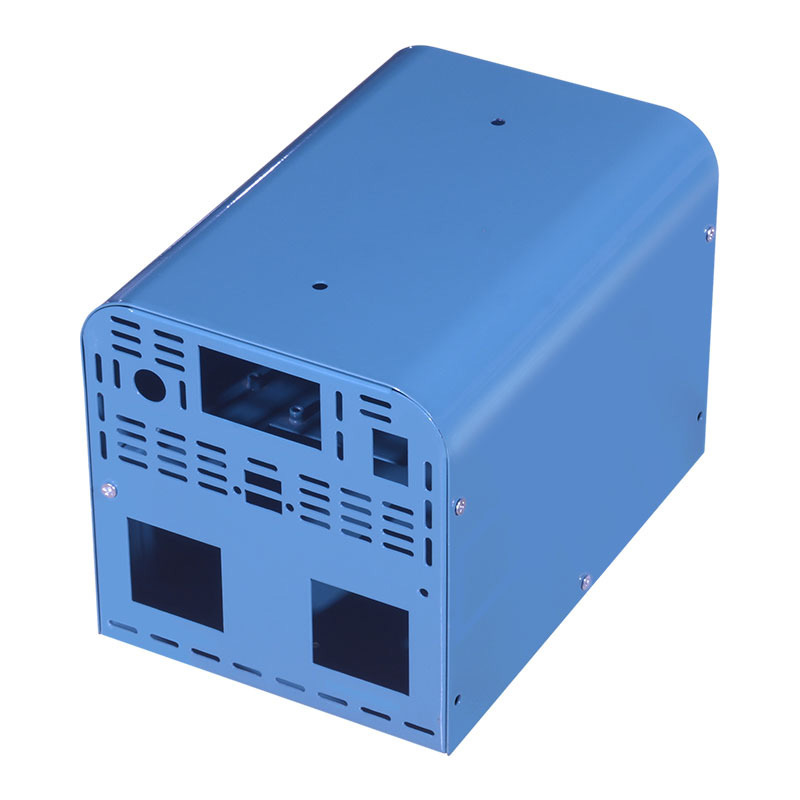
Normal airflow is from bottom to top in a cabinet that has heat rise. Cool air will enter into the low side louvers and then travel through the power modules and then exit from the top of the cabinet or roof. Intake points are located remote from the exhaust points to prevent short circuiting of the exhaust air back through the intake.
The angle of the blades of the louver determines the amount of airflow while at the same time shedding rain. The design of the louver must be such that there is a good balance between these two requirements. The size of the vent opening is determined by the calculated heat load of the contents of the cabinet. If a cabinet is too tightly sealed then it will cook its contents. But if a cabinet is opened too wide then weather will enter with all its ill effects. All this can be calculated but will vary from a sheltered charger to an open roadside charger.
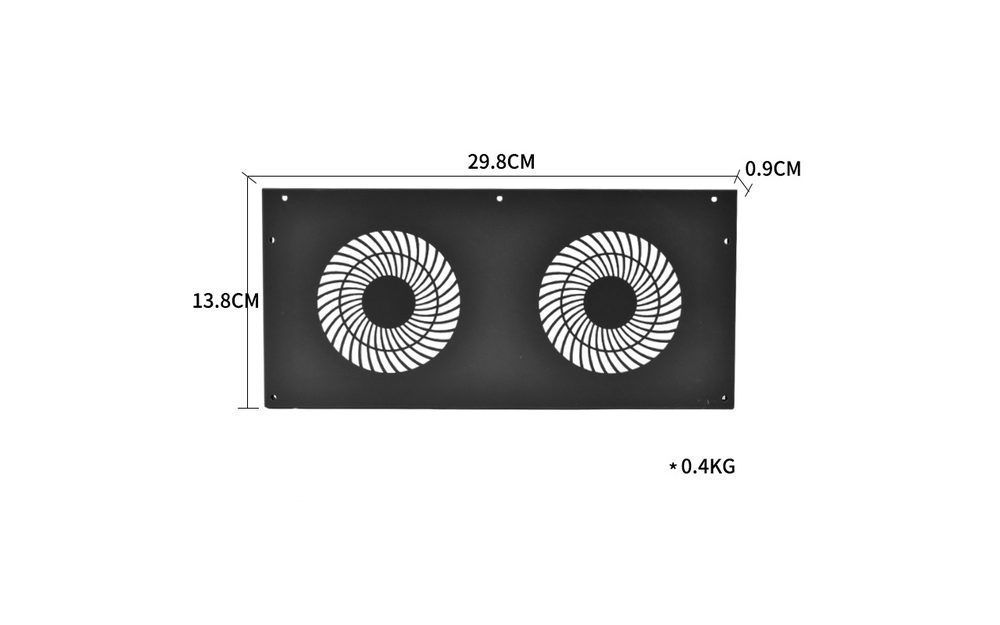
Convection cooling is able to move low amounts of heat. More powerful power modules require forced air cooling. Thus in panel manufacturing instead of drilling holes later in the panel for fans, the holes are cut as part of the panel fabrication.
A filtered intake is typically worse than an open intake for pressure loss but does keep clean air in the cabinet and dust out. A filter that is never cleaned can become a heat issue and it’s better to service the filter without opening the main cabinet. To dissipate heat within the cabinet, it is typical to add channels and to orient baffling to direct airflow to the hottest portions of the system rather than to collect in a corner. For particularly harsh sites, a heat exchanger or air conditioner can be integrated into the structure.
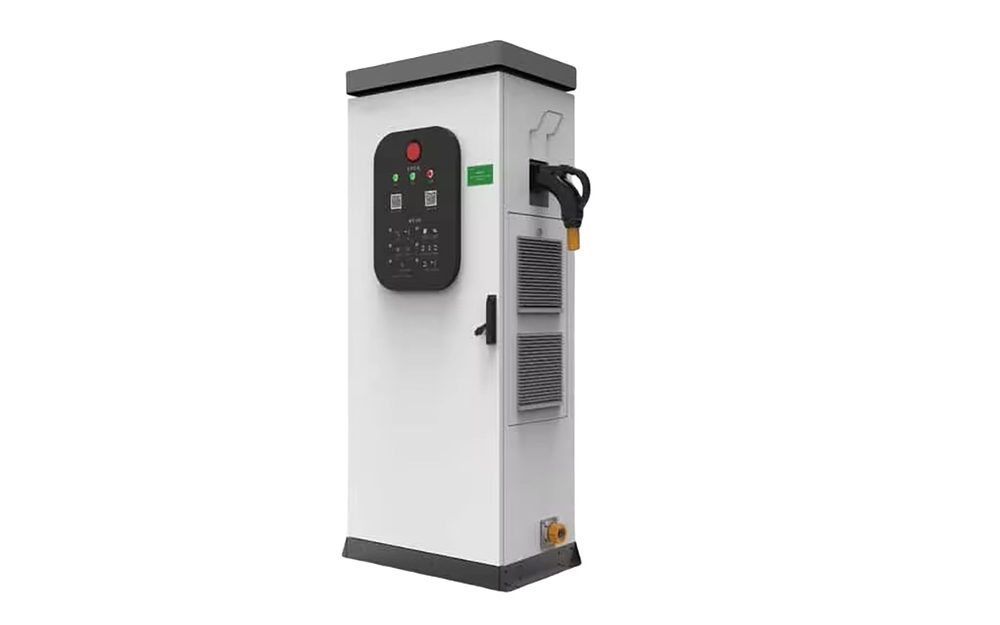
Our standard packages are custom engineered on a project-by-project basis and are not stocked in a catalog. For example, our fabrication of EV charger enclosures could be produced as pedestal, wall-mounted or pole-mounted versions, each with an optimized sealing solution for its particular location.
The majority of our charging pile enclosures are supplied with an IP54/55 sealed enclosure. However for sites that require additional protection our charging pile enclosures can be designed to include extra gaskets, sealed glands etc. to achieve an IP65 rating as required.
The worst part of a seal is usually its weakest area. A gasket on the other hand is running in a continuous groove. Joints are placed as far away from corners as possible to prevent leakage. A door for example is sealed by compressing a gasket in a smooth even motion over its entire travel. The latch point is positioned as close as possible to the edge of the seal to apply even pressure to it.
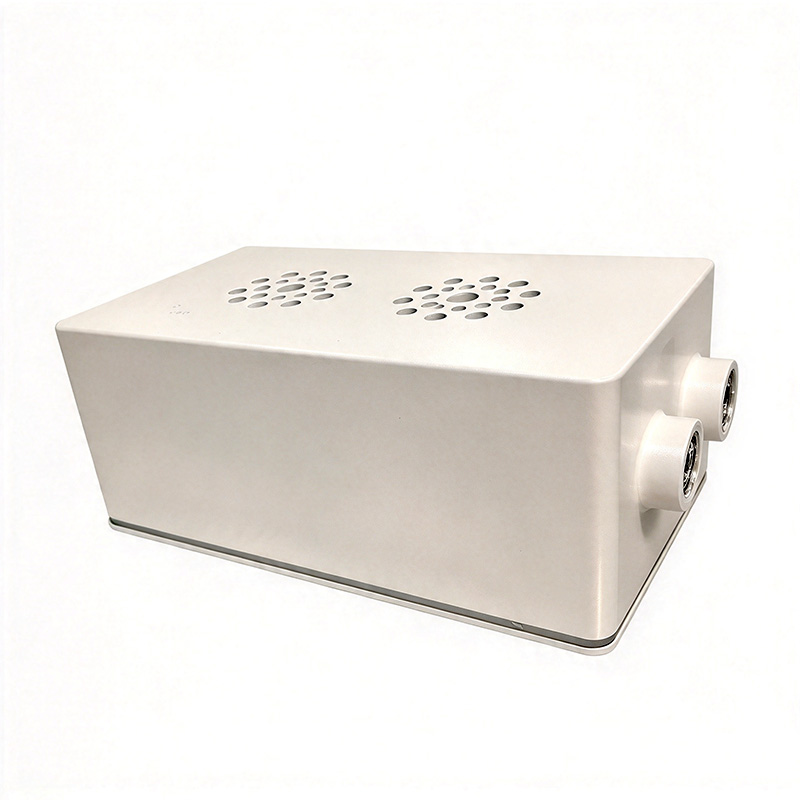
Special attention must be given to cable entries. Each cable must be provided with a sealed gland as well as with suitable strain relief. In addition to this, drainage must also be designed. The roof must be designed to allow water to run off, and any internal cavities that get wet must allow water to drain from them.
A weather-resistant powder coating of 60-80 μm is applied to outdoor cabinets over a surface that has been properly pretreated. In addition to coating, degreasing and phosphating must first be carried out and checked for adhesion. The cross-hatch test as well as corrosion tests under salt-spray are typical pre-production tests for paint finishes.
Selection of suitable materials depends on the specific project conditions and budget available. Each suitable material has its own cost-weight-corrosion-resistance-workability balance.
|
Material |
Where it fits |
Trade-offs |
|---|---|---|
|
SPCC cold-rolled steel with powder coat |
Sheltered and indoor installations |
Lowest cost finish; requires a suitable sound coating cycle for outdoor use. |
|
SGCC galvanized steel |
General outdoor sites, common default |
The zinc coating can provide some protection to exposed cut edges. The material is heavier than aluminum. |
|
SUS304 stainless |
High-humidity, or frequently cleaned sites |
Good corrosion resistance; higher material and forming cost |
|
Aluminum 5052 |
Weight-sensitive or pole-mounted units |
Light, quick to spread heat. It’s easy to dent it instead of cutting steel. |
Light-duty enclosures are designed with 1.2 mm material while higher power enclosures or locations prone to extreme vandalism would be designed with 3.0 mm material for added rigidity. Heavier gauge material costs more to bend and to ship so we only design with the required material gauge for the specific location where the unit will be installed.
Clearly defining the specifications for Charging Enclosures saves a lot of time in every project. Here are the SanJun Hardware specifications that are used to define scope for Charging Enclosures from initial RFQ through production completion.
Heat load and module layout in order to dimension vent area and airflow path.
Ambient temperature range and whether the site is exposed, open or coastal.
Target ingress rating, stated as a number such as IP54 or IP65 rather than "weatherproof".
Mounting method: floor-standing pedestal, wall-mounted, or pole-mounted.
Cable entry positions and cable sizes as per the wiring plan.
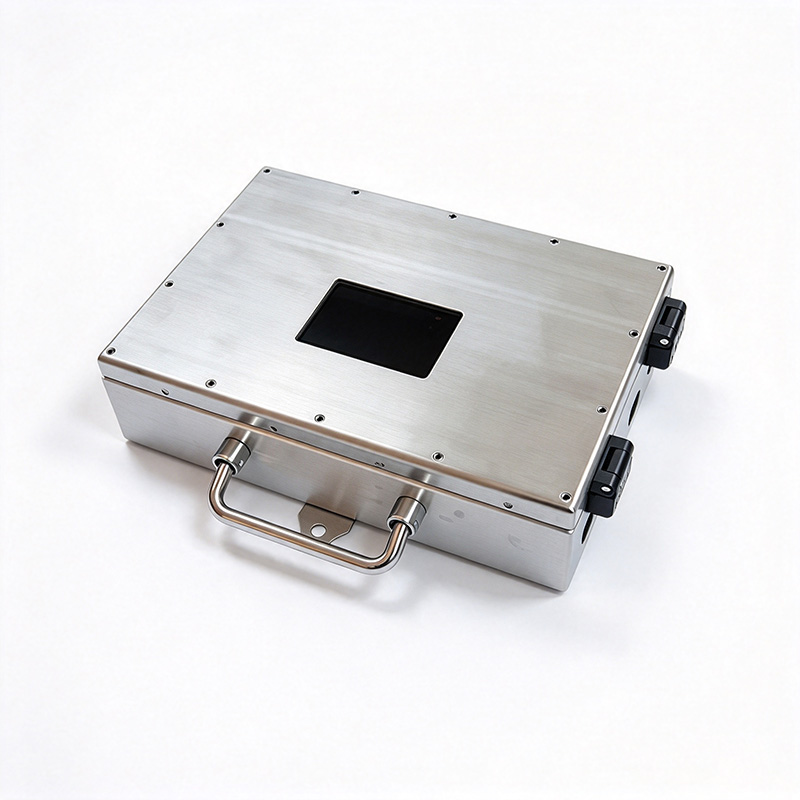
Panel cutouts for screen, card reader and emergency stop buttons.
Coating specification, color, and any branding.
Quantity tier – Prototypes are priced differently than volume runs.
We pre-review your drawings/module specifications for potential manufacturability problems and tolerance issues before we produce Standard enclosures within 7 to 15 working days. Custom made structural cases are produced within 20 to 30 working days and above depending on case complexity. We even produce single prototypes as a first piece order for your starting ordering of a prototype.
Thermal performance and weather protection need to be designed as two halves of one feature in the airflow path, with effective sealing, appropriate gauge and the correct coating. A cabinet at a roadside site is as quiet as a mouse during the hot summer months if designed correctly but absolute silence can never be recovered from should it go wrong and field service is unable to put right the inevitable lost life.
SanJun Hardware can provide custom DC fast charging enclosures to OEMs and Charging Station Operators as well as DFM review and surface finish review. We would be happy to perform an engineering review of your drawings or module specs to provide you with an assessment to support your charging project.
A: Yes. Standard Sealing packages are rated for IP54 / IP55. Harsher applications can be catered for by using upgraded gaskets, sealed cable glands etc. with suitable Ingress Protection to achieve an IP65 rating. This must be formally tested and verified to the Ingress Protection rating specified prior to despatch.
A: Convection only needs to be enabled for low heat loads in very densely packed systems. Low side intakes, such as those formed by low side louvers, can be coupled with high level outlets or even a roof vent to create effective airflow through the system. Internal channels can then be created to direct the airflow to the highest temperature area of the system and mounts provided for fans and for filtered intakes on the low side.
A: Standard stock items typically ship within 7-15 working days. Custom made structural stock items have longer lead times, typically 20-30 working days or more, depending on size, gauge and any special finishes required. Prototypes are made first even for single item orders. They will then ship when completed.
A: Yes. Drawings, 3D models, or hand sketches with key dimensions are all enough to start. The engineering team reviews manufacturability, proposes structure optimizations, and confirms production-ready drawings before cutting. Prototype orders start at one piece, and sample costs can be applied to volume orders.
























Leave a comments