
Nullam dignissim, ante scelerisque the is euismod fermentum odio sem semper the is erat, a feugiat leo urna eget eros. Duis Aenean a imperdiet risus.
Nullam dignissim, ante scelerisque the is euismod fermentum odio sem semper the is erat, a feugiat leo urna eget eros. Duis Aenean a imperdiet risus.
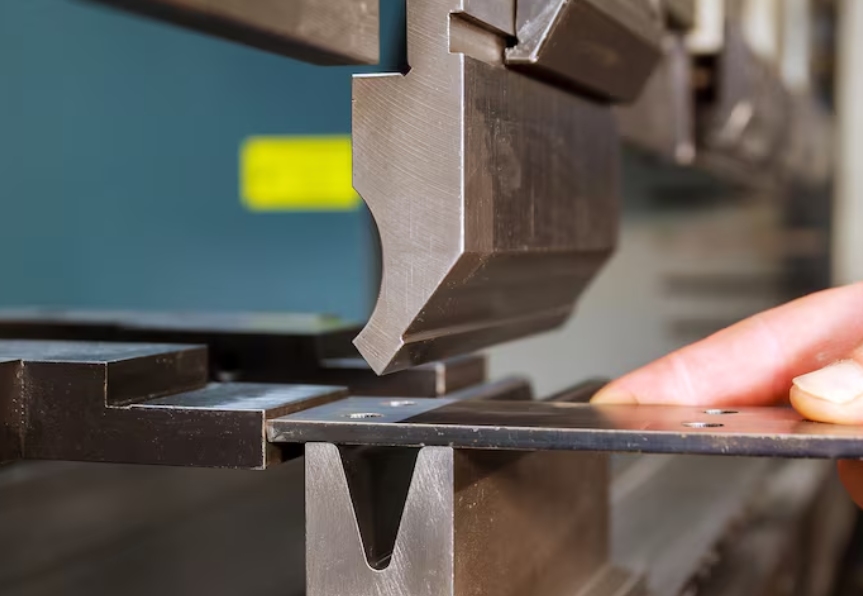
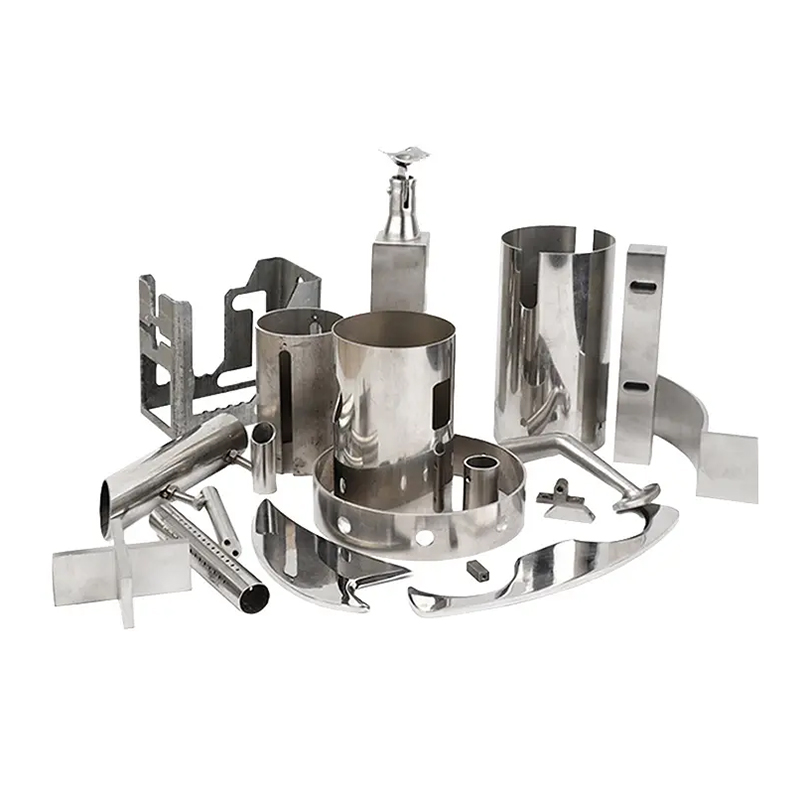
In the tough field of custom enclosures—whether they protect sensitive medical equipment or stand up to outdoor weather for digital signs—the finished product depends on careful sheet metal work. Sheet metal bending shapes flat pieces into parts with exact angles and 3D forms using tools like CNC machines. This step looks simple, but small design mistakes here can quickly raise costs, push back deadlines, and weaken the whole unit.
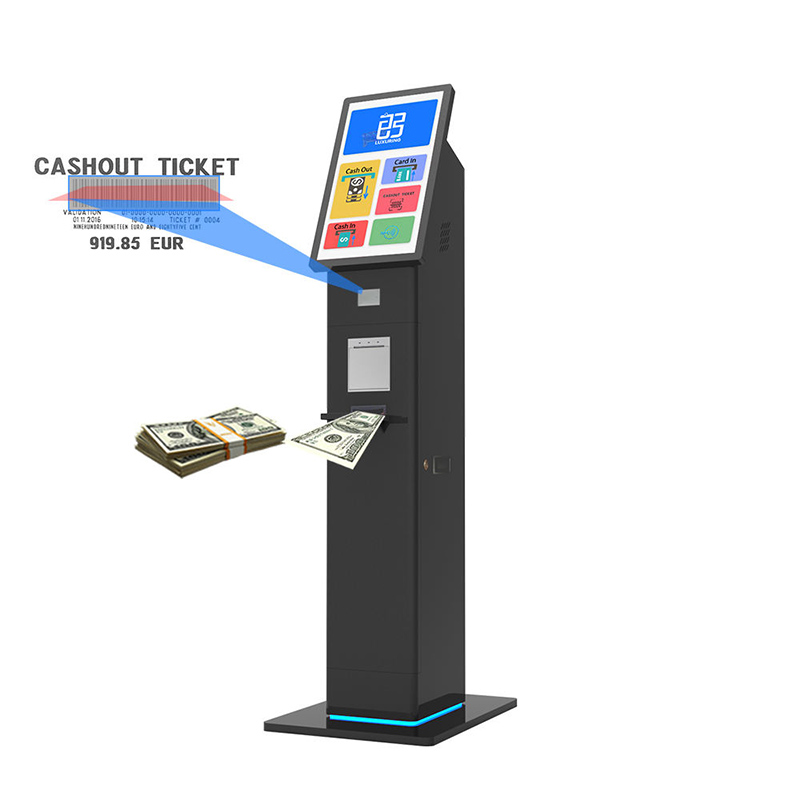
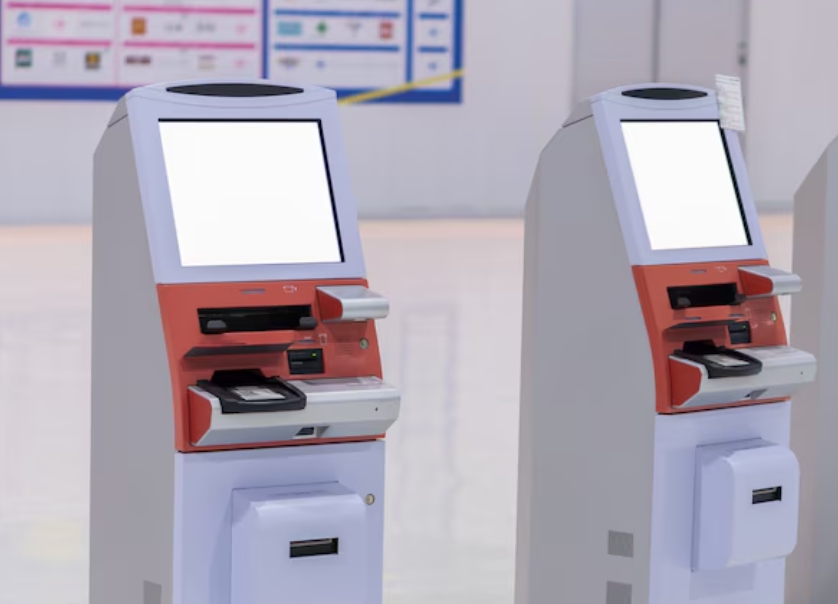
Custom enclosures, such as the Hospital Self-Service Kiosk Enclosure or the Intelligent Self-Service Cabinet, need accurately bent parts for proper hardware fit, strong structure, and a clean look. If the drawing ignores real bending limits or tool needs, parts can warp, measure incorrectly, or even crack. That often means costly fixes or starting over.
Design for Manufacturability (DFM) matters a lot in sheet metal jobs, especially for units in busy places like self-service touchscreen checkout terminals built for fast, dependable use. The aim is to combine tough build, good appearance, and easy handling. Below, we look at the usual design problems tied to sheet metal bending that cause trouble in many custom enclosure projects.
The sheet metal—cold-rolled steel, galvanized steel, or stainless steel—has its own traits that set limits on bending. Ignoring those rules almost always leads to failed parts.
A common problem comes from drawing a bend radius too small for the sheet thickness and type. The metal cracks along the bend line when the inner radius is too sharp because the material cannot stretch far enough. Companies like San Jun Hardware handle bending with tight control of pressure and angle to get the right shape without damage or cracks. Always check the supplier’s minimum radius tables for the thickness. This keeps enclosures strong, especially in units like the sturdy IP65 Self-service Terminal Integrated Machine Shell.
Sheet metal usually has a grain from the rolling mill. Bending along that grain raises the chance of cracks, mainly in harder metals. For solid parts, workers prefer to bend across or at an angle to the grain when they can. That gives better strength.
Sheet metal remembers its flat shape a bit. After the bending force stops, it springs back slightly. Designers who call for a perfect 90-degree bend without thinking about springback end up with angles a little wider than 90 degrees. Skilled shops use modern CNC press brakes, like the AMADA models at San Jun Hardware. These machines can over-bend on purpose to offset springback and hit the target angle within usual +/- 2 degree limits.
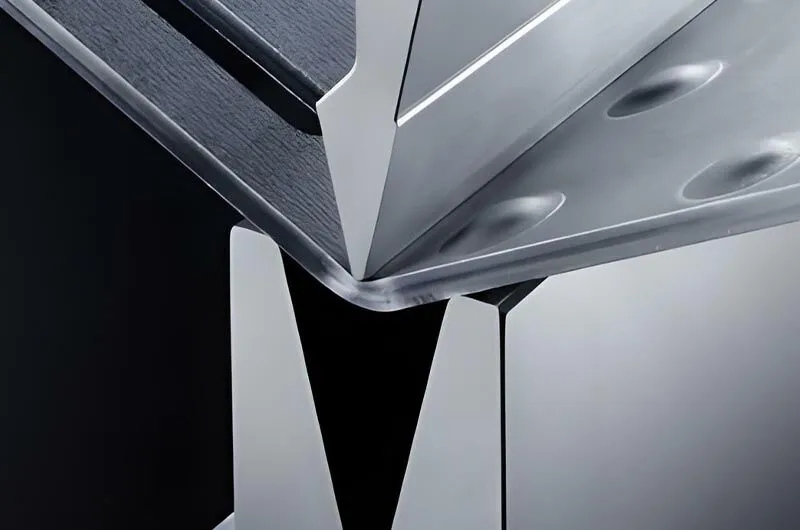
Where holes, slots, or other cuts sit compared to the bend line makes a big difference. Wrong spots cause part twisting, feature stretching, or tool clashes.
The flange is the flat area after the bend. It needs enough length for the punch and die to hold the sheet steady. Short flanges make clamping hard, leading to poor bends or tool harm. Cut features like holes or slots also need space from the bend line—often at least three times the thickness plus the radius—to avoid stretching during forming.
When a cutout or slot runs close to a bend line, the metal can bunch up or tear as it forms. Small bend relief cuts at those corners give the material room to move and stop tears. Adding these simple notches is a key DFM step for clean bends, especially in detailed parts from complex sheet metal jobs.
Parts with several bends near each other or deep U-shapes need careful review for tool access. If one bend blocks the path for the next, standard tools cannot reach. That forces extra setups or custom dies, adding time and money. The engineers at San Jun Hardware review drawings early to spot these issues and suggest practical fixes that keep the function and look intact.
Accuracy counts in sheet metal work, yet asking for tighter tolerances than the job needs drives up price and lead time.
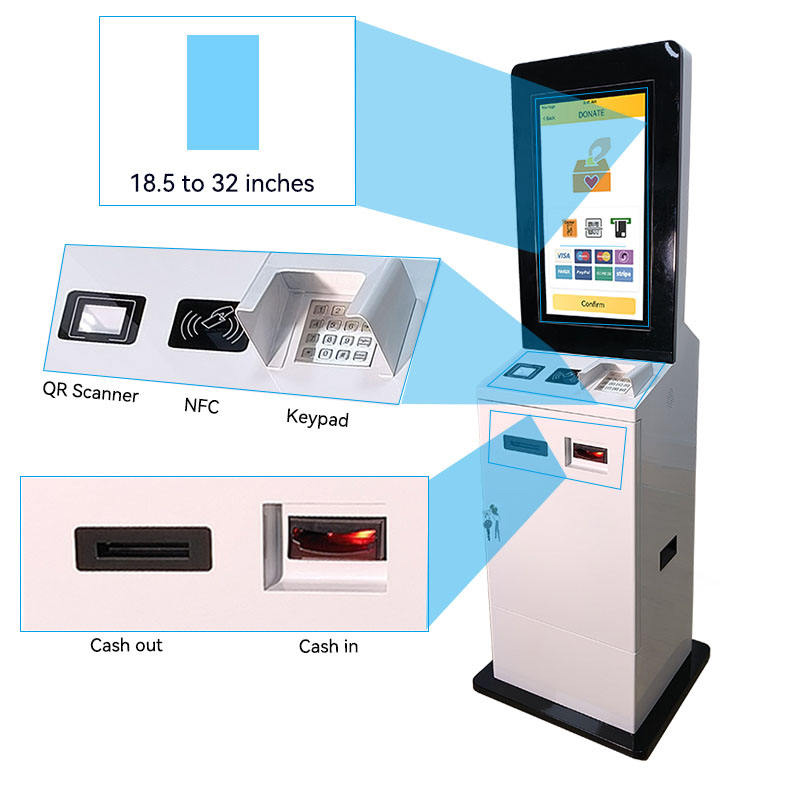
Flat blanks must account for the material used in each bend. Workers calculate this with K-Factor and Bend Deduction numbers. Mistakes here make finished parts too long or short, causing fit problems inside enclosures like 24, 27, or 32-inch self-ordering kiosk units. Good equipment control keeps the final sizes right.
Tight precision is possible, but calling for it everywhere raises expenses fast. At San Jun Hardware, standard bending holds +/- 0.4 mm for most dimensions and +/- 0.1 mm for linear features away from bends. Asking for +/- 0.05 mm on large bends often means extra machining, special checks, or dedicated tools. That pushes costs higher for parts in display, education, medical, and power fields.
Picking a skilled partner for sheet metal bending and DFM reviews is vital for smooth custom enclosure projects.
San Jun Hardware started in 2010 with a 5,000 square meter plant. The company handles full production and sales of sheet metal parts for display, education, medical, power, home, and new energy markets. We focus on custom components and offer complete service from material choice to volume runs. Advanced tools, including three AMADA CNC press brakes, support high-quality output.
In hospitals and stores, enclosures hold printers, card readers, and big screens. The Hospital Self-Service Kiosk Enclosure and Intelligent Self-Service Cabinets need precise bending for tight hardware placement. Even a small bend deduction error can shift a printer slot or bill slot out of line. San Jun Hardware uses proven equipment and steps to deliver parts that fit perfectly. The finished kiosks blend practical use with clean modern style for smooth daily operation.
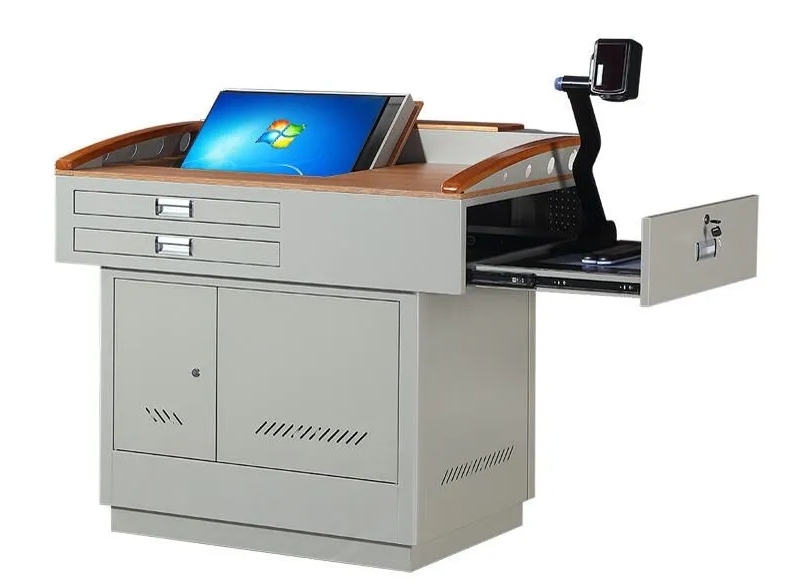
Strong sheet metal shops stand on clear needs, steady quality, and quick delivery. We handle custom runs without molds. Our 50 sheet metal engineers give direct help on design and parts. Early reviews catch common bending problems, cut costs, and speed products to market.
Bending mistakes often slow custom enclosure work, but good planning and the right partner stop them completely. Paying attention to bend radius, clearances, and sensible tolerances moves projects from drawing to finished part without trouble.
San Jun Hardware brings the needed accuracy with AMADA CNC machines and proven methods. We turn detailed plans into reliable parts for display, medical, education, and new energy uses. For critical jobs like the rugged Outdoor Custom Digital Signage Shell IP65 or exact Hospital Self-Service Kiosk Enclosure, count on San Jun Hardware to handle sheet metal bending challenges and deliver top results.
A: Violating the minimum bend radius required for the specific material thickness is the biggest mistake, as it can cause the material to crack or deform during the process.
A: San Jun Hardware utilizes high-precision equipment, including three AMADA CNC press brakes, and leverages the expertise of 50 professional sheet metal structural engineers to maintain tight control over force and angle, compensating for factors like springback.
A: For standard forming and bending, the typical tolerance is around +/- 0.4 mm, while angularity tolerance is typically +/- 2 degrees.
A: DFM (Design for Manufacturability) support helps optimize solutions by reviewing design drawings for common errors—like insufficient bend relief or clearance—to streamline the process, reduce procurement costs, and accelerate product time to market.


























Leave a comments