
Nullam dignissim, ante scelerisque the is euismod fermentum odio sem semper the is erat, a feugiat leo urna eget eros. Duis Aenean a imperdiet risus.
Nullam dignissim, ante scelerisque the is euismod fermentum odio sem semper the is erat, a feugiat leo urna eget eros. Duis Aenean a imperdiet risus.
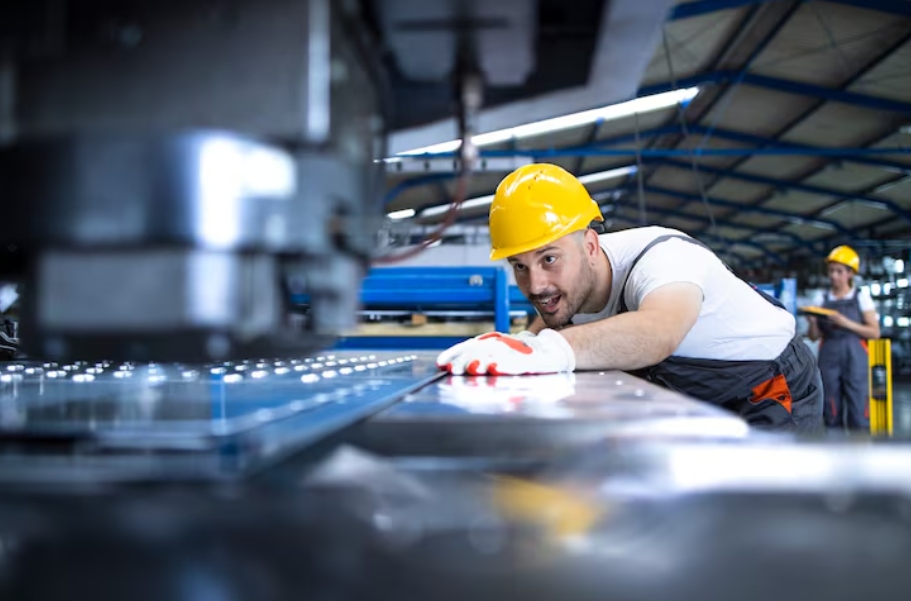
In today’s factories, every minute on the line costs real money. For companies building kiosks, medical terminals, digital signs, vending machines, or power equipment, the sheet metal parts usually arrive looking fine. The real trouble starts when the assembly crew picks them up. A hole that’s off by half a millimeter, a bend that’s a degree out, or a missing stud can turn a ten-minute job into an hour of filing, drilling, and swearing. Those little fixes add up fast—sometimes eating 20-30 % of the total labor budget on a project.
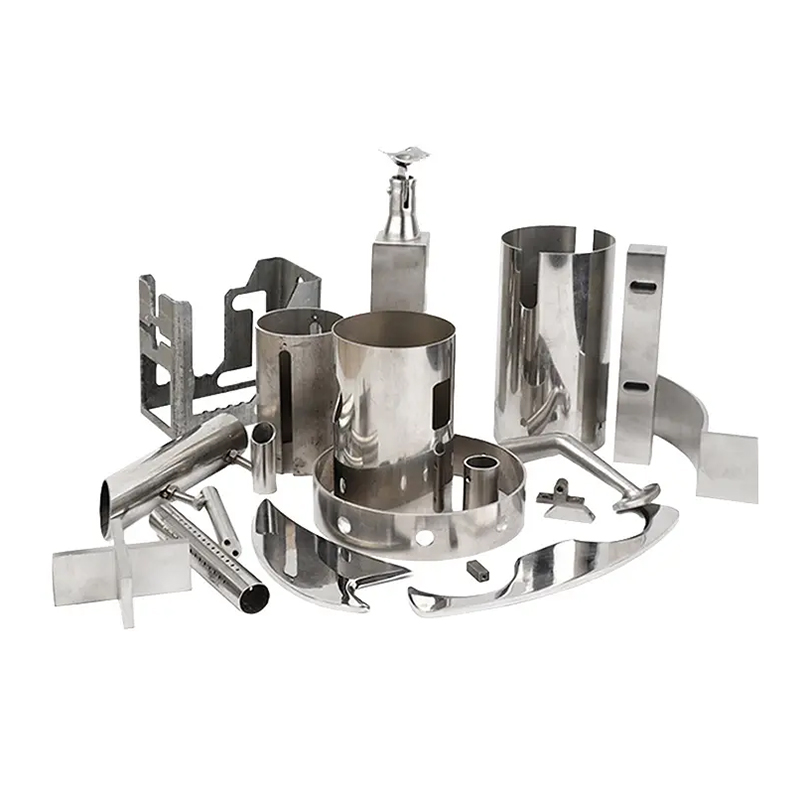
The smartest way to cut assembly time is to fix problems before they happen, right at the drawing stage. San Jun Hardware makes custom sheet metal parts and has spent years figuring out exactly what makes parts snap together quickly. We look at every print the customer sends, point out the spots that will cause headaches, and build the parts so they drop into place the first time. Customers tell us they often shave days—or even weeks—off their final build schedule just because the metal parts fit without fighting.
Tighter tolerances mean fewer tools on the assembly bench. San Jun Hardware runs modern machines and checks every run, so parts line up perfectly.
Think about a hospital self-service kiosk. The screen bracket has eight holes that must match the back panel exactly, or the whole front bezel sits crooked, and the door won’t close. We cut those holes with 3000 W fiber lasers and CNC turret punches. On steel or aluminum from 0.5 mm to 2.0 mm thick, we hold ±0.1 mm all day long. When the brackets and panels reach the customer’s line, the screws go straight in—no reaming, no oval holes, no extra shims.
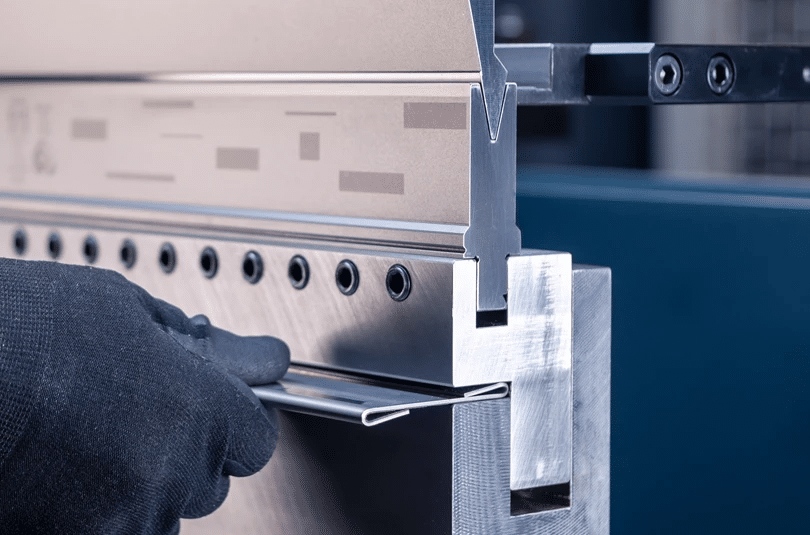
A bend that’s off by a degree on a 1-meter-long panel can throw the whole box out of square. Doors bind, seals leak, and the painter spends extra time filling gaps. Our AMADA CNC press brakes keep bends within +/- 0.4 mm on position and +/- 2 degrees on angle. The result? Four side panels plus a top and bottom come together square and flat every time. Assembly crews just set them on the fixture, tack a few welds, or drop in the screws, and move on.
Why make your own people install studs and nuts when we can do it faster and cheaper in the shop?
Riveting a handful of PEM studs or clinch nuts by hand can take three to five minutes per part—times a hundred parts, that’s hours gone. We run two American Haeger auto-feed presses that plant those fasteners in seconds, holding the hole diameter to ±0.06 mm. Parts leave our dock with everything already pressed in place. Your line workers simply line up the mating piece and run a screw home.
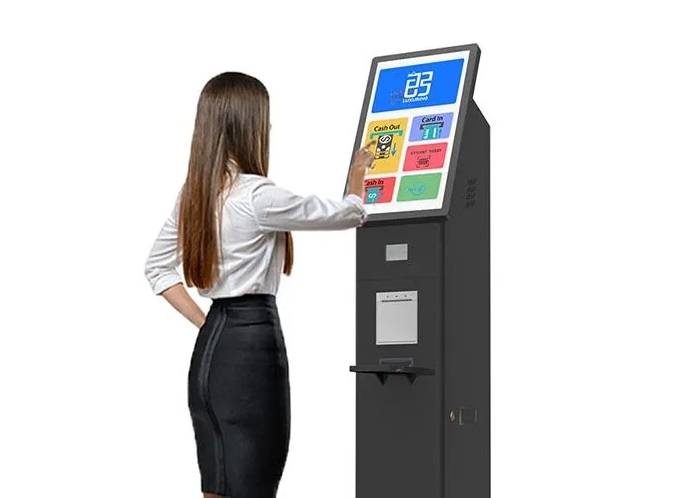
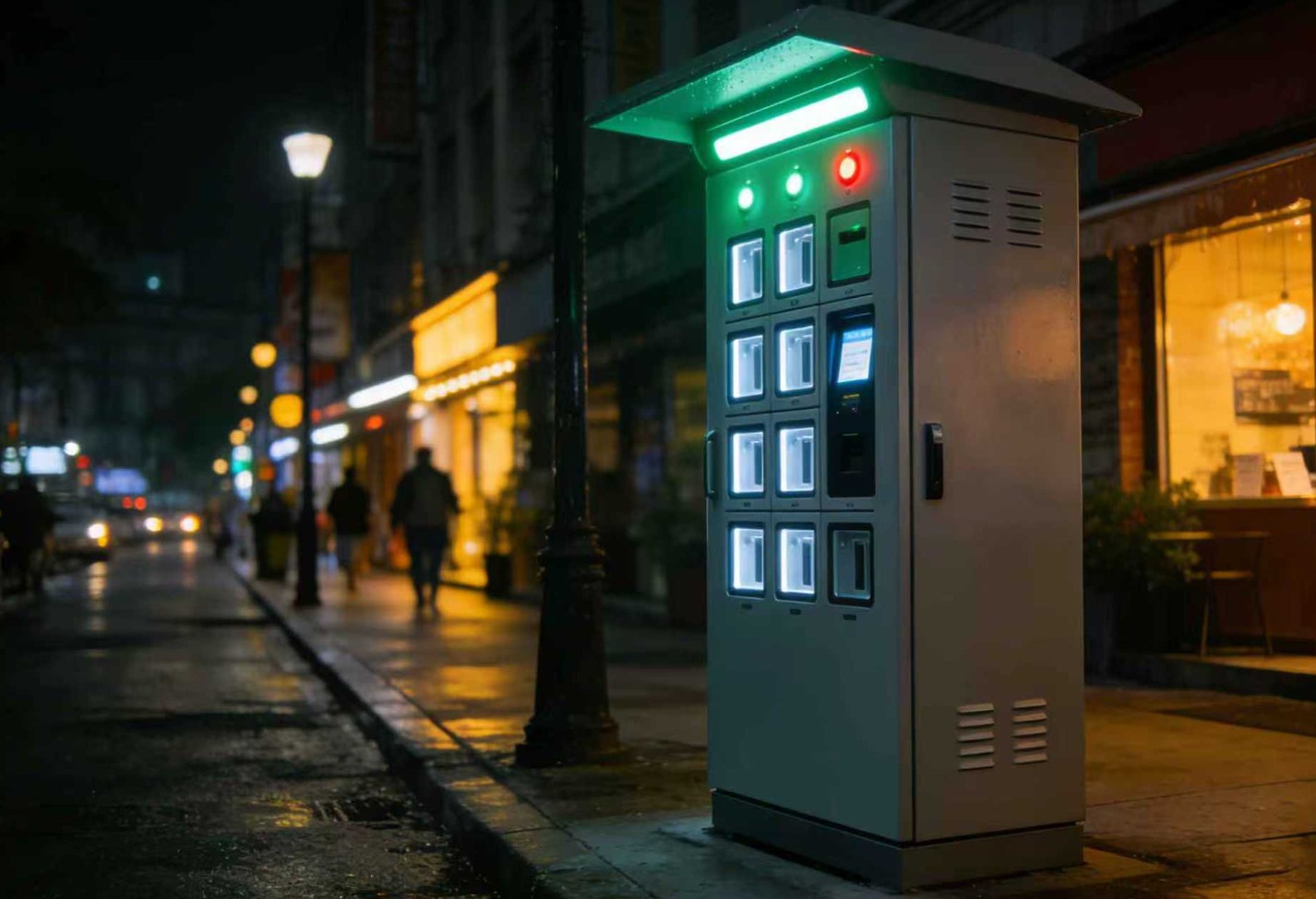
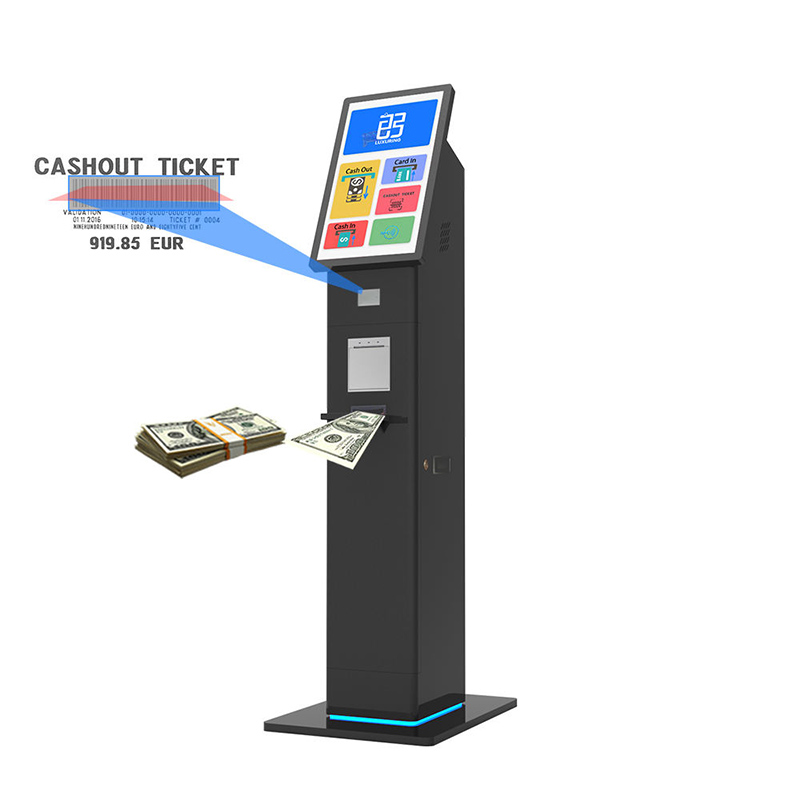
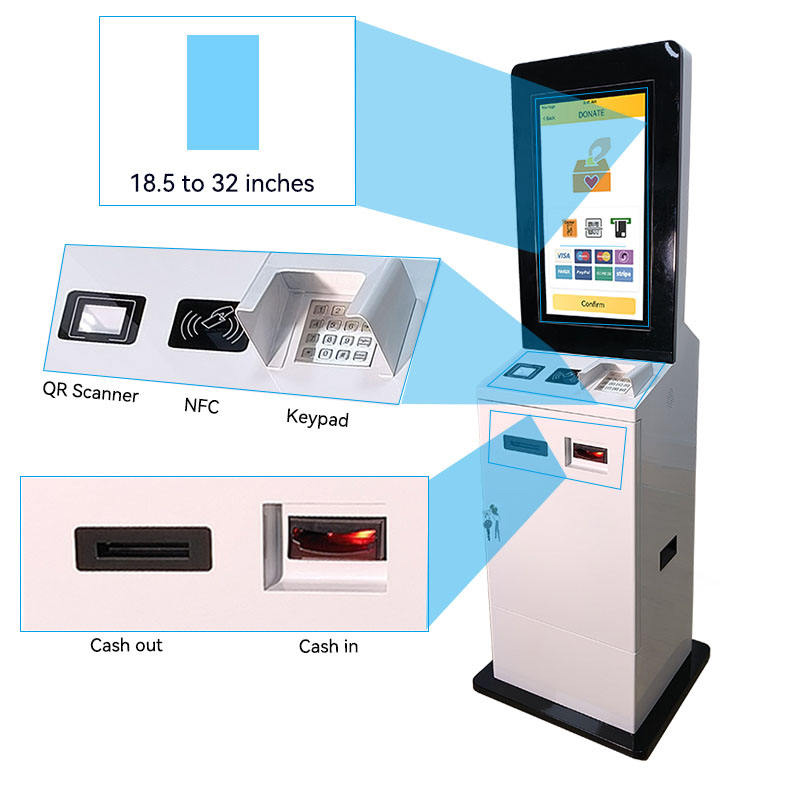
Fewer pieces mean fewer screws and fewer mistakes. Take the IP65 Self-service Terminal Integrated Machine Shell or the Hospital Self-Service Kiosk Enclosure. Instead of shipping ten separate brackets and covers, we build one big welded base frame with all the monitor mounts, printer bays, and card-reader pockets already formed and located. A 32-inch screen drops onto four welded studs, the printer slides into its pocket, and the whole front panel hangs on hinges that are already riveted in place. What used to take a full shift now takes under an hour.
Hospital kiosks live in busy lobbies and have to be spotless and rock-solid. We built the Hospital Self-Service Kiosk Enclosure from cold-rolled steel with anti-rust treatment. Every printer tray, card slot, and camera bracket is cut and bent so the electronics team can slide modules in from the front and tighten four screws—no crawling inside the box with a drill.
For the Outdoor Custom Digital Signage Shell IP65, flat mating surfaces are everything. We use TIG and seam welding after precision laser cutting, so the gasket groove lands exactly where the drawing says. The sealing strip lies flat, the bolts torque evenly, and the box passes the water test the first time instead of going back for grinding and re-welding.
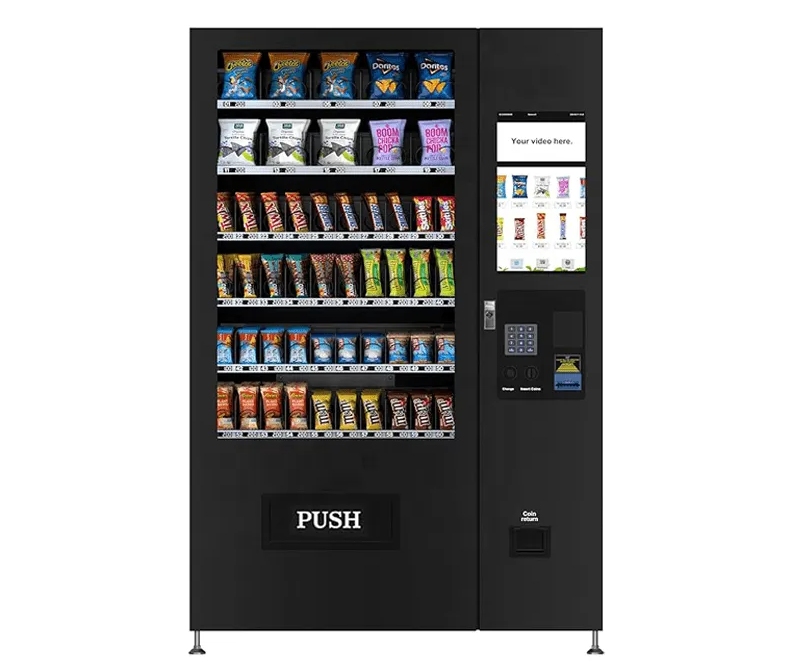
Vending machines and smart retail cabinets are packed with payment modules, coin hoppers, and cooling fans. On the Custom Drinks and Snacks Vending Machine Enclosures, we pre-install all the internal rails and standoffs. The payment system vendor bolts their unit straight to our welded studs, the refrigeration guy hangs the compressor on pre-positioned holes, and the whole cabinet closes up without a single extra bracket.
Nothing slows a line like hunting for the right part or finding a scratched panel. Every piece goes through our ISO 9001 checks, gets powder-coated or printed with clear part numbers and alignment arrows, and ships in protective foam. Customers regularly say the boxes look “ready for the showroom” when they open the crate—no touch-up, no rework.
Sanjun Hardware started in 2010 and now runs a 5,000 m² shop with fifty full-time sheet-metal engineers. We quote most jobs within 24 hours and ship samples in 3–7 working days after drawings are approved. That speed, plus the small details we catch up front, is why customers keep coming back.
A: ±0.1 mm on laser cutting for 0.5–2.0 mm material, +/- ±0.4 mm on bend location, and +/- ±2 degrees on angles—so parts fit the first time.
A: We pre-install studs, nuts, and PEM fasteners on Haeger presses in our shop, so your crew skips the entire riveting step.
A: Busy terminals like the Hospital Self-Service Kiosk Enclosure and IP65 Self-service Terminal Integrated Machine Shell that pack big screens, printers, and card readers into one clean box.
A: 3–7 working days after we receive confirmed drawings and any sample fee.

























Leave a comments