Louvers vs Mesh Dust Filters: Balancing CFM & IP Protection
Louvers vs Mesh Dust Filters: Balancing CFM & IP Protection
Designing high-performance outdoor and industrial equipment requires solving a constant thermal engineering puzzle: keeping internal electronics cool while safeguarding them from harsh outdoor environments. Selecting the right sheet metal enclosure ventilation and intake airflow geometry directly impacts system longevity, fan power consumption, and maintenance schedules.
Thermal Throttling Risks: Excess static pressure drop reduces effective fan delivery, leading to internal heat accumulation and component derating.
Ingress Vulnerabilities: High ventilation open area ratios often compromise IP ratings, exposing internal assemblies to rain, spray, or particulate contamination.
Maintenance Overhead: Clogged filtration media increases field service costs and causes unexpected thermal shutdowns.
To help system integrators and engineers navigate these design trade-offs, SanJun Hardware delivers custom-engineered sheet metal enclosure ventilation solutions tailored for demanding operational environments.
Understanding Intake Geometries in Sheet Metal Enclosure Ventilation
Choosing between geometric sheet metal louvers and woven mesh media requires evaluating fluid dynamics alongside environmental protection demands. For engineers comparing a louvered vent vs. a dust filter, airflow resistance, environmental exposure, and maintenance requirements are critical design factors.
Open Area Ratio and Static Pressure Drop
The geometric ratio between open vent space and solid sheet metal determines how freely cooling air moves into the cabinet and is a key factor in enclosure airflow optimization.
Effective Free Area: Louver geometries maximize the net open area, maintaining low intake velocity and minimal system resistance while improving the ventilation open area ratio.
System Impedance: High-density intake media restricts fan performance curves, forcing fans to operate against higher backpressure.
CFM Optimization: Achieving target enclosure airflow CFM depends on minimizing intake restriction to preserve forced-convection efficiency.
Ingress Protection (IP) Requirements across Industrial Environments
Matching intake geometry to standardized protection ratings prevents moisture and particulate intrusion from damaging sensitive power components and supports effective IP-rated enclosure ventilation.
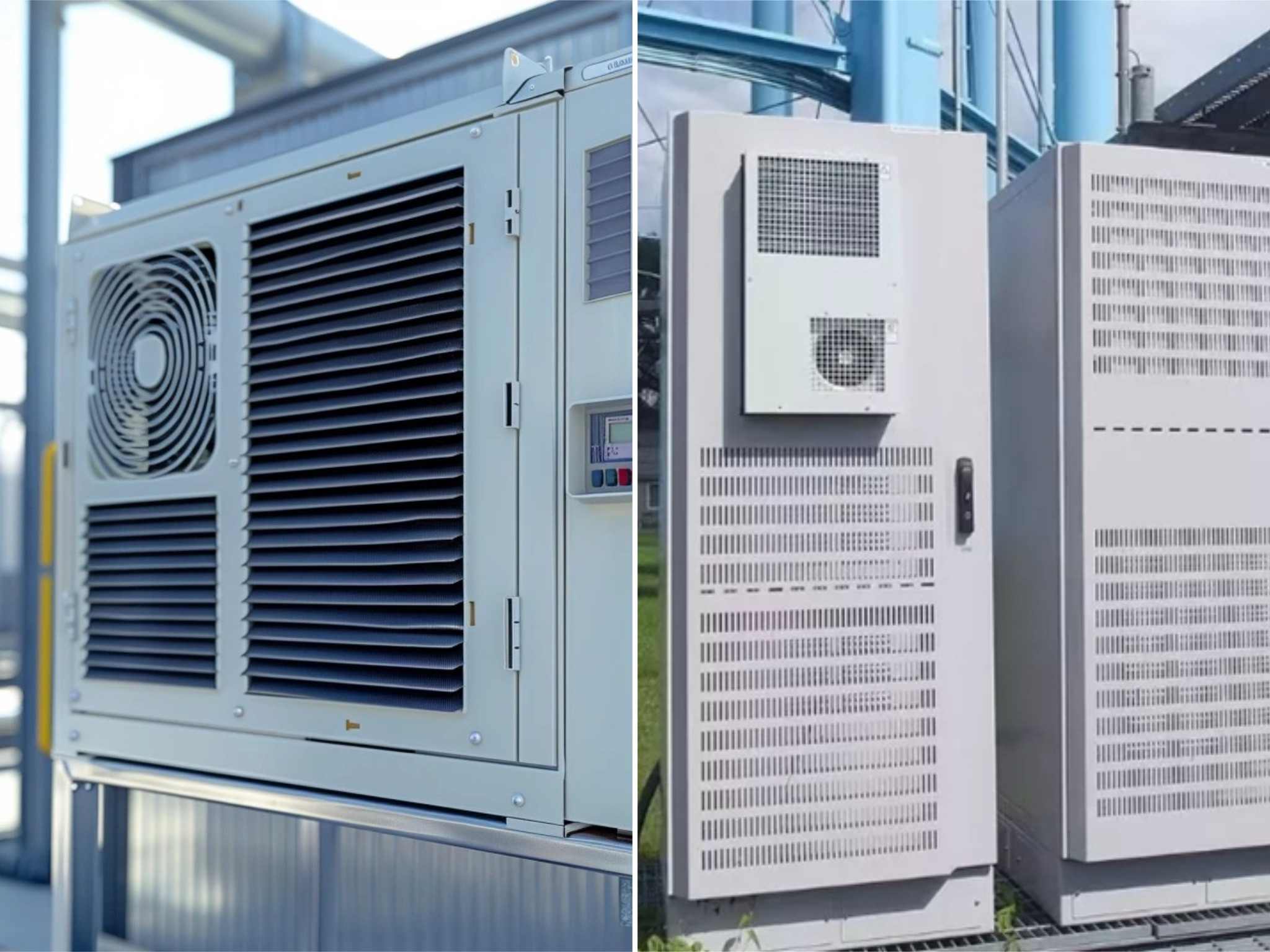
IP54 to IP55 Protection: Requires baffling or angled geometries to prevent water jets and dust deposits from entering active electronics bays.
Dust Ingress Dynamics: Fine ambient dust degrades insulation resistance, necessitating tailored dust protection for electrical enclosures.
Water Deflection: Downward-angled geometric louvers rely on gravity to shed wind-driven rain and washdown spray, supporting a more reliable ingress protection enclosure design.
Louvers vs. Mesh Dust Filters: Technical Comparison
Comparing structural louvers and removable mesh filtration media highlights distinct tradeoffs in cooling capability, static pressure, and routine maintenance when evaluating a louvered vent vs. dust filter solution.
Sheet Metal Louver Design: High CFM with Directional Protection
Formed directly into the cabinet walls, sheet metal louver design provides robust mechanical protection without adding secondary consumable components.
Zero Maintenance: Permanent sheet metal structures eliminate periodic filter replacements and risk of filter media degradation.
High Volumetric Airflow: Enclosure louver ventilation delivers high airflow CFM by maintaining an optimized ventilation open area ratio.
Structural Integrity: Stamped louvered vents maintain enclosure rigidity while offering inherent resistance to physical impacts and vandalism.
Mesh Dust Filters: Particle Capture at the Cost of Airflow Resistance
Woven synthetic or metallic mesh filters physically trap airborne dirt before it reaches internal heat sinks and circuit boards.
Particulate Filtration: An electrical enclosure dust filter catches fine dust, sand, and fibers before they migrate into sensitive assemblies.
Elevated Pressure Drop: Fan filter pressure drop increases exponentially as dirt accumulates, drastically choking active airflow over time.
Filter Fan Integration: Adding a mesh dust filter for enclosure intakes requires high-static-pressure fans to overcome airflow restriction.
Selecting the optimal intake geometry depends heavily on operational ambient conditions, thermal loads, field service accessibility, and overall industrial enclosure cooling requirements.
Outdoor Power & Charging Infrastructure: Louver Dominance
High-power outdoor cabinets demand continuous thermal dissipation under direct sunlight and high ambient temperatures.
Gleichstrom-Ladestation-Gehäuse: Utilizes custom louvered intake patterns to manage intense thermal dissipation during fast-charging cycles without air throttling.
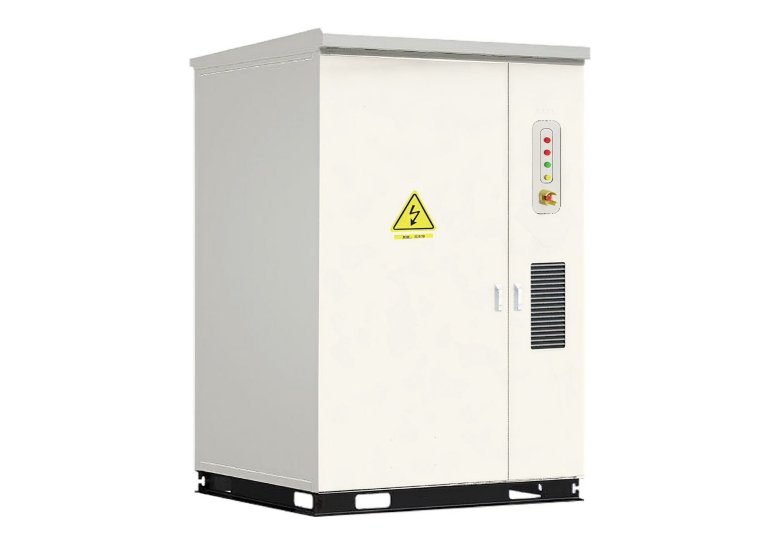
Energy Storage Cabinet (BESS): Employs heavy-gauge, multi-directional louver panels to protect high-capacity battery modules while sustaining steady passive or forced ventilation.
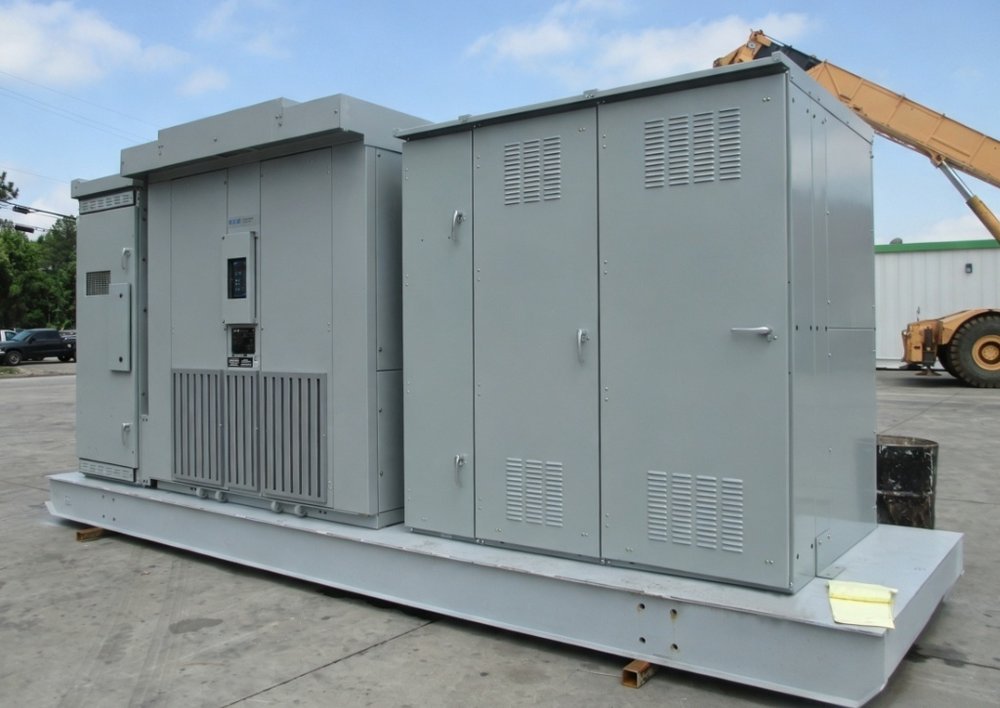
All-Weather Performance: Angled sheet metal louvers block driving rain and heavy splash without requiring field cleaning crews.
Sensitive Control & Telecom Equipment: Hybrid Filter Fan Systems
Delicate microelectronics housed in dusty factory floors or remote sites require tight particulate management.
Telecom Communication Cabinets: Integrates a sealed filter fan for electrical enclosure setup to shield sensitive optical fiber switches and wireless radios.
Equipment Chassis/Cabinet: Combines high-density mesh filtration with louvered outer doors to achieve balanced industrial enclosure cooling and dust isolation.
Thermal Safeguards: Dual-stage intake geometries protect internal drives and PLCs from abrasive dust without triggering thermal cutoffs.
How SanJun Hardware Delivers Optimized Enclosure Airflow & Protection
SanJun Hardware is a specialized OEM manufacturer providing custom sheet metal fabrication with end-to-end design, prototyping, and production services for reliable enclosure airflow optimization and environmental protection.
Precision Custom Fabrication & DFM Engineering
Our engineering team utilizes advanced DFM analysis and precision CNC stamping to optimize airflow intake geometry for your exact thermal profile.
Tailored Louver Geometries: We customize louver depth, pitch, and open area ratios to match specific fan curves and enclosure airflow CFM targets.
Advanced CNC Stamping: Ultra-precise punching ensures zero burrs, clean bend radii, and structural consistency across high-volume production.
Free Engineering Review: We offer free CAD design reviews to balance cost, structural rigidity, and IP-rated enclosure ventilation standards.
End-to-End Sheet Metal Manufacturing & Reliability
We draw on more than 15 years of hands-on work and hold ISO 9001 certification. This lets us handle jobs from one quick prototype up to full production runs.
Complete Surface Finishing: Powder coatings suited to outdoor use, anodizing, and machine-applied gaskets provide solid protection from dust and moisture in enclosures.
Material Versatility: We work with cold-rolled steel, 304/316 stainless steel, and aluminum alloys. These options suit both outdoor security units and factory control panels.
Seamless Integration: Custom brackets and mounting hardware line up exactly with your designs. This cuts down the time needed for final assembly.
Optimize Your Enclosure Thermal Performance Today
Ready to resolve thermal throttling and elevate your enclosure IP protection? Contact the engineering team at SanJun Hardware today to request a free CAD design review, detailed DFM feedback, or an instant quote for your custom sheet metal enclosures.
FAQ (häufig gestellte Fragen)
Q: How does a sheet metal louver affect overall enclosure airflow CFM compared to a mesh dust filter?
A: Sheet metal louvers start with lower resistance and maintain steady enclosure airflow CFM as time passes. Mesh filters raise static pressure drop, and the drop grows worse once dirt collects on the surface.
Q: Can louvered vents achieve IP55 ratings without secondary filtration?
A: Yes. Multi-stage or downward-curved louvers work with internal baffles and drainage channels to reach IP55 splash and dust protection. They do this without any extra filter media in the way.
Q: What key factor causes thermal throttling in forced-convection electrical enclosures?
A: High static pressure drop at the intake vents cuts fan output. The fans move away from their best performance point, so enclosure airflow CFM falls below what the heat load needs.
Q: How often should mesh dust filters be replaced in harsh industrial environments?
A: In high-dust areas, the filters need checks every 1 to 3 months. Cleaning or swapping them keeps airflow open and stops heavy thermal derating inside the electronics.
Ja. Wir unterstützen eine Mindestbestellmenge von 1 Stück, es ist kein Werkzeugaufwand erforderlich. Alle kundenspezifischen Blechgehäuse können direkt nach Ihrem Entwurf gefertigt werden.
Ja, wir akzeptieren die kundenspezifische Blechbearbeitung strikt auf Grundlage Ihrer 2D/3D-Zeichnungen. Wir bieten kostenlose DFM-Prüfungen an und halten uns an Ihre genauen Material-, Toleranz- und Oberflächenanforderungen. Sowohl Prototypen als auch Massenproduktionen sind mit voller Qualitätskontrolle und Verpackung nach Exportstandard verfügbar.
Selbstverständlich. Teilen Sie uns einfach Ihre Produktgröße, Montagefunktion, Einsatzszenario und Leistungsanforderungen mit. Unser Blechbearbeitungsteam bietet Ihnen kostenlose Konstruktionsplanung, Lösungsoptimierung und DFM-Analyse.
Sie müssen keine Zeichnungen erstellen; wir übernehmen die gesamte Konstruktionsarbeit vom Entwurf bis zur Fertigungszeichnung, um Ihre F&E-Kosten und -Risiken zu minimieren. Wir überarbeiten die Zeichnungen so lange, bis sie Ihre Montageanforderungen perfekt erfüllen.
Wir bieten eine 24-Stunden-DFM-Zeichnungsprüfung und ein formelles Angebot nach Erhalt Ihrer technischen Anforderungen.
Ja. Wir bieten schnelle Muster für Prototypen nach Ihren Zeichnungen an, damit Sie Struktur und Größe vor der Großbestellung überprüfen können.
Alle unsere Produkte haben die Zertifizierungen ISO9001, EMC, LVD und RoHS erhalten.
Wir erfüllen vollständig die globalen Sicherheits- und Qualitätsstandards und liefern stabile, vertrauenswürdige Lösungen für alle Projektanwendungen.
Wir betreiben eine eigene Fabrik und bieten eine umfassende Inhouse-Fertigung aus einer Hand.
Strenge Prozesskontrolle und standardisiertes Qualitätsmanagement garantieren stabile Produktqualität und pünktliche Lieferung, was zu verlässlichen langfristigen globalen Partnerschaften führt.
Wir verarbeiten eine volle Bandbreite von Standard- und Hochleistungsblechmaterialien, einschließlich Edelstahl (304/316), Aluminium (5052/6061), kalt-/warmgewalzten Stahl, verzinkten Stahl, Messing und Kupfer. Wir können auch Spezialmaterialien nach den Anforderungen Ihres Projekts beschaffen.
Unsere Standard-Bearbeitungstoleranz beträgt ±0,1 mm beim Laserschneiden und Biegen. Bei hochpräzisen Teilen können wir je nach Materialstärke und Teilestruktur eine Toleranz von ±0,05 mm erreichen. Alle Abmessungen werden vor der Auslieferung gemäß 100% geprüft, um Ihren Anforderungen gerecht zu werden.
Ja, wir bieten umfassende Oberflächenbehandlungsdienste aus einer Hand an, darunter Pulverbeschichtung, Lackierung, Anodisierung, Sandstrahlen, Bürsten, Galvanisieren, Passivierung, Polieren und Wärmebehandlung. Wir können Farben und Effekte nach Ihren Vorgaben anpassen.
Ja, wir unterzeichnen immer eine NDA (Geheimhaltungsvereinbarung), bevor wir Zeichnungen oder Designdetails von Kunden erhalten. Wir schützen Ihr geistiges Eigentum strikt und behandeln alle Ihre Projekte vertraulich.
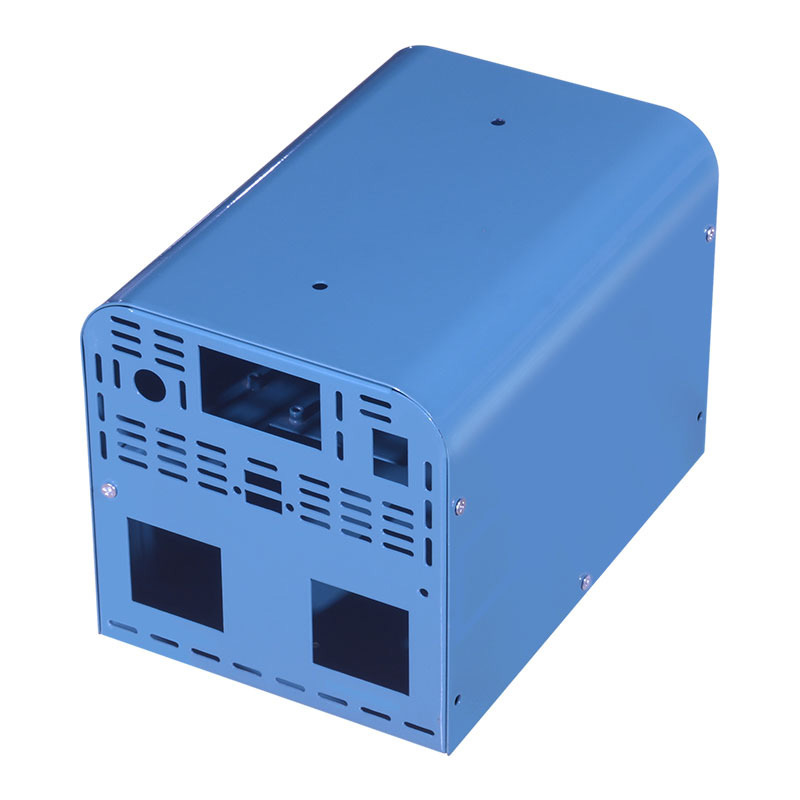
<p>Custom portable power station enclosure fabricated from cold-rolled steel with a durable blue powder-coated finish. Designed for outdoor mobile power stations, camping power packs and residential energy storage batteries, this sheet metal case combines laser-cut display windows, fan holes, vent louvers and USB/AC socket openings with rounded-corner bending and detachable panels for fast battery-pack assembly. We fabricate each enclosure to your internal layout – dimensions, color, cutouts, vent pattern and internal brackets are fully customizable. No mold cost, MOQ 1 piece, +/-0.1 mm tolerance, 8-10 day prototype.</p>
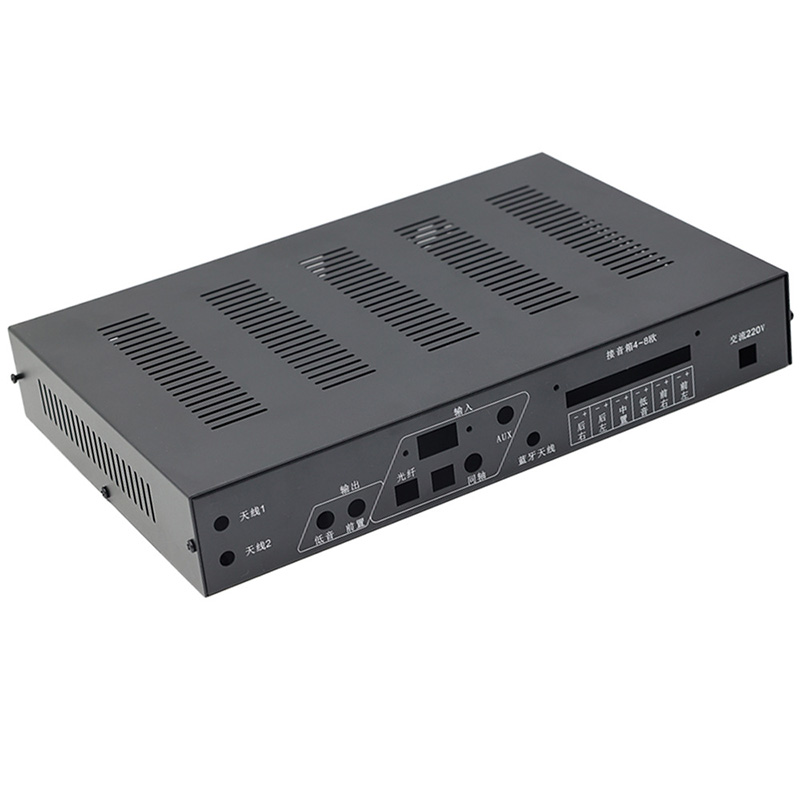
<p>Custom AV amplifier chassis fabricated from cold-rolled steel with a matte black powder-coated finish. Engineered for home theater, multi-channel audio power amplifiers and commercial sound systems, this sheet metal enclosure combines laser-cut top vent louvers, reinforced front-panel cutouts and precision silkscreen markings for fiber, coaxial, AUX and Bluetooth inputs, plus subwoofer and speaker outputs. We fabricate each chassis to your panel drawings – dimensions, vent pattern, connector openings, grounding tabs and mounting brackets are fully customizable. No mold cost, MOQ 1 piece, +/-0.1 mm laser-cut tolerance, 7-10 day prototype.</p>
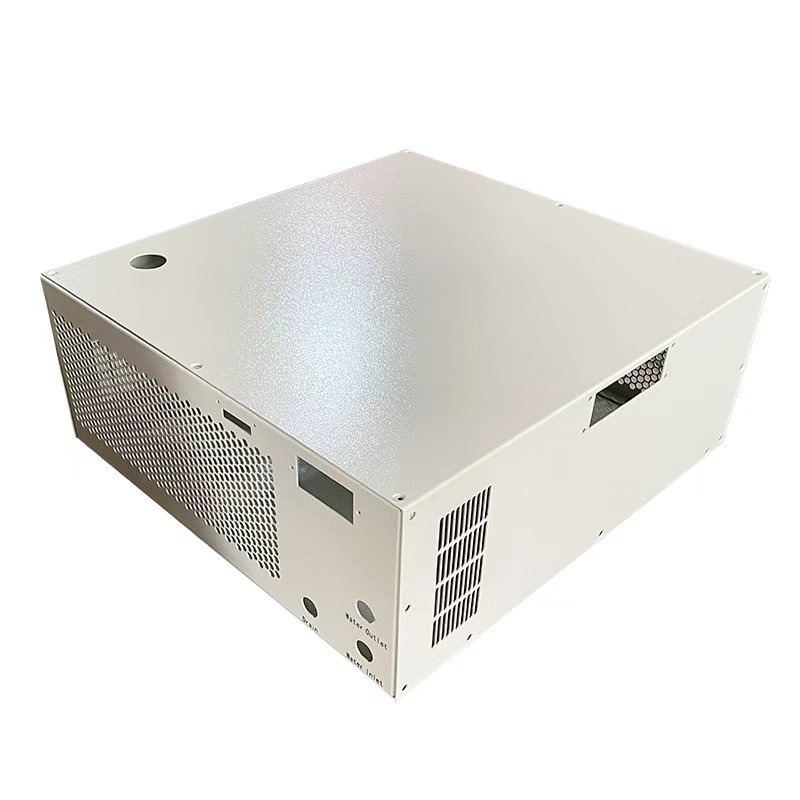
<p>Kundenspezifisches Netzteilgehäuse aus Aluminium. Sandgestrahlte und eloxierte Oberfläche, lasergeschnitten. Aussparungen für Wasserzulauf/-ablauf, Abfluss und wabenförmige Belüftung. Mindestbestellmenge: 1 Stück.</p>



























Hinterlasse einen Kommentar