Optimize Airflow & Cooling with Custom Perforated Vent Patterns
Optimize Airflow & Cooling with Custom Perforated Vent Patterns
Introduction to Airflow Engineering in Custom Enclosure Fabrication
Effective thermal management in modern industrial enclosures requires balancing component heat dissipation with mechanical strength and environmental protection. Achieving optimal cooling performance depends directly on how the perforated ventilation pattern, airflow path, and ventilation openings are engineered into sheet metal structures.
Thermal Management Challenges in Heavy-Duty Industrial Enclosures
Enclosure designers must address complex thermal and structural requirements when housing high-power electronic components.
Heat concentration in high-density rack systems, energy storage units, and outdoor power stations requires high-volumetric airflow to maintain effective electronics enclosure cooling and avoid thermal throttling.
Poorly designed sheet metal ventilation holes create high aerodynamic drag and excessive static pressure drop, causing internal ambient temperatures to rise rapidly under full load.
As an integrated custom sheet metal enclosure manufacturer offering production and sales solutions, Ferretería SanJunprovides custom-engineered enclosures and structural components tailored to complex thermal requirements and enclosure airflow optimization.
Engineering the Trade-Off Between Open Area and Structural Integrity
Maximizing the ventilation open area ratio improves thermal throughput, but removing excessive material can compromise panel stiffness and structural integrity under physical load or vibration. Successful enclosure airflow optimization requires a precise mathematical and mechanical balance during the sheet metal vent design stage.
Calculating Open Area Ratios for High-Performance Enclosures
Selecting the proper perforated ventilation pattern, hole arrangement, and spacing determines both the ventilation open area ratio and final panel strength.
Staggered round sheet metal ventilation holes typically yield open area ratios between 40% and 60%, providing a balanced compromise for general electronics enclosure cooling.
Hexagonal geometries can increase the ventilation open area ratio while maintaining more uniform material distribution across adjacent metal bridges.
Implementing high-precision laser-cut ventilation holes ensures clean edges without burrs, maintaining consistent hole pitch, geometry, and dimensional accuracy across production runs.
Balancing Perforated Panel Pressure Drop and Structural Rigidity
High airflow velocities across dense perforated ventilation patterns generate air resistance that must be mitigated through structural design.
Reducing perforated panel pressure drop and overall static pressure drop prevents excessive localized turbulence and helps intake air move more effectively across sensitive circuit boards.
Strategic placement of formed stiffening ribs, flange bends, and unperforated border zones restores rigidity to panels with a high ventilation open area ratio.
Applying these structural reinforcement techniques ensures long-term durability in heavy Telecom Communication Cabinets and modular Equipment Chassis/Cabinet structures.
Fan Curves and Static Pressure Optimization in Sheet Metal Vent Design
Selecting the right cooling fan is only half the battle; the sheet metal vent design and custom perforated vent pattern must be engineered to match the fan’s performance curve. Proper enclosure airflow optimization minimizes air impedance, allowing fans to operate closer to the intended fan operating point.
Matching Fan Operating Points with Optimized Vent Geometries
A fan operates at the intersection point where its performance curve meets the system impedance curve generated by internal components, grilles, filters, and sheet metal ventilation holes.
Restrictive perforated ventilation patterns increase system resistance, raising required fan static pressure while decreasing total delivered airflow (CFM).
Optimizing hole size, pitch, profile, and ventilation open area ratio can reduce static pressure drop and shift the fan operating point toward higher useful airflow.
Lower fan static pressure requirements can reduce aerodynamic turbulence and unnecessary fan loading in noise-sensitive installations.
Comparing Honeycomb Patterns and Louver Ventilation Designs
Choosing between different perforated ventilation pattern geometries depends heavily on whether the primary goal is maximum airflow throughput, structural support, or environmental shielding.
Honeycomb ventilation holes can provide high open area and uniform airflow distribution, making them suitable for server racks, power supplies, and other applications requiring efficient electronics enclosure cooling.
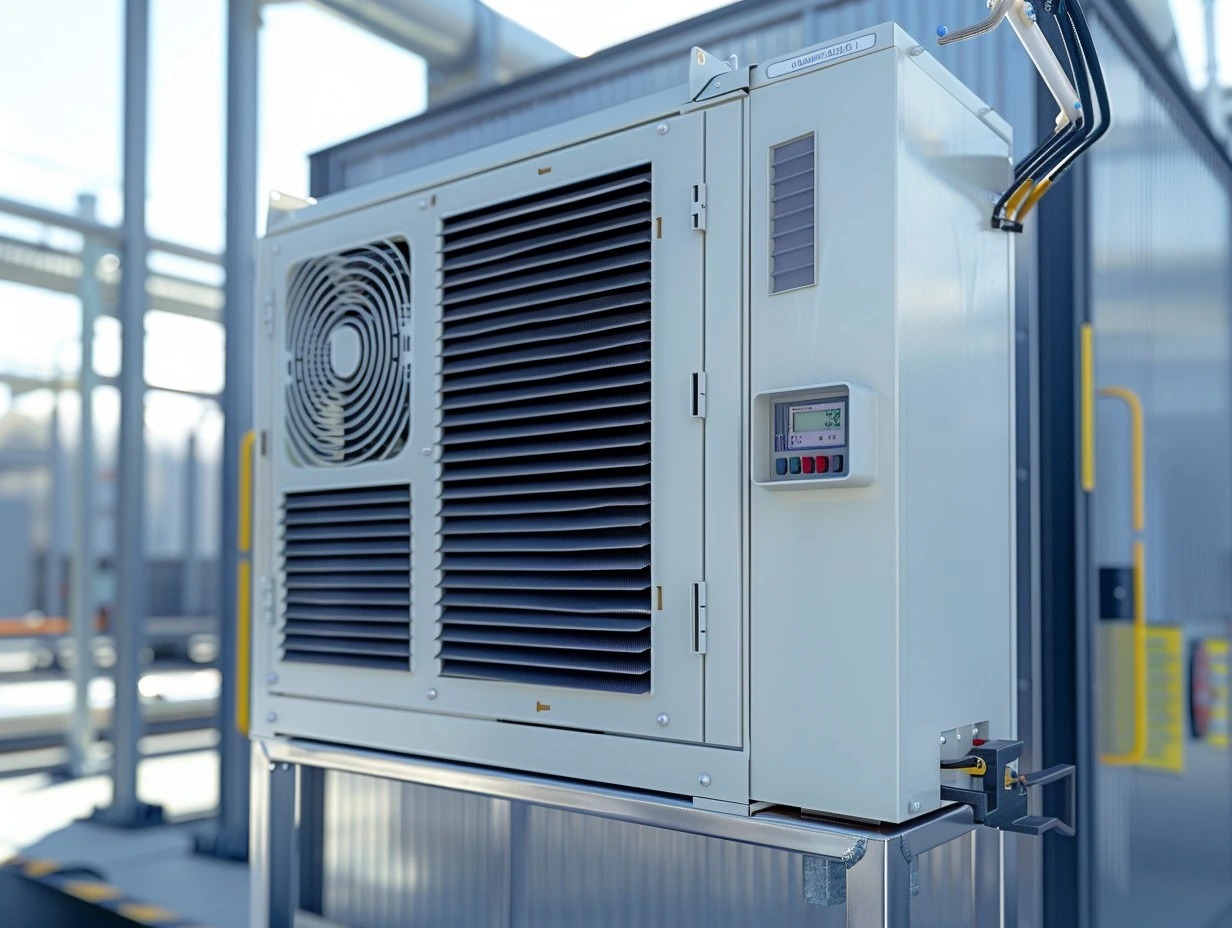
Louver ventilation design redirects incoming airflow and can reduce direct exposure to rain, spray, and wind-borne debris when integrated with suitable enclosure protection measures.
Utilizing a custom perforated vent pattern allows engineers to combine louver ventilation design on exposed exterior walls with honeycomb ventilation holes or high-flow perforated grids on internal baffle plates.
Application Scenarios and Manufacturing Precision
Thermal management requirements vary widely across different operating environments, demanding tailored sheet metal vent design and manufacturing solutions for each field deployment.
Application-Specific Thermal Solutions in Energy and Automation
Every industry presents unique environmental exposure and heat dissipation challenges that govern enclosure design choices.
In Gabinete de Almacenamiento de Energía (BESS)installations, optimized sheet metal ventilation holes and engineered airflow channels can improve internal heat removal while preserving structural support for battery rack assemblies.
Outdoor DC Charging Pile Enclosure units can utilize louver ventilation design combined with internal baffle paths to support cooling while limiting direct water ingress.
Heavy-duty Industrial Monitor Enclosures and automation control chassis use reinforced perforated ventilation patterns to support airflow while maintaining structural rigidity under continuous machine vibration.
DFM Engineering and Precision Manufacturing at SanJun Hardware
Integrating thermal design with manufacturability ensures reliable production without unnecessarily inflating unit costs.
The engineering team at SanJun Hardware performs Design for Manufacturability (DFM) reviews to optimize the custom perforated vent pattern, material thickness, hole spacing, bending allowances, and ventilation open area ratio.
Advanced manufacturing facilities process electrolytic steel, galvanized steel, stainless steel, and aluminum alloy into Custom Precision Structural Parts, including panels with precision laser-cut ventilation holes.
Surface treatment options—including powder coating, electro-coating, and gasket integration—support long-term corrosion resistance and enclosure performance.
As a custom sheet metal enclosure manufacturer, SanJun Hardware can coordinate enclosure structure, sheet metal vent design, fabrication, surface finishing, and assembly requirements within one production process.
Partnering with SanJun Hardware for Engineered Sheet Metal Ventilation Solutions
Achieving optimal cooling without sacrificing structural strength or environmental protection requires a calculated approach to perforated ventilation pattern design and fabrication. Partnering with an experienced custom sheet metal enclosure manufacturer helps translate airflow requirements into production-ready structures.
Elevating Thermal Performance with Custom Fabrication
Tailored sheet metal fabrication solves complex thermal bottlenecks while preserving product reliability in demanding operating environments.
A custom perforated vent pattern can optimize fan static pressure, reduce unnecessary perforated panel pressure drop, improve airflow distribution, and support more efficient electronics enclosure cooling.
SanJun Hardware delivers end-to-end custom sheet metal solutions from initial CAD DFM review and enclosure airflow optimization to final assembly and surface finishing.
Contact SanJun Hardwareto submit your drawings for vent-pattern evaluation, manufacturability review, and a production quotation.
Preguntas frecuentes
Q: How does perforated open area ratio directly impact fan power consumption?
A: A higher ventilation open area ratio can reduce static pressure drop, allowing the fan to operate at a more efficient fan operating point when the rest of the airflow path is also properly designed.
Q: What is the main structural risk of using a very high open area ratio on sheet metal panels?
A: Excessive material removal can reduce panel stiffness and make the sheet more susceptible to flexing, deformation, or distortion during forming and service.
Q: How do louvers compare to flat perforated panels regarding rain and dust protection?
A: Louver ventilation design uses formed angled openings to limit direct exposure to water and debris, while flat sheet metal ventilation holes may require secondary filters, screens, or baffles depending on the required protection level.
Q: Which hole geometry offers the best ratio of airflow to structural strength?
A: There is no single geometry that is best for every enclosure. Honeycomb ventilation holes, staggered round holes, and other perforated ventilation patterns should be compared based on required airflow, ventilation open area ratio, panel thickness, perforated panel pressure drop, and structural requirements.
Sí. Admitimos un pedido mínimo de 1 unidad, sin necesidad de herramientas de moldes. Todos los recintos personalizados de chapa metálica se pueden producir directamente según su diseño.
Sí, aceptamos la fabricación de láminas de metal a medida estrictamente basadas en sus dibujos 2D/3D. Proporcionamos verificación DFM gratuita, seguimos sus requisitos exactos de materiales, tolerancias y acabados. Tanto los prototipos como la producción en masa están disponibles con control de calidad completo y embalaje estándar de exportación.
Por supuesto. Envíenos las dimensiones de su producto, la función de ensamblaje, el escenario de uso y los requisitos de rendimiento. Nuestro equipo de chapa metálica ofrece diseño estructural gratuito, optimización de soluciones y análisis DFM. No necesita preparar planos; nosotros nos encargamos de todo el diseño, desde el boceto hasta el plano de producción, para ahorrarle costes y riesgos en I+D. Revisamos los planos repetidamente para que se ajusten perfectamente a sus necesidades de ensamblaje.
Ofrecemos revisión de planos DFM 24H y cotización formal después de recibir sus requisitos técnicos.
Sí. Ofrecemos un muestreo rápido de prototipos según sus planos, lo que le ayuda a verificar la estructura y el tamaño antes de realizar un pedido al por mayor.
Todos nuestros productos han obtenido las certificaciones ISO9001, EMC, LVD y RoHS.
Cumplimos plenamente con los estándares globales de seguridad y calidad, ofreciendo soluciones estables y confiables para todas las aplicaciones de proyectos.
Operamos nuestra propia fábrica y ofrecemos producción completa interna integral.
El estricto control de procesos y la gestión de calidad estandarizada garantizan una calidad de producto estable y entregas puntuales, forjando asociaciones globales fiables a largo plazo.
Procesamos una gama completa de materiales de lámina estándar y de alto rendimiento, incluyendo acero inoxidable (304/316), aluminio (5052/6061), acero en frío/caliente, acero galvanizado, latón y cobre. También podemos suministrar materiales especiales según los requisitos de su proyecto.
Nuestra tolerancia de mecanizado estándar es de ±0,1 mm para el corte por láser y el plegado. En el caso de piezas de alta precisión, podemos alcanzar una tolerancia de ±0,05 mm, dependiendo del grosor del material y de la estructura de la pieza. Todas las dimensiones se someten a una inspección según la norma 100% antes de la entrega para garantizar que cumplen con sus requisitos.
Sí, ofrecemos servicios integrales de tratamiento de superficies, que incluyen recubrimiento en polvo, pintura, anodizado, arenado, cepillado, galvanoplastia, pasivación, pulido y tratamiento térmico. Podemos personalizar colores y efectos según su diseño.
Sí, siempre firmamos un acuerdo de confidencialidad (NDA) antes de recibir cualquier plano o detalle de diseño de los clientes. Protegemos estrictamente su propiedad intelectual y mantenemos todos sus proyectos en secreto.
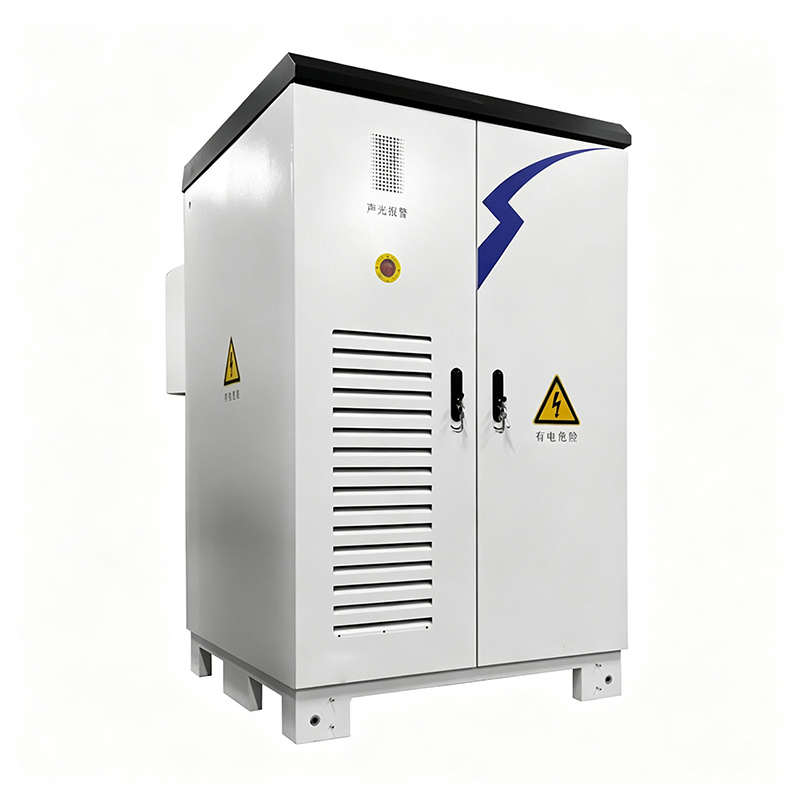
<p>This air‑cooled ESS AC‑DC integrated cabinet shell integrates AC‑DC conversion, thermal dissipation and equipment installation functions, built for large‑scale energy‑storage projects.</p>
<p>We offer free production‑ready CAD drawings, customers do not need to provide self‑designed sketches.</p>
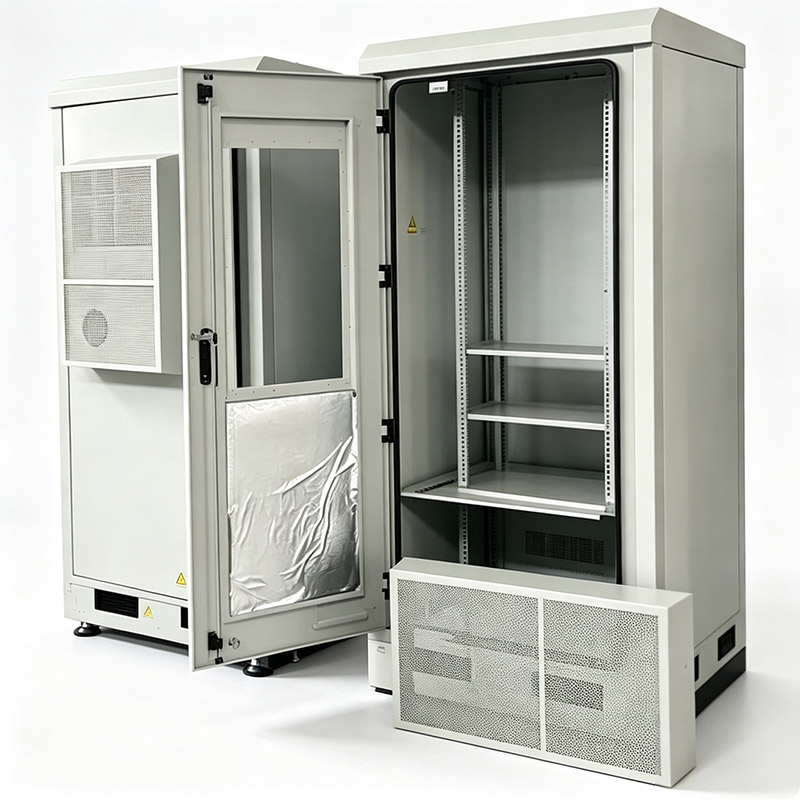
<p>Este armario de alimentación para estaciones base 5G de exterior está diseñado específicamente para unidades de suministro eléctrico de telecomunicaciones.</p>
<p>Ofrece un rendimiento estable a prueba de agua, polvo y con gestión térmica para su uso prolongado en campo.</p>
<p>Proporcionamos planos CAD listos para producción de forma gratuita. No se requieren bocetos del cliente.</p>
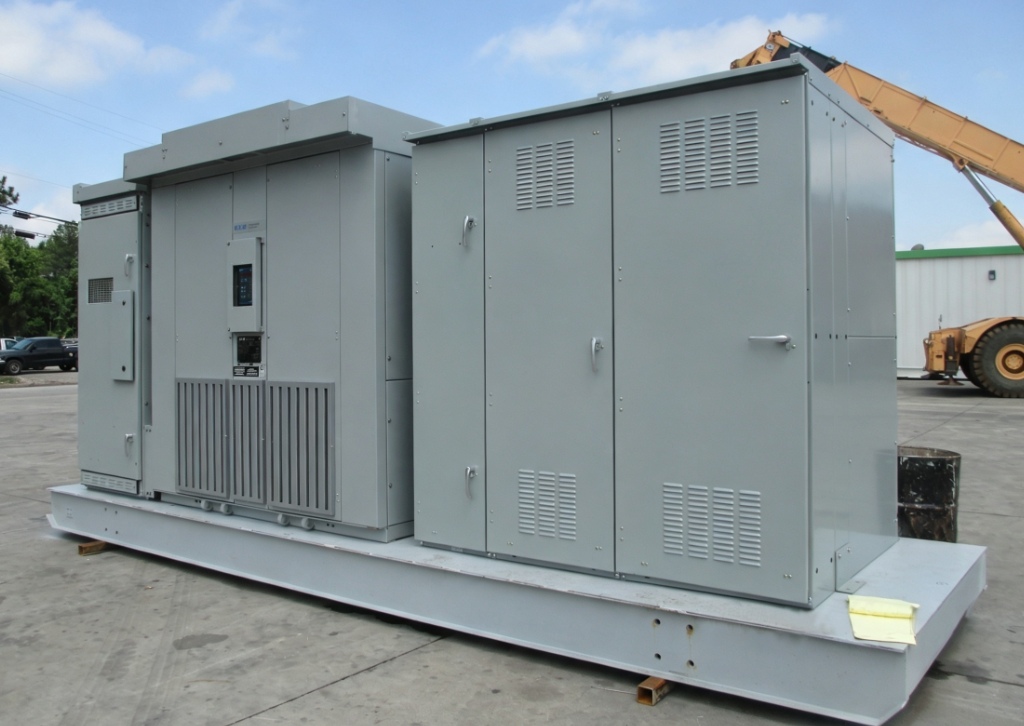
<p>Este armario de almacenamiento de energía refrigerado por líquido, con una capacidad de 241 kWh y diseño no estándar, está diseñado para sistemas de baterías de iones de litio.<br />
Admite un sistema interno de refrigeración líquida, una estructura de alta resistencia y una fiable resistencia ambiental a la intemperie.</p>
<p>Entregamos planos CAD gratuitos listos para la producción, de acuerdo con los requisitos del proyecto, por lo que los clientes no necesitan proporcionar bocetos diseñados por ellos mismos.</p>





























Deja un comentario