
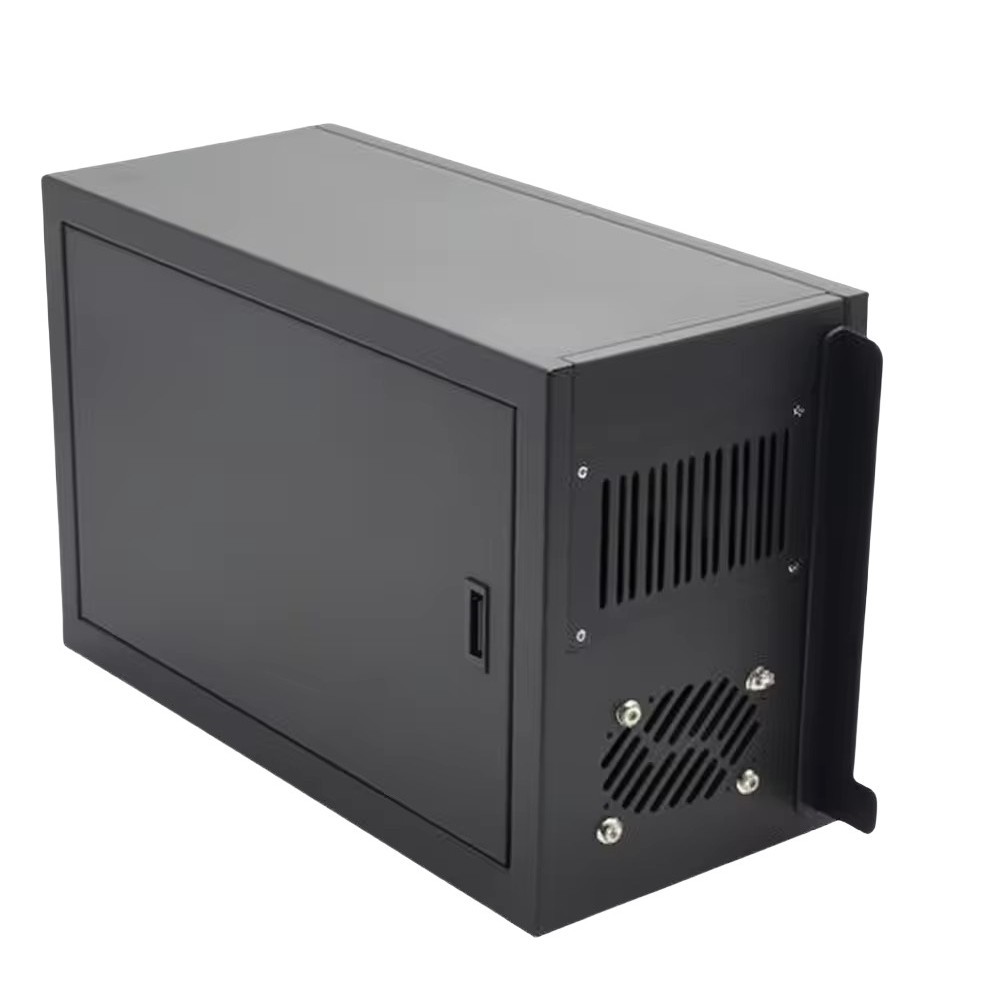
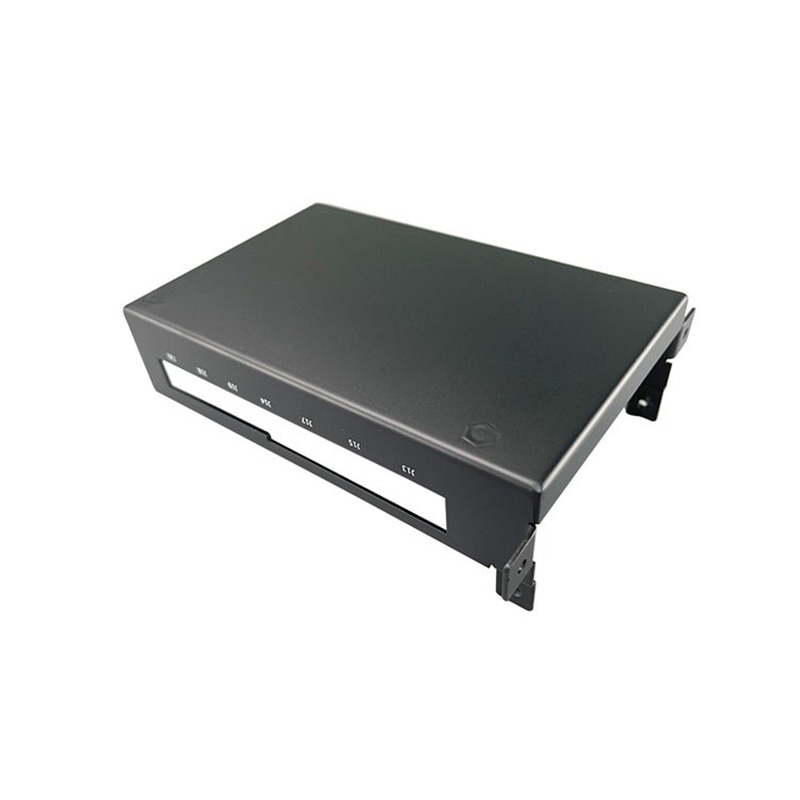
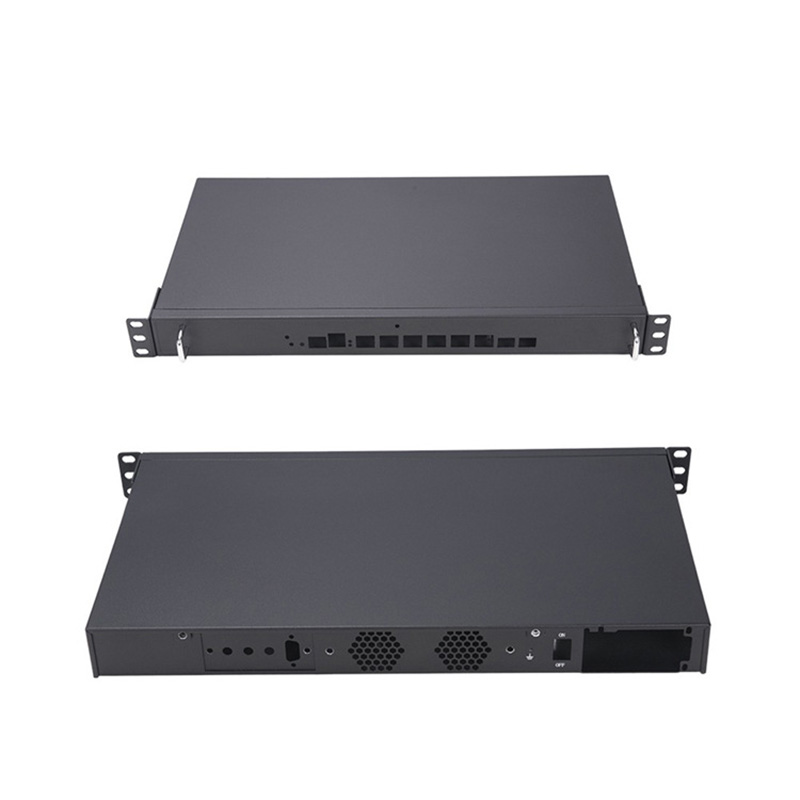
When a 2U rack enclosure drawing lands on the bench, the first question is about the sheet. A low-profile rack enclosure is a metal housing two rack units tall, and the base metal behind the drawing is usually a carbon or stainless steel sheet, or an aluminum alloy sheet. One of the benefits of metal enclosures over plastic is their ability to shield electromagnetic interference, but the metal chosen still decides the weight, the stiffness, the thermal path, and the final cost of the box.
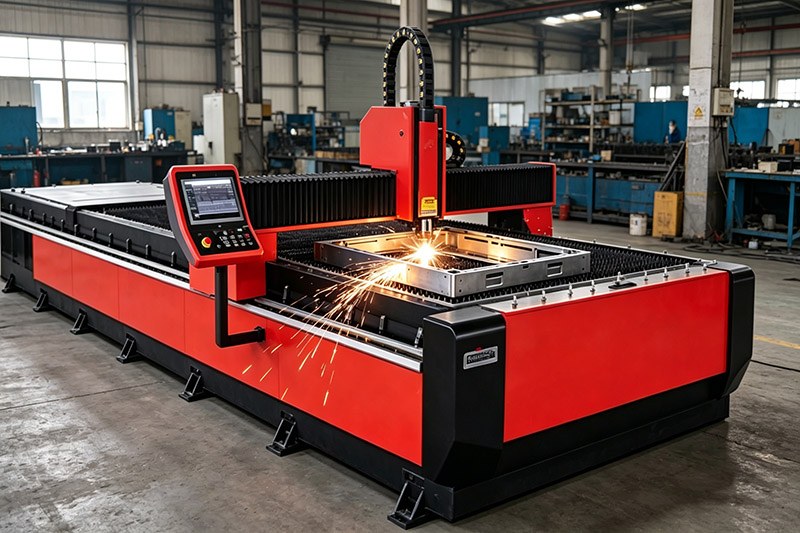
SanJun Hardware is a sheet metal fabrication manufacturer established in 2010 in Guangdong, China, with more than 15 years of OEM and ODM work on enclosures of this kind. The factory covers 5000 square meters, the team has 40 people, and 4 of them are sheet metal product engineers. The line runs CNC punching and fiber laser cutting machines, CNC bending machines, automatic riveting machines, and TIG, MIG, spot, and laser welding stations. The company is certified to ISO 9001, and 10 percent of the annual profit is invested in research and development. A sample can be built from a 1-piece order, and the warranty runs 12-24 months. This article walks through the steels and the aluminums behind our custom 2U rack enclosures, and the trade-offs that show up in the quote.
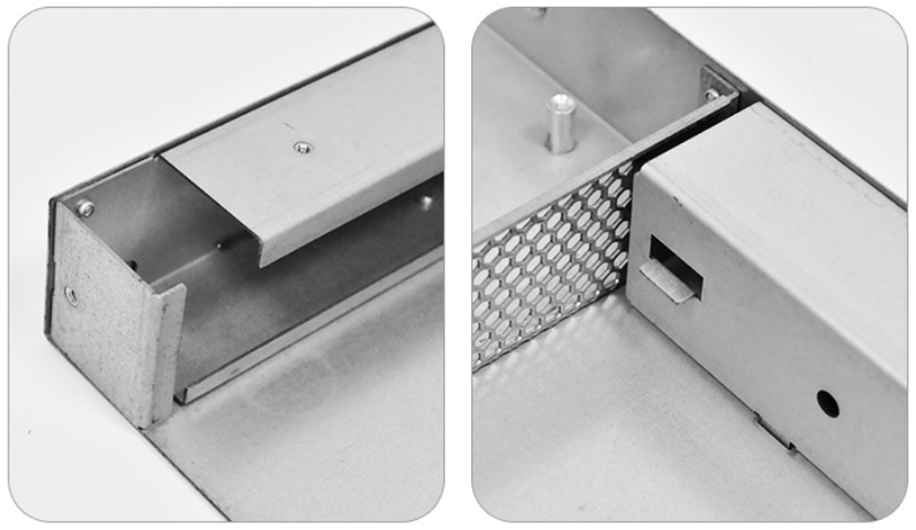
Since enclosures are usually made from folded sheet sections, the mechanical properties of any sheet depend strongly on the shape of the section and the stiffness is often far greater than the stiffness of a flat plate.
Sheet steel for general sheet metalwork is low carbon steel, and good weldability is indicated by the low carbon content. Sheet can be supplied with a wide variety of surface finishes, but a normal surface is adequate for enclosures.
Stainless steels are strong and corrosion-resistant but are also expensive and more difficult to work and weld. Galvanized steel can be used to obtain corrosion resistance with cheapness, but care must be taken in welding and finishing.
Aluminum is lighter than steel and has good corrosion resistance. The surface can be plain, anodized or painted.
The stiffness of aluminum is about one-third that of steel, and that figure drives most of the design changes when a steel build is reworked into aluminum. Aluminum is more difficult to weld than steel, but it can be riveted or bolted.
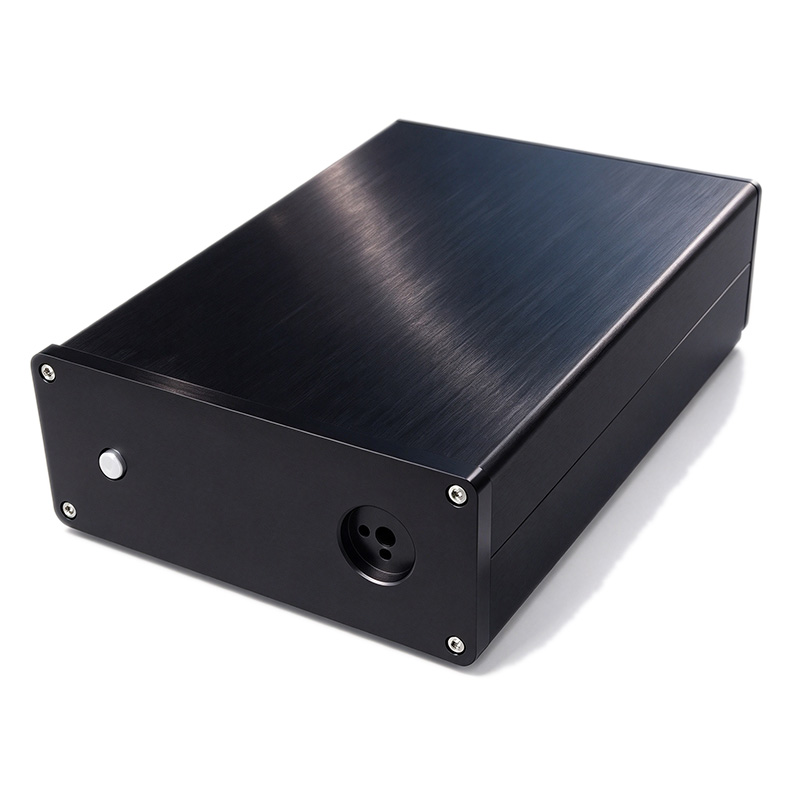
The cost of a sheet steel enclosure depends on the cost of materials, the cost of forming the sheets and the cost of finishing. Availability and ease of working may be more important than the raw price of the sheet, and that is where a second metal starts to look expensive: the tooling, the weld program, and the finish route all change with it.
If the enclosure needs strength then steel may be chosen. In that case a carbon steel may be chosen with corrosion protection by painting or by galvanizing. If weight and corrosion resistance matter more than cost, aluminum may be chosen. If appearance matters, stainless steel or anodized aluminum might be chosen.
The design of the enclosure affects material choice, but a design that uses only folds to make edges and joints can be made from sheet steel for economy.
Bending stiffness is proportional to the product of modulus of elasticity, E, and the moment of inertia of the section. However, cost and space considerations may mean a limit on thickness, and the section shape has to carry the stiffness the flat width gives up.
If strength is to be considered rather than stiffness, the strength of the section is proportional to the yield stress, but the strength of a formed section is much more complex. A top cover that is a simple flat plate will be much less stiff than a top cover with a stiffening rib or flange. Strength and stiffness may be improved by a ribbed shape, but this can cause a decrease in available space, which is the price a ribbed 2U design pays.
Heat can pass through the walls of the enclosure via conduction, convection and radiation. The resistance to heat transfer is the sum of the resistance of the material and the resistance of the air films on each side. The thermal resistance of a metal wall is usually negligible, but the external film resistance is significant, which is why the surface treatment matters to the thermal behavior.
Forced air cooling obviously changes the situation. Adding cooling fins can reduce the thermal resistance of the external surface, but the internal resistance may still be high. Internal air circulation is important: if some components run hot, internal baffles should be arranged to prevent the recirculation of hot air and to ensure that cool air passes over the hot components.
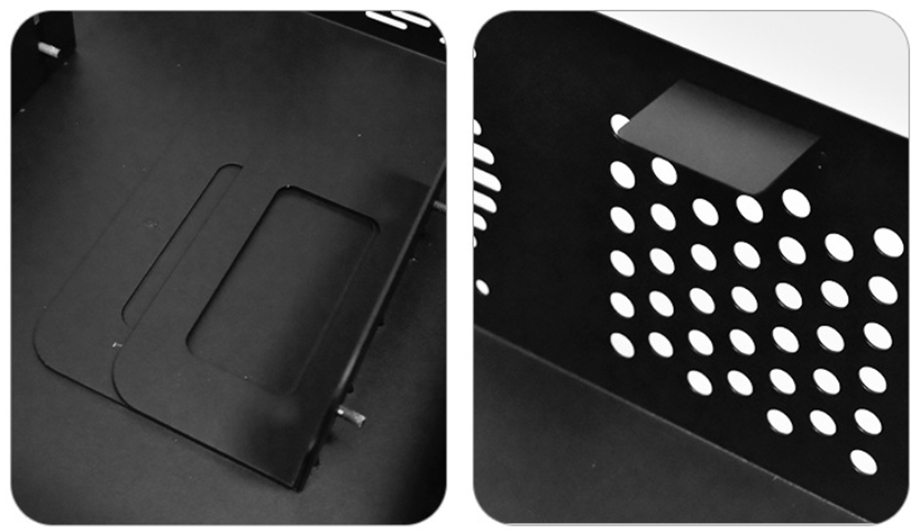
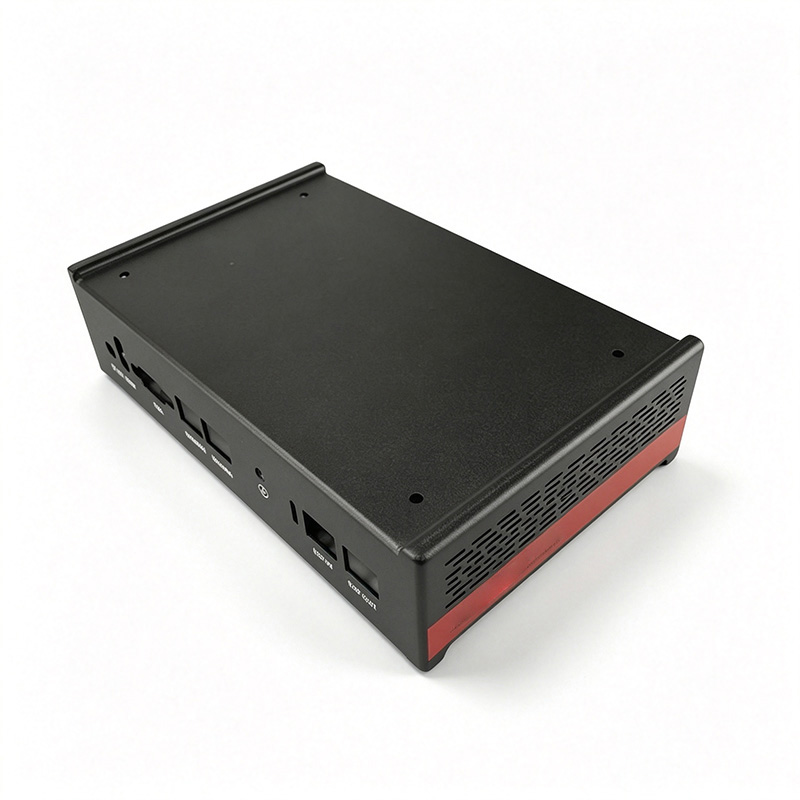
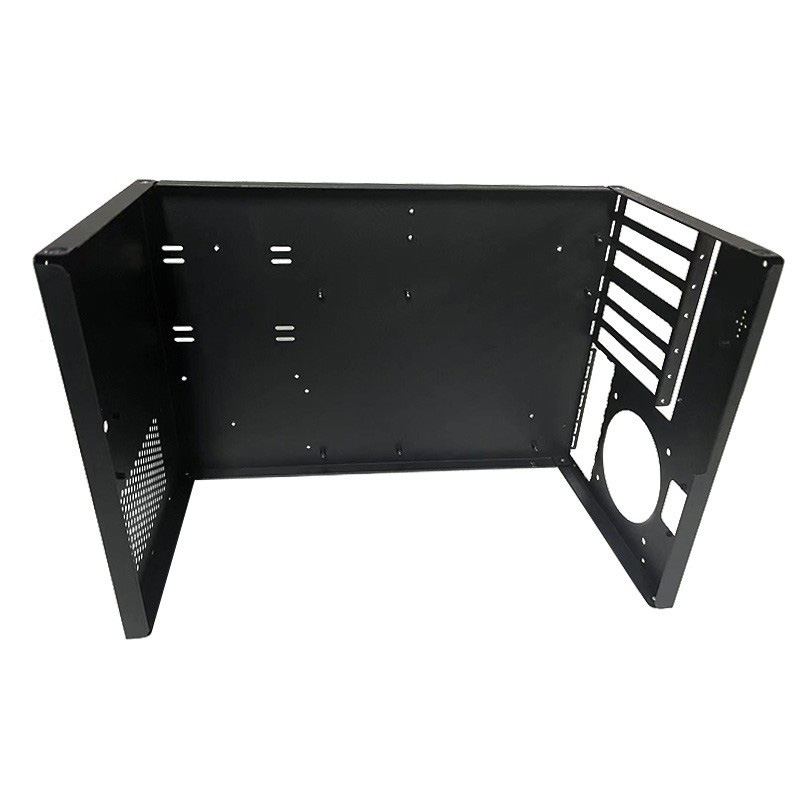
Fans can be fitted to move air through the enclosure, but they can be noisy. Heat sinks can be mounted on the outside of the enclosure if internal heat transfer allows. In extreme cases, a heat exchanger or an air conditioner may be necessary. The wall-mounted multi-vent server chassis case is an example of a build where the vent pattern does most of the thermal work.
Both metals shield, and the effectiveness also depends on the presence of holes and seams. The shielding effectiveness of a metal enclosure can be reduced if the enclosure is not made from a single sheet of metal. Joints should be designed so that metal surfaces are in good contact.
If a gasket is used, it should be a gasket of conductive material, and corrosion should be considered in the choice of gasket material. The gap between the cover and the body must be minimized. Also, it must be remembered that a gasket is not a substitute for a good design.
Steel holds the stiffness and the cost corner, aluminum holds the weight and the corrosion corner, and stainless holds the appearance and the harsh-environment corner. The right choice for a 2U rack enclosure comes from the drawing and the application, not from the price of the sheet: a design that uses only folds usually stays in steel for economy, and a weight-driven design usually lands on aluminum.
Send your 2U enclosure drawing and we will run the DFM review, suggest the material and the gauge, and give you the quote within 24 hours.
A: For most 2U builds the sheet price favors steel, and the forming route favors it too, because the same line processes it with the same tooling. Aluminum costs more and is more difficult to weld, so it is chosen when weight, corrosion resistance, or appearance carries the design. Stainless is the premium option for appearance and harsh environments.
A: The stiffness of aluminum is about one-third that of steel at the same section. In practice a formed section carries far more stiffness than a flat plate of the same material, so the section shape, the ribbing, and the gauge decide the real stiffness before the metal does.
A: Both give good shielding. The effectiveness is set more by the holes, the seams, and the contact at the joints than by the metal itself, so a conductive gasket at the door line and a minimized gap between cover and body keep the protection intact in either material.
A: Yes. A sample can be built from a 1-piece order, so a steel version and an aluminum version can be made and compared before the production material is fixed. Ferretería SanJun fabricates both through the same ISO 9001 line.
























Deja un comentario