
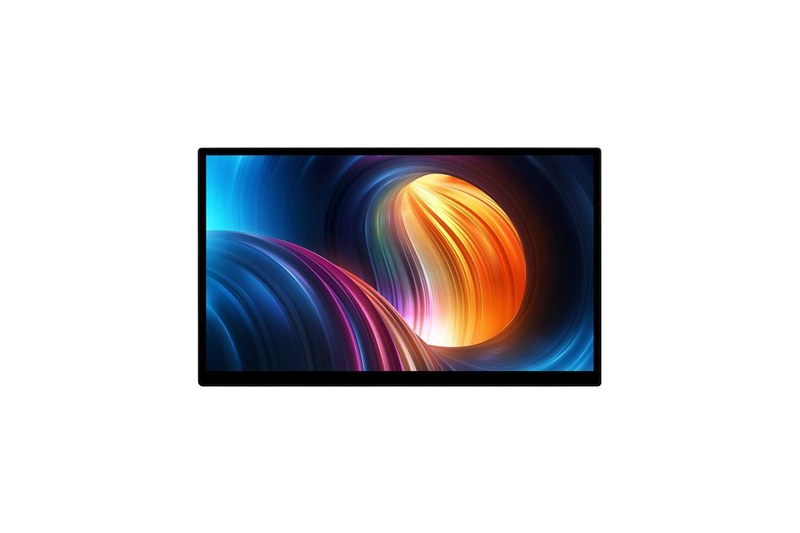
An advertising machine rarely dies at the LCD panel. It dies at the housing: a bezel that lifted after one lobby season, vents clogged with dust behind a mall wall, or a classroom screen cracked because the shell had no impact structure behind the glass. So a custom advertising machine enclosure spec follows three inputs. What touch technology sits on the front. How many hours a day the unit runs. Where the public can reach it.
SanJun Hardware is a sheet metal fabrication manufacturer in Guangdong, China, with 5,000 m² of production space and more than 15 years of OEM and ODM work. Advertising machine housings are a core line: touch units, capacitive displays, education all-in-one machines, and digital signage cabinets for retail, campus, and transit use.
Four jobs, in order. Hold the display, the media player, and the touch layer flat and square, with no stress points on the glass. Keep hands, coins, and dust away from live electronics. Move the heat the panel and player generate out of the box. Carry the mount — a wall bracket, a floor pole, or a podium cabinet — without flexing.
A retail wall unit and a floor totem load these jobs differently. The wall unit hangs thin and sheds heat at its back face; airflow behind it depends on standoff depth. The floor totem stands free, so base stiffness and tip resistance shape the gauge choice before any vent gets cut.
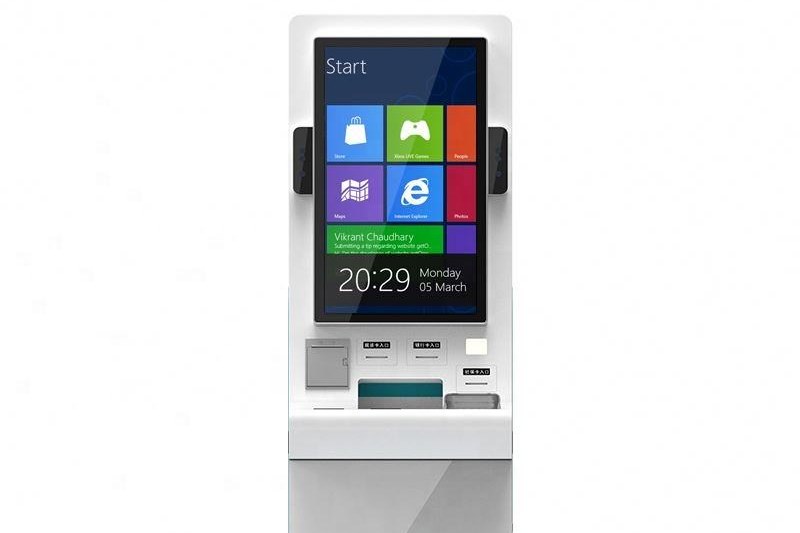
Capacitive advertising machines are one of our standard product families, and the touch stack drives the metalwork. A capacitive sensor sits behind cover glass; the glass bonds to a bezel; the bezel is formed sheet metal with a laser-cut opening sized to the glass edge. Gap and alignment across that opening affect how the touch reads at the corners.
Non-touch signage is simpler: an open frame with trim. Touch adds tolerance discipline. Critical openings and mounting positions get checked on a coordinate measuring machine and a projector before batch release, not judged by eye on a first article.
The front face is also the brand face. Our strip-format advertising display enclosures cover the narrow menu-board formats, where the bezel is most of the visible metal — silk screen, UV printing, and laser marking put the logo directly on the housing.
Service life also lives in the front end. Glass and touch layers wear before the metal does, so the bezel should come off with standard tools and a replacement panel should drop into the same opening. A fully bonded front saves assembly steps at the factory but makes a glass change harder in the field.
A display running all day in a lobby soaks its own enclosure. The backlight, the player board, and the touch controller all dump heat into a box that retail design wants sealed and slim. The order of work: estimate the load, choose passive slots where the load allows, add filtered fans where it does not, then place intake and exhaust so air crosses the hot boards before it leaves.
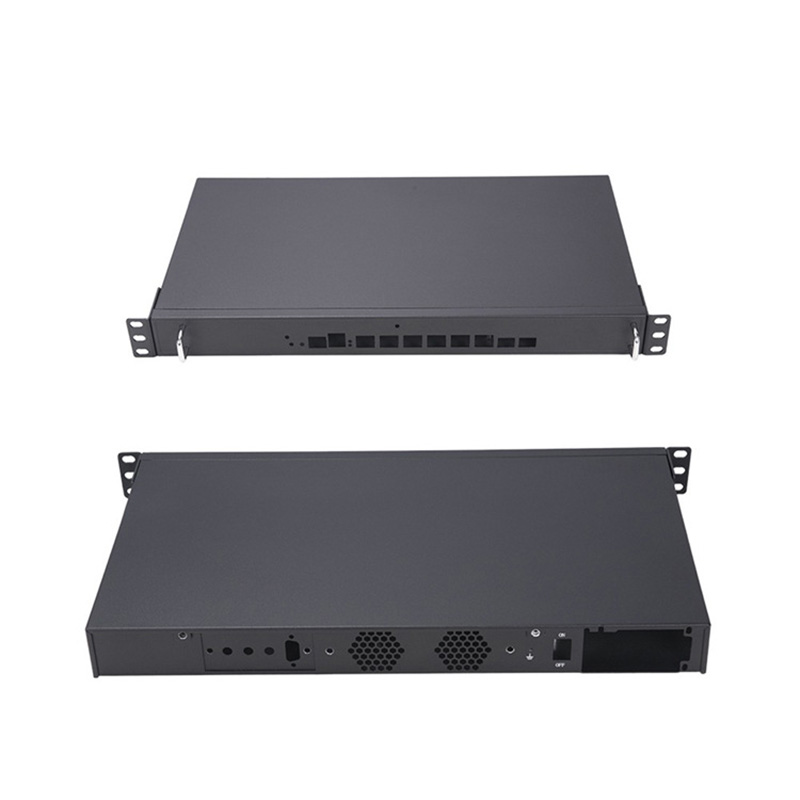
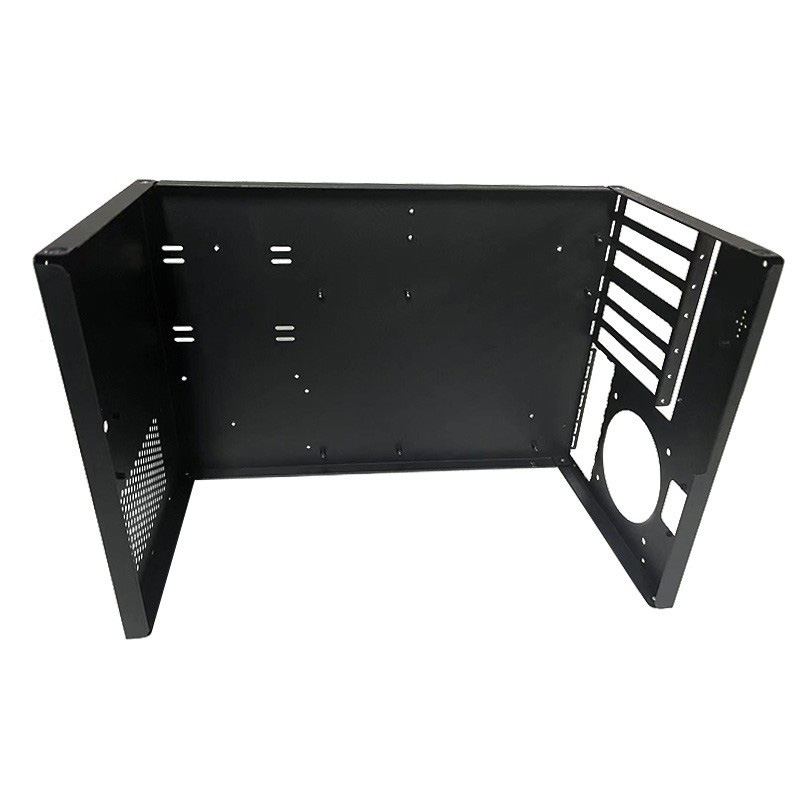
Our all-in-one machine housings carry ventilation and heat-dissipation structure as standard design content — formed louvers, fan cutouts, and filter positions planned in the CAD stage, not drilled on the shop floor. Fan filters are consumables. A filter that slides out from the front or bottom keeps a maintenance visit to minutes; one buried behind the display turns into a panel removal. A sealed cabinet in a dusty metro hall is a different trade-off, and it should be a decision, not an accident.
Education displays take the hardest service of any indoor group. The hlogements d'écrans interactifs pour l'éducation we build are anti-collision metal shells: reinforced frames behind the glass, rounded or hemmed edges where students pass, and lockable compartments so a classroom podium does not become a toy box.
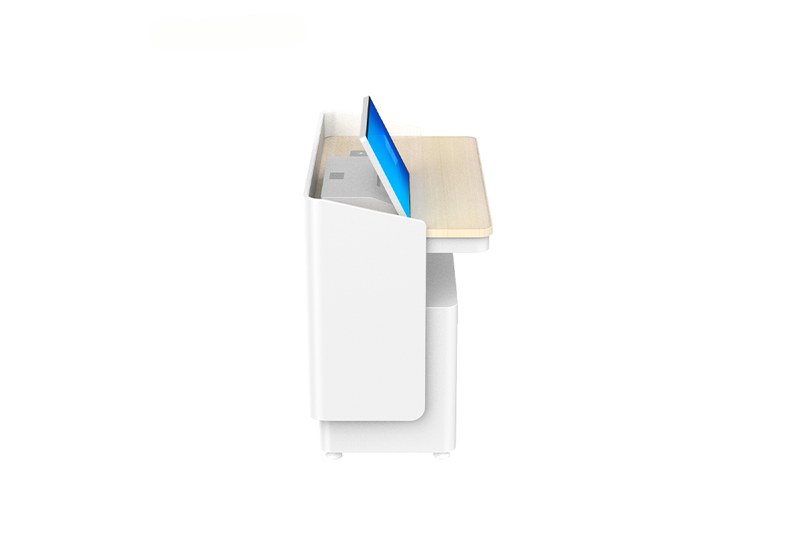
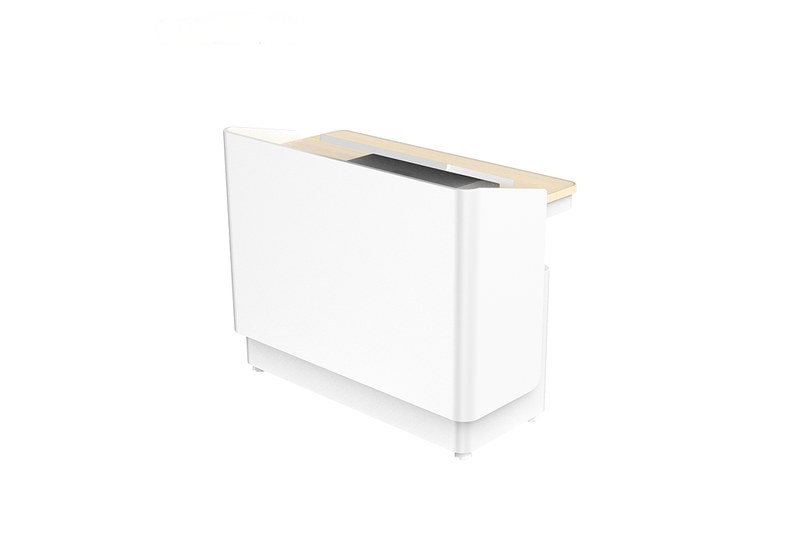
The liftable podium is the clearest example. The liftable podium enclosure lifts the touch screen out of the desktop on a mechanism, then stows it flush when class ends. The steel cabinet below carries the PC, the amplifier, and the cable routing, with ventilation slots cut into the lower door. Cable entry from the floor or wall to the equipment bay gets routed without pinching at the lift — a detail buyers notice on the first installation day. One product shows the whole method: structure, movement, thermal path, and service access drawn in the same file.
For public transport, we supply display housings used in a city bus and metro network, where duty cycle and vandalism risk set the gauge, the lock, and the coating together.
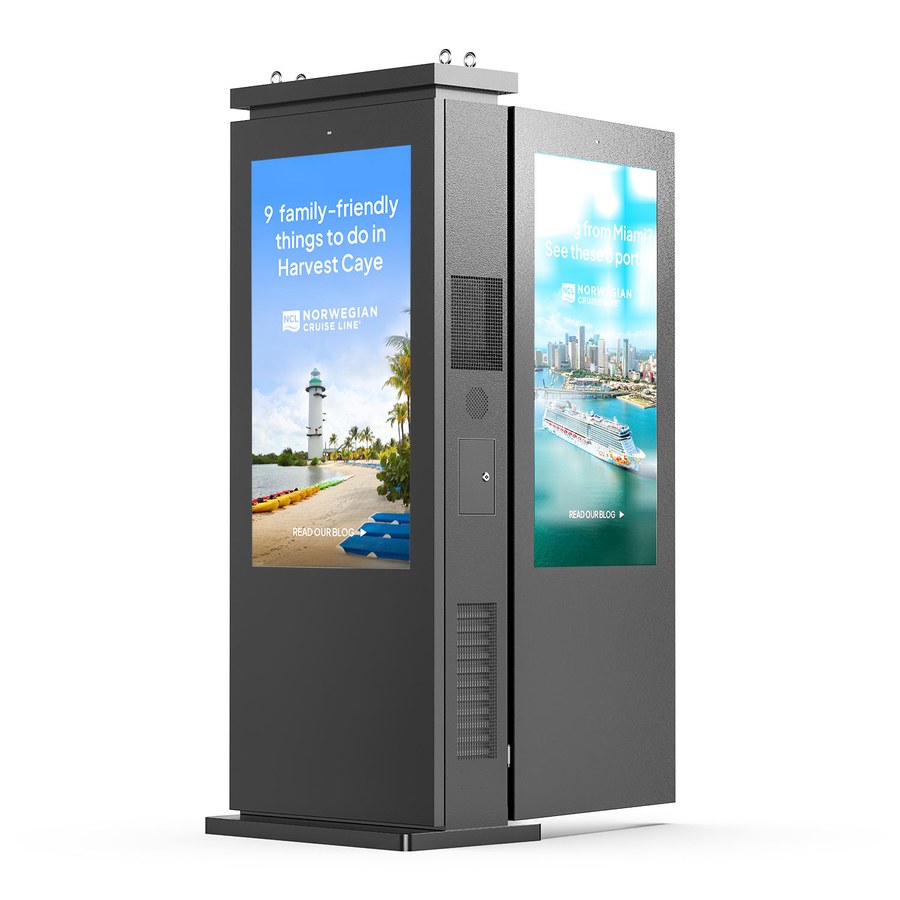
Most advertising machine enclosures live indoors, and the indoor spec stays honest: powder coat over cold-rolled or galvanized steel, or aluminum where weight matters, dust management at the vents, no IP claim needed. Move the same cabinet to a covered plaza or a forecourt and the sheet metal changes jobs: sealed door channels, drainage, and a coating system rated for the site. Our digital signage housings cover both ends of that range, from indoor wall units to IP-rated outdoor floor-standing cabinets.
Advertising work usually starts from a rendering or a panel drawing. SanJun Hardware runs a free CAD design review before quoting: bend radii the press brake can hold, openings that stay clear of bend lines, rivet nuts placed where the tool can reach, bezel flats that survive grinding without warping. ISO 9001 covers the process.
Samples start at one piece for fit checks. Production batches start around 100 pieces, or smaller where the structure allows, and the sample charge can be credited against the order. Standard structures run 7–15 working days, custom housings 20–30 or longer. Units ship in plywood crates with foam inserts, VCI anti-rust film, and desiccant, under FOB, CIF, or DDP terms, with a 12–24 month warranty.
An advertising machine enclosure is decided before the screen arrives: touch stack at the front, run hours inside, public contact outside. Read those three correctly and the housing follows — steel or aluminum, vented or filtered, podium or totem — from the same drawing set.
Contactez SanJun Hardware to send your panel drawings, request a DFM review, and get a sample cabinet before you commit to a batch.
A: Usually not. Indoor units need dust management at the vents and attention to seams around the touch stack, where cleaning fluid can enter. Specify a rated IP design when the same cabinet moves to a covered outdoor area or an entrance zone with wind-driven rain.
A: The front end. A touch unit needs cover glass, a bonded bezel with a precision opening, and room behind the glass for the sensor and controller. A non-touch signage shell can run an open frame with trim, which saves forming steps and tolerance work.
A: Yes. Powder coat color is customer-specified, and the metal face takes silk screen, UV printing, or laser marking for logos. On narrow bar-screen formats the bezel is most of the visible metal, so bezel shape and finish get designed with the brand, not after it.
A: One sample piece for fit and function checks. Production runs start around 100 pieces, or smaller where the structure allows, with the sample fee credited against the batch. Prototyping first keeps a store rollout moving while the design is still settling.
























Laisser un commentaire