Convert Sheet Metal Sketches & Samples to Production-Ready CAD
Convert Sheet Metal Sketches & Samples to Production-Ready CAD
Why Legacy Parts or Napkin Sketches Delay Manufacturing Schedules
Buyers often see production stop when they hold only physical samples or napkin sketches and lack formal 3D models. Handling fabrikasi lembaran logam without drawings means sorting out missing engineering details before any cutting, bending, welding, or assembly starts. In these cases, sheet metal reverse engineering and hand sketch-to-CAD steps turn partial information into parts ready for production.
The Engineering Bottleneck in Product Development
Procurement managers and buyers without internal engineering teams often run into real hurdles when they launch new products or replace old hardware.
Lack of Dedicated CAD Resources: Small and mid-sized firms rarely keep full-time mechanical engineers on staff. They cannot build the detailed sheet metal fabrication drawings, flat patterns, or STEP files that shops expect.
Lost or Obsolete Technical Drawings: Legacy equipment projects usually call for reverse engineering sheet metal parts. Original files often sit lost, damaged, or exist only as old paper records from years ago.
Quoting Delays and Vendor Friction: Many contract manufacturers hold back quotes until they receive production-ready CAD drawings. This stretches out development timelines and adds friction between teams.
Costly Downtime and Sourcing Delays
Working from rough sketches without proper checks creates real risks once fabrication begins.
Tolerance Stack-Up Errors: Hand sketches rarely include allowances for metal thickness, bend relief, or internal clearances. These gaps lead to parts that do not fit as planned.
Misfit During Assembly: Sample part reverse engineering done without accurate bend data often produces seams that bind or mounting holes that sit out of place.
Unplanned Redesign Expenses: Trial-and-error runs without validated sheet metal CAD design raise costs and push back launch dates.
To close this gap, Perangkat Keras SanJun works as an extension of the customer’s team. The company supports sheet metal fabrication without drawings by turning sample parts, reference dimensions, or sketches into files shops can use right away.
Reverse Engineering Techniques for Sheet Metal Enclosures
Transforming physical parts or hand sketches into detailed digital models requires accurate measurement and practical fabrication knowledge. Modern sheet metal reverse engineering connects existing physical geometry with repeatable digital manufacturing data.
Physical Sample Scanning and Measurement
Replicating existing enclosures requires a structured sample part reverse engineering process covering dimensions, material thickness, bends, holes, hardware, and assembly relationships.
3D Laser Scanning: 3D scanning can capture complex geometry, cutouts, hole positions, and enclosure contours during CAD from physical sample development.
K-Factor and Bend Allowance Calibration: Engineers review material thickness, bend radius, and forming behavior to recreate accurate flat patterns for reverse engineering sheet metal parts.
Hardware and Fastener Mapping: PEM studs, standoffs, nuts, hinges, and other hardware locations are mapped into the sheet metal CAD design to maintain alignment with mating assemblies.
A complete CAD-from-physical-sample workflow should reproduce not only visible dimensions but also the manufacturing logic required to fabricate the part consistently.
Translating Hand Sketches into Precision Enclosures
A structured sketch-to-CAD drawing process converts basic dimensional notes into usable engineering models and sheet metal fabrication drawings.
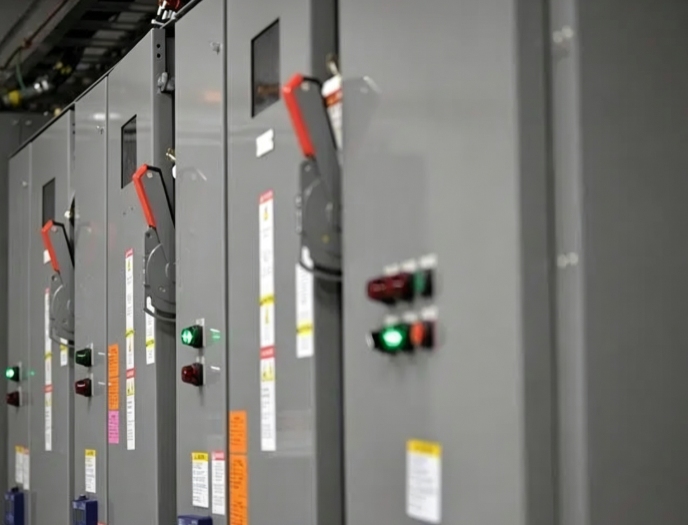
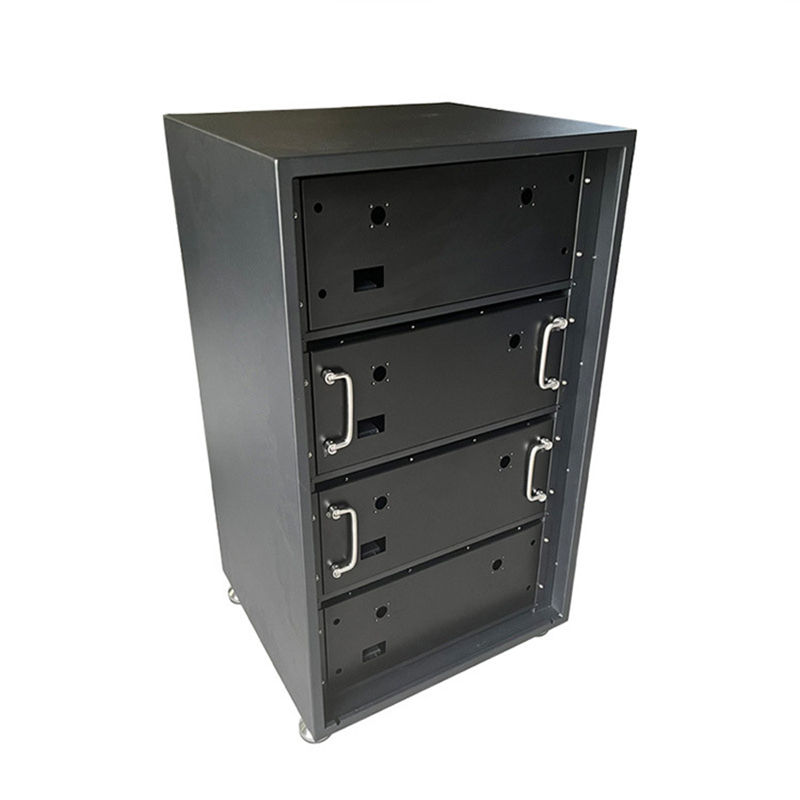
Structural Framework Modeling: A hand sketch to CAD workflow can convert dimensional concepts into rigid 3D models for products such as High/Low Voltage Distribution Cabinets.
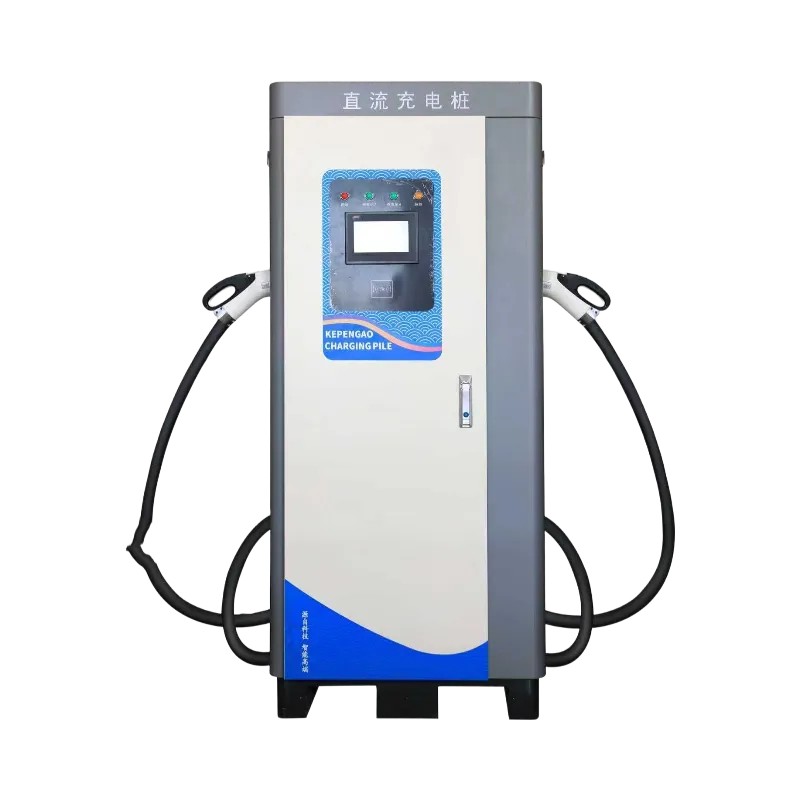
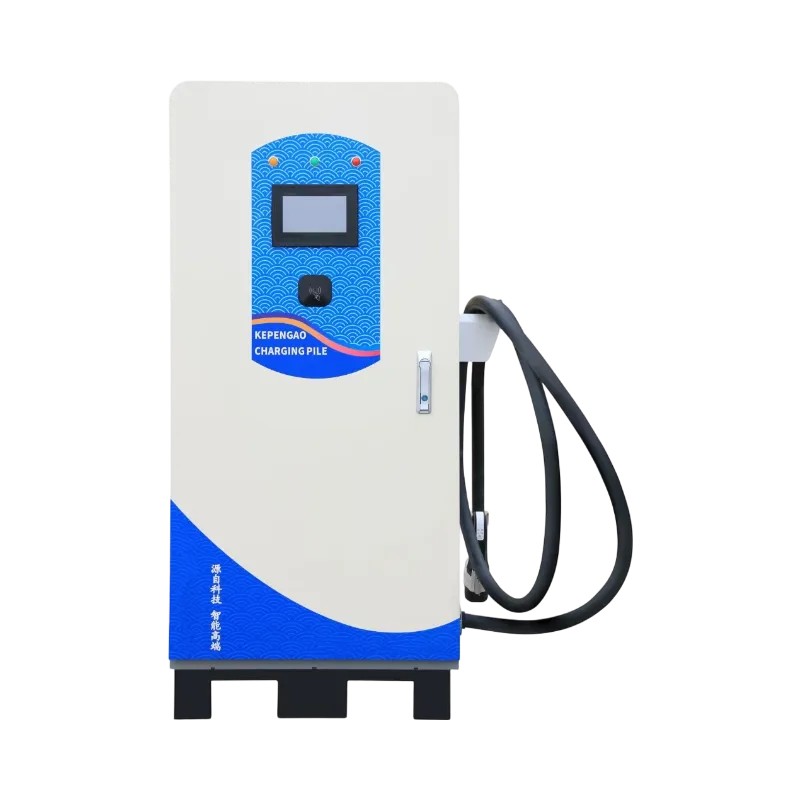
Application-Specific Feature Integration: Engineers can incorporate ventilation louvers, rain gutters, cable entries, and mounting interfaces into the sheet metal CAD design for products such as DC Charging Pile Enclosures.
Interference and Clearance Verification: Digital models help confirm internal spacing for wiring harnesses, breakers, cooling components, and other assemblies before physical fabrication.
This approach makes sheet metal fabrication without drawings possible while reducing the risk of interpreting a rough sketch differently during production.
Creating Production-Ready CAD Drawings and BOMs for Free
Moving from an initial concept to production requires more than a 3D model. Complete production-ready CAD drawings, BOMs, flat patterns, tolerances, and fabrication notes help translate the design into repeatable factory operations.
Design for Manufacturability (DFM) Integration
Integrating sheet metal DFM during early modeling prevents avoidable production problems. Strong design for manufacturability connects design intent with actual cutting, bending, welding, fastening, and finishing capabilities.
Standard Tooling Alignment: Sheet metal DFM adjusts bend radii and relief geometry to match available press brake tooling and reduce unnecessary special tooling.
Weld Seam and Joint Optimization: Design for manufacturability can introduce tab-and-slot joints or simplified seam locations to improve welding consistency and assembly efficiency.
Material Utilization Efficiency: Flat patterns are optimized for nesting efficiency during fiber laser cutting, improving material utilization across sheet metal design and fabrication projects.
Complete BOM and Manufacturing Documentation
A complete engineering package provides the information needed for accurate production and inspection.
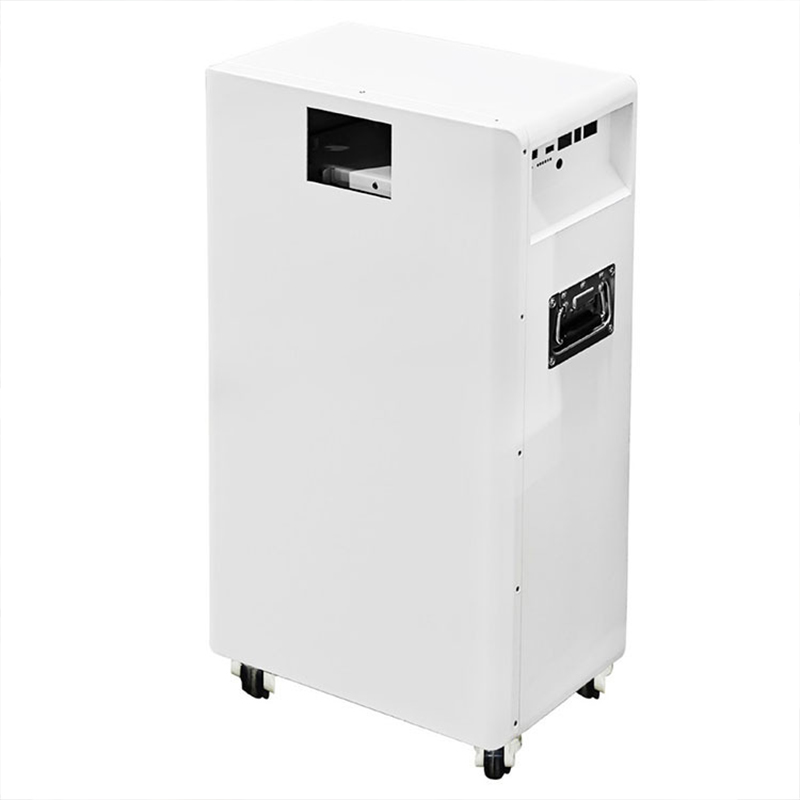
Detailed Bill of Materials (BOM): BOMs identify metal gauges, fasteners, hinges, sealing components, and related hardware for structures such as Energy Storage Cabinets.
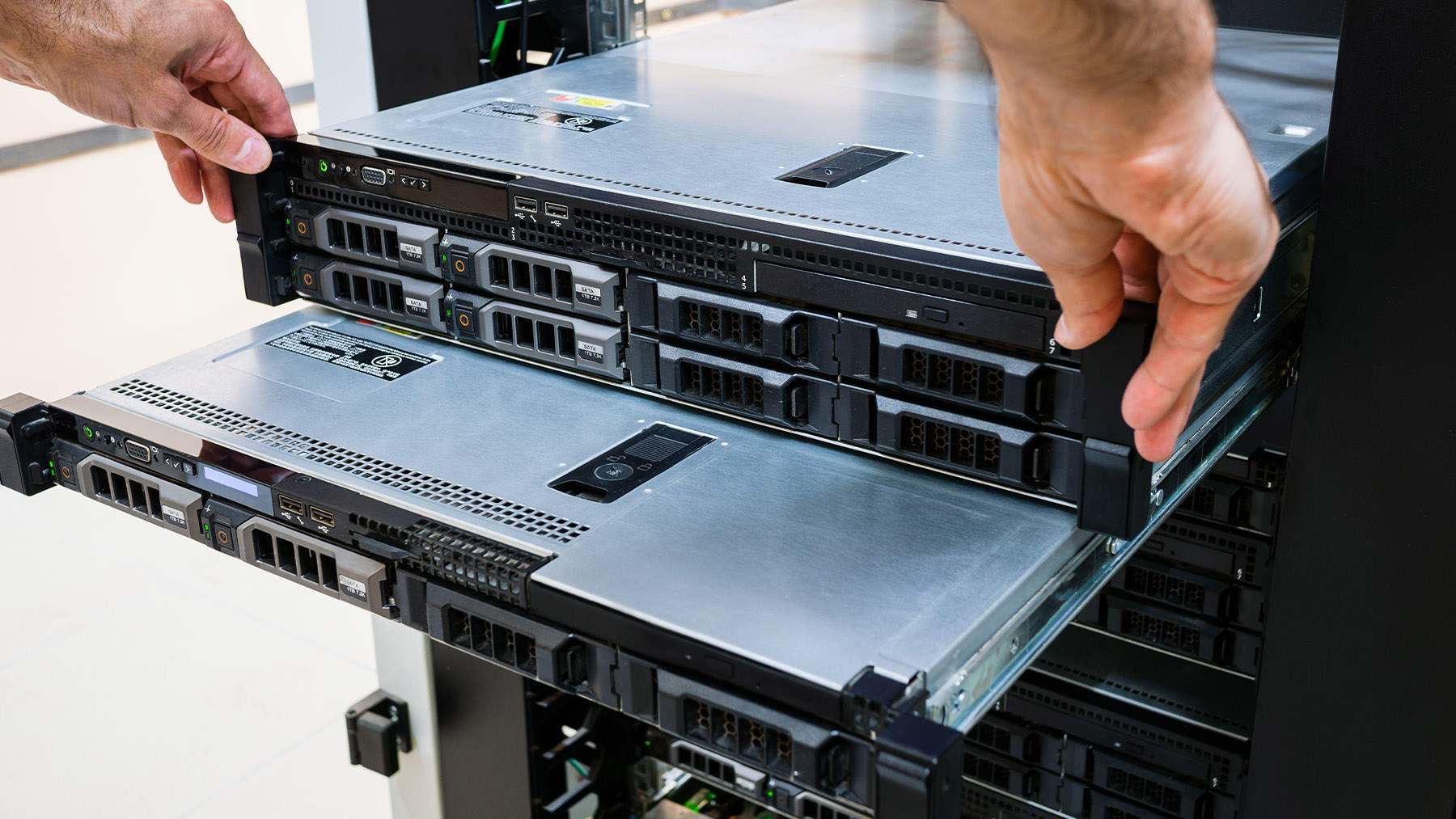
Exploded-View Assembly Drawings: Detailed sheet metal fabrication drawings can show assembly relationships for multi-part products such as Network Device Chassis.
2D Dimensioned Inspection Prints: Production-ready CAD drawings include key dimensions, tolerances, and inspection requirements for quality-control verification.
How SanJun Hardware Translates Concept Ideas into Physical Prototypes
Once the digital package is approved, sheet metal prototype manufacturing converts the validated design into a physical part for functional and assembly testing. SanJun Hardware supports the transition from early engineering validation through prototype to mass production.
Rapid Prototyping with Low MOQ
Flexible sheet metal prototype manufacturing allows buyers to validate fit, appearance, and function before committing to larger production volumes.
Flexible 1-Piece MOQ: Customers can evaluate a physical prototype before approving full-scale fabrication.
Rapid Turnaround Sampling: Fiber laser cutting and CNC press brake bending support efficient sheet metal prototype manufacturing for custom enclosures and structural parts.
Custom Surface Finishing: Powder coating, painting, anodizing, and other finishes can be incorporated during prototype development to evaluate final appearance.
Seamless Transition from Prototype to Mass Production
A controlled prototype-to-mass-production process ensures that approved design and manufacturing parameters remain consistent as order volume increases.
Process Standardization: Verified cutting paths, bend sequences, welding fixtures, and inspection criteria are documented after prototype approval.
Scalable Enclosure Fabrication: Approved sheet metal design and fabrication workflows can be scaled for products such as Self-Service Kiosk Enclosures and industrial control boxes.
Strict Quality Assurance: Dimensional inspection, coating checks, and application-specific testing help preserve consistency during prototype to mass production.
Ready to Turn Your Sketch or Sample Part into Production-Ready Sheet Metal?
Don’t let missing files delay your project. Whether you need sheet metal reverse engineering, CAD from a physical sample, sketch to CAD drawing, or complete sheet metal fabrication drawings, SanJun Hardware can help convert your concept into a manufacturable design.
Upload your hand sketch or send a sample part to SanJun Hardware for sheet metal CAD design, sheet metal DFM, prototype development, and production planning.
Q: How is sheet metal fabrication without drawings done?
A: Sheet metal fabrication without drawings is typically done by sample part reverse engineering, precision measuring, 3D scanning, or sketch-to-CAD drawing. Then engineers will make flat patterns, 3D models, tolerances, and ready-to-fabricate drawings in CAD.
Q: What is required when reverse engineering sheet metal parts?
A: The geometry, material thickness, bend radii, holes, fasteners, and assembly relationship of sheet metal parts need to be measured; then the information is transferred into CAD by using physical samples, which is then verified by sheet metal DFM.
Q: What information is needed to make a sketch to CAD drawing?
A: Sketch to CAD drawing needs overall dimensions, material, approximate thickness, hole positions, mounting requirements, working environment, and clearance information.
Q: Why is design for manufacturability important before sheet metal prototype manufacturing?
A: Design for manufacturability identifies difficult bend radii, clearance issues, inefficient joints, and material waste before sheet metal prototype manufacturing.
Ya. Kami mendukung MOQ 1 PC, tanpa perlu pembuatan cetakan. Semua kotak logam lembaran kustom dapat diproduksi langsung sesuai desain Anda.
Ya, kami menerima fabrikasi lembaran logam sesuai pesanan yang sepenuhnya berdasarkan gambar 2D/3D Anda. Kami menyediakan pemeriksaan DFM gratis, mengikuti persyaratan material, toleransi, dan penyelesaian akhir Anda secara tepat. Baik prototipe maupun produksi massal tersedia dengan kontrol kualitas penuh dan pengemasan standar ekspor.
Tentu. Kirimkan kepada kami ukuran produk Anda, fungsi perakitan, skenario penggunaan, dan tuntutan kinerja. Tim pengerjaan logam lembaran kami menawarkan desain struktural gratis, penyesuaian solusi, dan analisis DFM (Design for Manufacturing).
Anda tidak perlu menyiapkan gambar; kami menyelesaikan semua pekerjaan desain mulai dari sketsa hingga gambar produksi untuk menghemat biaya dan risiko R&D Anda. Kami merevisi gambar berulang kali untuk memenuhi kebutuhan perakitan Anda dengan sempurna.
Kami menyediakan layanan peninjauan gambar DFM 24 jam dan penawaran resmi setelah menerima persyaratan teknis Anda.
Ya. Kami menawarkan pembuatan prototipe cepat sesuai dengan gambar Anda, membantu Anda memverifikasi struktur dan ukuran sebelum pesanan massal.
Semua produk kami telah memperoleh sertifikasi ISO9001, EMC, LVD, dan RoHS.
Kami sepenuhnya mematuhi standar keselamatan dan kualitas global, serta memberikan solusi yang stabil dan tepercaya untuk semua aplikasi proyek.
Kami mengoperasikan pabrik kami sendiri dan menyediakan produksi lengkap terintegrasi di dalam perusahaan.
Pengendalian proses yang ketat dan manajemen kualitas yang terstandarisasi menjamin kualitas produk yang stabil dan pengiriman tepat waktu, serta membangun kemitraan global jangka panjang yang dapat diandalkan.
Kami memproses berbagai macam material lembaran logam standar dan berkinerja tinggi, termasuk baja tahan karat (304/316), aluminium (5052/6061), baja canai dingin/panas, baja galvanis, kuningan, dan tembaga. Kami juga dapat menyediakan material khusus sesuai dengan kebutuhan proyek Anda.
Toleransi pemesinan standar kami adalah ±0,1 mm untuk pemotongan dan pembengkokan laser. Untuk komponen presisi tinggi, kami dapat mencapai ±0,05 mm berdasarkan ketebalan material dan struktur komponen. Semua dimensi diperiksa 100% sebelum pengiriman untuk memenuhi kebutuhan Anda.
Ya, kami menyediakan layanan perawatan permukaan lengkap satu atap, termasuk pelapisan bubuk, pengecatan, anodisasi, sandblasting, penggosokan, pelapisan listrik, pasivasi, pemolesan, dan perlakuan panas. Kami dapat menyesuaikan warna dan efek sesuai dengan desain Anda.
Ya, kami selalu menandatangani NDA (Perjanjian Kerahasiaan) sebelum menerima gambar atau detail desain apa pun dari pelanggan. Kami secara ketat melindungi kekayaan intelektual Anda dan menjaga kerahasiaan semua proyek Anda.




























Tinggalkan komentar