Cable Management Framework in Modular Network Device Chassis
Cable Management Framework in Modular Network Device Chassis
Modern data processing hubs and telecommunication stations generate massive volumes of heat while housing dense arrays of fiber cables and power lines. Optimizing the internal layout of a custom network device chassis is no longer just about aesthetics—it is a critical mechanical requirement for thermal performance and signal protection. At サンジュンハードウェア, a leader in custom precision sheet metal fabrication, we design and manufacture high-performance Telecom Network Sheet Metal Cabinets and custom network chassis solutions tailored for seamless thermal management and structural reliability.
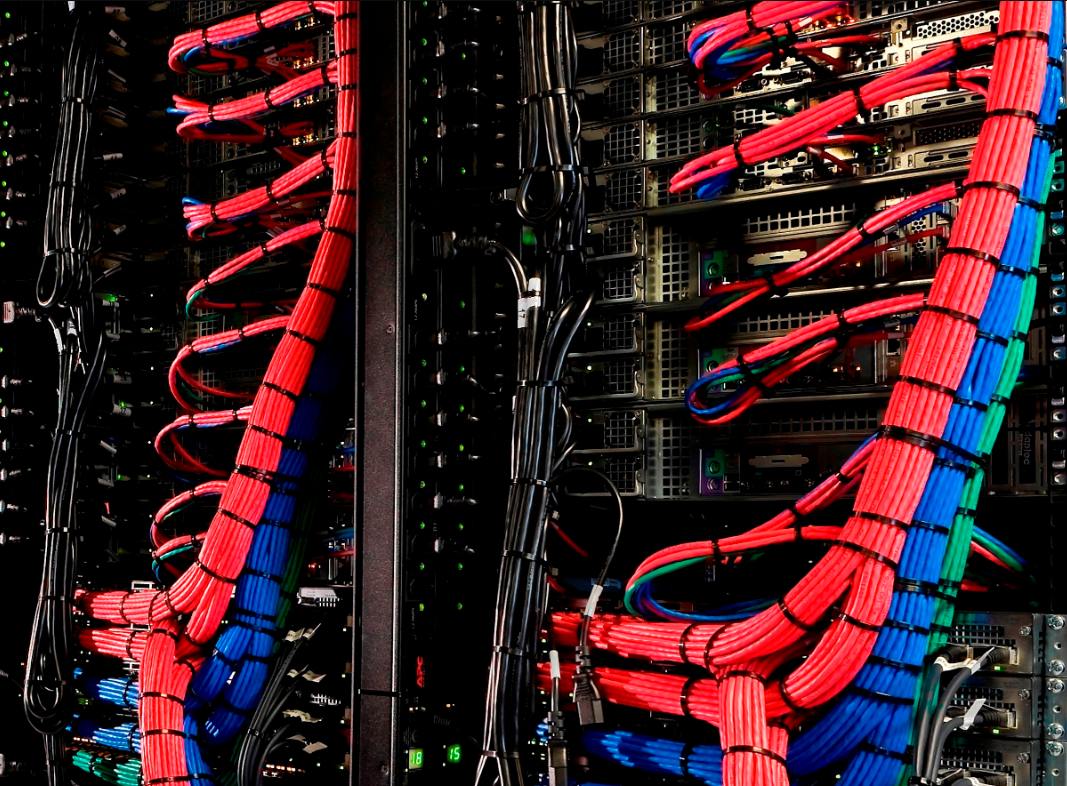
Reducing Cable Clutter and Thermal Blockages in Network Cabinets
Disorganized internal wiring in a rack mount chassis directly restricts heat evacuation and increases operational costs. Implementing structured cable management ensures uninhibited air circulation and simplifies routine equipment servicing.
Eliminating Airflow Bottlenecks in Server and Network Cabinets
Structured cable placement prevents air stagnation and maintains optimum static pressure across critical hot zones within the enclosure.
Streamlined Air Passages: Positioning cables along dedicated sidewall routes prevents blockages in front of high-RPM intake fans, significantly improving overall server chassis airflow.
Lower Fan Energy Consumption: Unobstructed airflow pathways lower static pressure resistance, allowing thermal management systems to run at reduced speeds while maintaining ideal operating temperatures.
Mitigation of Localized Hotspots: Preventing dense cable bunches near high-TDP processors and power modules reduces system throttling and extends hardware lifespan in every server chassis.
Accelerating Maintenance and System Serviceability
A well-engineered network chassis cable management layout reduces human error and downtime during hardware upgrades or emergency repairs.
Clear Cable Traceability: Separating patch cords into color-coded and structurally isolated paths speeds up port identification during troubleshooting.
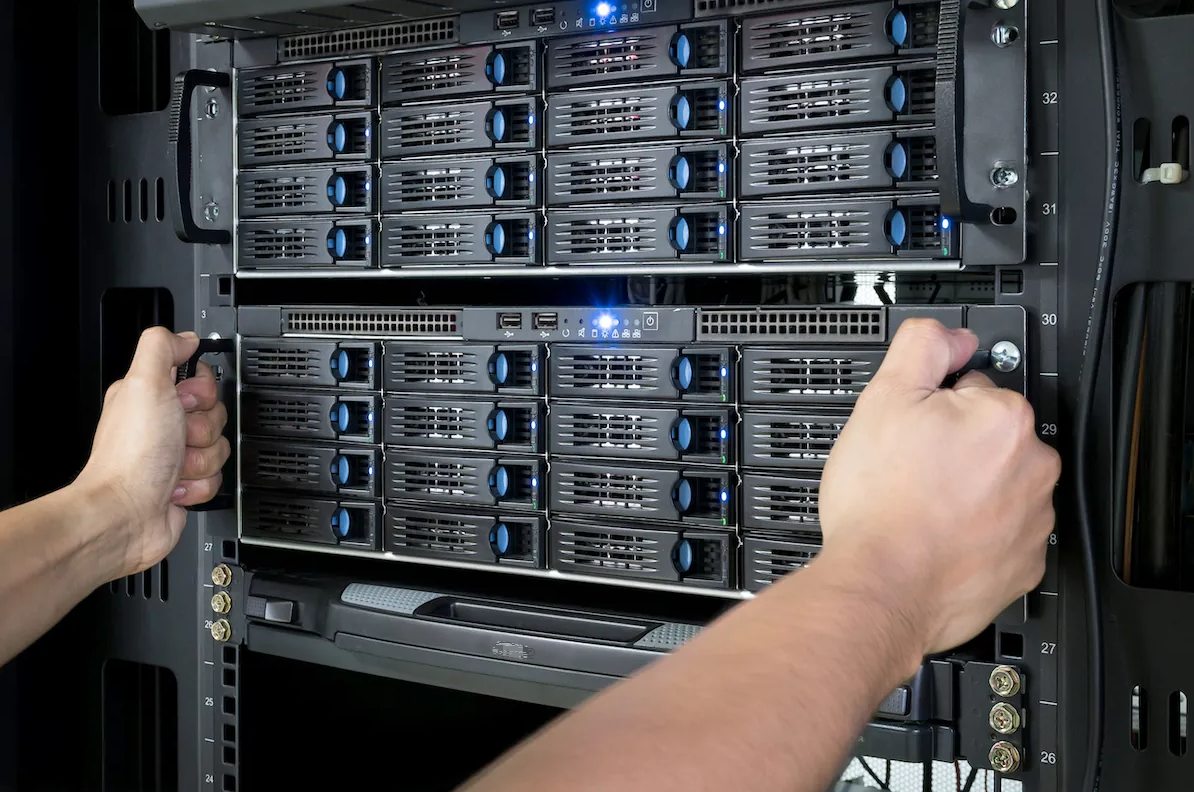
Unobstructed Hot-Swapping: Route-isolated cable routing allows technicians to swap out power supplies, fan trays, and modular cards without disturbing adjacent connections.
Minimized Accidental Disconnections: Secure retention features prevent cable strain, protecting fragile optical connectors from accidental pulling or bending damage.
Custom Cable Channels, Tie Loops, and Separation Plates
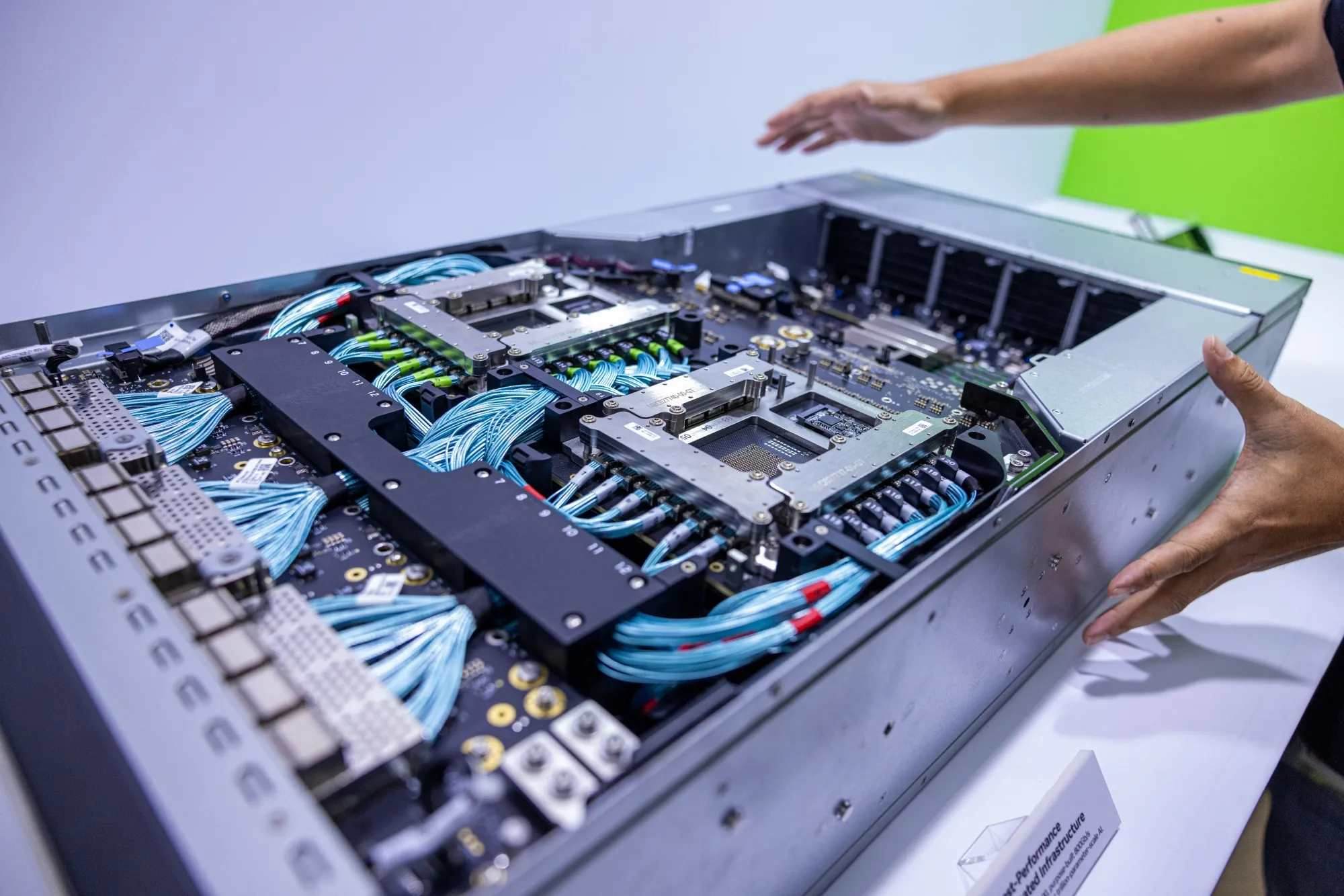
Achieving clean internal cable routing within a compact modular chassis design requires custom sheet metal features manufactured to precise geometric tolerances. SanJun Hardware leverages advanced DFM分析, CNC laser cutting, and precision bending to create fully integrated structural wire management systems through expert precision sheet metal fabrication.
Precision Cable Channels and Stamped Tie Loops
Forming cable retention features directly into the enclosure body eliminates the need for third-party plastic clips that degrade over time.
Integrated Stamped Tie Loops: Precision-stamped bridge loops extruded directly from the metal chassis provide robust anchor points for hook-and-loop fasteners for effective cable management.
Hemmed and Smooth Channel Edges: All wire pass-through slots feature smooth rolled edges or grommet channels to prevent insulation abrasion during high-vibration operation.
Custom Routing Trays: Tailored internal trunking channels engineered into our Fiber Optic Distribution Boxes guide fiber jumper cables along safe bend radii with optimized cable routing.
Modular Isolation Plates and Internal Shielding
Physical separation of power lines and signal conductors is vital for preserving data packet integrity in high-frequency network environments.
Galvanized Steel Separation Plates: Internal sheet metal dividers physically segregate AC/DC power harnesses from sensitive high-speed Ethernet and optical lines inside the network device chassis.
Cross-Talk Suppression: Solid metallic barriers shield data lanes from low-frequency electromagnetic interference generated by adjacent power supply units.
Structural Reinforcement: Multi-functional isolation plates act as internal stiffeners, increasing chassis rigidity to prevent flexing in heavily loaded server chassis deployments.
Integrated Grounding Lugs for Signal Integrity
Electrical safety and electromagnetic compatibility (EMC) require robust grounding architecture integrated directly into the server chassis cable management layout.
Dedicated Grounding Studs and Electrostatic Protection
Continuous electrical bonding across all metal panels prevents electrostatic discharge (ESD) buildup and protects internal components.
PEM Riveted Grounding Studs: Heavy-duty copper-plated or stainless steel grounding studs auto-riveted into the chassis frame provide low-resistance grounding points for the network chassis.
Masked Powder Coating Contacts: Unpainted, masked contact surfaces around grounding lugs ensure direct metal-to-metal continuity without secondary manual scraping.
ESD Energy Dissipation: Grounded cable channels safely channel static buildup away from sensitive transceiver interfaces to main earth ground terminals.
Advanced Sheet Metal Engineering in High-Density Deployments
Tailored enclosures adapt seamlessly to demanding real-world deployment scenarios across various technology verticals.
5G Telecom Base Stations: Compact Telecom Communication Cabinets equipped with IP65-sealed cable entry glands and weather-resistant external powder coatings for reliable network chassis cable management.
Edge Computing Facilities: Ruggedized2U–4U rack mount chassis with integrated cable management brackets built to withstand high vibration and industrial dust.
Enterprise Server Rooms: High-density server chassis architecture optimized for multi-node server blades, ideal server chassis airflow, and rapid rack deployment.
SanJun Hardware’s Engineering Mastery and Custom Fabrication Services
SanJun Hardware bridges the gap between complex conceptual designs and high-precision physical enclosures through advanced engineering and tailored fabrication workflows. Our end-to-end customization services for every network device chassis guarantee optimized structural integrity, accelerated production, and strict compliance with global quality standards.
Rapid Prototyping and DFM Engineering Optimization
Before full-scale production begins, our engineering team collaborates closely with clients to refine chassis concepts and resolve potential manufacturing bottlenecks.
Comprehensive DFM Reviews: Expert analysis evaluates bend allowances, material tolerances, and structural integrity to eliminate design flaws and lower production costs in precision sheet metal fabrication.
Rapid Prototyping & Iteration: Advanced CNC laser cutting and press brake bending enable fast-turnaround sample production for real-world testing.
3D Design & Modeling Collaboration: We transform 2D customer drawings, concept sketches, or 3D models into production-ready modular chassis design frameworks.
Advanced Sheet Metal Manufacturing and Assembly
Our modern 5,000 m² facility features state-of-the-art machinery and specialized finishing capabilities to deliver turnkey custom network device chassis products.
Precision Machining & Automated Joining: Utilizing CNC punch presses (AMADA), laser cutters, and automatic PEM riveters to achieve high-precision interfaces.
One-Stop Surface Finishing: Complete surface treatment solutions including electrostatic powder coating, anodizing, and custom silk-screen logo printing.
Modular Assembly & Turn-key Shipping: Complete box-build assembly, component integration, and protective packaging designed for immediate deployment.
Unlock Superior Chassis Engineering with SanJun Hardware
Whether you require prototype DFM reviews or high-volume precision sheet metal fabrication, SanJun Hardware delivers end-to-end sheet metal solutions tailored to your exact specifications. 今すぐ当社のエンジニアリングチームにお問い合わせください。 to optimize your next-generation modular chassis design!
FAQ
Q: How does internal cable routing impact thermal efficiency in a high-density server chassis?
A: Messy cables break smooth airflow and raise static pressure. When cables run through side channels with internal cable routing, air moves straight past heat sinks and exhaust ports. This improves server chassis airflow and cooling performance.
Q: Why are metal separation plates preferred over plastic dividers in network chassis design?
A: Metal separation plates give two clear benefits in network chassis architecture. They add stiffness to the whole structure and block electromagnetic interference at the same time. Signal cables stay separated from power lines as a result.
Q: What manufacturing processes ensure cable insulation is protected from sharp metal edges?
A: Precision sheet metal fabrication uses hemmed edges, smooth deburring, and press-fit grommets on pass-through holes. These steps keep wires from rubbing during vibration and avoid short circuits. Cable routing stays safe under real operating conditions.
Q: Can custom grounding studs be integrated into pre-painted modular network cabinets?
A: Yes. Network device chassis production relies on automated PEM stud insertion along with paint masking at ground contact areas. This creates low-impedance paths without any manual scraping afterward in server chassis cable management.
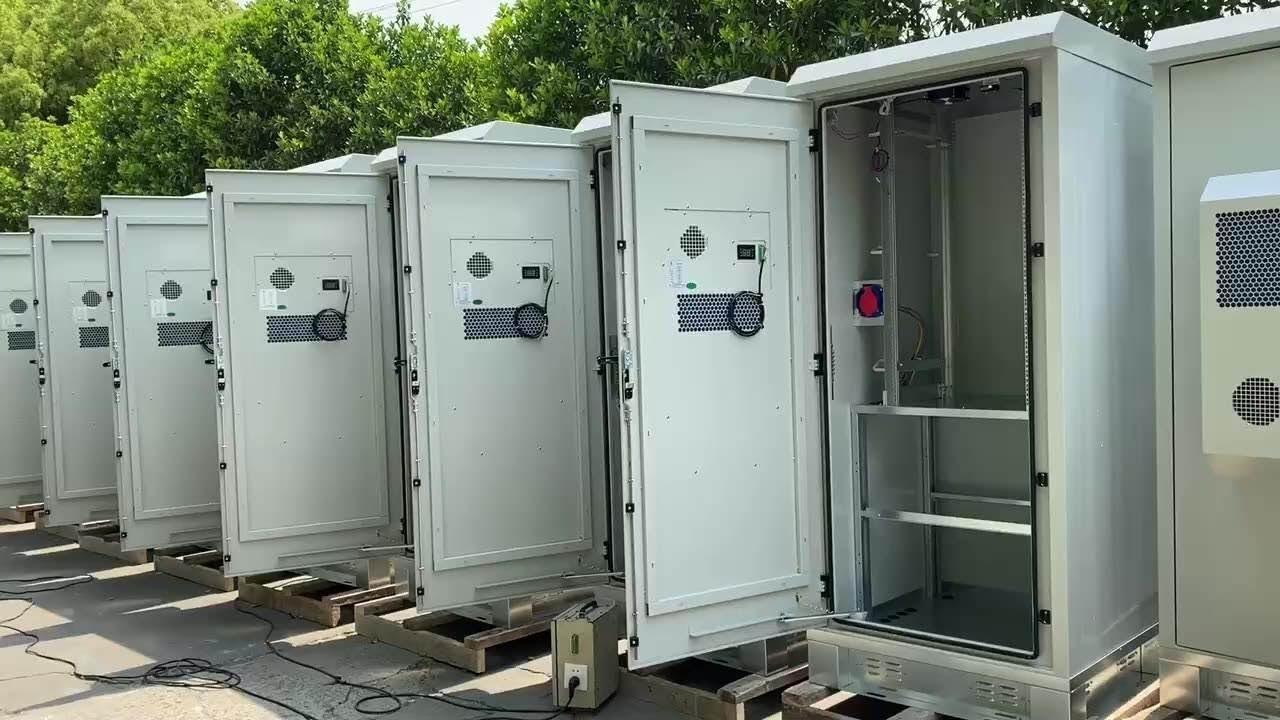
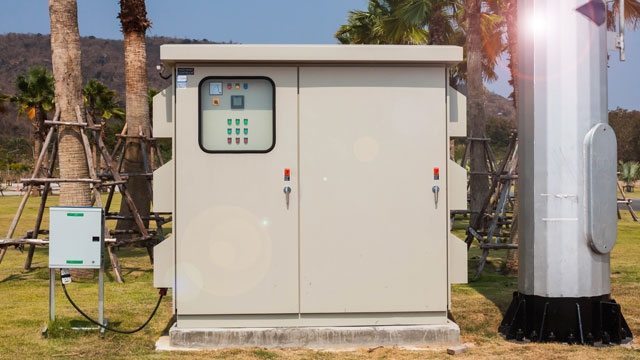
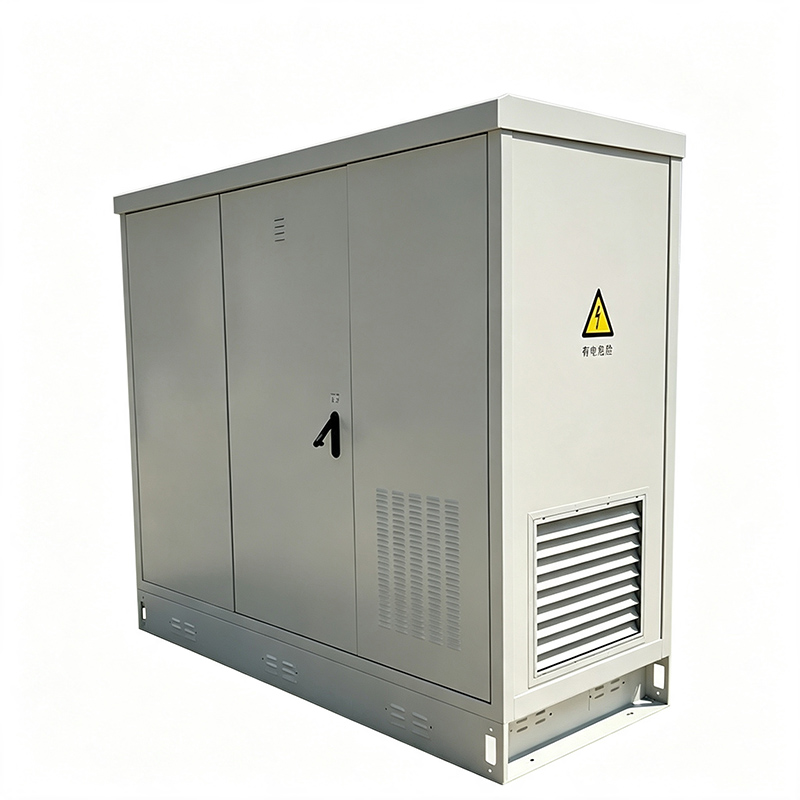
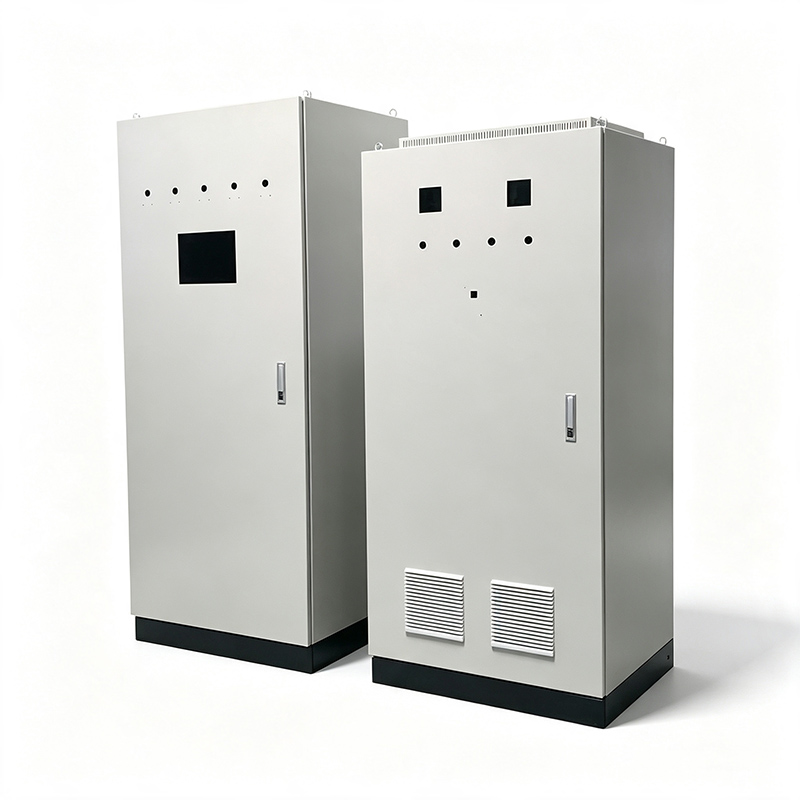
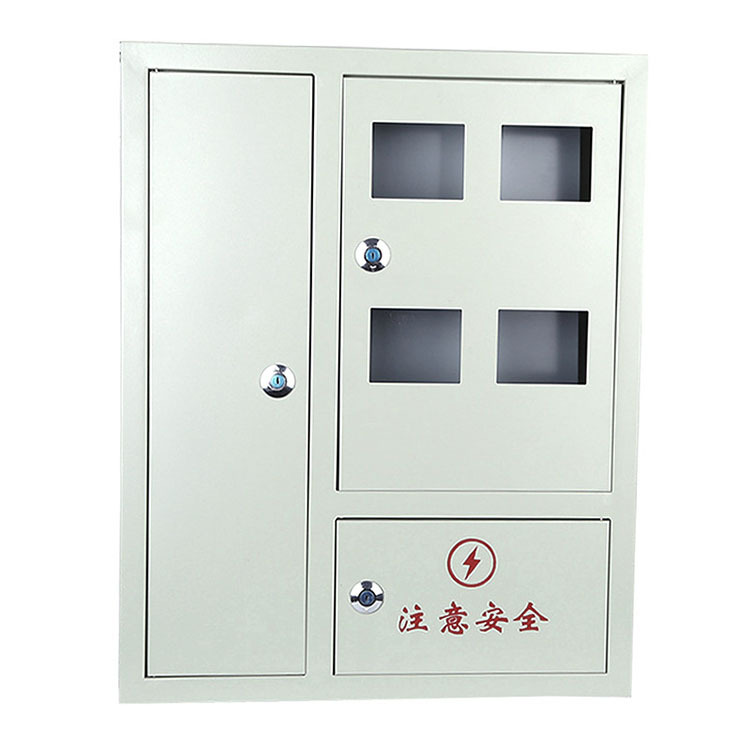
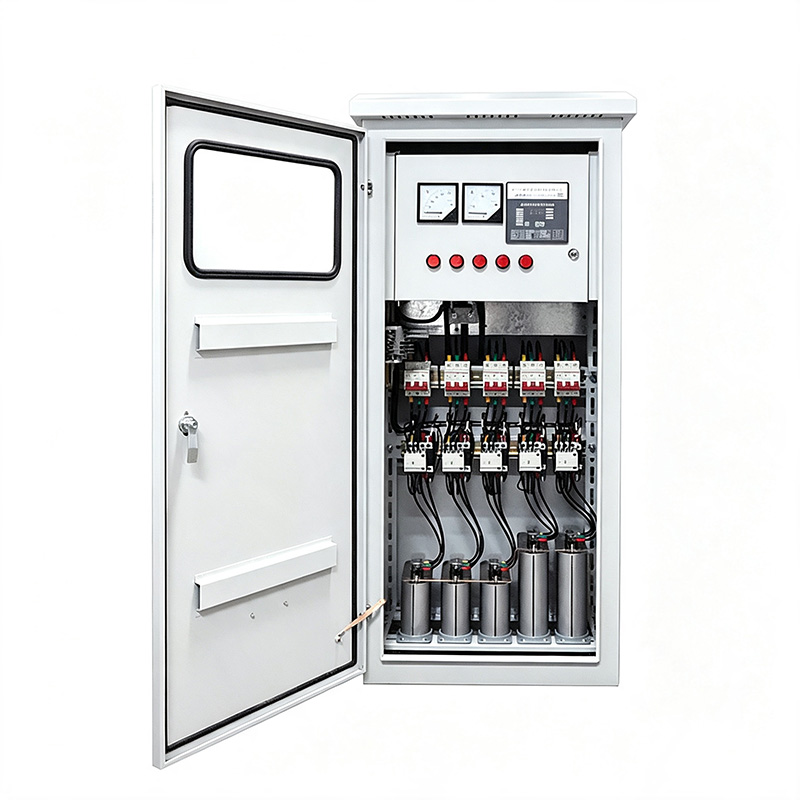
<p>We fabricate heavy‑duty sheet‑metal enclosures for outdoor power distribution and energy‑storage systems. Featuring IP54‑IP65 waterproof & dust‑proof performance, reinforced anti‑deformation structure and anti‑salt‑spray surface finishing.</p>
<p><strong>We deliver free 2D/3D CAD design according to your requirements, no drawing files from buyers needed</strong>, solving common pain points like cabinet water‑leakage, structural sagging and assembly mismatch for harsh outdoor working conditions.</p>



























コメント