Sourcing Custom EV Charger Enclosures? 2026 Procurement Guide
Sourcing Custom EV Charger Enclosures? 2026 Procurement Guide
Global EV adoption keeps rising in 2026. That growth drives steady demand for solid charging networks. Every charging station depends on a tough custom EV charger enclosure. The enclosure shields power parts from rough weather, hits, and heat buildup.
EV charger enclosure fabrication goes smoother when teams grasp the needs for strong builds, heat handling, dust and water protection, easy production, and lasting materials. This EV charger enclosure procurement guide lays out the main points buyers review when sourcing an OEM EV charger enclosure. Teaming up with a skilled custom EV charger enclosure manufacturer in China, such as 산준 하드웨어, moves EVSE projects from early checks to steady output without extra delays.
Key Considerations for EV Charger Enclosure Specifications
Defining precise 전기차 충전기 케이스 specifications early in the design stage is essential to ensure operational stability and reduce costly redesigns. Material, sealing, structural reinforcement, and environmental requirements should all be confirmed before EV charger enclosure sheet metal fabrication begins.
Selecting Durable Sheet Metal Materials
Proper EV charger enclosure material selection balances structural strength, weight, corrosion resistance, thermal conductivity, and project cost.
Galvanized Steel: It provides strong mechanical strength and affordable corrosion protection. This works well for many outdoor power boxes and commercial charging stations.
Stainless Steel 304 / 316: It resists salt spray and chemical exposure better than most options. This fits coastal and industrial environments without issues.
Aluminum Alloy: It offers lower weight and solid thermal conductivity. This cuts down enclosure weight and supports steady passive heat dissipation.
Ingress Protection and IP65 EV Charger Enclosure Standards
An outdoor IP65 EV charger enclosure has to shield internal electrical parts from rain, dust, and outside dirt.
Precision Sealing Channels: Formed bending profiles pair with steady polyurethane or silicone gaskets to reach IP65 or higher protection levels.
Waterproof Sealant Deflectors: Internal rain channels and overlapping door seams block moisture from cabinet openings.
Vandalism and Impact Resistance: Reinforced frames, concealed hinges, and flush locks guard touchscreens, connectors, and payment parts inside.
Engineering Excellence in Thermal Management and Structural Design
High-power charging equipment generates substantial internal heat, making EV charger enclosure thermal management and structural optimization important parts of the design process.
Advanced EV Charger Enclosure Thermal Management
EV charger enclosure thermal management keeps power modules and control electronics at safe temperatures during daily use.
Airflow Louver Ventilation: Rain-resistant louvers with internal mesh screens allow natural ventilation. They also block direct water and debris entry.
Forced-Air Cooling Baffling: Internal ducts guide airflow across power modules. They send hot exhaust air away from temperature-sensitive components.
Liquid-Cooling Bracket Integration: Customized mounting structures hold heat exchangers, pumps, hoses, and cooling parts. These fit high-power DC fast charger enclosure designs.
EV Charger Enclosure DFM Optimization
Early EV charger enclosure DFM reviews help reduce fabrication complexity, material waste, tolerance conflicts, and unnecessary assembly operations.
Tolerance Control: Precision laser cutting and CNC bending help control dimensional accuracy for internal component alignment and final cabinet assembly.
Rapid EV Charger Enclosure Prototype: An EV charger enclosure prototype can be produced through laser cutting, bending, welding, and finishing before committing to larger production volumes.
Hardware Assembly Efficiency: Self-clinching PEM nuts, rivet nuts, studs, and pre-installed mounting hardware can simplify final electrical assembly.
Comprehensive Custom Solutions and Product Offerings
Different charging applications require different custom EV charger enclosure structures. AC charging stations, DC fast chargers, and supporting power cabinets all place different demands on materials, thermal control, and internal mounting architecture.
High-Performance Products for Diverse Charging Needs
SanJun Hardware provides EV charger enclosure sheet metal fabrication for multiple charging-system formats.
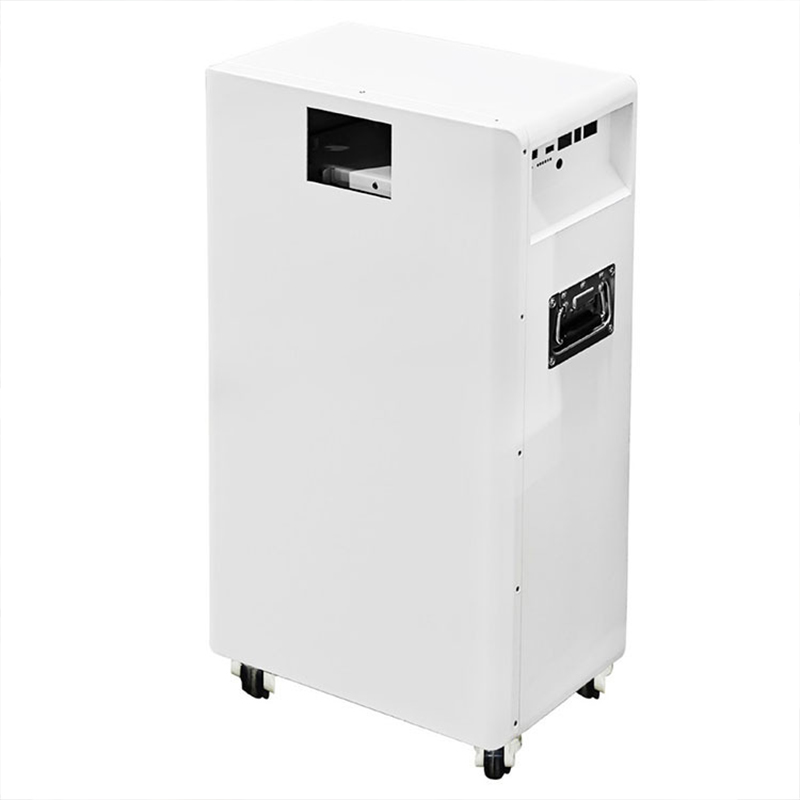
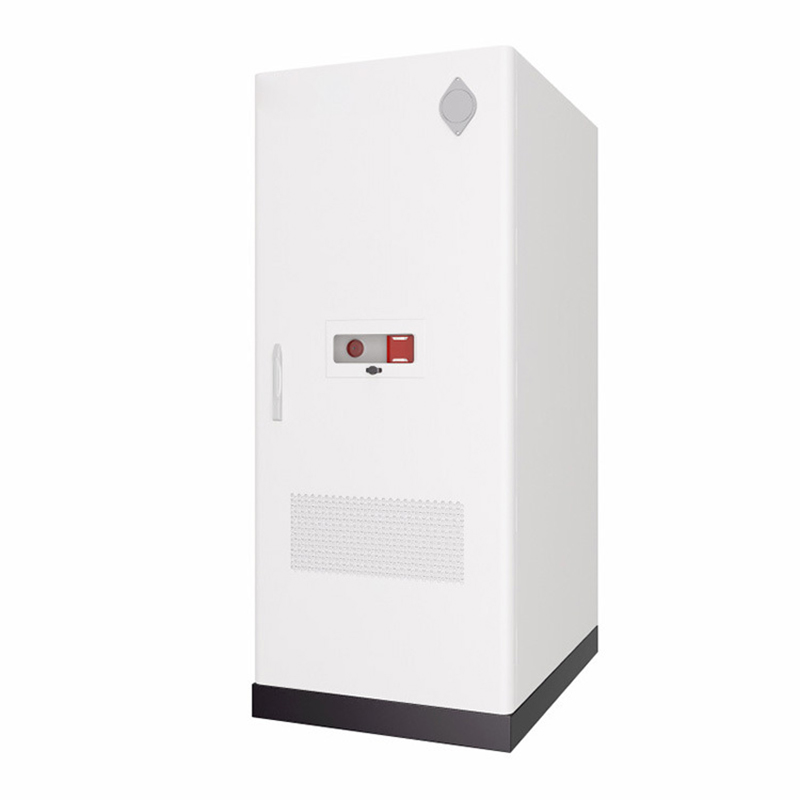
AC Charging Pile Enclosure: Compact wall-mounted and pedestal housings designed for residential communities, workplace parking, and commercial installations.
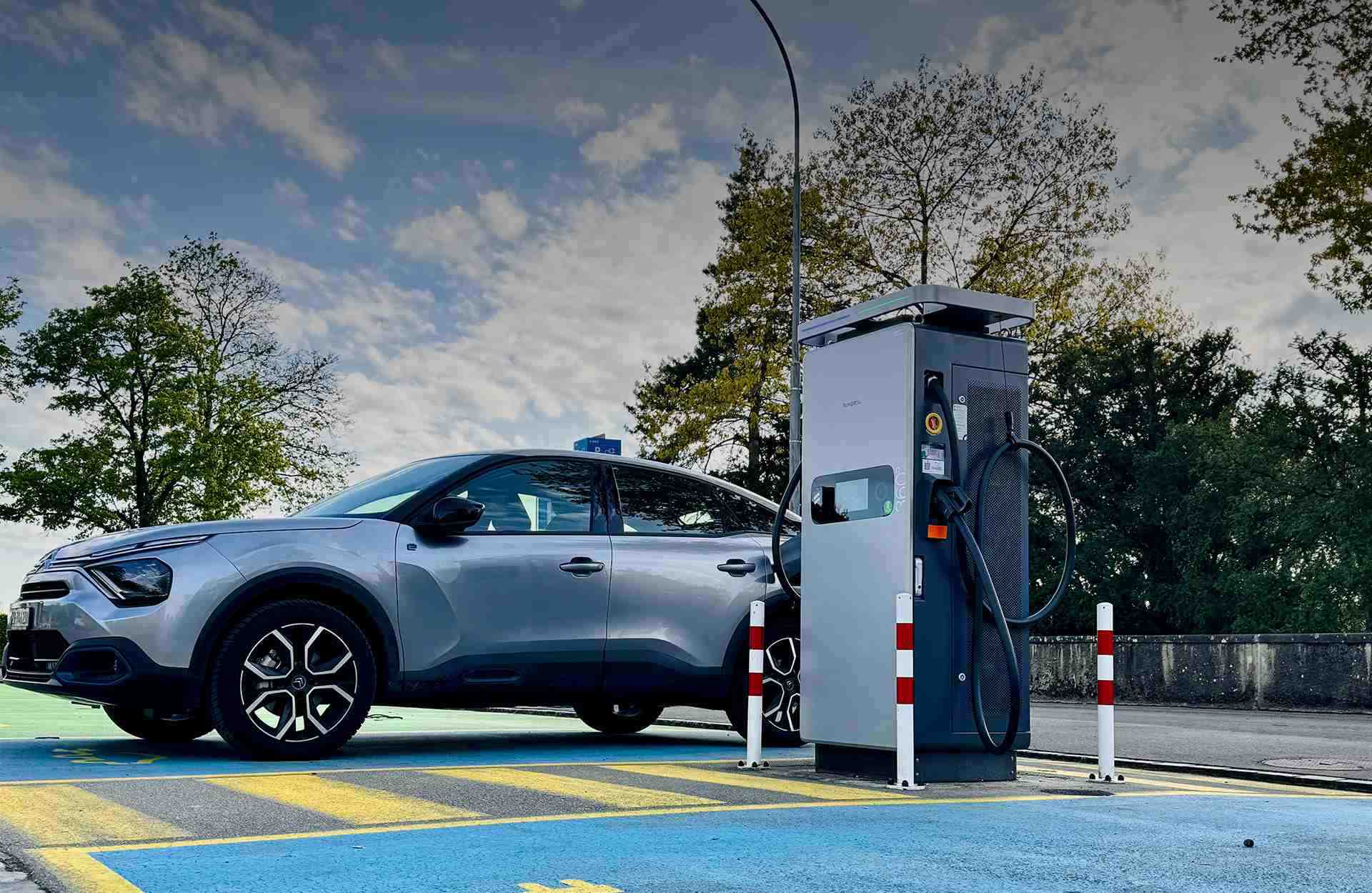
직류 충전기 외함: A heavy-duty DC fast charger enclosure provides space for high-power modules, control electronics, cooling systems, and cable-routing structures.
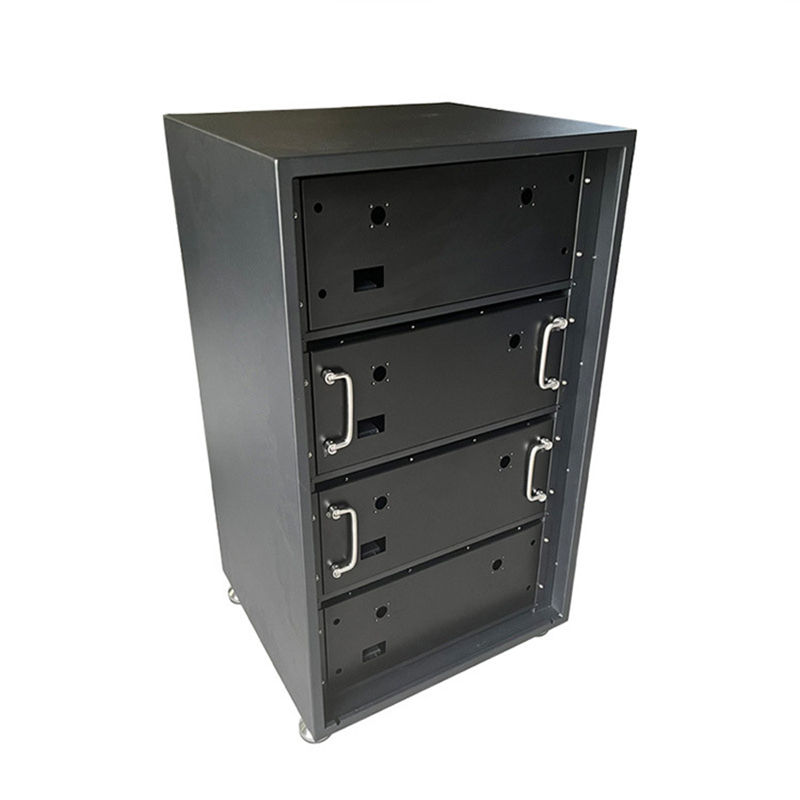
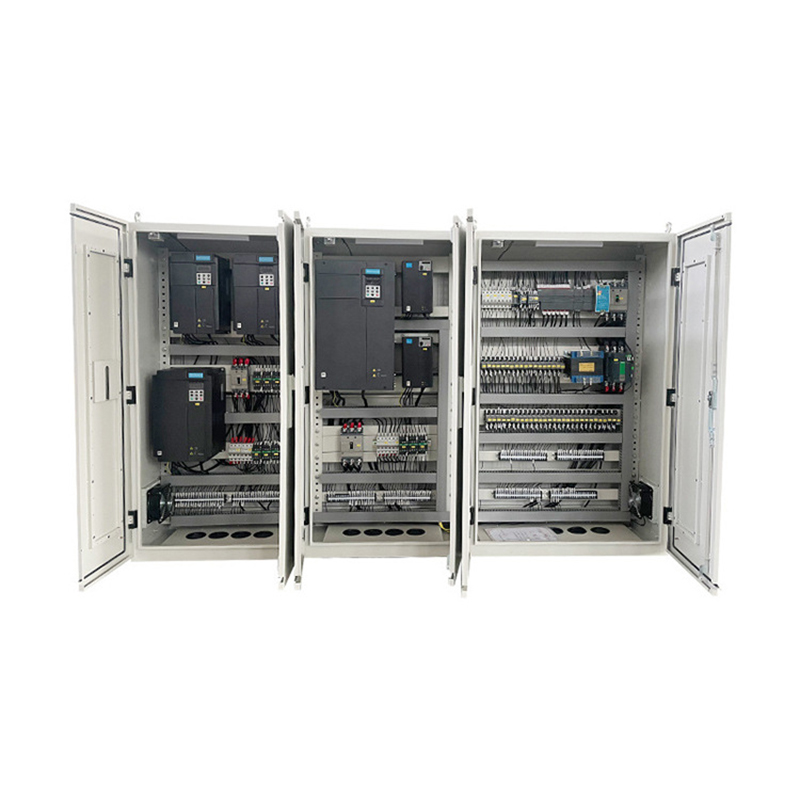
Charging Supporting Sheet Metal Parts: Internal mounting plates, module sub-chassis, busbar brackets, and cable-management structures can be fabricated as part of a complete OEM EV charger enclosure project.
Turnkey Fabrication Services and Application Scenarios
Integrated production workflows provide greater control over EV charger enclosure fabrication from raw sheet metal to finished cabinet assembly.
Free Drawing Design Support: Engineering teams help turn initial concepts or size requirements into drawings ready for production.
Versatile Application Scenarios: A custom EV charger enclosure can be configured for urban parking lots, highway charging stations, industrial facilities, coastal areas, and other outdoor environments.
Essential EV Charger Enclosure Procurement Checklist
A structured EV charger enclosure procurement checklist helps buyers compare suppliers consistently and reduces misunderstandings during quotation and production.
Steps to Issue a Successful EV Charger Enclosure RFQ
A fully fleshed-out EV charger enclosure RFQ would supply adequate information for pricing, DFM input, lead time calculation, and material sourcing.
CAD Technical Package: Provide 2D drawings and 3D CAD files such as STEP/IGES, including material specification, sheet metal thickness, dimensions, interface assembly details, and critical tolerances.
Environmental and Surface Specification: IP ratings, salt spray expectations, coating thickness, surface roughness, and RAL color must be clearly specified.
Thermal and Mounting Information: Include expected heat loads, vent holes, fan locations, liquid cooling components, cable entry points, and mounting inside the enclosure.
Supplier Capacity Validation: Ensure that the supplier has the capability in machining, bending, welding, surface finishing, inspecting, prototyping, and EV charger enclosure DFM before choosing them.
Utilizing the EV charger enclosure RFQ template will enable easy comparison of quotations beyond price considerations.
Accelerate Your EVSE Projects with SanJun Hardware
Selecting the right custom EV charger enclosure manufacturer in China is critical when moving from concept to serial production. SanJun Hardware supports custom EV charger enclosures, DC fast charger enclosures, and supporting sheet metal projects through engineering, prototyping, fabrication, and finishing services.
Whether you require a single EV charger enclosure prototype or scalable OEM EV charger enclosure production, early DFM coordination can help reduce design revisions and streamline manufacturing.
Ready to simplify your EV charger enclosure procurement? 산준 하드웨어에 문의하세요 to submit your CAD drawings, confirm EV charger enclosure specifications, and request a project quotation.
자주 묻는 질문
Q: How do custom sheet metal enclosures achieve reliable IP65 weatherproofing for outdoor EV chargers?
A: An IP65 EV charger enclosure often relies on tight door seals together with gasket setups. It also features ventilation that stays protected, seams that overlap, and cable entries that are well guarded. These elements work together to keep out dust and water.
Q: What are the main differences between AC and DC fast charger enclosure fabrication?
A: AC chargers generally need smaller and lighter housings. A DC fast charger enclosure calls for extra internal room, firmer structural support, and more involved thermal management to handle high-power modules.
Q: How can EV charger enclosure DFM reduce production costs?
A: EV charger enclosure DFM helps by planning bend sequences in advance. It also cuts down on extra welding, uses standard hardware, clears up tolerance issues, and makes assembly simpler before work starts.
Q: What should be included in an EV charger enclosure RFQ?
A: A complete EV charger enclosure RFQ covers drawings, material needs, sheet thickness, the IP target, surface finish, thermal demands, mounting points, expected quantities, and whether prototypes or full runs are required.
네. 최소 주문 수량(MOQ)은 1개이며, 금형 제작이 필요 없습니다. 모든 맞춤형 판금 케이스는 고객님의 디자인에 따라 직접 생산 가능합니다.
네, 고객님의 2D/3D 도면을 기반으로 맞춤형 판금 제작을 진행합니다. 무료 DFM(설계 제조성 검토) 서비스를 제공하며, 고객님의 정확한 재료, 공차 및 마감 요구 사항을 준수합니다. 시제품 제작 및 양산 모두 가능하며, 철저한 품질 관리와 수출 표준 포장을 제공합니다.
물론입니다. 제품 크기, 조립 기능, 사용 시나리오 및 성능 요구 사항을 보내주시면 저희 판금 팀에서 무료 구조 설계, 솔루션 최적화 및 DFM 분석을 제공해 드립니다.
도면을 직접 준비하실 필요가 없습니다. 스케치부터 생산 도면까지 모든 설계 작업을 저희가 완료하여 연구 개발 비용과 위험 부담을 줄여드립니다. 고객의 조립 요구 사항을 완벽하게 충족할 수 있도록 도면을 반복적으로 수정합니다.
당사는 고객님의 기술 요구사항을 접수하는 즉시 24시간 이내에 DFM 도면 검토 및 공식 견적을 제공합니다.
네. 저희는 고객님의 도면에 따라 신속한 시제품 제작 서비스를 제공하여 대량 주문 전에 구조와 크기를 확인하실 수 있도록 도와드립니다.
당사의 모든 제품은 ISO9001, EMC, LVD 및 RoHS 인증을 획득했습니다.
당사는 글로벌 안전 및 품질 기준을 완벽하게 준수하며, 모든 프로젝트 적용 분야에 안정적이고 신뢰할 수 있는 솔루션을 제공합니다.
저희는 자체 공장을 운영하며 원스톱 종합 생산 서비스를 제공합니다.
엄격한 공정 관리와 표준화된 품질 관리는 안정적인 제품 품질과 정시 납품을 보장하여 신뢰할 수 있는 장기적인 글로벌 파트너십을 구축합니다.
당사는 스테인리스강(304/316), 알루미늄(5052/6061), 냉간/열간 압연강, 아연 도금강, 황동 및 구리를 포함한 다양한 표준 및 고성능 판금 소재를 가공합니다. 또한 프로젝트 요구 사항에 따라 특수 소재를 조달할 수도 있습니다.
레이저 절단 및 벤딩 가공의 표준 공차는 ±0.1mm입니다. 고정밀 부품의 경우, 재질 두께 및 부품 구조에 따라 ±0.05mm까지 정밀도를 확보할 수 있습니다. 모든 치수는 고객의 요구 사항을 충족하기 위해 출고 전 100% 검사됩니다.
네, 저희는 분체 도장, 도색, 아노다이징, 샌드블라스팅, 브러싱, 전기 도금, 부동태 처리, 연마 및 열처리 등 모든 표면 처리 서비스를 원스톱으로 제공합니다. 고객님의 디자인에 따라 색상과 효과를 맞춤 제작할 수 있습니다.
네, 저희는 고객으로부터 도면이나 설계 세부 정보를 받기 전에 항상 기밀유지협약(NDA)을 체결합니다. 저희는 고객의 지적 재산권을 엄격하게 보호하고 모든 프로젝트 정보를 기밀로 유지합니다.



























댓글을 남겨주세요