Sourcing Custom EV Charger Enclosures? 2026 Procurement Guide
Sourcing Custom EV Charger Enclosures? 2026 Procurement Guide
Global EV adoption keeps rising in 2026. That growth drives steady demand for solid charging networks. Every charging station depends on a tough custom EV charger enclosure. The enclosure shields power parts from rough weather, hits, and heat buildup.
EV charger enclosure fabrication goes smoother when teams grasp the needs for strong builds, heat handling, dust and water protection, easy production, and lasting materials. This EV charger enclosure procurement guide lays out the main points buyers review when sourcing an OEM EV charger enclosure. Teaming up with a skilled custom EV charger enclosure manufacturer in China, such as SanJun Hardware, moves EVSE projects from early checks to steady output without extra delays.
Key Considerations for EV Charger Enclosure Specifications
Defining precise caixa de carregamento de veículos elétricos specifications early in the design stage is essential to ensure operational stability and reduce costly redesigns. Material, sealing, structural reinforcement, and environmental requirements should all be confirmed before EV charger enclosure sheet metal fabrication begins.
Selecting Durable Sheet Metal Materials
Proper EV charger enclosure material selection balances structural strength, weight, corrosion resistance, thermal conductivity, and project cost.
Galvanized Steel: It provides strong mechanical strength and affordable corrosion protection. This works well for many outdoor power boxes and commercial charging stations.
Stainless Steel 304 / 316: It resists salt spray and chemical exposure better than most options. This fits coastal and industrial environments without issues.
Aluminum Alloy: It offers lower weight and solid thermal conductivity. This cuts down enclosure weight and supports steady passive heat dissipation.
Ingress Protection and IP65 EV Charger Enclosure Standards
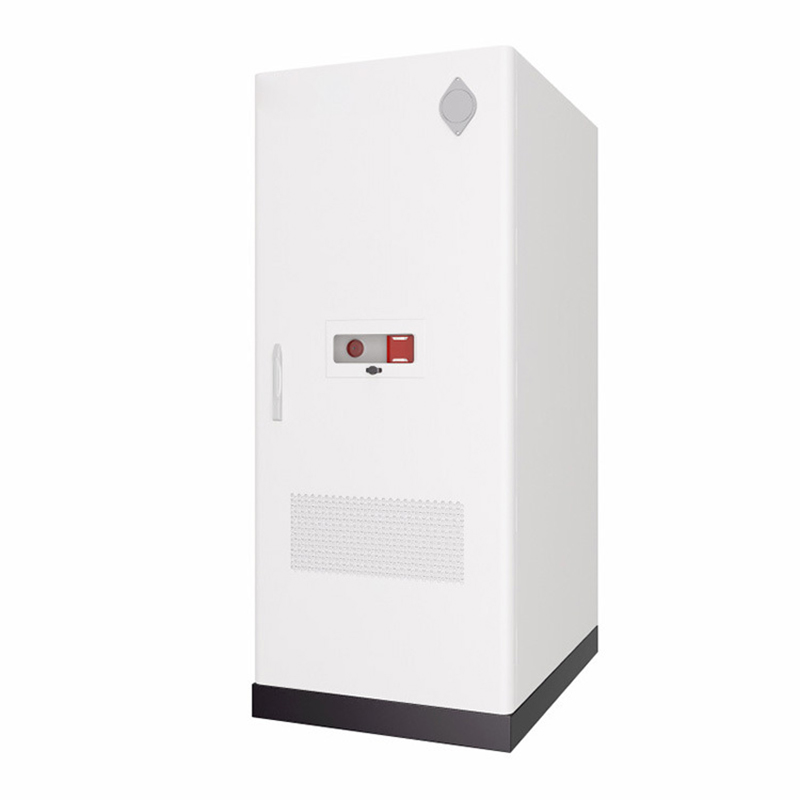
An outdoor IP65 EV charger enclosure has to shield internal electrical parts from rain, dust, and outside dirt.
Precision Sealing Channels: Formed bending profiles pair with steady polyurethane or silicone gaskets to reach IP65 or higher protection levels.
Waterproof Sealant Deflectors: Internal rain channels and overlapping door seams block moisture from cabinet openings.
Vandalism and Impact Resistance: Reinforced frames, concealed hinges, and flush locks guard touchscreens, connectors, and payment parts inside.
Engineering Excellence in Thermal Management and Structural Design
High-power charging equipment generates substantial internal heat, making EV charger enclosure thermal management and structural optimization important parts of the design process.
Advanced EV Charger Enclosure Thermal Management
EV charger enclosure thermal management keeps power modules and control electronics at safe temperatures during daily use.
Airflow Louver Ventilation: Rain-resistant louvers with internal mesh screens allow natural ventilation. They also block direct water and debris entry.
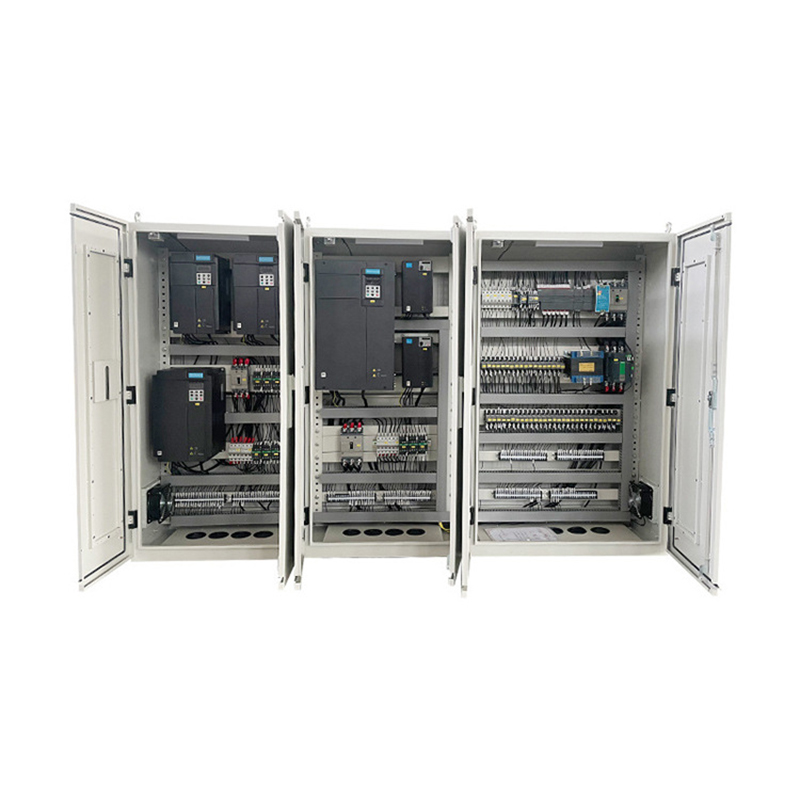
Forced-Air Cooling Baffling: Internal ducts guide airflow across power modules. They send hot exhaust air away from temperature-sensitive components.
Liquid-Cooling Bracket Integration: Customized mounting structures hold heat exchangers, pumps, hoses, and cooling parts. These fit high-power DC fast charger enclosure designs.
EV Charger Enclosure DFM Optimization
Early EV charger enclosure DFM reviews help reduce fabrication complexity, material waste, tolerance conflicts, and unnecessary assembly operations.
Tolerance Control: Precision laser cutting and CNC bending help control dimensional accuracy for internal component alignment and final cabinet assembly.
Rapid EV Charger Enclosure Prototype: An EV charger enclosure prototype can be produced through laser cutting, bending, welding, and finishing before committing to larger production volumes.
Hardware Assembly Efficiency: Self-clinching PEM nuts, rivet nuts, studs, and pre-installed mounting hardware can simplify final electrical assembly.
Comprehensive Custom Solutions and Product Offerings
Different charging applications require different custom EV charger enclosure structures. AC charging stations, DC fast chargers, and supporting power cabinets all place different demands on materials, thermal control, and internal mounting architecture.
High-Performance Products for Diverse Charging Needs
SanJun Hardware provides EV charger enclosure sheet metal fabrication for multiple charging-system formats.
AC Charging Pile Enclosure: Compact wall-mounted and pedestal housings designed for residential communities, workplace parking, and commercial installations.
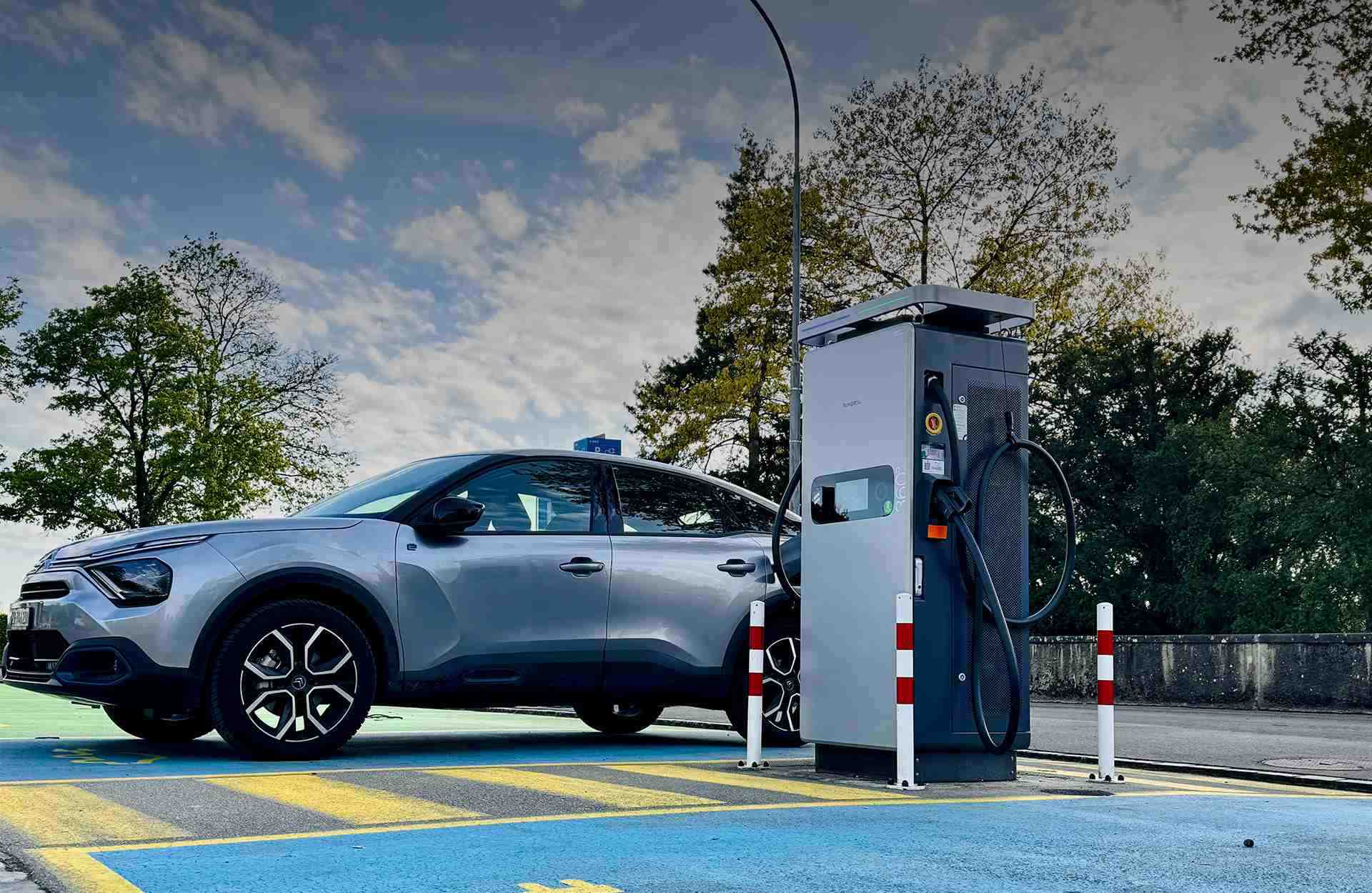
Caixa de posto de carregamento DC: A heavy-duty DC fast charger enclosure provides space for high-power modules, control electronics, cooling systems, and cable-routing structures.
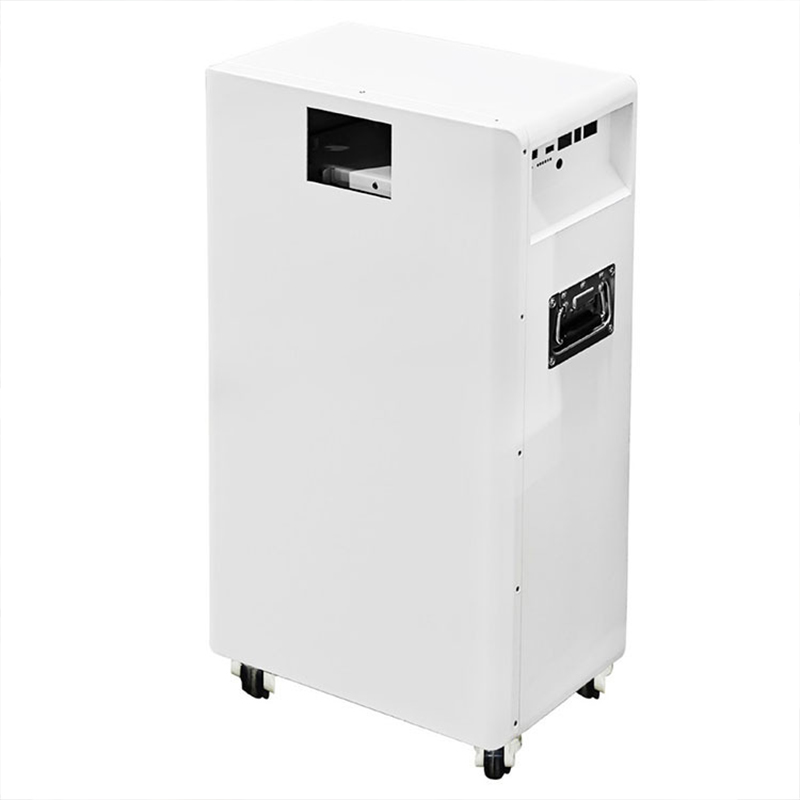
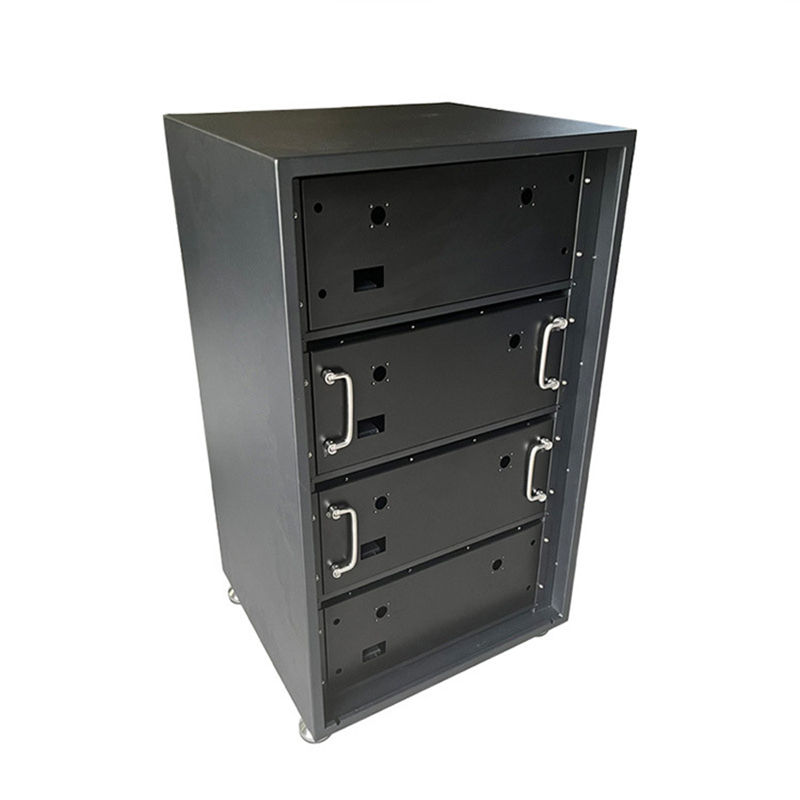
Charging Supporting Sheet Metal Parts: Internal mounting plates, module sub-chassis, busbar brackets, and cable-management structures can be fabricated as part of a complete OEM EV charger enclosure project.
Turnkey Fabrication Services and Application Scenarios
Integrated production workflows provide greater control over EV charger enclosure fabrication from raw sheet metal to finished cabinet assembly.
Free Drawing Design Support: Engineering teams help turn initial concepts or size requirements into drawings ready for production.
Versatile Application Scenarios: A custom EV charger enclosure can be configured for urban parking lots, highway charging stations, industrial facilities, coastal areas, and other outdoor environments.
Essential EV Charger Enclosure Procurement Checklist
A structured EV charger enclosure procurement checklist helps buyers compare suppliers consistently and reduces misunderstandings during quotation and production.
Steps to Issue a Successful EV Charger Enclosure RFQ
A fully fleshed-out EV charger enclosure RFQ would supply adequate information for pricing, DFM input, lead time calculation, and material sourcing.
CAD Technical Package: Provide 2D drawings and 3D CAD files such as STEP/IGES, including material specification, sheet metal thickness, dimensions, interface assembly details, and critical tolerances.
Environmental and Surface Specification: IP ratings, salt spray expectations, coating thickness, surface roughness, and RAL color must be clearly specified.
Thermal and Mounting Information: Include expected heat loads, vent holes, fan locations, liquid cooling components, cable entry points, and mounting inside the enclosure.
Supplier Capacity Validation: Ensure that the supplier has the capability in machining, bending, welding, surface finishing, inspecting, prototyping, and EV charger enclosure DFM before choosing them.
Utilizing the EV charger enclosure RFQ template will enable easy comparison of quotations beyond price considerations.
Accelerate Your EVSE Projects with SanJun Hardware
Selecting the right custom EV charger enclosure manufacturer in China is critical when moving from concept to serial production. SanJun Hardware supports custom EV charger enclosures, DC fast charger enclosures, and supporting sheet metal projects through engineering, prototyping, fabrication, and finishing services.
Whether you require a single EV charger enclosure prototype or scalable OEM EV charger enclosure production, early DFM coordination can help reduce design revisions and streamline manufacturing.
Ready to simplify your EV charger enclosure procurement? Entre em contato com a SanJun Hardware to submit your CAD drawings, confirm EV charger enclosure specifications, and request a project quotation.
FAQ
Q: How do custom sheet metal enclosures achieve reliable IP65 weatherproofing for outdoor EV chargers?
A: An IP65 EV charger enclosure often relies on tight door seals together with gasket setups. It also features ventilation that stays protected, seams that overlap, and cable entries that are well guarded. These elements work together to keep out dust and water.
Q: What are the main differences between AC and DC fast charger enclosure fabrication?
A: AC chargers generally need smaller and lighter housings. A DC fast charger enclosure calls for extra internal room, firmer structural support, and more involved thermal management to handle high-power modules.
Q: How can EV charger enclosure DFM reduce production costs?
A: EV charger enclosure DFM helps by planning bend sequences in advance. It also cuts down on extra welding, uses standard hardware, clears up tolerance issues, and makes assembly simpler before work starts.
Q: What should be included in an EV charger enclosure RFQ?
A: A complete EV charger enclosure RFQ covers drawings, material needs, sheet thickness, the IP target, surface finish, thermal demands, mounting points, expected quantities, and whether prototypes or full runs are required.
Sim. Apoiamos uma MOQ de 1PC, não é necessária a criação de moldes. Todas as caixas personalizadas de chapa metálica podem ser produzidas diretamente de acordo com o seu design.
Sim, aceitamos fabrico de chapa metálica personalizado estritamente com base nos seus desenhos 2D/3D. Fornecemos verificação DFM gratuita, seguimos os seus requisitos exatos de material, tolerância e acabamento. Estão disponíveis tanto protótipos como produção em massa, com controlo de qualidade total e embalagens de exportação standard.
Com certeza. Envie-nos as dimensões do seu produto, a função de montagem, o cenário de uso e as exigências de desempenho. Nossa equipe de chapas metálicas oferece projeto estrutural gratuito, ajuste de soluções e análise DFM.
Você não precisa preparar desenhos; nós cuidamos de todo o trabalho de projeto, do esboço ao desenho de produção, para que você economize custos e riscos de P&D. Revisamos os desenhos repetidamente para atender perfeitamente às suas necessidades de montagem.
Fornecemos revisão de desenhos DFM 24H e cotação formal após a receção dos seus requisitos técnicos.
Sim. Oferecemos prototipagem rápida de amostras de acordo com os seus desenhos, ajudando-o a verificar a estrutura e o tamanho antes de uma encomenda em massa.
Todos os nossos produtos obtiveram as certificações ISO9001, EMC, LVD e RoHS.
Cumprimos integralmente as normas globais de segurança e qualidade, fornecendo soluções estáveis e confiáveis para todas as aplicações de projetos.
Operamos a nossa própria fábrica e fornecemos produção completa interna "one-stop".
Um controlo de processo rigoroso e uma gestão de qualidade padronizada garantem uma qualidade de produto estável e entregas pontuais, construindo parcerias globais fiáveis a longo prazo.
Processamos uma gama completa de materiais de chapa metálica padrão e de alto desempenho, incluindo aço inoxidável (304/316), alumínio (5052/6061), aço laminado a frio/quente, aço galvanizado, latão e cobre. Podemos também adquirir materiais especiais de acordo com os requisitos do seu projeto.
A nossa tolerância padrão de maquinagem é de ±0,1 mm para corte a laser e dobragem. No caso de peças de alta precisão, podemos atingir ±0,05 mm, dependendo da espessura do material e da estrutura da peça. Todas as dimensões são inspecionadas de acordo com a norma 100% antes da entrega, para cumprir os seus requisitos.
Sim, prestamos serviços completos de tratamento de superfícies, incluindo pintura a pó, pintura, anodização, jateamento de areia, escovagem, galvanoplastia, passivação, polimento e tratamento térmico. Podemos personalizar cores e efeitos de acordo com o seu design.
Sim, assinamos sempre um NDA (Acordo de Não Divulgação) antes de receber quaisquer desenhos ou detalhes de design dos clientes. Protegemos rigorosamente a sua propriedade intelectual e mantemos todos os seus projetos confidenciais.





























Deixe um comentário