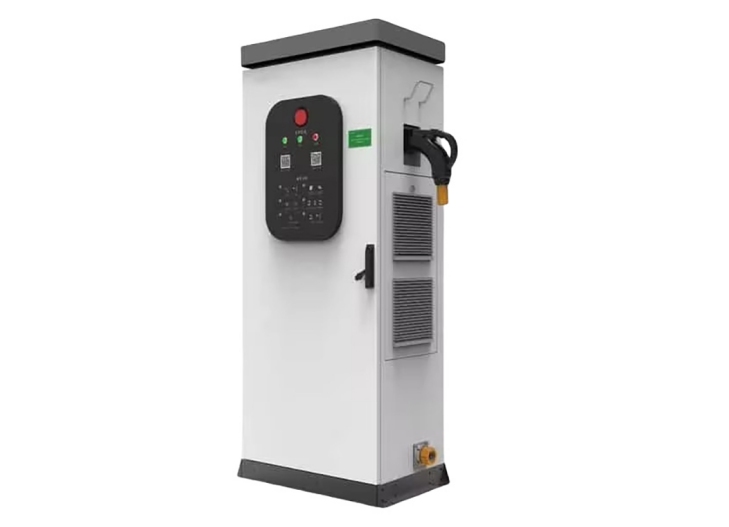
The world is moving to electric vehicles, so it needs solid charging setups. Home AC chargers stay basic in how they work. Commercial DC fast charging stations deal with big power demands and harsh weather outside. Making the outer shell for these units takes careful engineering. Hardware de San Jun, a top sheet metal maker with international approvals, gives custom enclosure solutions for this. Choosing aluminum versus galvanized steel for the chassis and panels in commercial DC fast chargers makes a big difference. It shapes product life, strength, and heat handling.
Understanding the Core Differences: AC vs. DC Charging Pile Enclosures
Commercial DC fast chargers work differently from low-power AC piles. They need special structural designs to handle their internal components.
Power Density and Internal Component Layout
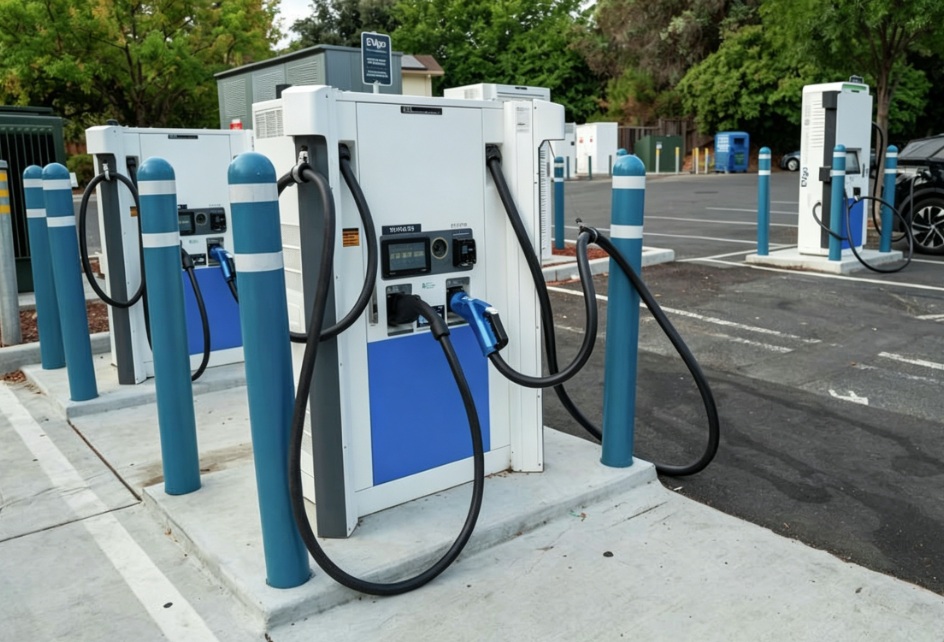
Commercial DC charging stations turn large grid power straight into vehicle batteries. This calls for bigger parts inside.
- Heavy Power Modules: DC fast chargers hold big rectifiers, cooling fans, transformers, and heavy liquid-cooled copper cabling. These require a strong chassis to carry the load.
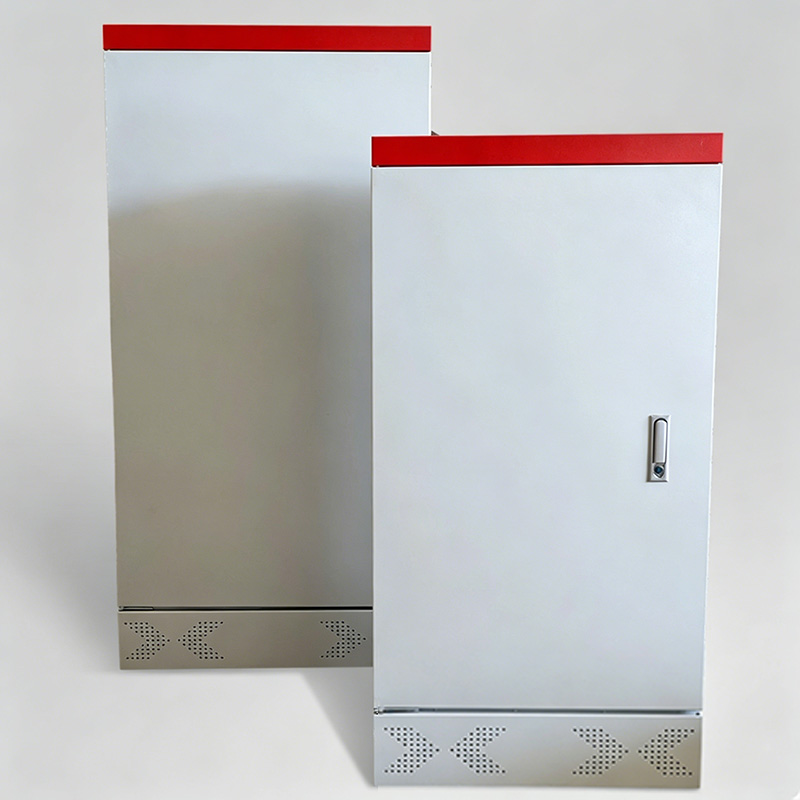
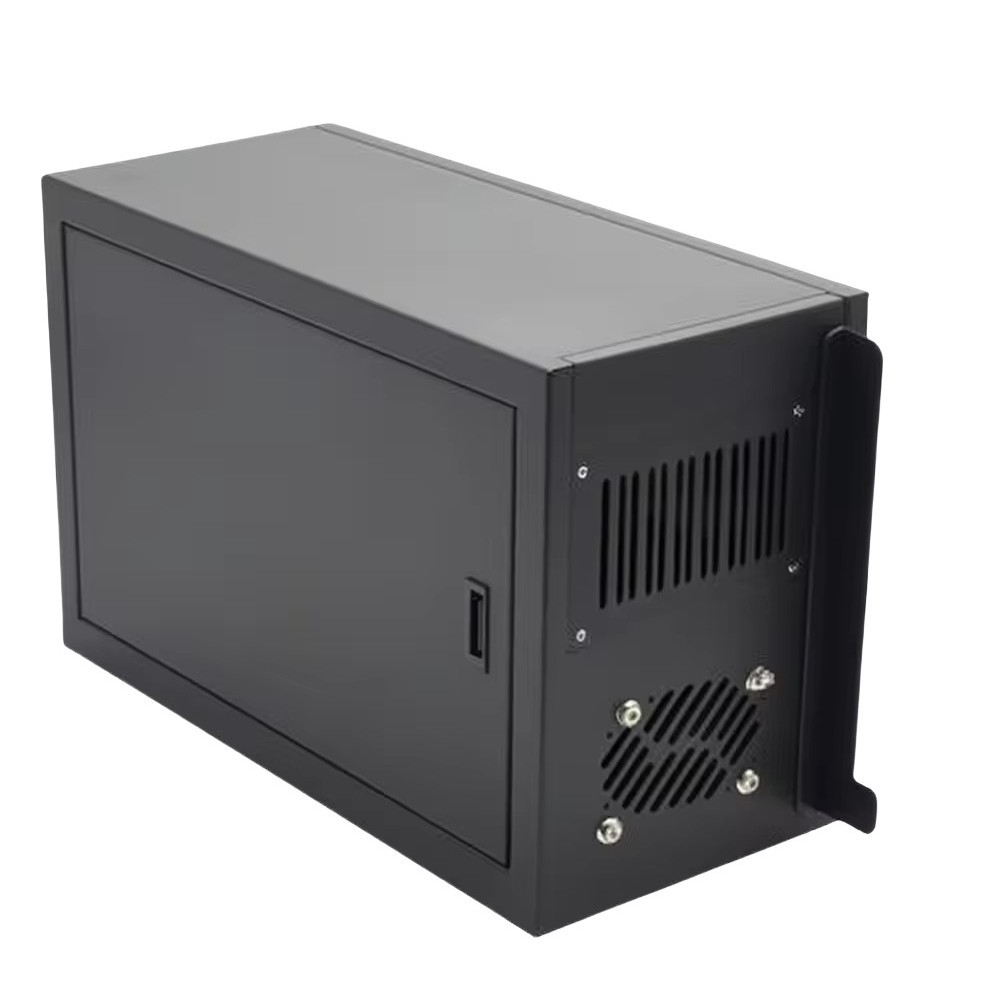
- Thermal Dissipation Volume: High power loads create much heat inside. The enclosure needs air ducts and vent cutouts to stop overheating.
- Electromagnetic Shielding: Internal high-frequency parts need a sheet metal enclosure. It provides solid EMC/EMI shielding against signal interference.
Environmental Exposure and Structural Longevity
Unlike indoor units, commercial DC piles sit in tough outdoor spots such as highway stops and urban lots.
- Extreme Weather Tolerance: Outdoor enclosures face long UV exposure, heavy rain, strong winds, and wide temperature swings. They must avoid warping or leaks.
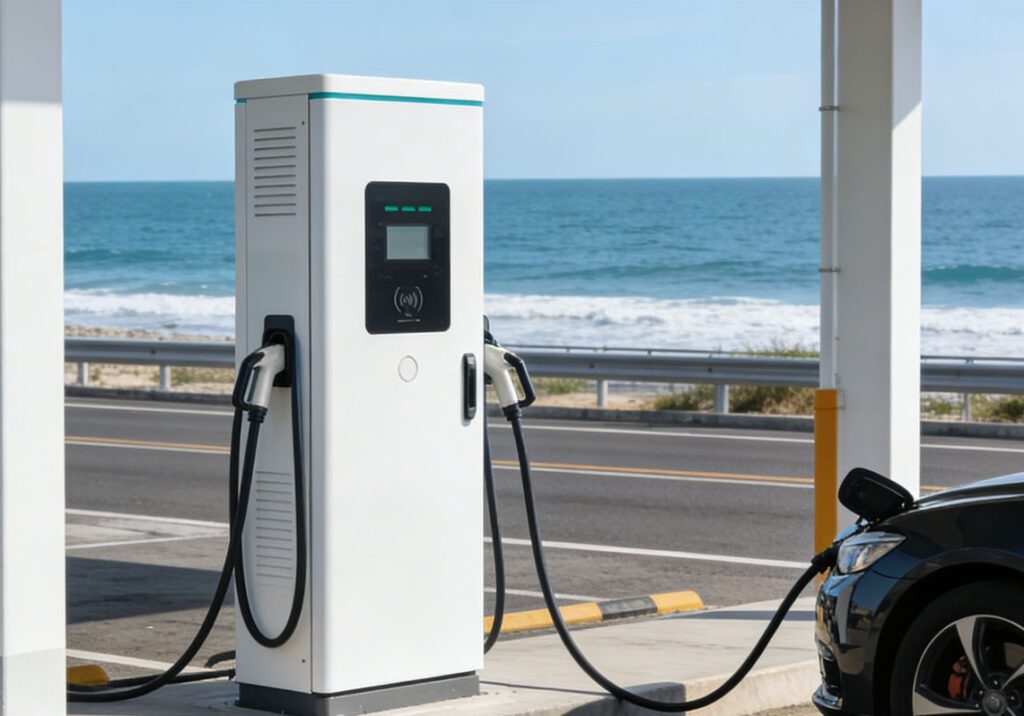
- Corrosion Risks: Coastal or northern stations deal with salt spray and de-icing chemicals. These speed up metal wear.
- Physical Impacts and Security: Public stations need high anti-vandalism ratings like IK10. The metal skin must resist scratches and dents from hits.
Aluminum vs. Galvanized Steel: The Ultimate Material Showdown
Choosing the right metal involves weighing thermal performance, weight, strength, and long-term costs.
Thermal Conductivity and Weight Management
Managing heat inside and total station weight counts for busy commercial charging sites.
- Aluminum’s Heat Dissipation: Aluminum moves heat nearly four times better than steel. The panels serve as a natural cooler and pull heat from the sensitive parts inside.
- Galvanized Steel’s Thermal Retention: Steel keeps heat inside the cabinet longer. This means larger fans and extra air ducts are often needed to control the temperatures.
- Structural Weight Reduction: Aluminum weighs about one-third as much as steel. That cuts shipping costs and makes it easier to install many charging units.
- Steel’s Ground Stability: Although heavier, galvanized steel gives a stable base and a lower center of gravity. This suits heavy public charging pillars well.
Corrosion Resistance and Structural Integrity
Long-term reliability keeps the charging station running for its planned 10-to-15-year service life.
- Aluminum’s Self-Healing Oxide Layer: Aluminum forms a natural protective oxide layer. It resists rust even after the paint gets scratched and works well in coastal areas with salty air.
- Galvanized Zinc Protection: Galvanized steel uses a zinc coating to protect the base metal. It gives a cost-effective solution for dry inland environments.
- Tensile and Yield Strength: Galvanized steel has higher mechanical strength than standard aluminum alloys. It handles high wind loads and impacts better in busy commercial areas.
- Fatigue Resistance: For large multi-dispenser charging stations, the rigidity of galvanized steel helps prevent panel sagging and frame alignment problems over time.
Advanced Manufacturing Solutions for High-Performance EV Cabinets
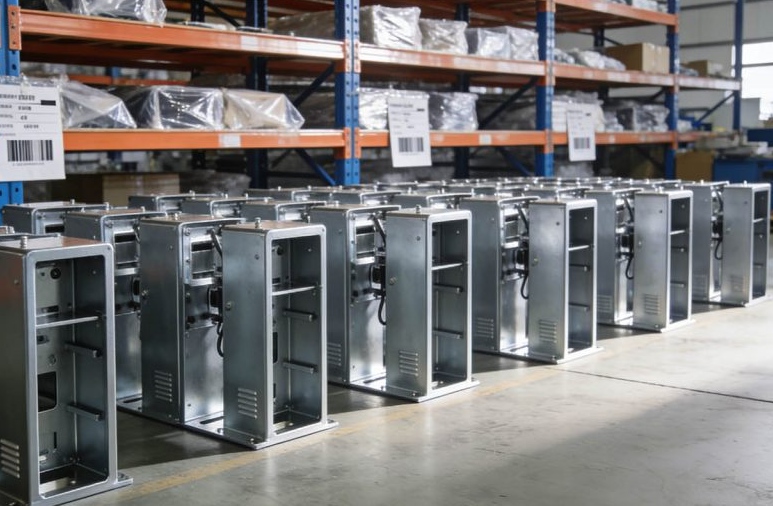
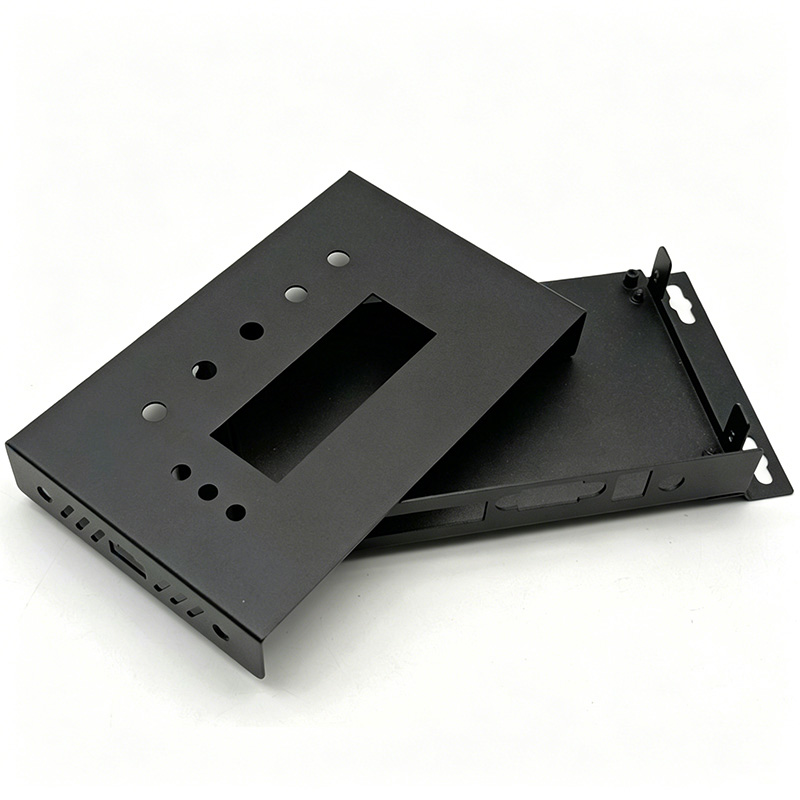
Raw sheet metal goes through precise processing to form a reliable, weather-tight electrical enclosure. At San Jun Hardware, automated production lines create sturdy structures with accurate part fits.
Precision CNC Machining and Tolerances
Tight tolerances help modular parts fit together well. This avoids problems in the field.
- Automated Punching and Cutting: We use machines such as the AMADA EM2510 and Tailife XP1250 CNC punch presses. These make accurate cutouts for interfaces, with standard tolerance at ±0.1mm and high-precision work reaching ±0.05mm.
- Flawless CNC Bending: Our Ausma CNC press brakes manage complex bends on thick steel and aluminum. They remove micro-cracks at corners and keep structural strength intact.
- Heavy-Duty Structural Welding: Precision TIG, MIG, and spot welding create strong chassis frames that support heavy power modules without flexing.
Premium Surface Treatment and IP Sealing Standard
Advanced finishes and tight seals keep internal electronics safe from dust and moisture.
- Outdoor Powder Coating: Every enclosure receives surface grinding, polishing, and cleaning. Then it gets an outdoor-grade powder coat that stands up to UV fading and chemicals.
- IP65 and IP66 Environmental Sealing: We design custom internal gutters and apply precise polyurethane gaskets along all access doors. These stop water and dust from entering during heavy rain.
- Integrated Custom Branding: Our production lines support silk screen printing on treated panels. This creates clear safety warnings, regulatory marks, and corporate branding.
Conclusão
Picking aluminum or galvanized steel for commercial DC fast charger cabinets depends on the site conditions, heat requirements, and available budget. Aluminum gives lightweight and good rust protection in coastal areas. Galvanized steel provides strong build and a lower price for demanding inland spots. San Jun Hardware supplies engineering help, accurate CNC production, and approved quality checks to complete your EV infrastructure plans.
Optimize Your Infrastructure Supply Chain
Work with a skilled manufacturer to raise your output of commercial EV chargers. Contact San Jun Hardware now with your engineering drawings in DWG or STEP. Ask for a Design for Manufacturing review and receive a competitive quote for the project.
FAQ
Q: Why do outdoor commercial DC fast chargers require higher IP protection ratings?
A: DC fast chargers hold high-voltage parts that create much heat. They react poorly to water. Ratings such as IP65 or IP66 block dust, rain, and bugs from the cabinet. This stops short circuits and keeps people safe in public spots.
Q: How does sheet metal selection impact the thermal management design of a high-power charging kiosk?
A: Aluminum moves heat away from the surface with ease. Galvanized steel keeps heat inside longer. Designers therefore fit bigger air paths, vents, and fans to protect the parts from excess warmth.
Q: What manufacturing steps are critical to prevent rust at the cut edges of galvanized steel enclosures?
A: Cutting or punching galvanized steel leaves bare edges. These edges need multi-stage chemical treatment. A tough outdoor powder coat then covers every cut so moisture cannot reach the steel.
Q: Can aluminum alloys provide the same level of impact resistance as galvanized steel for public infrastructure?
A: They can, but thicker sheets or added ribs are often required. Steel reaches strong impact levels with thinner material. Aluminum usually needs 2.5 mm to 3.0 mm panels or internal supports to meet anti-vandalism tests.


























Deixe um comentário