DFM Rules to Cut Sheet Metal Thermal Costs Without Losing CFM
DFM Rules to Cut Sheet Metal Thermal Costs Without Losing CFM
Effective sheet metal thermal management is one of the most critical challenges in modern electronics enclosure design. Designers frequently face compounding trade-offs when trying to maximize airflow while keeping unit fabrication costs within budget:
Balancing high CFM (Cubic Feet per Minute) requirements against excessive fan static pressure loss.
Selecting complex sheet metal ventilation holes that improve heat dissipation but increase CNC punching or laser cutting expenses.
Maintaining structural rigidity and EMI shielding while maximizing the ventilation open area ratio.
Reducing tooling wear and manufacturing lead times during volume fabrication.
Em SanJun Hardware, a premier sheet metal fabrication company with over 15 years of OEM/ODM experience, we bridge the gap between thermal simulation and cost-effective manufacturing. From custom Precision 2U Rack Chassis to rugged Outdoor Telecom Power Cabinets and BESS Enclosures, our engineering team delivers free sheet metal DFM review services, end-to-end custom layout design, 24-hour turnaround quotes, and rapid prototyping to production services that eliminate thermal bottlenecks.
Balancing Airflow and Manufacturing Costs in Thermal DFM
Achieving optimal electronics enclosure cooling requires a deep understanding of fluid dynamics combined with practical sheet metal DFM principles. Effective thermal management DFM considers airflow resistance, structural rigidity, manufacturability, and cost simultaneously.
Understanding Fan Static Pressure and Operating Points
Selecting the right cooling fan requires analyzing system impedance to ensure the fan operates efficiently at its designed curve.
Fan Operating Point Alignment: The intersection of the system resistance curve and fan performance curve determines the actual fan operating point and delivered airflow (CFM). Higher fan static pressure resistance drops CFM dramatically.
Impedance Mitigation: Excessive sheet metal airflow restriction shifts the fan operating point to low-efficiency zones, increasing fan power consumption, acoustic noise, and unit costs.
The Open Area Ratio Dilemma in Perforated Panel Pressure Drop
Maximizing the ventilation open area ratio is essential for minimizing perforated panel pressure drop without sacrificing structural integrity.
Perforated Panel Pressure Drop: A low ventilation open area ratio creates localized turbulence, increasing static pressure loss across intake and exhaust walls.
Structural Compromise: Pushing open area ratios above 60% can cause sheet metal warping during CNC punching or bending, requiring thicker gauges that raise material costs.
Balancing perforated panel pressure drop against structural strength is therefore a fundamental part of sheet metal thermal management.
DFM Rules for Cost-Effective Sheet Metal Ventilation Design
Implementing smart sheet metal DFM rules early in the design cycle significantly lowers unit costs while maintaining required airflow rates. A practical sheet metal ventilation design should balance CFM, tooling efficiency, panel strength, and pressure loss.
Selecting the Right Vent Pattern: Perforated vs. Honeycomb vs. Louvers
Each sheet metal ventilation design offers distinct advantages depending on thermal requirements, EMI protection, and manufacturing budgets.
Perforated Vent Pattern: A standard perforated vent pattern using round or square staggered holes offers the best balance between high open area ratio, ease of CNC punching, low tooling costs, and structural strength.
Honeycomb Ventilation Holes: Honeycomb ventilation holes provide superior open area ratios and optimal airflow directionality with low pressure drop, but require specialized cluster tooling or laser processing.
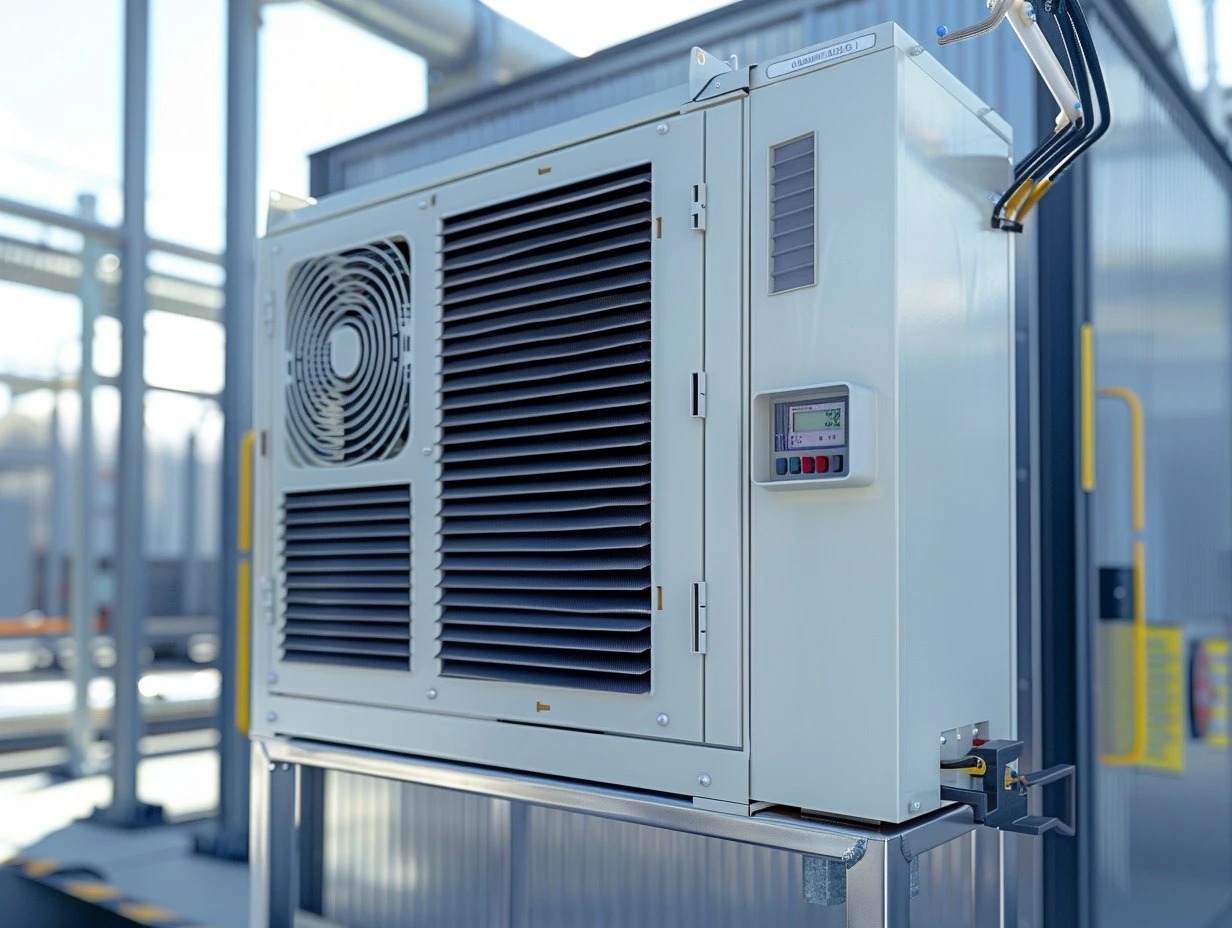
Louver Ventilation Design: Louver ventilation design is excellent for splash-proof outdoor applications, though louvers impose higher airflow resistance compared to standard perforated patterns.
Choosing between a perforated vent pattern, honeycomb ventilation holes, and louver ventilation design should therefore be based on both thermal performance and manufacturing cost.
Tooling Optimization for Sheet Metal Ventilation Holes
Tooling efficiency during fabrication directly impacts cycle times, machine wear, and final unit prices.
Standardizing Hole Pitches: Maintaining consistent pitch and hole sizes allows multi-hole cluster punches to create multiple sheet metal ventilation holes in a single hit, drastically cutting CNC machine runtime.
Proximity to Bend Lines: Keeping sheet metal ventilation holes at a distance of at least 2–3 times the sheet thickness from bend lines prevents hole distortion during forming and eliminates costly secondary rework.
Application Scenarios: Where SanJun Hardware Solves Real Thermal Bottlenecks
Applying thermal management DFM rules requires tailored manufacturing techniques based on specific operating environments. Here is how SanJun Hardware delivers value in demanding industry applications.
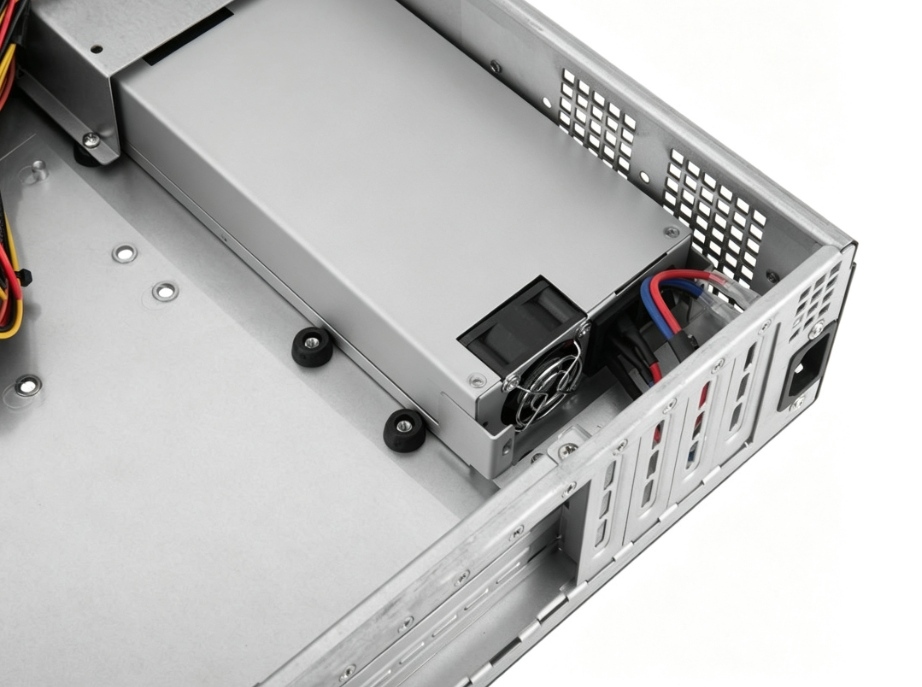
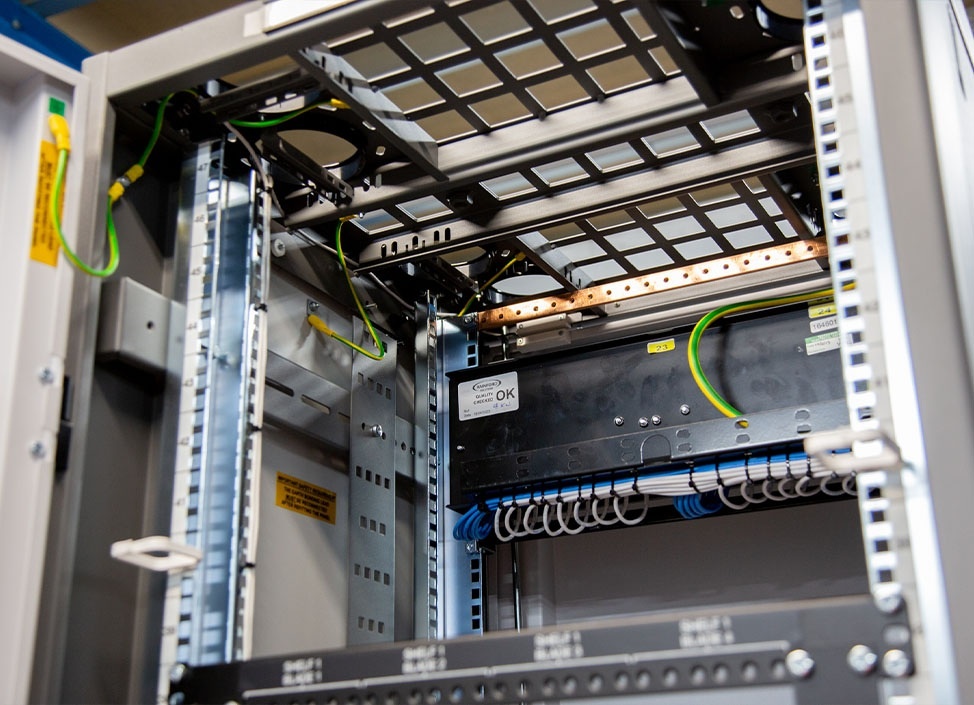
Enterprise Data Centers: Precision 2U Rack Chassis Cooling
High-density server chassis require continuous, uniform airflow across hot components under strict dimensional constraints.
The Challenge: High component density creates severe fan static pressure resistance inside compact 2U server enclosures, risking thermal throttling.
SanJun Custom Solution: We engineer a high-density perforated vent pattern with optimized pitch across front faceplates and rear exhaust panels to support enclosure airflow optimization.
The Result: We achieve a 58% open area ratio while maintaining structural panel flatness, optimizing fan operating point performance, and reducing total chassis stamping costs.
High-Power Outdoor Cabinets: Energy Storage & Telecom Enclosure Airflow Optimization
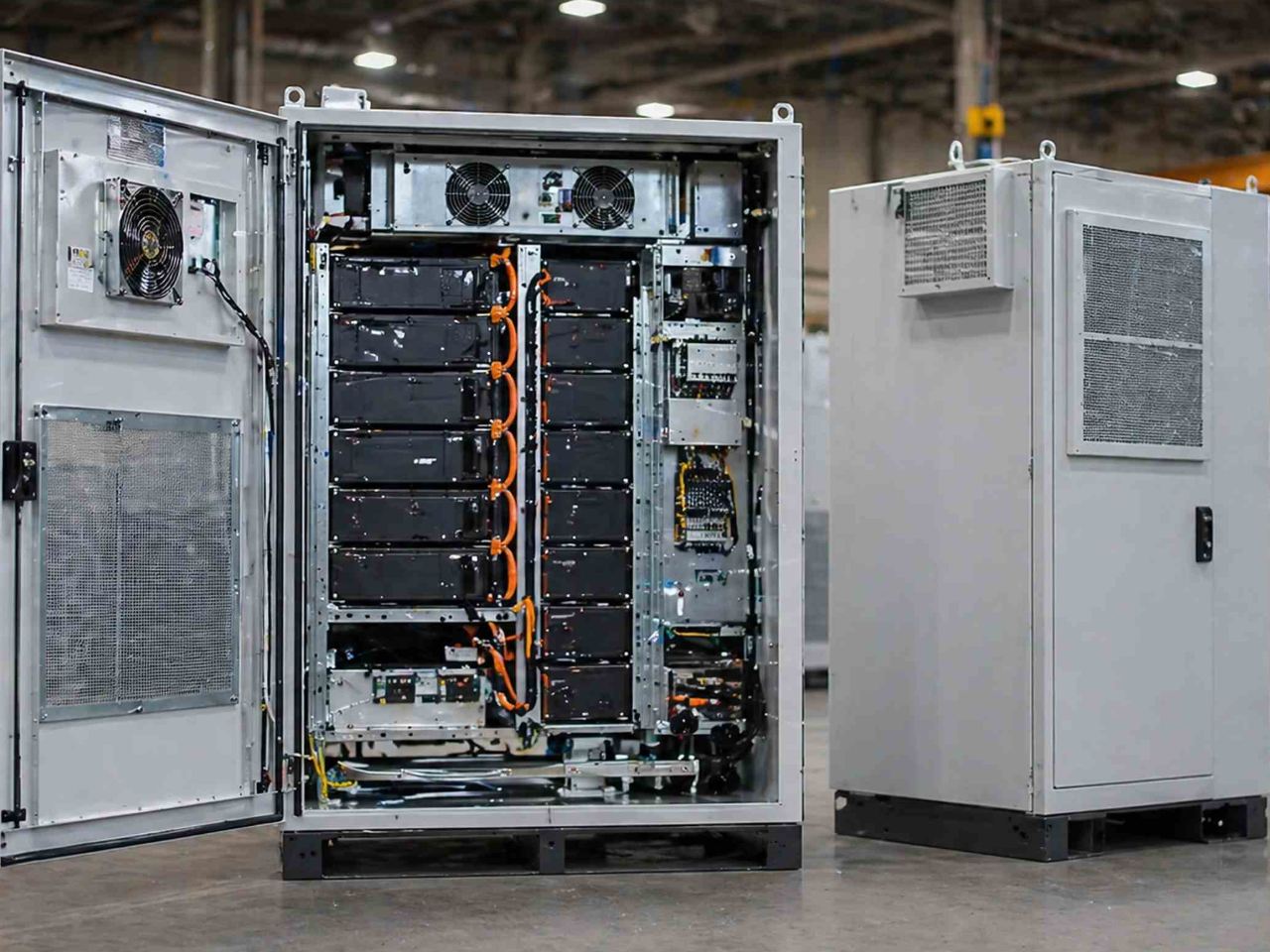
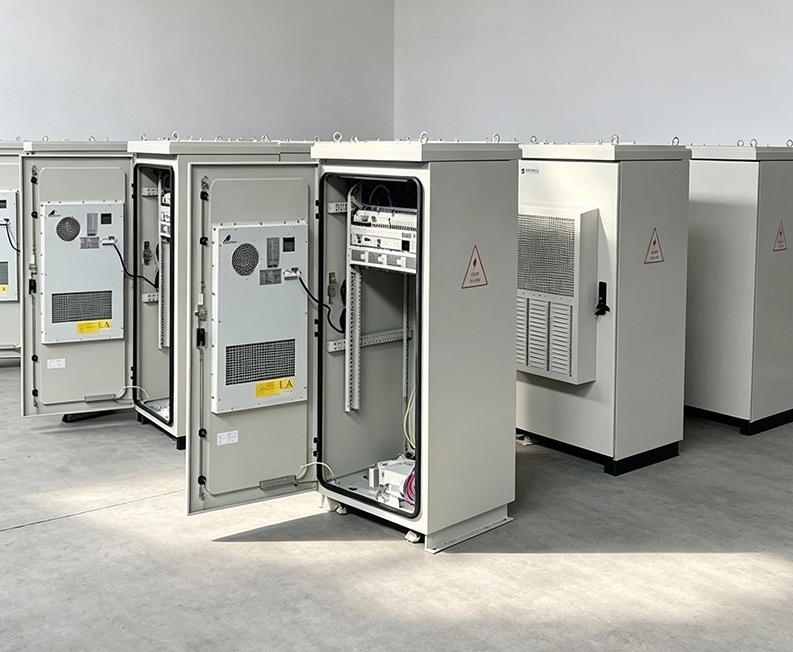
Outdoor energy storage systems (BESS) and telecom cabinets require effective enclosure airflow optimization while protecting internal electronics from weather elements.
The Challenge: Louvered vents and rain-shields introduce air restriction, forcing fans to work harder and increasing energy usage.
The Result: Extended component lifespan, lower fan noise, reduced energy consumption, and robust IP-rated structural performance.
Optimize Your Thermal Performance with SanJun Hardware
To help you balance sheet metal thermal management performance with manufacturing efficiency, SanJun Hardware provides end-to-end engineering support designed to lower costs without compromising system CFM:
Free DFM & Structural CAD Design: We provide a complimentary sheet metal DFM review and complete production-ready drawings to optimize hole pitch, vent pattern placement, ventilation open area ratio, and bend-line tolerances before production.
24-Hour Quick Turnaround Quotes: Rapid cost estimation and manufacturing feasibility feedback allow your engineering team to keep tight project schedules on track.
Fast Prototyping to Mass Production: Validate airflow metrics, fan static pressure, and fitment with a 7–10 day prototype run before moving smoothly into high-volume, cost-effective manufacturing.
Low MOQ & Flexible Fabrication: Support for 1-piece prototypes without mold tooling requirements, giving you full customization control from day one.
Don’t let thermal bottlenecks or excessive fabrication costs compromise your hardware designs. Entre em contato com a SanJun Hardware hoje mesmo. to receive a free sheet metal DFM review, 24-hour drawing generation, and competitive pricing for your custom enclosures.
FAQ
Q: How does the ventilation open area ratio affect both thermal management and sheet metal manufacturing cost?
A: A higher ventilation open area ratio reduces air resistance and fan static pressure drop, allowing fans to deliver maximum CFM at lower energy levels. However, if the ratio exceeds 60%, sheet metal can warp during punching or bending, requiring specialized tooling or thicker materials that increase unit costs.
Q: Which vent pattern provides the best balance between static pressure drop and production efficiency?
A: A standard round perforated vent pattern in a staggered layout generally offers the best balance. It provides a high open area ratio with low static pressure resistance while allowing rapid, low-cost fabrication using standard CNC cluster punches compared with honeycomb ventilation holes or louvers.
Q: Why is fan static pressure critical when designing sheet metal ventilation patterns?
A: Fan static pressure represents the resistance an enclosure poses to moving air. If sheet metal ventilation holes are too small or sparsely spaced, system impedance rises, shifting the fan operating point away from its optimal range and significantly dropping actual delivered airflow (CFM).
Q: Can sheet metal thermal DFM reviews be conducted before drawings are fully finalized?
A: Yes. An early sheet metal DFM review allows engineers to adjust hole pitches, panel thicknesses, and vent pattern placement before final CAD lock, preventing costly tooling modifications and improving electronics enclosure cooling at lower manufacturing cost.
Sim. Apoiamos uma MOQ de 1PC, não é necessária a criação de moldes. Todas as caixas personalizadas de chapa metálica podem ser produzidas diretamente de acordo com o seu design.
Sim, aceitamos fabrico de chapa metálica personalizado estritamente com base nos seus desenhos 2D/3D. Fornecemos verificação DFM gratuita, seguimos os seus requisitos exatos de material, tolerância e acabamento. Estão disponíveis tanto protótipos como produção em massa, com controlo de qualidade total e embalagens de exportação standard.
Com certeza. Envie-nos as dimensões do seu produto, a função de montagem, o cenário de uso e as exigências de desempenho. Nossa equipe de chapas metálicas oferece projeto estrutural gratuito, ajuste de soluções e análise DFM.
Você não precisa preparar desenhos; nós cuidamos de todo o trabalho de projeto, do esboço ao desenho de produção, para que você economize custos e riscos de P&D. Revisamos os desenhos repetidamente para atender perfeitamente às suas necessidades de montagem.
Fornecemos revisão de desenhos DFM 24H e cotação formal após a receção dos seus requisitos técnicos.
Sim. Oferecemos prototipagem rápida de amostras de acordo com os seus desenhos, ajudando-o a verificar a estrutura e o tamanho antes de uma encomenda em massa.
Todos os nossos produtos obtiveram as certificações ISO9001, EMC, LVD e RoHS.
Cumprimos integralmente as normas globais de segurança e qualidade, fornecendo soluções estáveis e confiáveis para todas as aplicações de projetos.
Operamos a nossa própria fábrica e fornecemos produção completa interna "one-stop".
Um controlo de processo rigoroso e uma gestão de qualidade padronizada garantem uma qualidade de produto estável e entregas pontuais, construindo parcerias globais fiáveis a longo prazo.
Processamos uma gama completa de materiais de chapa metálica padrão e de alto desempenho, incluindo aço inoxidável (304/316), alumínio (5052/6061), aço laminado a frio/quente, aço galvanizado, latão e cobre. Podemos também adquirir materiais especiais de acordo com os requisitos do seu projeto.
A nossa tolerância padrão de maquinagem é de ±0,1 mm para corte a laser e dobragem. No caso de peças de alta precisão, podemos atingir ±0,05 mm, dependendo da espessura do material e da estrutura da peça. Todas as dimensões são inspecionadas de acordo com a norma 100% antes da entrega, para cumprir os seus requisitos.
Sim, prestamos serviços completos de tratamento de superfícies, incluindo pintura a pó, pintura, anodização, jateamento de areia, escovagem, galvanoplastia, passivação, polimento e tratamento térmico. Podemos personalizar cores e efeitos de acordo com o seu design.
Sim, assinamos sempre um NDA (Acordo de Não Divulgação) antes de receber quaisquer desenhos ou detalhes de design dos clientes. Protegemos rigorosamente a sua propriedade intelectual e mantemos todos os seus projetos confidenciais.
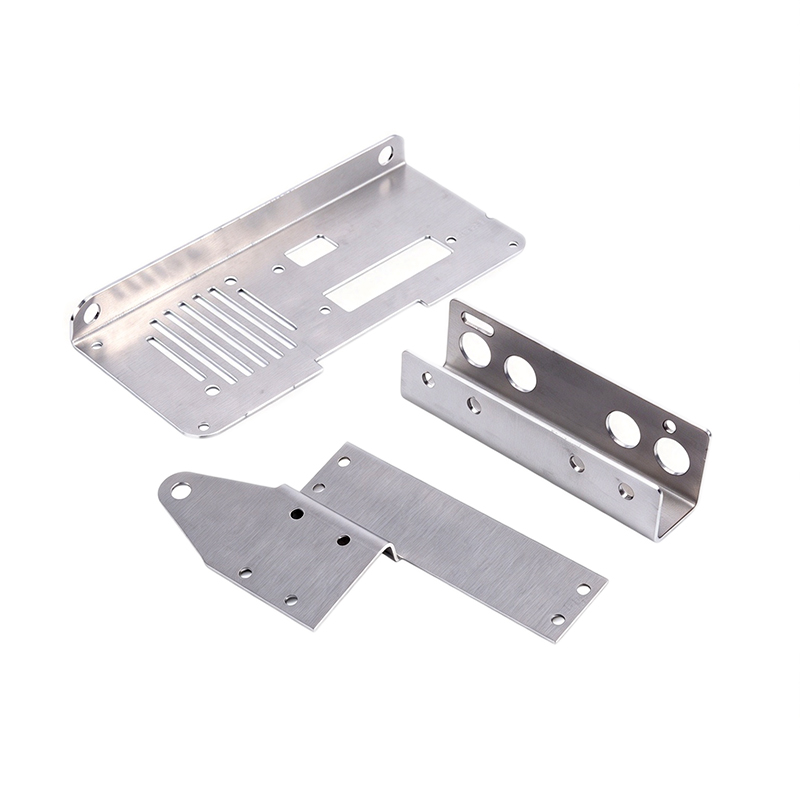
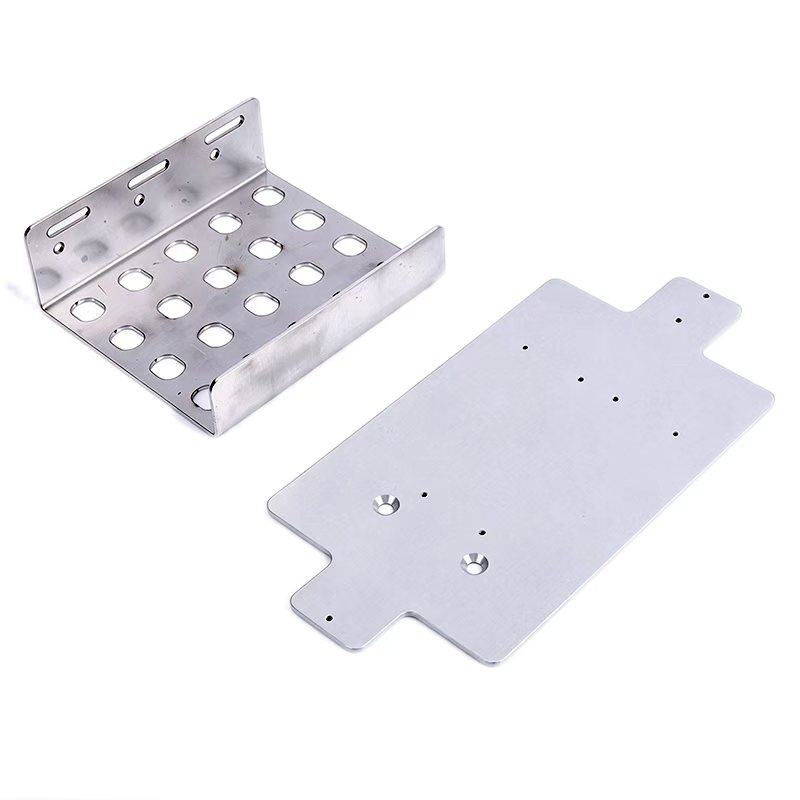
<p>We manufacture <strong>custom stainless steel mounting brackets and plates</strong> for electronic enclosures, industrial control cabinets, power distribution boxes and equipment racks. Every part is laser-cut and CNC-bent from SUS304 or SUS316L stainless steel to your exact drawing — no standard sizes, no compromises on fit.</p>
<p>Our bracket range includes:</p>
<ul>
<li><strong>Ventilated mounting plates</strong> — with precision cooling slots, port cutouts and mounting holes for PCB and component installation</li>
<li><strong>L-angle brackets</strong> — 90° bent supports with cable pass-through holes and adjustable slotted mounting positions</li>
<li><strong>Custom hinge brackets</strong> — heavy-duty stainless steel hinges for enclosure doors and access panels</li>
</ul>
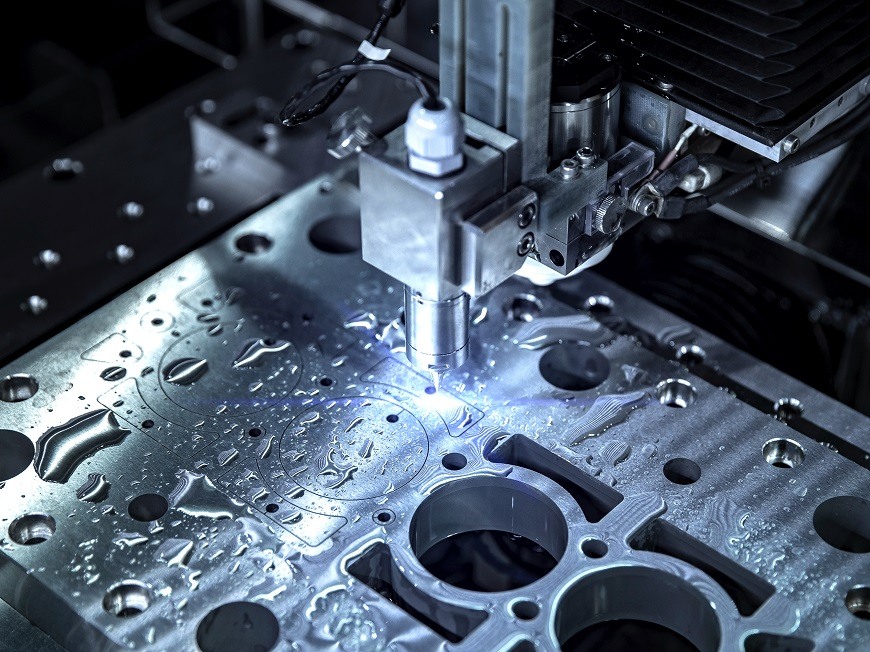
<p>All parts are deburred, brushed and passivated as standard. We handle the full process from DFM review and CAD design through laser cutting, CNC bending, welding and surface treatment — so you get one part number, one supplier and a consistent fit across prototype and production.</p>


























Deixe um comentário