OEM Server Chassis Guide: Balancing Airflow, EMI & Strength
OEM Server Chassis Guide: Balancing Airflow, EMI & Strength

OEM Server Chassis Guide: Balancing Airflow, EMI & Strength

Modern high-performance computing, AI server racks, and edge networks need server enclosures that run reliably under long, heavy loads. Designing an OEM server chassis brings a three-part engineering challenge. It covers server chassis airflow, reducing electromagnetic radiation, and holding server chassis structural strength against sagging and vibration. Balancing airflow vs EMI shielding while keeping mechanical rigidity takes specialized sheet metal engineering and solid fabrication know-how.

As an experienced OEM server chassis manufacturer China, 三骏五金 delivers high-precision sheet metal enclosures built for tough data center, telecom, industrial, and edge-computing work.

Core Engineering Principles for Custom Server Chassis Design

Implementing high-density server equipment requires a delicate balance between cooling efficiency, electromagnetic interference suppression, and server chassis structural integrity. Effective custom server chassis engineering should consider airflow, shielding, mechanical loading, and manufacturability as an integrated system.

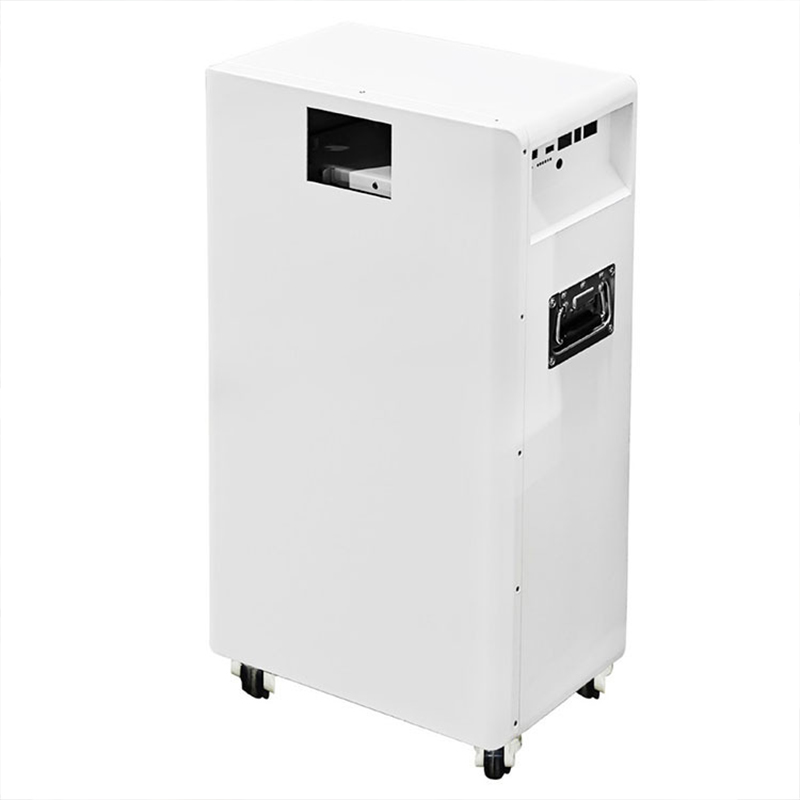
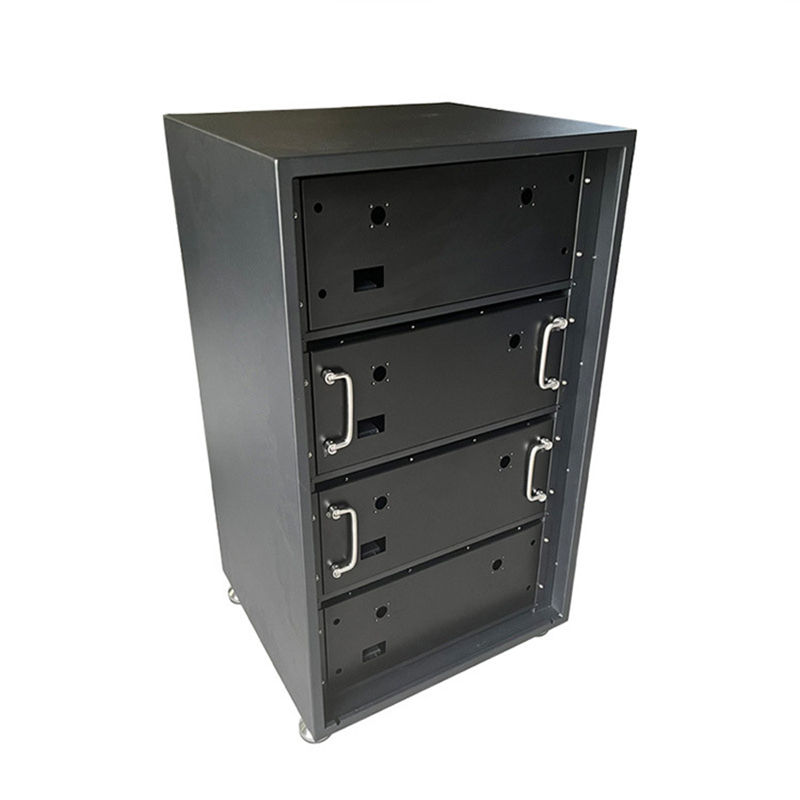
Custom server chassis balances airflow, EMI shielding, and structural strength

Server Chassis Airflow Design and Thermal Management

Strategic server chassis airflow design and ventilation opening geometry help prevent thermal throttling in compact rackmount equipment.

  • Custom Perforated Vent Patterns: Utilizing staggered circular, honeycomb, or hexagonal hole arrays increases open area while preserving sheet metal panel rigidity for a custom rackmount chassis.
  • Static Pressure Optimization: Targeted intake patterns reduce pressure drop across high-RPM cooling fans, improving server chassis airflow and overall server chassis thermal management.
  • Targeted Air Baffling: Internal ducts direct cool air toward high-TDP CPUs, GPUs, memory modules, and power supplies, reducing localized heat pockets inside a custom server chassis.

EMI Shielding and EMC Compliance Engineering

Good server chassis EMI shielding depends on tight control of aperture sizes, panel seams, grounding paths, and vent openings.

  • Aperture Size Control: EMI shielding ventilation design keeps the needed open area while cutting electromagnetic leakage. It does this by matching vent-hole sizes to the interference frequencies common in data centers, such as those around 1 GHz.
  • Conductive Gasket Integration: Beryllium copper fingerstock or conductive fabric gaskets run along removable panel seams. They form a steady electrical shield that supports an EMC-shielded server chassis during daily operation.
  • Overlapping Flange Joints: Folded and overlapping metal seams on covers and side panels close off narrow slot openings. This step protects server chassis EMI shielding from gaps that appear under vibration.

The right airflow vs EMI shielding balance matters most in high-density servers. Extra vent area helps cooling, yet it can let electromagnetic fields escape unless the vent layout accounts for both needs at once.

Server Chassis Structural Strength and Mechanical Integrity

Strong server chassis structural strength protects motherboards, storage arrays, power supplies, and expansion cards from rack loads, handling forces, and mechanical vibration.

  • High-Tensile Material Selection: Cold-rolled steel (SPCC) or electro-galvanized steel (SECC) provides the rigidity required to maintain server chassis structural integrity during rack mounting and transportation.
  • Stiffening Embossments and Ribs: Formed structural ribs across wide sheet metal spans increase flexural rigidity without excessive weight.
  • Vibration Isolation Modules: Reinforced drive cages, backplanes, and power supply brackets help reduce vibration transfer to sensitive internal components.

Bridging Design and Mass Production via Precision Fabrication

Translating CAD concepts into scalable OEM server chassis production demands rigorous process control, accurate sheet metal fabrication, and early manufacturability planning.

Precision fabrication bridges server chassis design and scalable production

Server Chassis DFM Optimization and Tolerance Stack-Up Control

Proactive server chassis DFM analysis before production helps eliminate assembly mismatches, unnecessary fabrication complexity, and expensive downstream rework.

  • Tolerance Stack-Up Control: Applying controlled bend allowances and dimensional inspection helps maintain accurate hole alignment across multi-interface rear panels during precision server chassis fabrication.
  • Self-Clinching Hardware Integration: Incorporating PEM standoffs, nuts, and threaded studs simplifies motherboard, fan, drive, and power supply installation.
  • Modular Sub-Assembly Architecture: Designing detachable drive cages, fan walls, and motherboard trays simplifies manufacturing, assembly, and field maintenance of the custom rackmount chassis.

Early server chassis DFM also helps engineers optimize bend radii, fastener access, panel interfaces, and tooling requirements before moving from prototype to batch production.

实际的 Application Scenarios and Field Solutions

Custom server chassis engineering resolves thermal, electromagnetic, and mechanical challenges across diverse deployment environments.

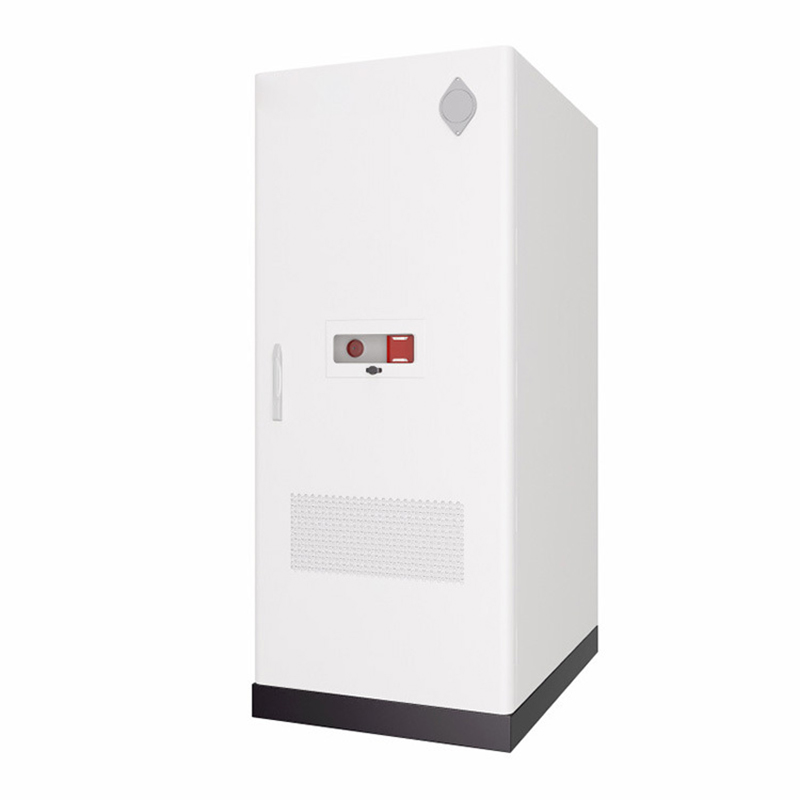
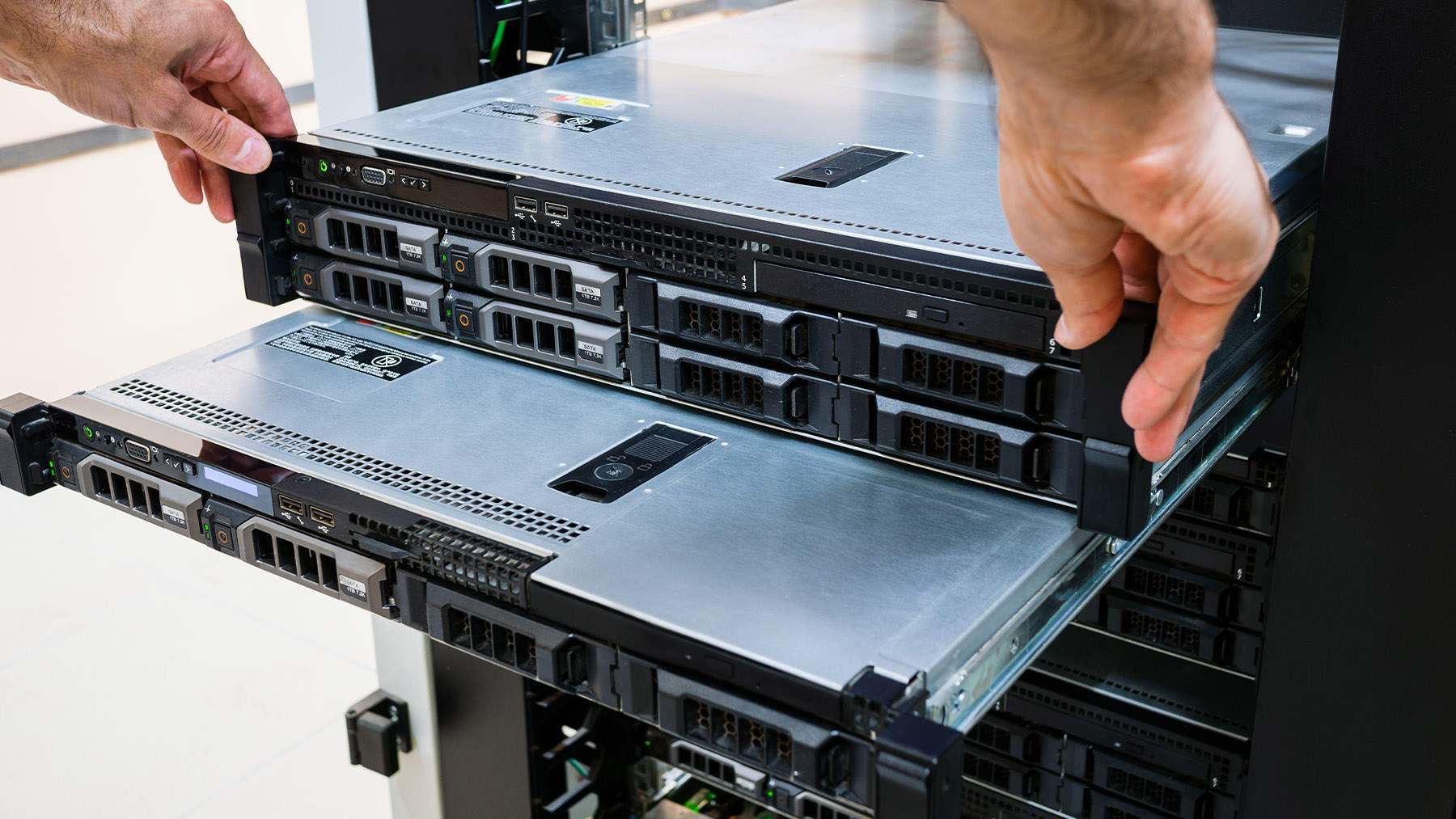
  • Enterprise Data Centers (Precision 2U Rack Chassis): High-airflow front bezels combined with EMI-controlled drive-bay openings help improve server chassis thermal management while maintaining electromagnetic containment.
  • Telecom Network Infrastructure (Network Device Chassis): Precision panel interfaces, conductive grounding points, and optimized EMI shielding ventilation design help control electromagnetic interference in communication equipment.
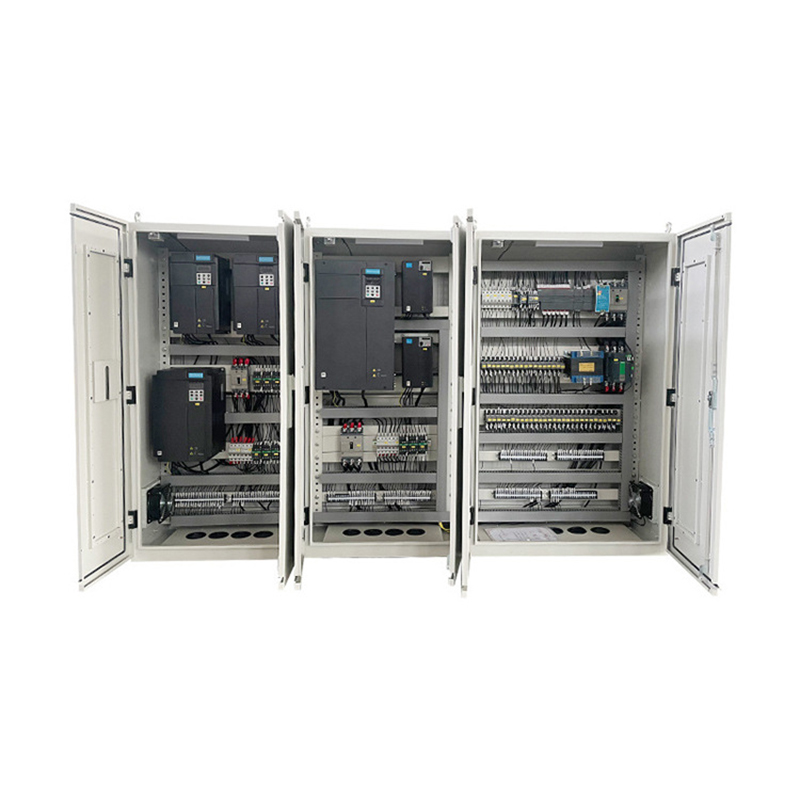
  • Industrial Automation (Equipment Chassis/Cabinet): Reinforced structural frames, sealed interfaces, and vibration-resistant internal brackets protect control systems in demanding factory environments.

Partnering with an Experienced OEM Server Chassis Manufacturer

A complete end-to-end workflow helps transform custom server chassis concepts into repeatable production while shortening sourcing and engineering cycles.

OEM server chassis manufacturing with customization and quality control

End-to-End Production and Customization Services

Integrated services bridge prototype verification and high-volume OEM server chassis manufacturing.

  • Free DFM Review & Prototyping: Engineering teams review CAD files to optimize laser cutting, punching, bending, hardware placement, and server chassis DFM before full production.
  • Precision Surface Treatments: Powder coating, anodizing, and electroplating provide corrosion resistance and consistent exterior appearance.
  • Full-Process Quality Inspection: Dimensional inspection, coating checks, and pre-assembly verification support reliable precision server chassis fabrication across repeated batches.

As an OEM server chassis manufacturer China, SanJun Hardware can support customized dimensions, ventilation layouts, internal brackets, mounting interfaces, and sheet metal structures based on specific hardware requirements.

Build Your Next Custom Server Chassis with SanJun Hardware

Building a custom server chassis means balancing server chassis airflow design, server chassis EMI shielding, and server chassis structural integrity inside a practical enclosure. Every choice about vent holes, gaskets, ribs, and screw positions shapes how the system performs.

SanJun Hardware uses precision server chassis fabrication, server chassis DFM, and OEM manufacturing support. This helps turn ideas for server enclosures into hardware ready for production.

If you need an OEM server chassis, custom rackmount chassis, high-airflow enclosure, or EMC shielding server chassis, our engineering team stands ready. We assist from DFM review all the way to full production.

Ready to improve your custom server enclosure design? Reach out to SanJun Hardware now for a free DFM review and quote on your OEM project.

常见问题解答

Q: What is the engineering compromise between ventilation requirements and EMI shielding in the custom server chassis?

A: Airflow vs. EMI shielding considerations require maximizing cooling while minimizing EMI leakage. This is achieved by the careful design of ventilation, perforations, seam conductivity, grounding options, and other EMI shielding measures.

Q: What thickness of sheet metal should be used for the enterprise 1U and 2U rackmount server chassis?

A: The correct thickness depends on chassis depth, the weight of components to be placed inside the server chassis, load from the rack, and other design parameters. A combination of SPCC/SECC sheet metal with structural ribs and heavy internal brackets should be considered when designing the server chassis structural integrity.

Q: Why is DFM analysis essential before the manufacturing of custom server chassis?

A: DFM of the server chassis helps find tolerance stack-up issues, difficult bend geometry, hardware conflicts, and additional unnecessary operations before manufacturing begins and guarantees consistent assembly process and reduced manufacturing cost.

Q: Can the custom server chassis be designed for industrial or edge deployment?

A: Yes, custom server chassis can be designed with sealed interfaces, vibration protection, special structures, anti-corrosion coating, and specific airflow features.

标签:

发表评论

    你的名字*
    您的电子邮件*
    您的电话*
    您的WhatsApp*
    留言*
    未选择文件

    目录

    常见问题解答

    是的。我们支持1件起订,无需模具费用。所有定制的钣金外壳均可根据您的设计直接生产。.
    是的,我们严格按照您的二维/三维图纸接受定制钣金加工。我们提供免费的DFM检查,遵循您对材料、公差和表面处理的确切要求。原型和小批量生产均可提供,并附有全面的质量控制和出口标准包装。.
    当然可以。请告诉我们您的产品尺寸、组装功能、使用场景和性能要求。我们的钣金团队将提供免费的结构设计、方案优化和面向制造的设计 (DFM) 分析。 您无需自行绘制图纸;我们将完成从草图到生产图纸的所有设计工作,从而节省您的研发成本和风险。我们会反复修改图纸,直至完美满足您的组装需求。
    我们提供24小时DFM图纸审核,并在收到您的技术要求后提供正式报价。.
    是的,我们提供根据您的图纸进行快速原型样品制作,帮助您在大货订单前验证结构和尺寸。.
    我们所有的产品都已获得ISO9001、EMC、LVD和RoHS认证。 我们完全符合全球安全和质量标准,为所有项目应用提供稳定、可靠的解决方案。.
    我们拥有自己的工厂,提供一站式全流程内部生产。 严格的工艺控制和标准化的质量管理,保证了产品的稳定质量和准时交付,从而建立了可靠的长期全球合作伙伴关系。.
    我们处理各种标准和高性能的钣金材料,包括不锈钢(304/316)、铝(5052/6061)、冷轧/热轧钢、镀锌钢、黄铜和铜。我们还可以根据您的项目需求采购特种材料。.
    我们激光切割和折弯的标准加工公差为±0.1毫米。对于高精度零件,根据材料厚度和零件结构,我们可将公差控制在±0.05毫米。所有尺寸在交付前均经过100%材质检测,以确保符合您的要求。.
    是的,我们提供一站式全套表面处理服务,包括粉末涂装、喷漆、阳极氧化、喷砂、拉丝、电镀、钝化、抛光和热处理。我们可以根据您的设计定制颜色和效果。.
    是的,我们在收到客户的任何图纸或设计细节之前,都会签署保密协议。我们严格保护您的知识产权,并对您的所有项目保密。.
    最新产品

    查看我们的产品

    查看更多

    我们服务的客户

    SUNSEA 标志 — 钣金加工客户
    海信标志——钣金加工客户
    TCL标志——钣金加工客户
    BOE标志——钣金加工客户
    钣金加工客户
    钣金加工客户
    钣金加工客户
    钣金加工客户
    钣金加工客户
    数字中国标志——钣金加工客户
    创维标志 — 钣金加工客户
    韩氏激光标志——钣金加工客户
    标识14
    标识15
    标识16
    标识17
    标识18
    标识19
    标识20
    标识21
    标识22
    WhatsApp
    电子邮件
    联系人