
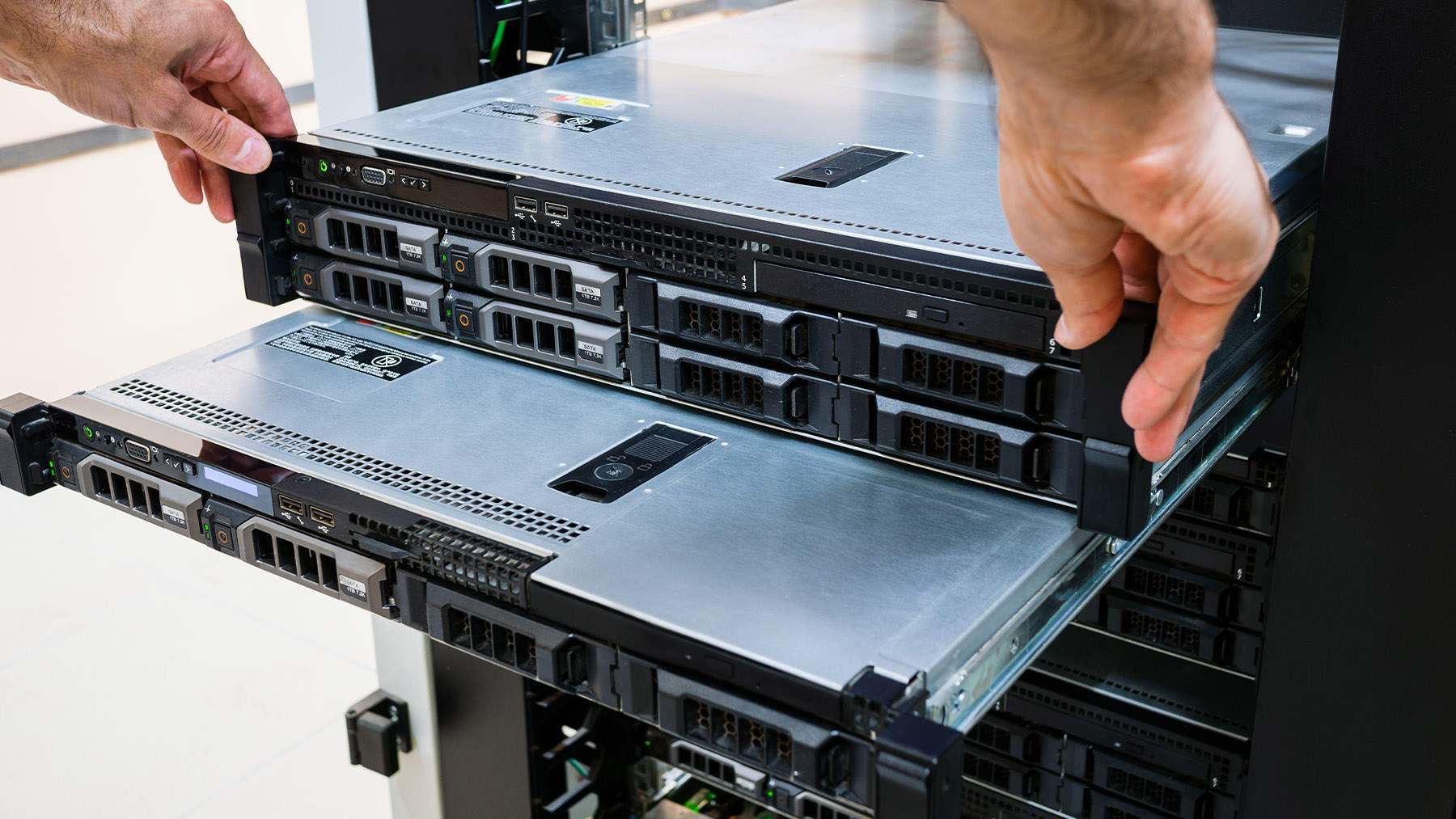
Modern high-performance computing, AI server racks, and edge networks need server enclosures that run reliably under long, heavy loads. Designing an OEM server chassis brings a three-part engineering challenge. It covers server chassis airflow, reducing electromagnetic radiation, and holding server chassis structural strength against sagging and vibration. Balancing airflow vs EMI shielding while keeping mechanical rigidity takes specialized sheet metal engineering and solid fabrication know-how.
As an experienced OEM server chassis manufacturer China, SanJun Hardware delivers high-precision sheet metal enclosures built for tough data center, telecom, industrial, and edge-computing work.
Implementing high-density server equipment requires a delicate balance between cooling efficiency, electromagnetic interference suppression, and server chassis structural integrity. Effective custom server chassis engineering should consider airflow, shielding, mechanical loading, and manufacturability as an integrated system.

Strategic server chassis airflow design and ventilation opening geometry help prevent thermal throttling in compact rackmount equipment.
Good server chassis EMI shielding depends on tight control of aperture sizes, panel seams, grounding paths, and vent openings.
The right airflow vs EMI shielding balance matters most in high-density servers. Extra vent area helps cooling, yet it can let electromagnetic fields escape unless the vent layout accounts for both needs at once.
Strong server chassis structural strength protects motherboards, storage arrays, power supplies, and expansion cards from rack loads, handling forces, and mechanical vibration.
Translating CAD concepts into scalable OEM server chassis production demands rigorous process control, accurate sheet metal fabrication, and early manufacturability planning.

Proactive server chassis DFM analysis before production helps eliminate assembly mismatches, unnecessary fabrication complexity, and expensive downstream rework.
Early server chassis DFM also helps engineers optimize bend radii, fastener access, panel interfaces, and tooling requirements before moving from prototype to batch production.
Custom server chassis engineering resolves thermal, electromagnetic, and mechanical challenges across diverse deployment environments.
A complete end-to-end workflow helps transform custom server chassis concepts into repeatable production while shortening sourcing and engineering cycles.

Integrated services bridge prototype verification and high-volume OEM server chassis manufacturing.
As an OEM server chassis manufacturer China, SanJun Hardware can support customized dimensions, ventilation layouts, internal brackets, mounting interfaces, and sheet metal structures based on specific hardware requirements.
Building a custom server chassis means balancing server chassis airflow design, server chassis EMI shielding, and server chassis structural integrity inside a practical enclosure. Every choice about vent holes, gaskets, ribs, and screw positions shapes how the system performs.
SanJun Hardware uses precision server chassis fabrication, server chassis DFM, and OEM manufacturing support. This helps turn ideas for server enclosures into hardware ready for production.
If you need an OEM server chassis, custom rackmount chassis, high-airflow enclosure, or EMC shielding server chassis, our engineering team stands ready. We assist from DFM review all the way to full production.
Ready to improve your custom server enclosure design? Reach out to SanJun Hardware now for a free DFM review and quote on your OEM project.
A: Airflow vs. EMI shielding considerations require maximizing cooling while minimizing EMI leakage. This is achieved by the careful design of ventilation, perforations, seam conductivity, grounding options, and other EMI shielding measures.
A: The correct thickness depends on chassis depth, the weight of components to be placed inside the server chassis, load from the rack, and other design parameters. A combination of SPCC/SECC sheet metal with structural ribs and heavy internal brackets should be considered when designing the server chassis structural integrity.
A: DFM of the server chassis helps find tolerance stack-up issues, difficult bend geometry, hardware conflicts, and additional unnecessary operations before manufacturing begins and guarantees consistent assembly process and reduced manufacturing cost.
A: Yes, custom server chassis can be designed with sealed interfaces, vibration protection, special structures, anti-corrosion coating, and specific airflow features.



























Hinterlasse einen Kommentar