OEM Server Chassis Guide: Balancing Airflow, EMI & Strength
OEM Server Chassis Guide: Balancing Airflow, EMI & Strength

OEM Server Chassis Guide: Balancing Airflow, EMI & Strength

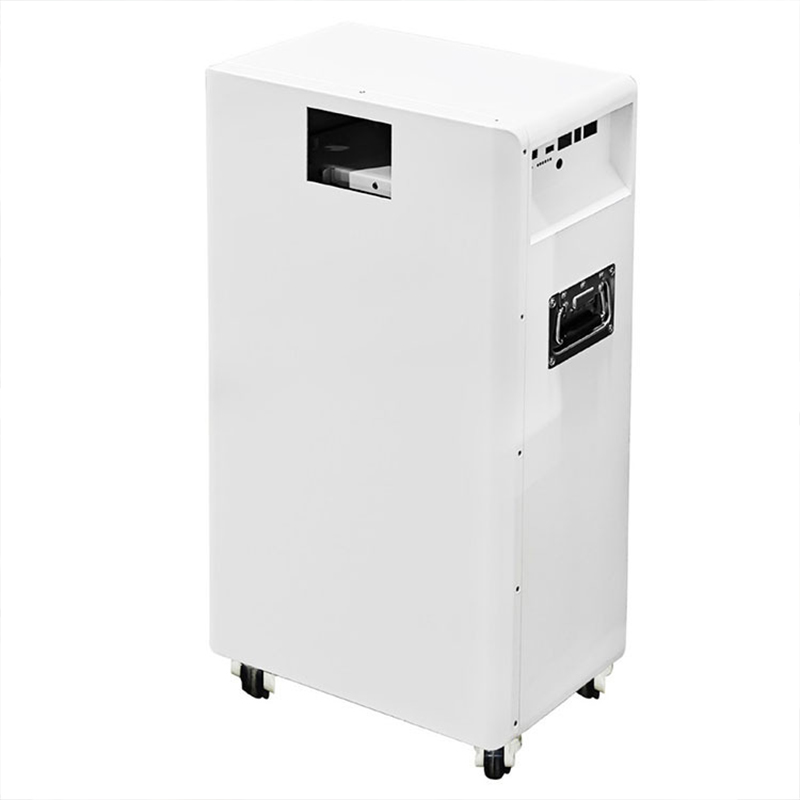
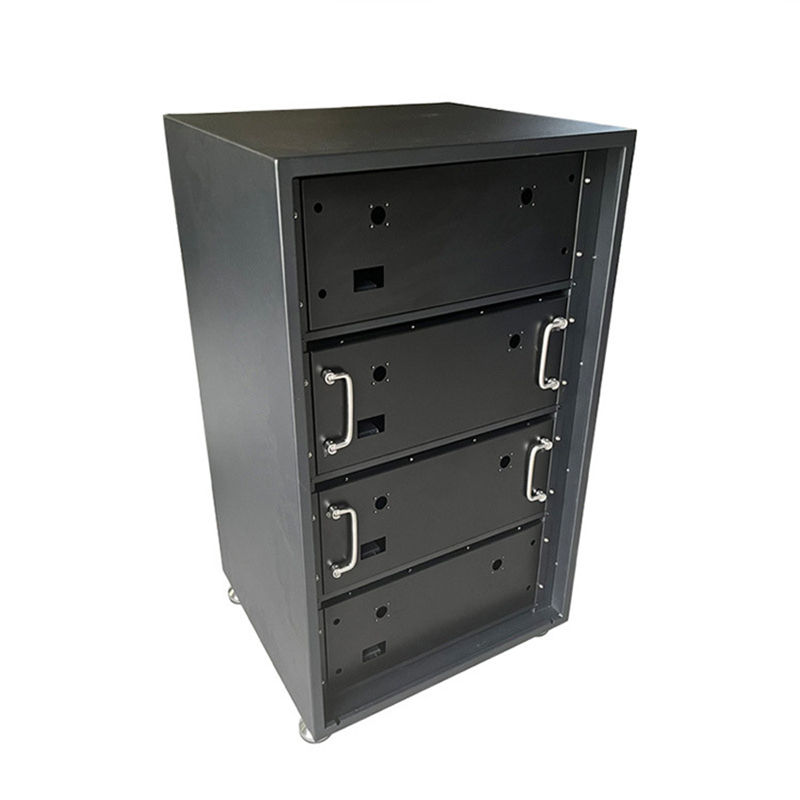
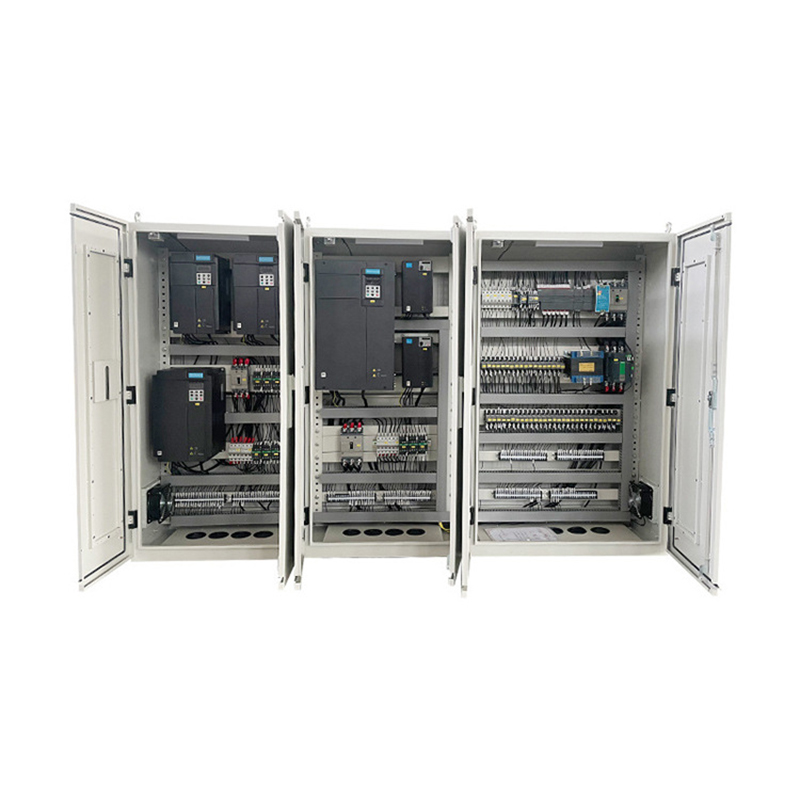
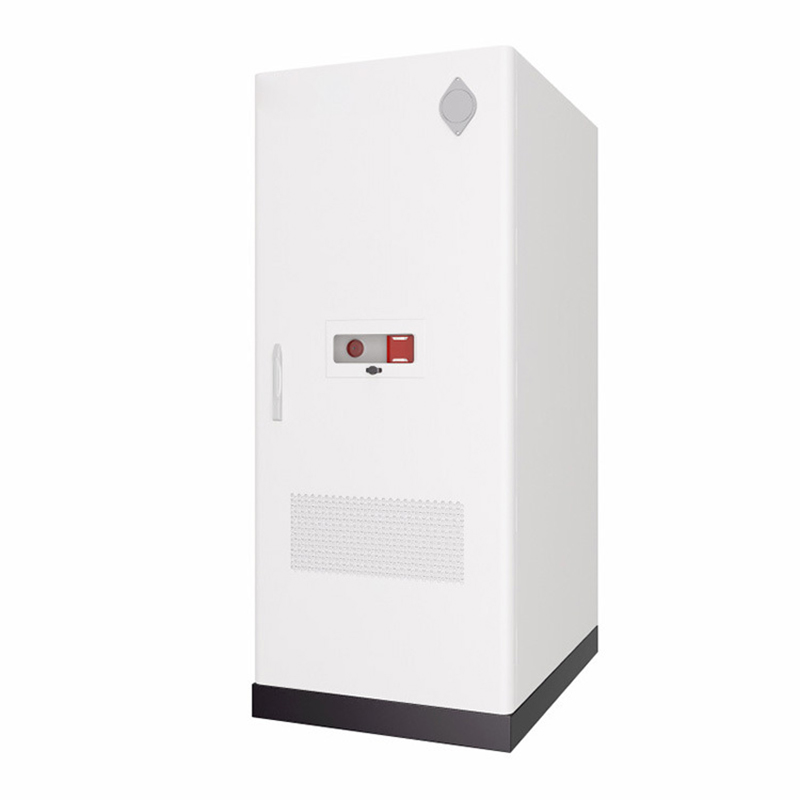
Modern high-performance computing, AI server racks, and edge networks need server enclosures that run reliably under long, heavy loads. Designing an OEM server chassis brings a three-part engineering challenge. It covers server chassis airflow, reducing electromagnetic radiation, and holding server chassis structural strength against sagging and vibration. Balancing airflow vs EMI shielding while keeping mechanical rigidity takes specialized sheet metal engineering and solid fabrication know-how.

As an experienced OEM server chassis manufacturer China, Quincaillerie SanJun delivers high-precision sheet metal enclosures built for tough data center, telecom, industrial, and edge-computing work.

Core Engineering Principles for Custom Server Chassis Design

Implementing high-density server equipment requires a delicate balance between cooling efficiency, electromagnetic interference suppression, and server chassis structural integrity. Effective custom server chassis engineering should consider airflow, shielding, mechanical loading, and manufacturability as an integrated system.

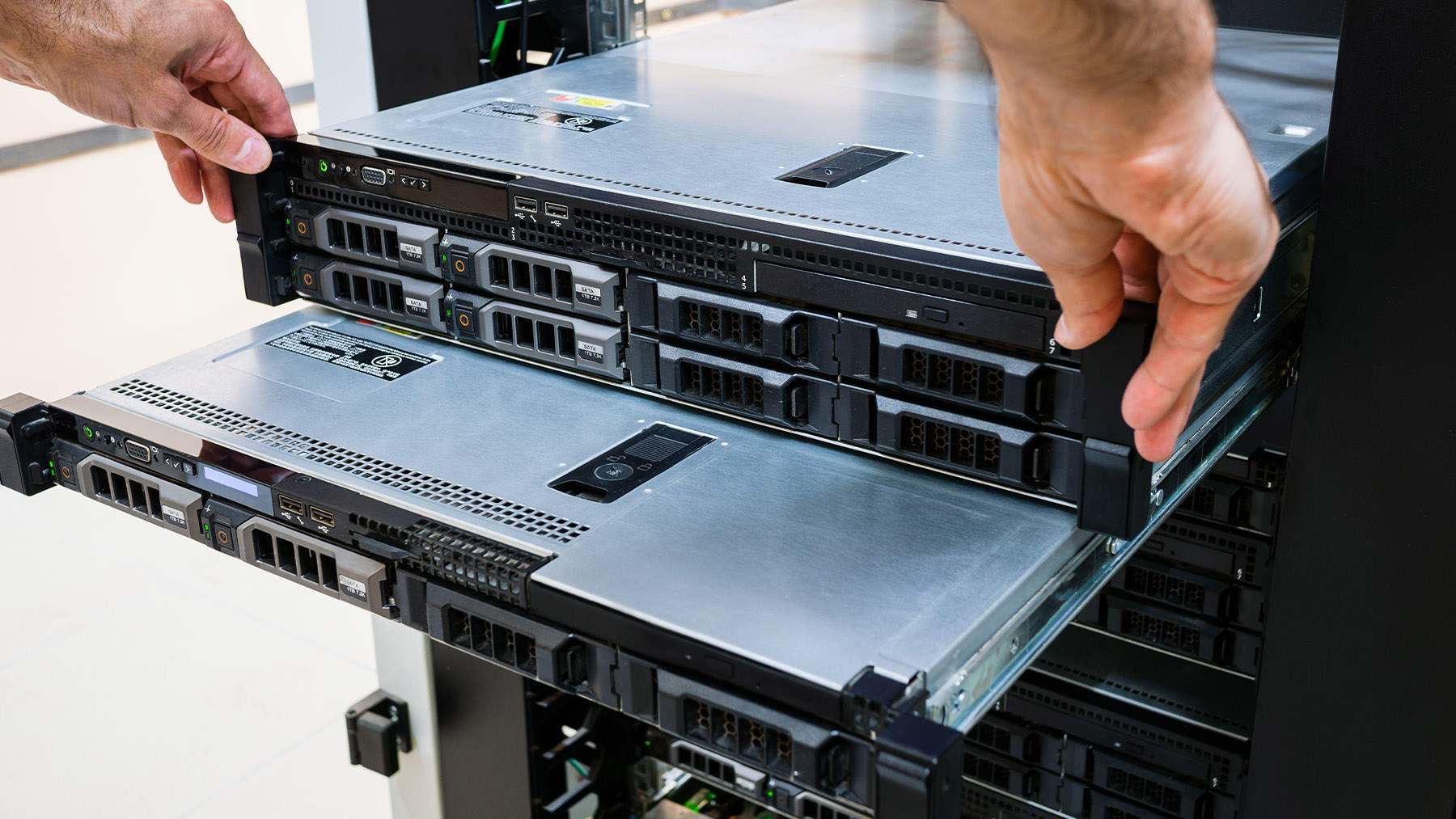
Custom server chassis balances airflow, EMI shielding, and structural strength

Server Chassis Airflow Design and Thermal Management

Strategic server chassis airflow design and ventilation opening geometry help prevent thermal throttling in compact rackmount equipment.

  • Custom Perforated Vent Patterns: Utilizing staggered circular, honeycomb, or hexagonal hole arrays increases open area while preserving sheet metal panel rigidity for a custom rackmount chassis.
  • Static Pressure Optimization: Targeted intake patterns reduce pressure drop across high-RPM cooling fans, improving server chassis airflow and overall server chassis thermal management.
  • Targeted Air Baffling: Internal ducts direct cool air toward high-TDP CPUs, GPUs, memory modules, and power supplies, reducing localized heat pockets inside a custom server chassis.

EMI Shielding and EMC Compliance Engineering

Good server chassis EMI shielding depends on tight control of aperture sizes, panel seams, grounding paths, and vent openings.

  • Aperture Size Control: EMI shielding ventilation design keeps the needed open area while cutting electromagnetic leakage. It does this by matching vent-hole sizes to the interference frequencies common in data centers, such as those around 1 GHz.
  • Conductive Gasket Integration: Beryllium copper fingerstock or conductive fabric gaskets run along removable panel seams. They form a steady electrical shield that supports an EMC-shielded server chassis during daily operation.
  • Overlapping Flange Joints: Folded and overlapping metal seams on covers and side panels close off narrow slot openings. This step protects server chassis EMI shielding from gaps that appear under vibration.

The right airflow vs EMI shielding balance matters most in high-density servers. Extra vent area helps cooling, yet it can let electromagnetic fields escape unless the vent layout accounts for both needs at once.

Server Chassis Structural Strength and Mechanical Integrity

Strong server chassis structural strength protects motherboards, storage arrays, power supplies, and expansion cards from rack loads, handling forces, and mechanical vibration.

  • High-Tensile Material Selection: Cold-rolled steel (SPCC) or electro-galvanized steel (SECC) provides the rigidity required to maintain server chassis structural integrity during rack mounting and transportation.
  • Stiffening Embossments and Ribs: Formed structural ribs across wide sheet metal spans increase flexural rigidity without excessive weight.
  • Vibration Isolation Modules: Reinforced drive cages, backplanes, and power supply brackets help reduce vibration transfer to sensitive internal components.

Bridging Design and Mass Production via Precision Fabrication

Translating CAD concepts into scalable OEM server chassis production demands rigorous process control, accurate sheet metal fabrication, and early manufacturability planning.

Precision fabrication bridges server chassis design and scalable production

Server Chassis DFM Optimization and Tolerance Stack-Up Control

Proactive server chassis DFM analysis before production helps eliminate assembly mismatches, unnecessary fabrication complexity, and expensive downstream rework.

  • Tolerance Stack-Up Control: Applying controlled bend allowances and dimensional inspection helps maintain accurate hole alignment across multi-interface rear panels during precision server chassis fabrication.
  • Self-Clinching Hardware Integration: Incorporating PEM standoffs, nuts, and threaded studs simplifies motherboard, fan, drive, and power supply installation.
  • Modular Sub-Assembly Architecture: Designing detachable drive cages, fan walls, and motherboard trays simplifies manufacturing, assembly, and field maintenance of the custom rackmount chassis.

Early server chassis DFM also helps engineers optimize bend radii, fastener access, panel interfaces, and tooling requirements before moving from prototype to batch production.

Pratique Application Scenarios and Field Solutions

Custom server chassis engineering resolves thermal, electromagnetic, and mechanical challenges across diverse deployment environments.

  • Enterprise Data Centers (Precision 2U Rack Chassis): High-airflow front bezels combined with EMI-controlled drive-bay openings help improve server chassis thermal management while maintaining electromagnetic containment.
  • Telecom Network Infrastructure (Network Device Chassis): Precision panel interfaces, conductive grounding points, and optimized EMI shielding ventilation design help control electromagnetic interference in communication equipment.
  • Industrial Automation (Equipment Chassis/Cabinet): Reinforced structural frames, sealed interfaces, and vibration-resistant internal brackets protect control systems in demanding factory environments.

Partnering with an Experienced OEM Server Chassis Manufacturer

A complete end-to-end workflow helps transform custom server chassis concepts into repeatable production while shortening sourcing and engineering cycles.

OEM server chassis manufacturing with customization and quality control

End-to-End Production and Customization Services

Integrated services bridge prototype verification and high-volume OEM server chassis manufacturing.

  • Free DFM Review & Prototyping: Engineering teams review CAD files to optimize laser cutting, punching, bending, hardware placement, and server chassis DFM before full production.
  • Precision Surface Treatments: Powder coating, anodizing, and electroplating provide corrosion resistance and consistent exterior appearance.
  • Full-Process Quality Inspection: Dimensional inspection, coating checks, and pre-assembly verification support reliable precision server chassis fabrication across repeated batches.

As an OEM server chassis manufacturer China, SanJun Hardware can support customized dimensions, ventilation layouts, internal brackets, mounting interfaces, and sheet metal structures based on specific hardware requirements.

Build Your Next Custom Server Chassis with SanJun Hardware

Building a custom server chassis means balancing server chassis airflow design, server chassis EMI shielding, and server chassis structural integrity inside a practical enclosure. Every choice about vent holes, gaskets, ribs, and screw positions shapes how the system performs.

SanJun Hardware uses precision server chassis fabrication, server chassis DFM, and OEM manufacturing support. This helps turn ideas for server enclosures into hardware ready for production.

If you need an OEM server chassis, custom rackmount chassis, high-airflow enclosure, or EMC shielding server chassis, our engineering team stands ready. We assist from DFM review all the way to full production.

Ready to improve your custom server enclosure design? Reach out to SanJun Hardware now for a free DFM review and quote on your OEM project.

FAQ (questions fréquentes)

Q: What is the engineering compromise between ventilation requirements and EMI shielding in the custom server chassis?

A: Airflow vs. EMI shielding considerations require maximizing cooling while minimizing EMI leakage. This is achieved by the careful design of ventilation, perforations, seam conductivity, grounding options, and other EMI shielding measures.

Q: What thickness of sheet metal should be used for the enterprise 1U and 2U rackmount server chassis?

A: The correct thickness depends on chassis depth, the weight of components to be placed inside the server chassis, load from the rack, and other design parameters. A combination of SPCC/SECC sheet metal with structural ribs and heavy internal brackets should be considered when designing the server chassis structural integrity.

Q: Why is DFM analysis essential before the manufacturing of custom server chassis?

A: DFM of the server chassis helps find tolerance stack-up issues, difficult bend geometry, hardware conflicts, and additional unnecessary operations before manufacturing begins and guarantees consistent assembly process and reduced manufacturing cost.

Q: Can the custom server chassis be designed for industrial or edge deployment?

A: Yes, custom server chassis can be designed with sealed interfaces, vibration protection, special structures, anti-corrosion coating, and specific airflow features.

Étiquettes :

Laisser un commentaire

    Votre nom*
    Votre courriel*
    Votre Téléphone*
    Votre WhatsApp *
    Message*
    Aucun fichier sélectionné

    Table des matières

    FAQ (questions fréquentes)

    Oui. Nous acceptons une commande minimum de 1 pièce, sans besoin d'outillage. Tous les boîtiers en tôle personnalisés peuvent être produits directement selon votre conception.
    Oui, nous acceptons la fabrication de pièces métalliques sur mesure strictement basée sur vos dessins 2D/3D. Nous offrons une vérification DFM gratuite, suivons vos exigences exactes en matière de matériaux, de tolérances et de finitions. La production de prototypes et la production de masse sont disponibles avec un contrôle qualité complet et un emballage conforme aux normes d'exportation.
    Absolument. Indiquez-nous les dimensions de votre produit, sa fonction d'assemblage, son scénario d'utilisation et vos exigences de performance. Notre équipe de tôlerie vous propose gratuitement la conception structurelle, l'optimisation de la solution et l'analyse de fabricabilité (DFM). Vous n'avez pas besoin de réaliser les plans ; nous prenons en charge l'intégralité du travail de conception, de l'esquisse au plan de production, afin de réduire vos coûts et risques de R&D. Nous procédons à des révisions des plans à plusieurs reprises pour garantir une intégration parfaite à vos besoins.
    Nous fournissons une révision de dessin DFM sous 24 heures et un devis formel après réception de vos exigences techniques.
    Oui. Nous proposons un échantillonnage rapide de prototypes selon vos dessins, vous aidant à vérifier la structure et la taille avant la commande en gros.
    Tous nos produits ont obtenu les certifications ISO9001, EMC, LVD et RoHS. Nous respectons pleinement les normes mondiales de sécurité et de qualité, en fournissant des solutions stables et fiables pour toutes les applications de projet.
    Nous gérons notre propre usine et proposons une production intégrale en interne, de A à Z. Un contrôle de processus rigoureux et une gestion de la qualité standardisée garantissent une qualité de produit stable et des livraisons ponctuelles, construisant ainsi des partenariats mondiaux fiables et durables.
    Nous traitons toute une gamme de matériaux de tôlerie standard et haute performance, y compris l'acier inoxydable (304/316), l'aluminium (5052/6061), l'acier laminé à froid/chaud, l'acier galvanisé, le laiton et le cuivre. Nous pouvons également nous procurer des matériaux spéciaux selon les exigences de votre projet.
    Notre tolérance d'usinage standard est de ±0,1 mm pour la découpe laser et le pliage. Pour les pièces de haute précision, nous pouvons atteindre une tolérance de ±0,05 mm en fonction de l'épaisseur du matériau et de la structure de la pièce. Toutes les dimensions sont contrôlées selon la norme 100% avant la livraison afin de répondre à vos exigences.
    Oui, nous fournissons des services complets de traitement de surface tout-en-un, incluant le revêtement en poudre, la peinture, l'anodisation, le sablage, le brossage, la galvanoplastie, la passivation, le polissage et le traitement thermique. Nous pouvons personnaliser les couleurs et les effets selon votre conception.
    Oui, nous signons toujours un accord de non-divulgation (NDA) avant de recevoir des dessins ou des détails de conception de nos clients. Nous protégeons strictement votre propriété intellectuelle et gardons tous vos projets confidentiels.
    Dernier produit

    Découvrez notre produit

    Voir plus

    Clients que nous avons servis

    Logo SUNSEA — client en fabrication de tôlerie
    Logo Hisense — client en fabrication de tôlerie
    Logo TCL — client en fabrication de tôlerie
    Logo BOE — client en fabrication de tôlerie
    client de fabrication de tôlerie
    client de fabrication de tôlerie
    client de fabrication de tôlerie
    client de fabrication de tôlerie
    client de fabrication de tôlerie
    Logo Digital China — client spécialisé dans la fabrication de tôlerie
    Logo Skyworth — client en fabrication de tôlerie
    Logo de Han's Laser — client en fabrication de tôlerie
    logo14
    logo15
    logo 16
    logo 17
    logo 18
    logo 19
    logo20
    logo21
    logo22
    Accueil
    sur WhatsApp
    Courriel
    Contacts