
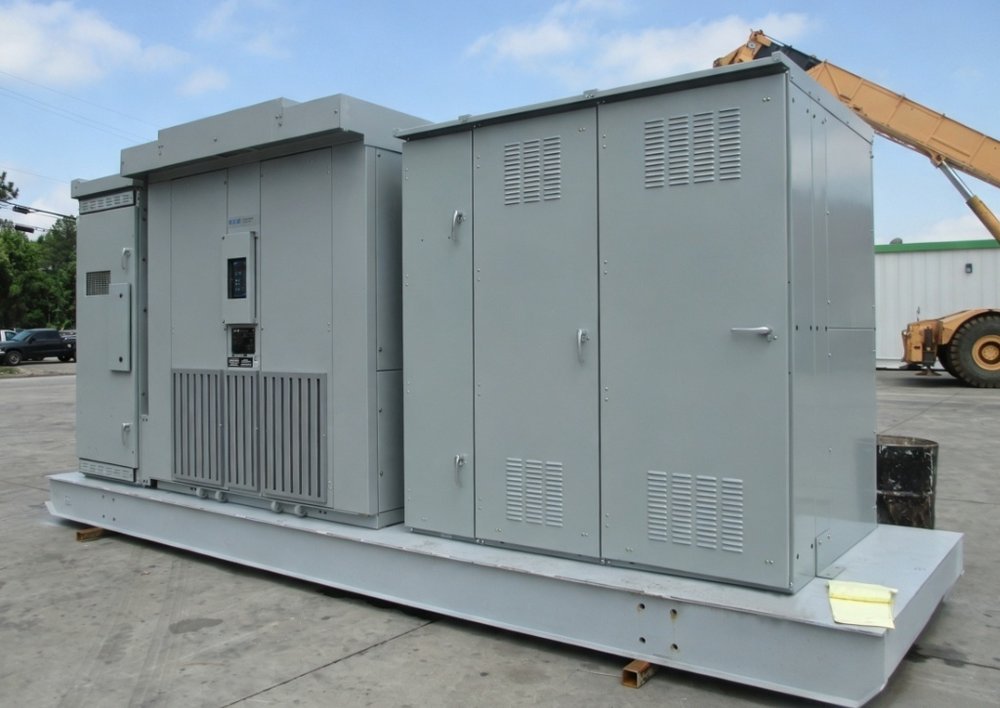
A 2U rack enclosure has to hold three demands in balance at once. It has to fit cards and modules into 3.5 inches of vertical rack space. It has to pull heat out before the temperature climbs. And it has to let a technician swap a failed unit without unracking the whole stack. Good 2U rack enclosure design treats these as one connected problem, not three separate ones.
In this guide to 2U rack enclosure design we will focus on three key decisions – the space in the enclosure, the cooling path within it and the degree of serviceability. SanJun Hardware is a sheet metal fabrication manufacturer with over 15 years’ experience of producing OEM and ODM enclosures. We manufacture a wide variety of custom 2U chassis and rack enclosures from customer-supplied drawings.
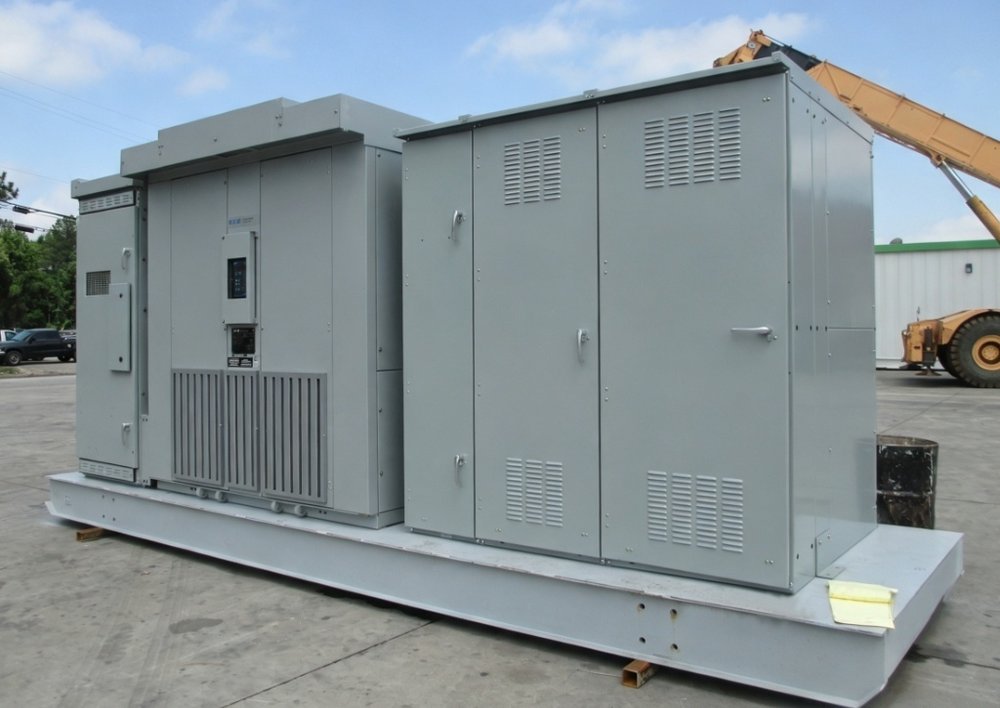
A 2U unit occupies a nominal 3.5 inches (88.9 mm) of vertical rack space in a 19 inch rack. Within this space resides the card cage, the power supply, the backplane and the space for air that is left.
The need to utilize space and cooling conflicts with each other. The depth of each guide rail and divider takes precedence over the required airflow path. In reality adding parts is not the work of a guidance system, it is maintaining an airflow path after parts have been installed.
Serviceability goes in a third direction. The more heat and structure you want, the more complex it gets for the technician. Each millimeter should be spent on good design.
The card spacing is a ceiling for the rest of the component spacing. Card spacing should allow for connector keep-outs, airflow, electrical clearances and service access rather than board thickness alone.
How much rear depth is available and how does this get split between the backplane, cable bend radius and strain relief? Establish a cable bend radius for the rear harness to prevent cable stress on connectors.
Keep the cable channel clear. A short service loop tied off with a clip point keeps excess cable out of the intake and provides a means for the technician to pull the cable.
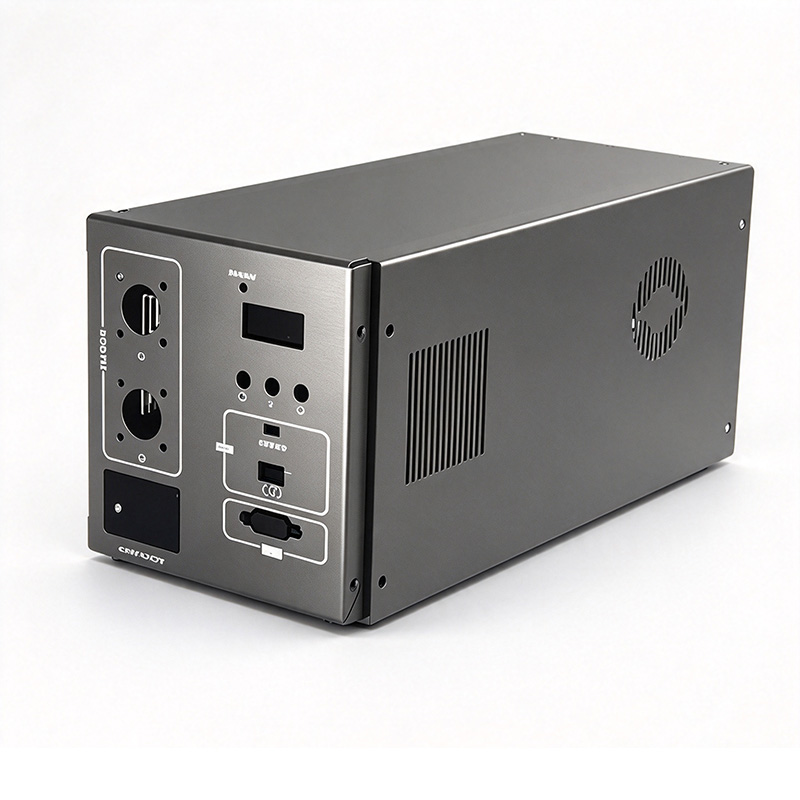
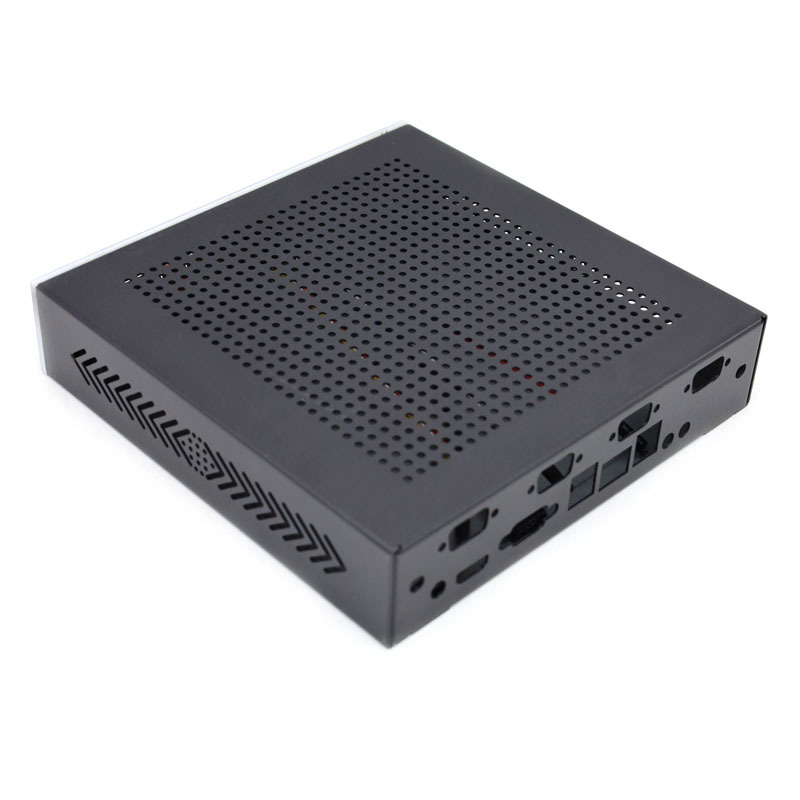
The front panel of the PCB is where the connectors, LEDs, handles and latches live. Size connector cutouts from the connector manufacturer’s recommended panel dimensions, with the required assembly and manufacturing tolerances. Make sure there is enough pull relief at the back of the PCB so that even when pulled hard a cable cannot pull the PCB.
Position the status LEDs and handles so they are still visible and useable once a unit is racked next to other units of similar height. Consider the rear of the unit as well. Having the power connectors and secondary I/O on the back of the rear panel keeps the front clean and allows for shorter internal cabling.
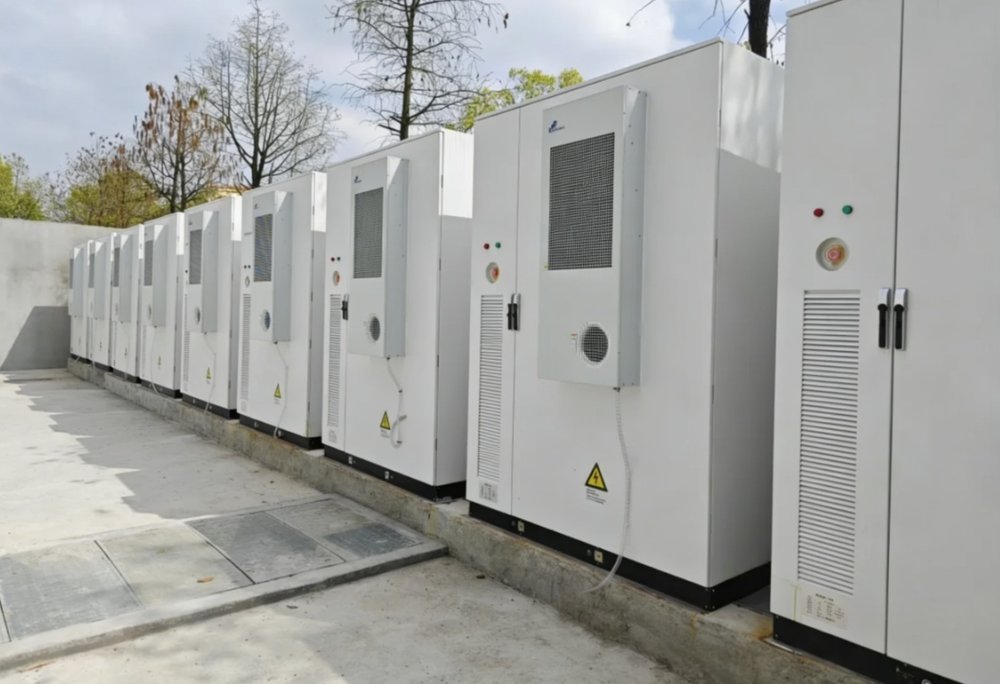
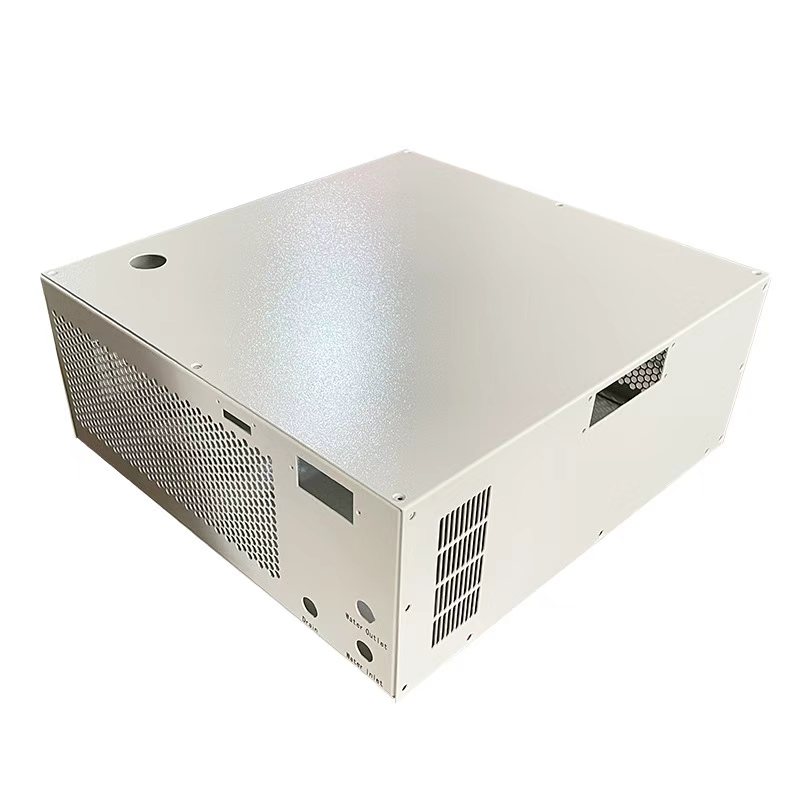
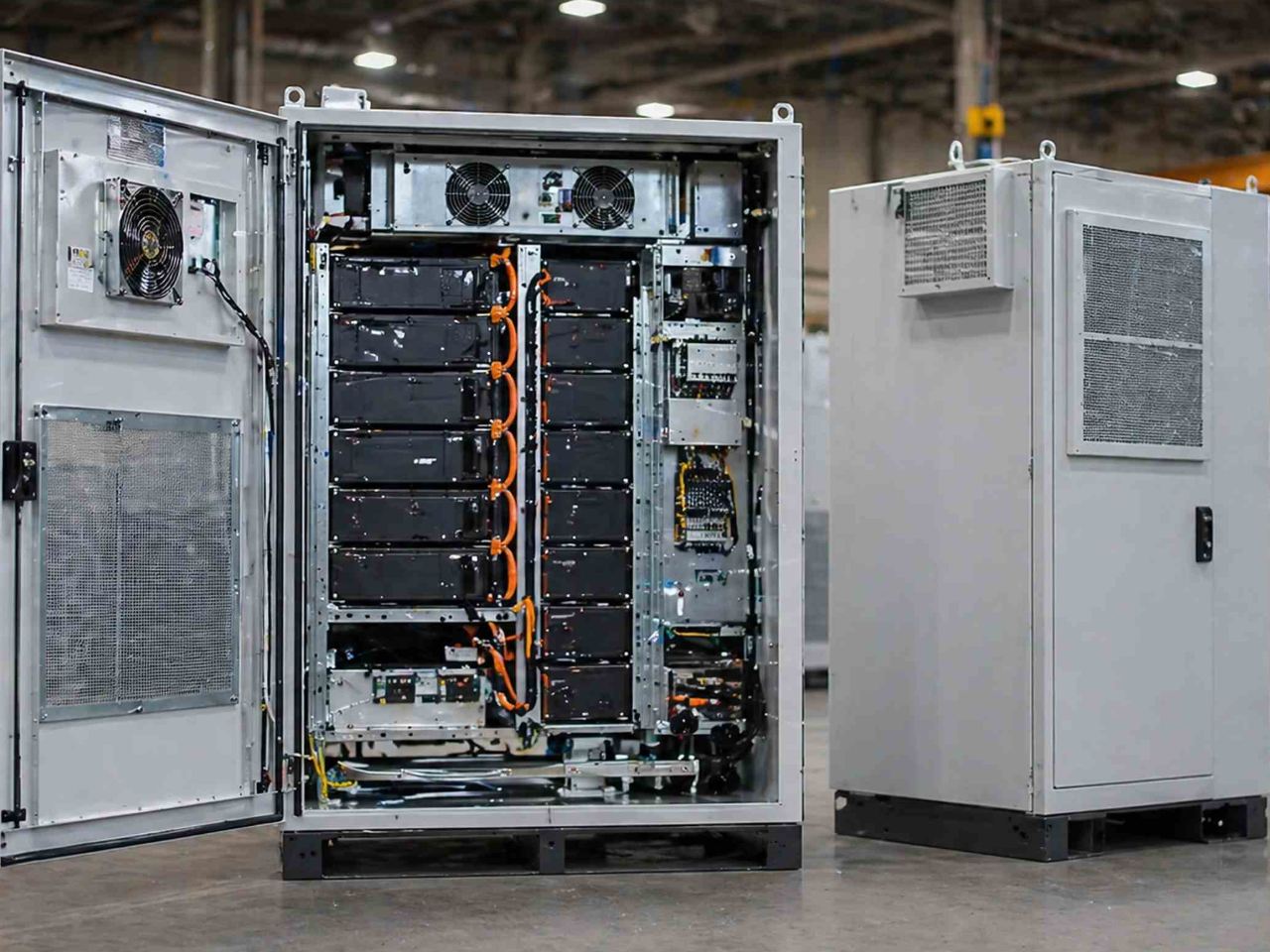
For most 2U chassis, air flows from front to rear of the case, entering at the front as cool air and leaving at the rear as hot air. Therefore the intake and exhaust cutouts must be aligned to this airflow path, not simply punched in whatever flat position on the case panel is chosen.
Dividers and baffles are used internally to make air travel around the hot parts of cards, rather than behind them. This helps to stop “hot spots” from forming. As well as length of path, the pressure drop across a section must also be considered. A simple, unobstructed air intake does more work than a large open area at the back of a densely packed card cage.
Just keep the cutout away from the fan impeller and create corresponding holes behind it. Placing a bracket against the fan blades of a design that uses fans to cool will achieve nothing.
For passive cooling units, place vent zones near the heat sources. A simple louvered or perforated band can provide airflow and help prevent accidental contact with larger objects; dust control requires appropriate filters or a separate ingress-protection design. Cooling a rack enclosure is a task that is best solved at the design stage for a panel that does not need to be reworked after the first thermal test.
Rack gear tends to be serviced more frequently than it is installed. Convenient tool-less latches and thumb screws can simplify front or rear service while the unit remains racked. Top access requires adequate clearance or a slide-out design.
For hot-swap parts such as fans and power supplies it is important that these can be removed without touching other parts. Define slide rails and keep-outs for the modules to ensure that each module clears its neighboring modules while being slid out.
It’s worth paying a bit more for a part and keeping fastener count sensible and hardware captive. A screw falling down the back of a rack costs more to put back than the few cents’ saving.
The interior design of the case can pay off later when you want to upgrade again. With standard mounts for cards and drives, changing the inserts instead of the whole case will be easy.
Identify removable parts and keep test points clear. A good technician can identify the correct module within seconds. He can then repair a failure in your rack within a few minutes as opposed to hours.
We build 2U chassis as well as custom rack enclosures from your drawings. We start with your drawings before we cut any material.
The engineering team performs a design review of the drawing for items such as card spacing, panel depth, bend radii, weld access and fastener placement. The intent is to create a chassis that holds tolerance and is easily manufactured to come off the line smoothly.
Materials to fulfill the required duty: for normal use cold-rolled steel (SPCC or Q235) is supplied in standard sizes. For corrosion resistant use stainless steel 304 or 316 is supplied. Lighter aluminum sections are used where the overall design of a particular part of the rack requires it. Galvanized steel is an intermediate option.
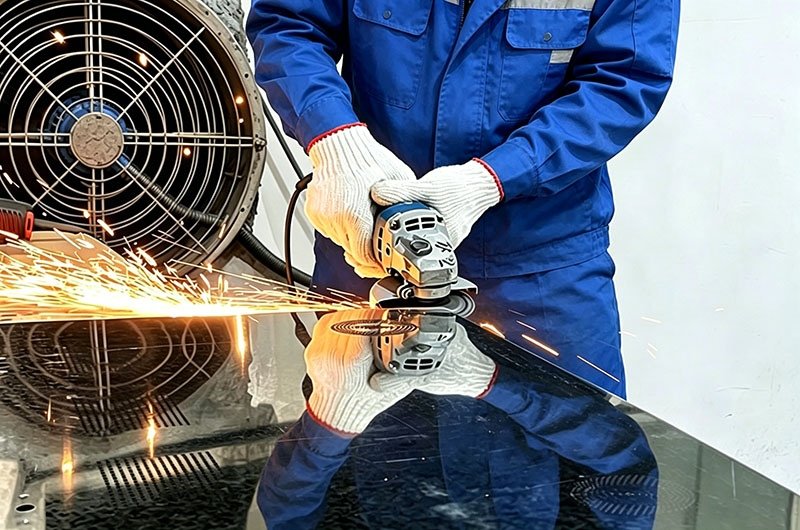
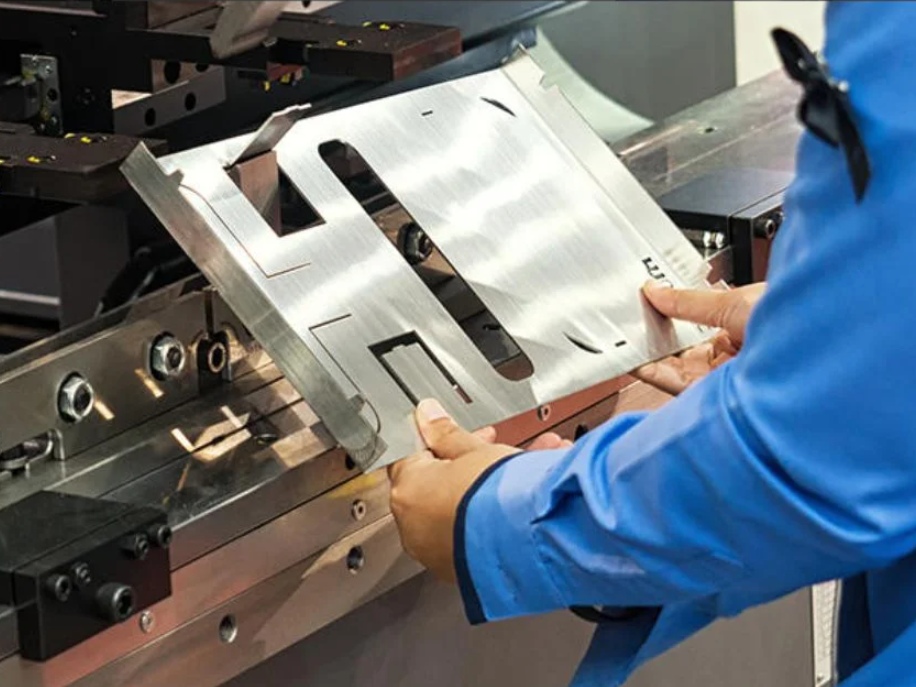
This product is essentially cut, bent, punched and welded on the shop floor using a combination of laser cutting, CNC bending, CNC punching, and TIG/MIG welding. The various surfaces are then finished off before any light assembly is carried out. Critical dimensions of the first article are CMM checked. The shop is a 5,000 m² facility in Guangdong, China run under ISO 9001 quality control.
Rackmount 2U enclosure design has three connected decisions: card spacing, airflow path through panels, and access path to service unit. Changing one of these decisions typically requires reconsideration of the other two.
SanJun Hardware supports custom 2U projects through DFM review and one-piece prototyping through to finishing, assembly and shipping. Get a design review on your next 2U chassis project by contacting us with your CAD files and the airflow and service requirements you are targeting.
The term 1U refers to a rack unit that is 1.75 inches (44.45 mm) high for a 19-inch wide rack. Therefore, 2U represents a nominal rack height of 3.5 inches (88.9 mm). The actual panel height should allow appropriate installation clearance. However, the interior depth, card layout and cooling can be designed as needed.
This all depends on the heat load. Lower heat loads may use passive ventilation with appropriately positioned inlet and outlet vents. Higher loads commonly require fans which have matching cutouts and perforations, often arranged for front-to-back airflow. Size the vent area to the heat load it is required to remove and align intake vents with corresponding exhaust vents.
Yes. SanJun Hardware makes custom 2U chassis and rack enclosures. We do a design review for space, airflow and access before starting any project. A single prototype can be made from a one-piece MOQ.
One-piece MOQ for samples. Standard parts are typically produced within 7-15 working days, while more complex custom enclosures may require around 20-30 working days depending on design and finish. Final lead time is confirmed with the quotation. 12-24 months warranty.
























Hinterlasse einen Kommentar