
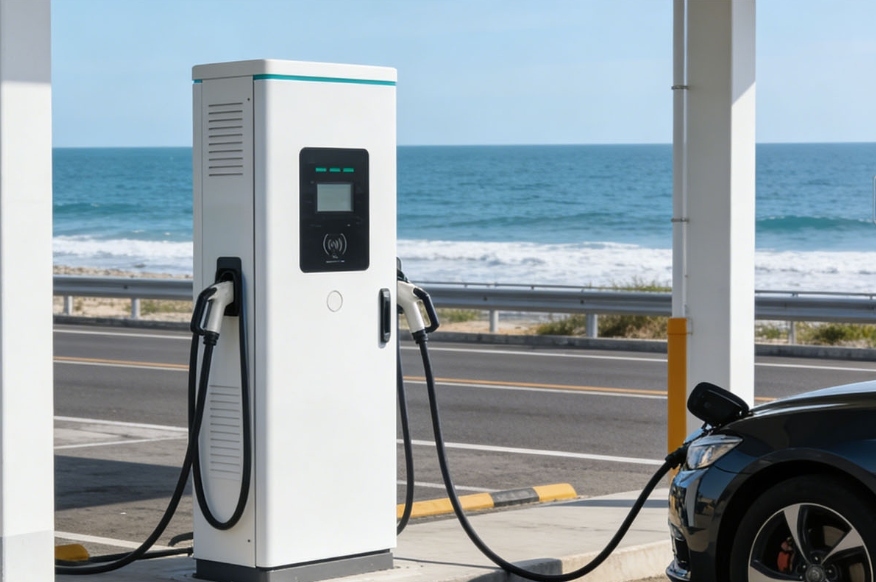
Think of a big offshore wind setup or a seaside solar setup worth millions. The inner electronics are top-notch. But the whole thing stops working because a basic metal hinge or a box for terminals has rusted out. In areas near the sea, the air carries more than just salt. It holds a mix of seawater mist that sticks around wet. This can break down energy setups much faster than planned. San Jun Hardware leads in making and selling items. We focus on exact sheet metal parts for display covers, energy storage, and new energy areas. For those building in tough spots, picking a sheet metal maker like San Jun Hardware means the gap between a setup that lasts 20 years and one that fails in just 5.
Salt spray stands as the main threat to coastal energy work. It forms a light spray of seawater that lands on parts and stays moist. Inland jobs worry mostly about oxygen and water. Coastal ones deal with heavy chloride particles. These attack regular metals hard.
Salt, or sodium chloride, works as an electrolyte. It speeds up the rusting process through electric reactions. In plain carbon steel or cheap alloys, the oxide cover has gaps and does not hold steady. Chloride bits break through this cover. They cause “pitting.” These small deep spots weaken power boxes or battery holders. You might not spot them from afar.
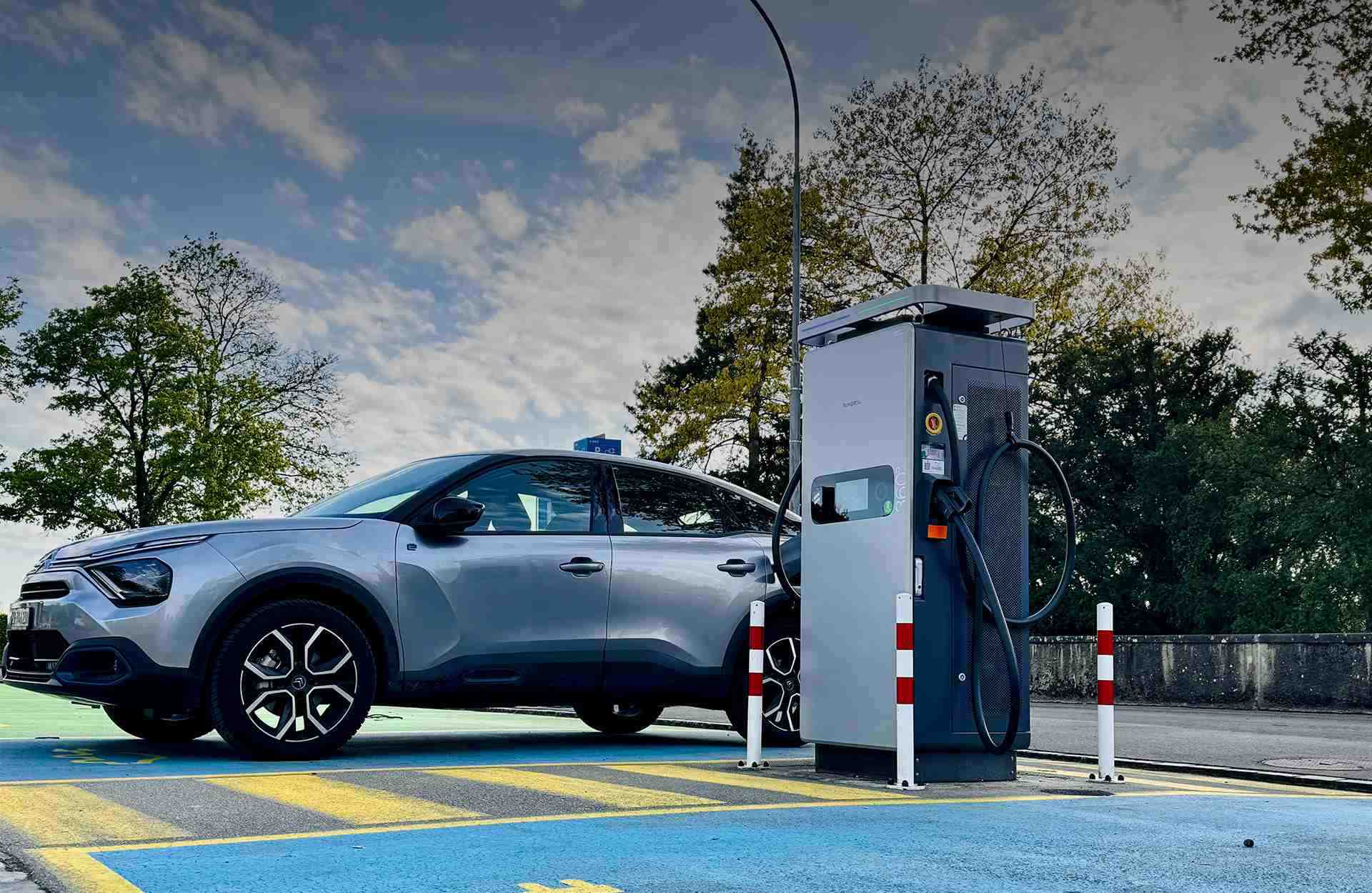
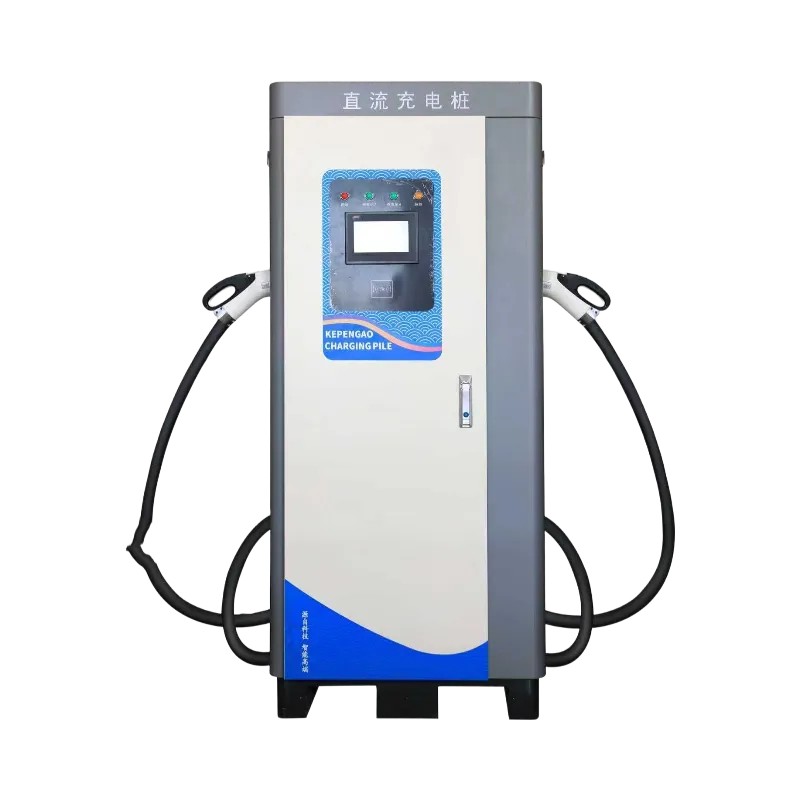
In new energy jobs like seaside EV charging spots or energy storage systems (ESS), rust does more than spoil looks. It brings issues such as:
To fight these problems, just asking for “stainless steel” falls short. The building steps need to target weak points where rust often begins.
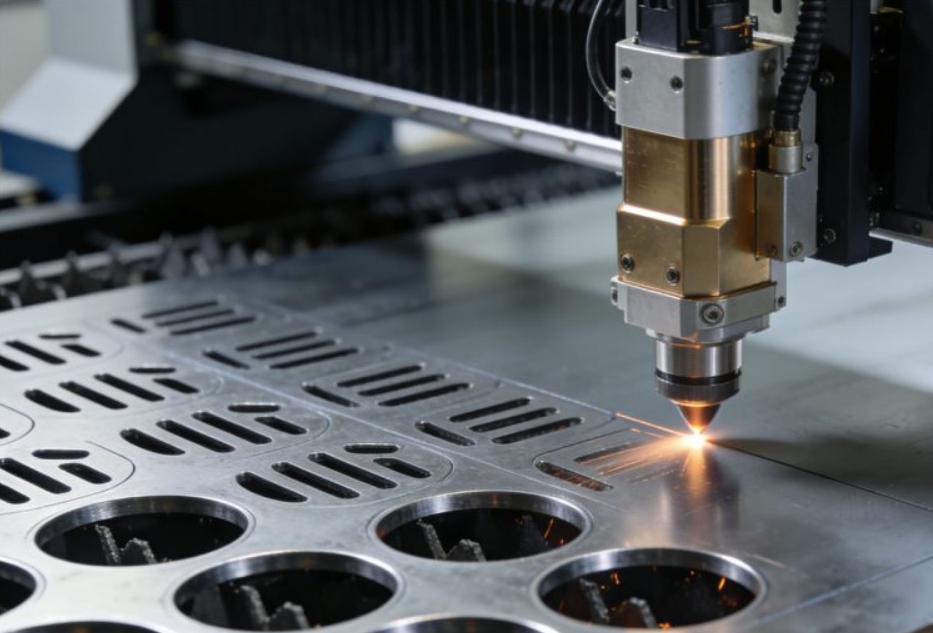
At San Jun Hardware, we suggest 316L stainless steel for all jobs by the coast. The usual 304 type lacks molybdenum. But 316L has it. This gives much better guard against chloride pitting. Such material sets the standard for lasting use in spots within 5 miles of the shore.
The finest material fails with bad handling. Old welding methods leave “heat tint” or cut chromium at joins. This makes spots for rust. San Jun Hardware uses exact TIG and Laser welding, along with CNC folding. These steps create:
San Jun Hardware acts as a focused maker. We blend making and selling to supply tailored sheet metal enclosures that fit energy field rules. We go beyond simple boxes. We craft guard covers for energy’s next steps.
Our outside boxes feature a special “water-shedding” build. Main parts cover:
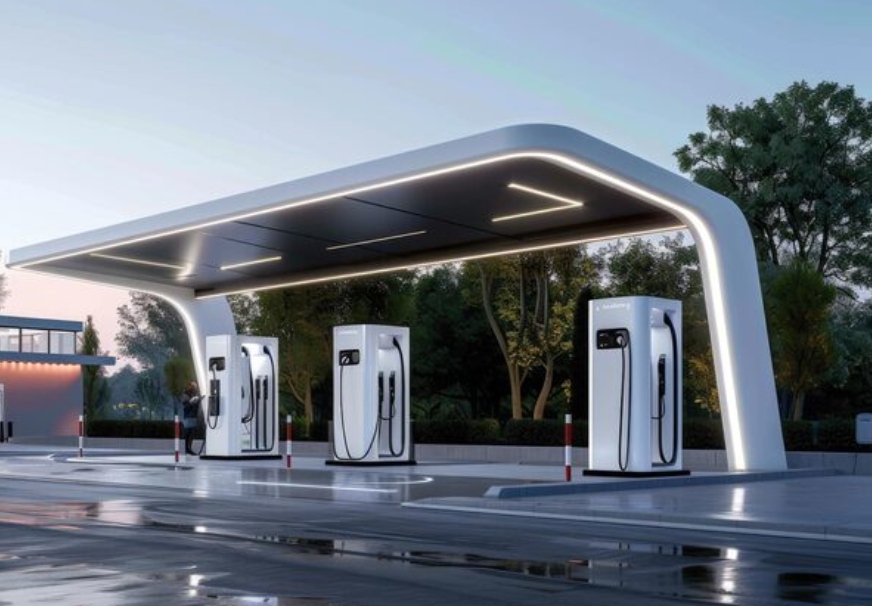
316L resists on its own. Still, San Jun Hardware adds extra shields. We offer:
Ideas help, but real use counts most. San Jun Hardware supplied key parts for jobs where breakdowns could not happen.
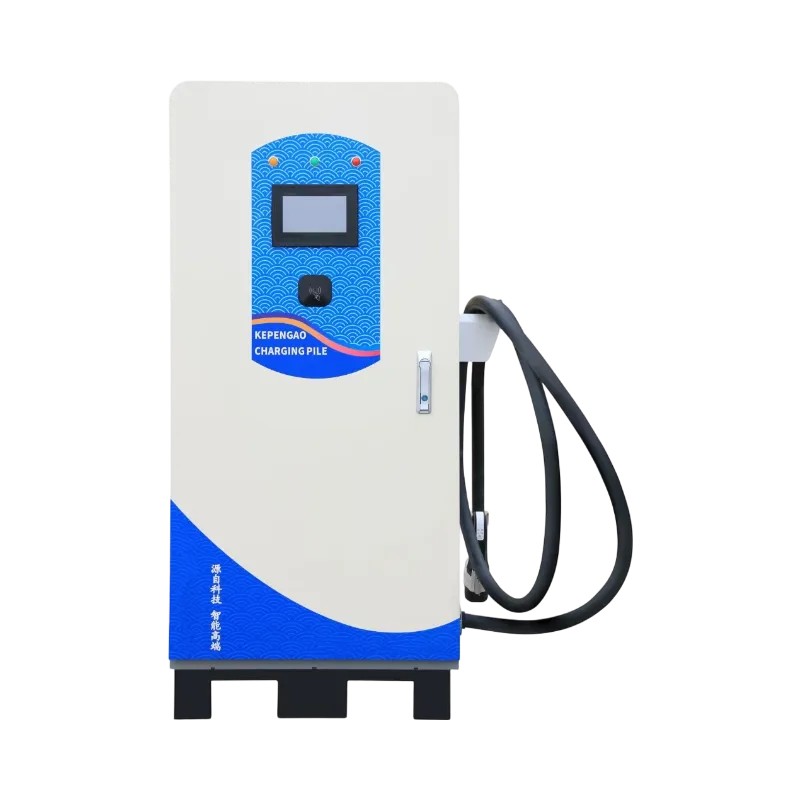
A firm running EV charge lines along China’s south coast saw repeats in pile breakdowns. Inner damp and case rust hit within 18 months.
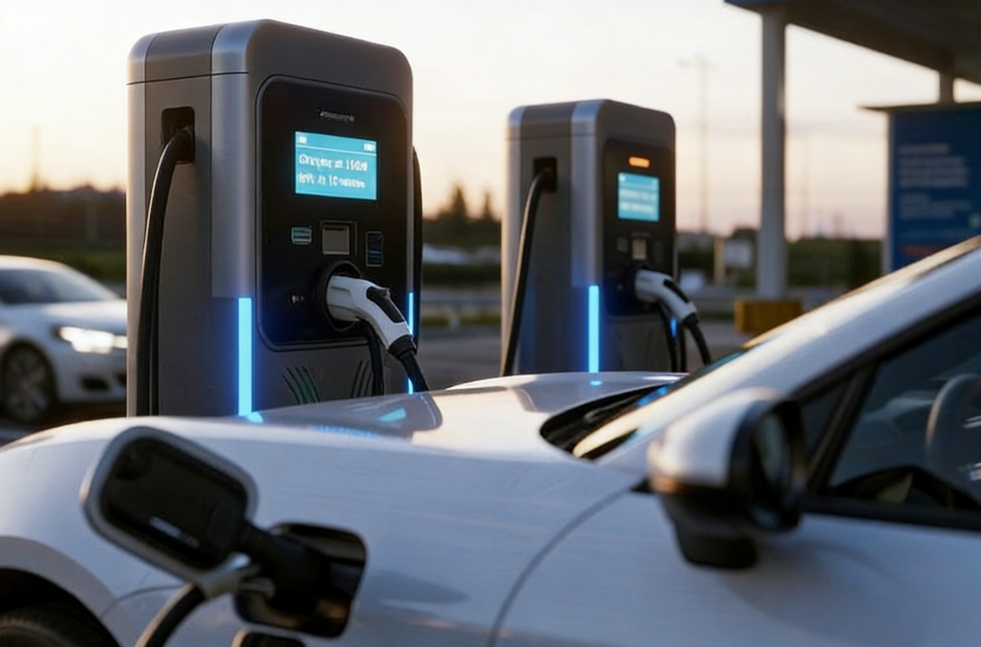
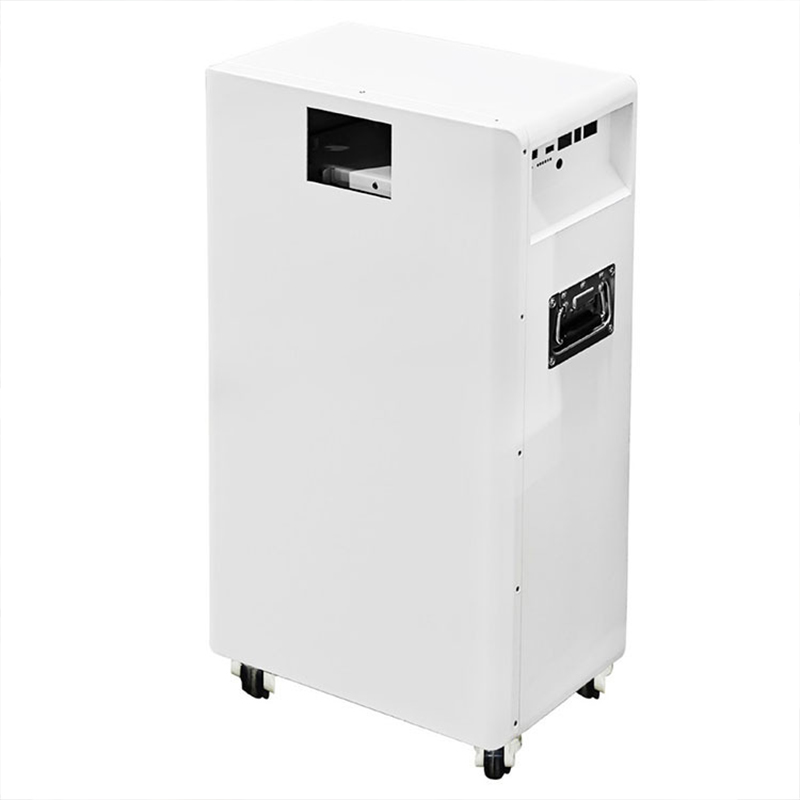
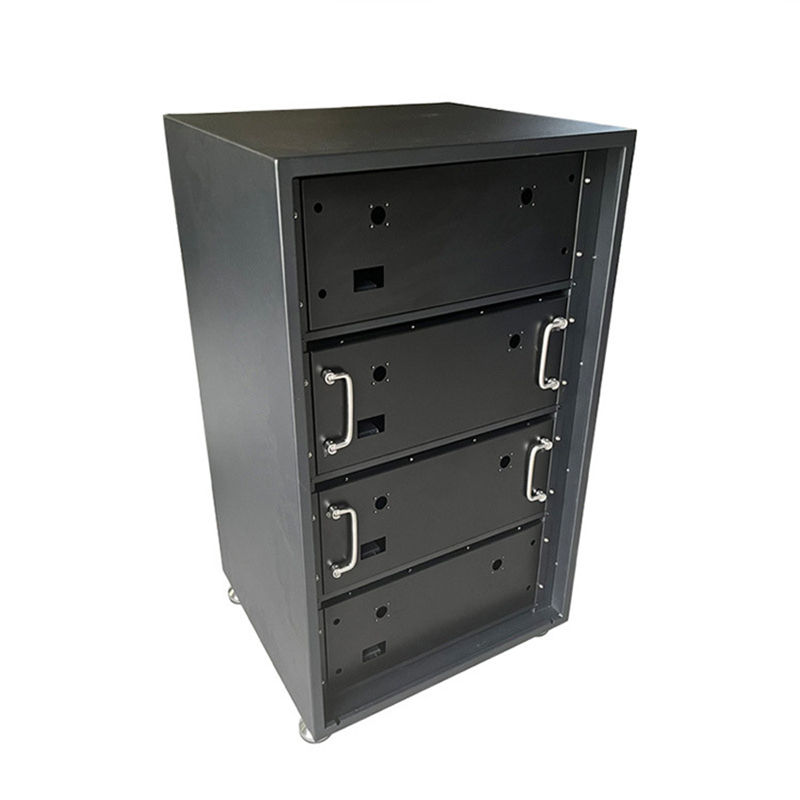
An offshore small grid job needed battery holders to face steady high humidity and salt.
Near the sea in energy work, the box forms the main guard line. Choosing a maker like San Jun Hardware builds on solid material know-how and exact building. By putting money into special stainless steel making now, you lock in trust and gains for your energy holdings over many years.
Secure Your Coastal Energy Infrastructure Today.
Do not let salt spray cut your returns. Reach San Jun Hardware for a pro DFM (Design for Manufacturing) check and price on exact, rust-proof sheet metal parts.
A: 304 misses molybdenum. It catches “tea staining” and pitting rust from high chloride in sea salt.
A: No. On a carbon steel base, a small paint scratch leads to fast rust under the layer. A rust-proof base like 316L stays key.
A: At San Jun Hardware, custom tests take 3-7 work days. Full runs last 15 to 20 days based on the detail.
A: Yes. Exact making fits in detailed cooling paths and slat plans. They match guard with good heat release.























Leave a comments