
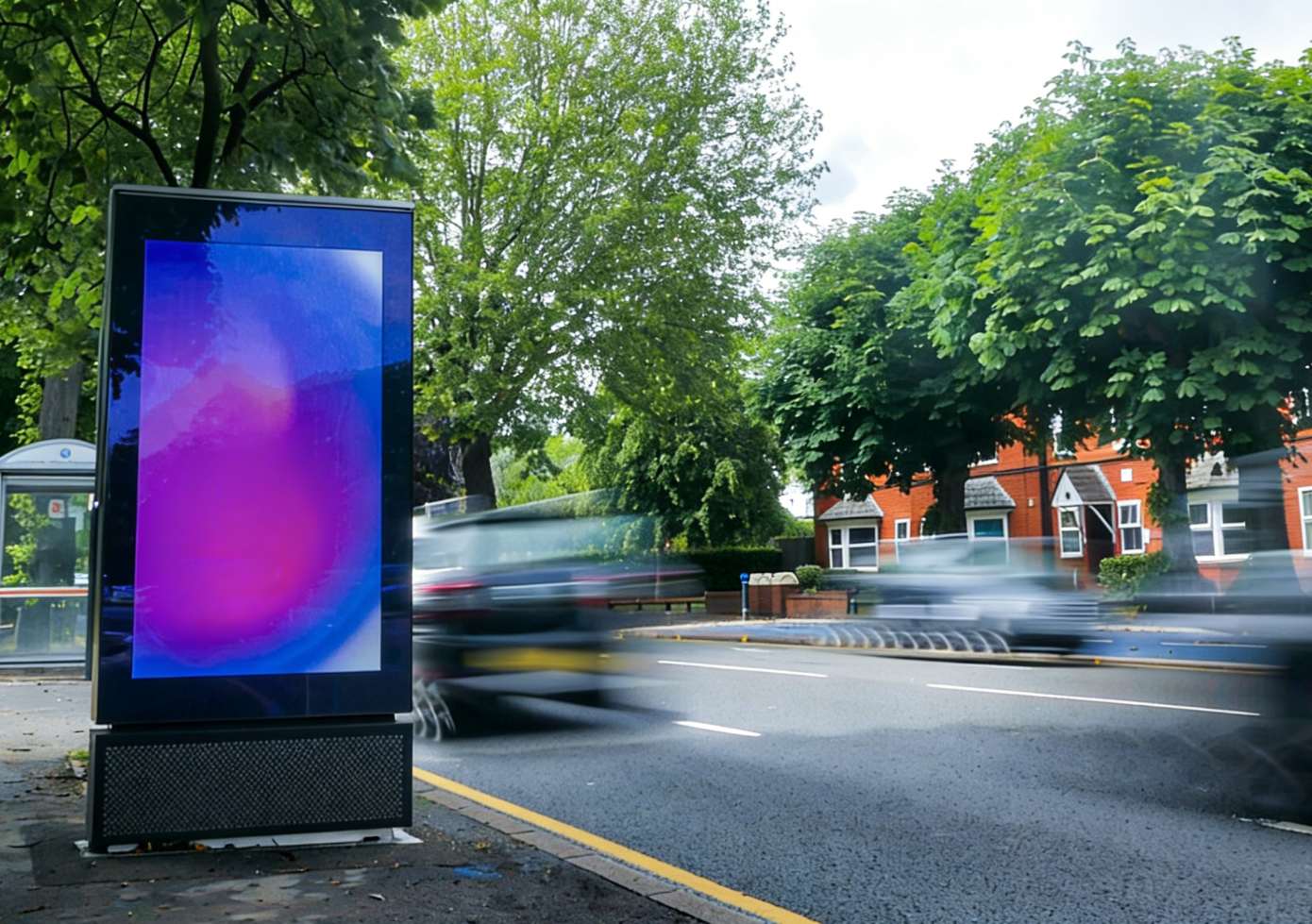
Have you ever walked up to an outdoor self-service kiosk on a bright afternoon, only to strain your eyes at a dim, unclear screen? Or maybe you’ve seen a digital billboard that looks faded, with its content hidden behind bright reflections. In commercial displays and kiosks, clear viewing stands as the key measure. If users can’t read the display, the setup fails, regardless of the hardware or software quality.
Picking between High Brightness (HB) panels and Anti-Glare (AG) finishes sparks frequent talks. Yet people often miss the quiet role of the sheet metal enclosure in this mix. At San Jun Hardware, we have worked for more than ten years to refine the outer shell that guards these delicate devices. The enclosure forms a smart setup for heat control and support, which shapes how a screen holds up in tough spots.
Clear sight in bright outdoor settings involves more than one element. The screen and its enclosure need to team up closely to keep images sharp and colors true.
A typical indoor monitor runs at about 250-300 nits. Outdoor units, however, demand 2,000 to 5,000 nits for good viewing in direct sun. Running the backlight that strongly creates a lot of warmth. Without proper heat release from the sheet metal enclosure, the screen risks darkening or lasting damage from uneven heating.
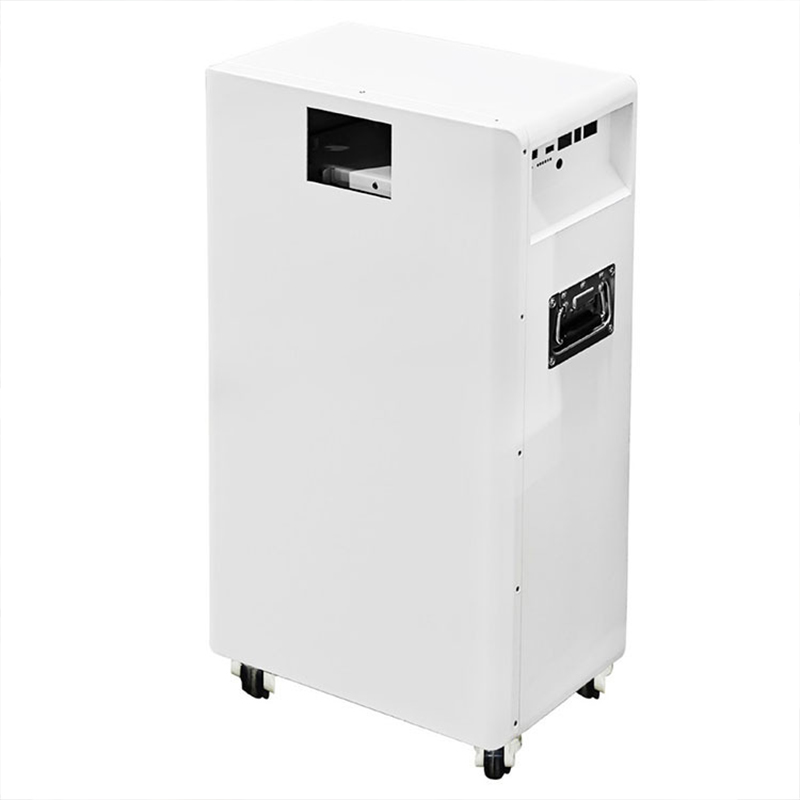
At San Jun Hardware, our Outdoor Custom Digital Signage Shell IP65 line includes built-in air paths and spots for heat sinks. These keep high-nit screens from overheating, so they run at full strength without cutting back on light.
Anti-Glare layers spread light via a tiny rough texture on the surface. This scatters reflections well. Anti-Reflective options, on the other hand, block light waves through clashing patterns. Such finishes go on the glass or panel. The enclosure supports them by offering exact fitting spots.
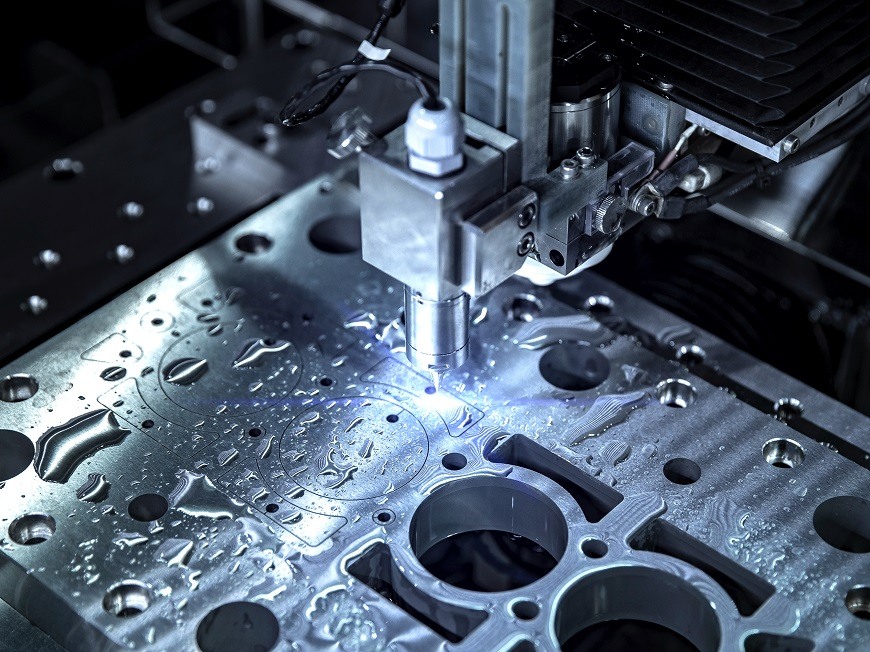
Even small shifts or uneven pressure from the frame on AG glass can cause wavy patterns or off angles. Our CNC bending methods keep the hold frame level and true. This protects the clear view through the glass.
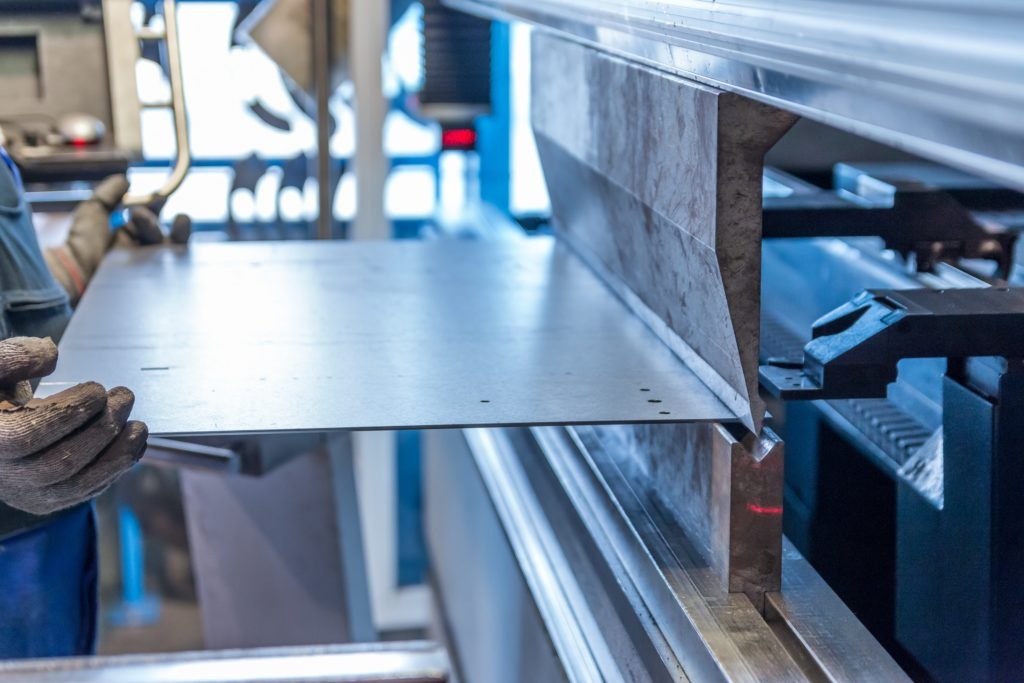
The screen matters, but the housing’s build sets the display’s lasting strength. Accurate making forms the base for sharp sight.
High-brightness screens turn the enclosure into a large heat spreader. San Jun Hardware uses DFM (Design for Manufacturing) checks to pick the right cooling plan for customers.
The bezel, or metal edge around the screen, serves more than looks. It blocks stray light from slipping inside, which could fade the screen’s sharp differences.
Ideas stay empty without real use. Specialized housing builds tackle actual sight and strength issues in various fields.
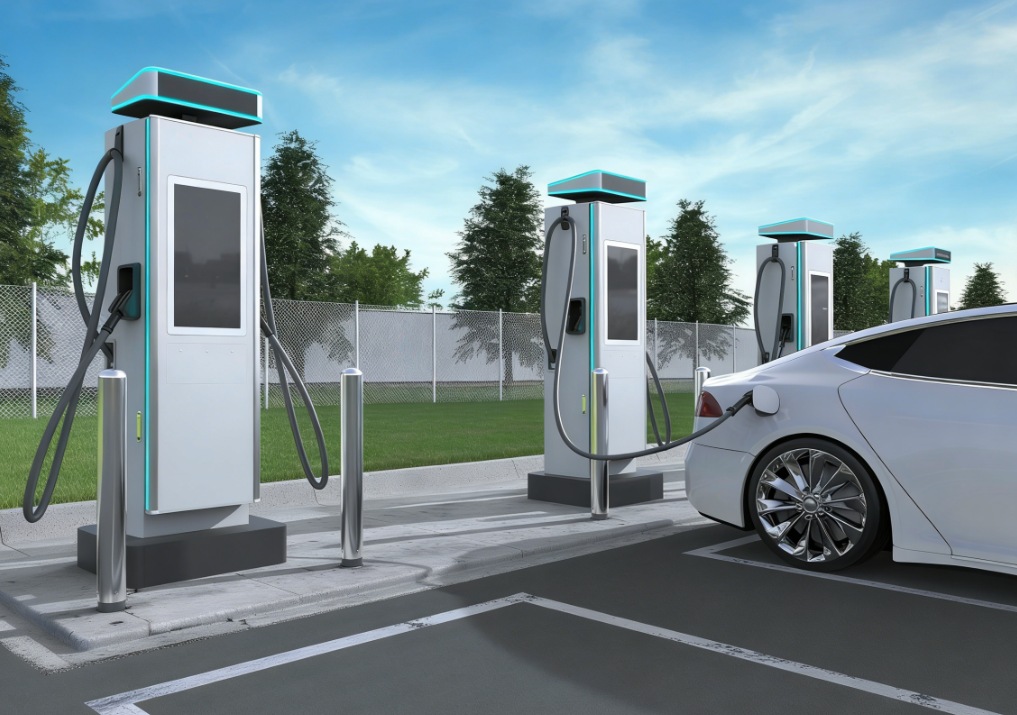
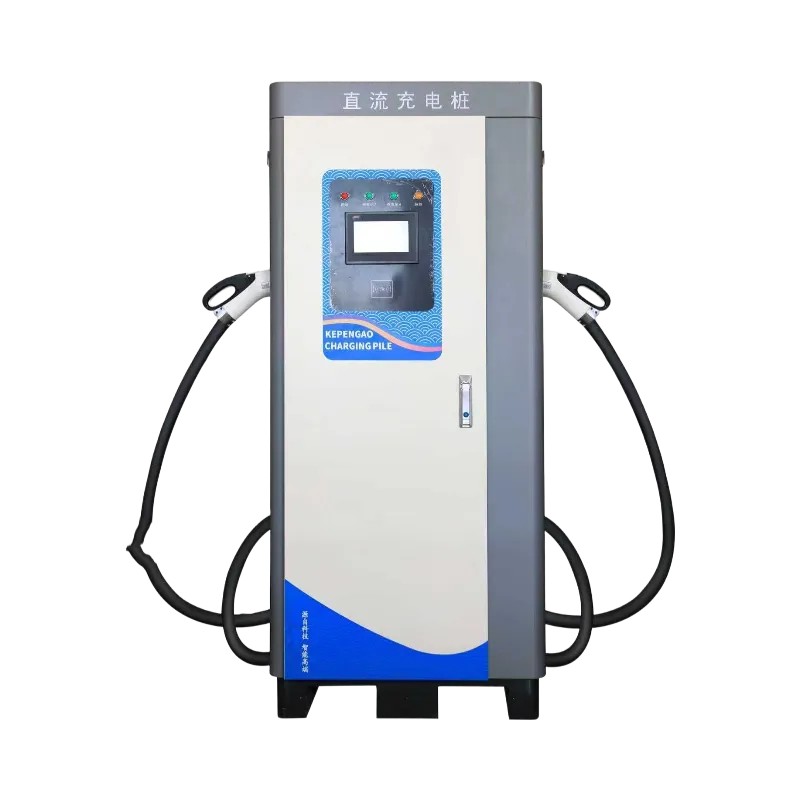
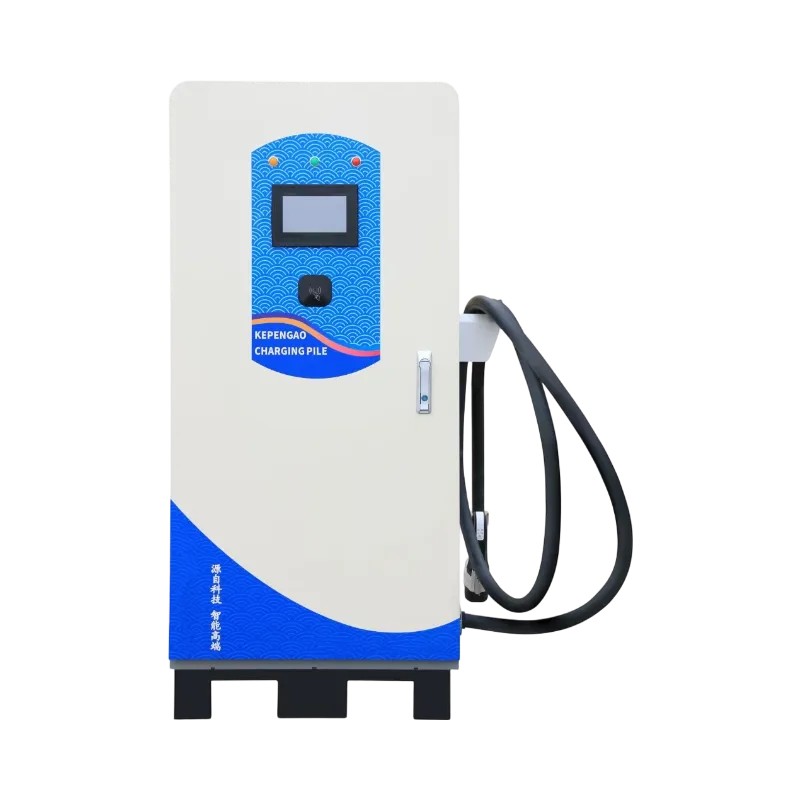
Open-air spots test screen clarity to the limit. An EV charging point in a lot deals with direct sunlight and wild temperature swings.
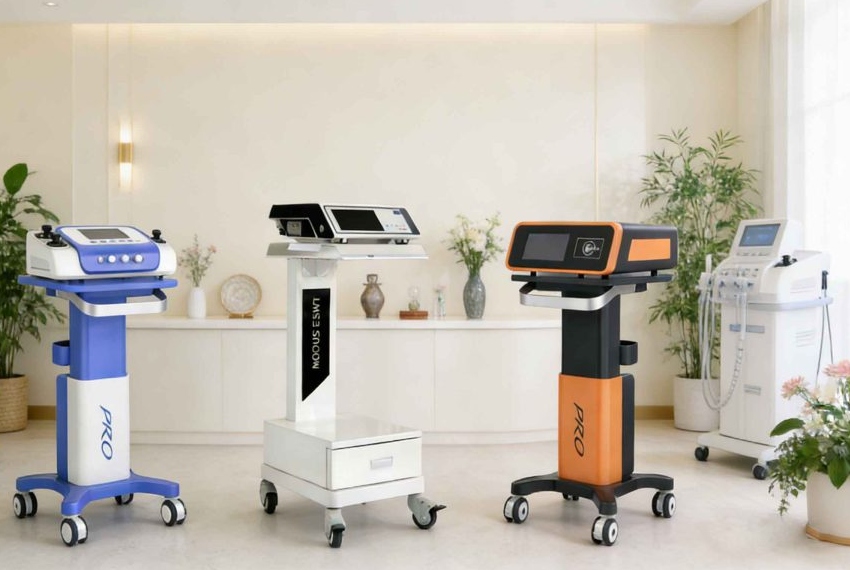
Hospitals face issues not from the sun, but from bright ceiling bulbs typical in treatment areas.
We handled a job for a regional major hospital needing 200 self-service units for check-in and payments. Their old models struggled with reading under strong entry lights.
San Jun Hardware followed a step-by-step plan:
You might choose the strong light of a High Brightness panel or the smart spread of Anti-Glare tech. Either way, the project’s win depends on the enclosure. Weak housing can overheat a high-nit screen or waste AG work through poor setup.
At San Jun Hardware, we do more than shape metal. We build the base for clear visuals. From our 3,000-square-meter site in Dongguan, we blend modern CNC tools with solid field know-how. Your display stays visible in any setting.
Contact San Jun Hardware today to discuss your next display project.
A: Thermal management. High-nit backlights produce a lot of heat. Without good air flow and heat spread built into the metal body, the display wears out too soon.
A: Yes. A pulled-back fit or added shade from the metal build can block outside light from reaching the screen face.
A: IP65 means the housing seals out dust and water. Dust inside the glass or on the panel cuts light and sharpness as time goes on.
A: The angle at which light reflections from above land. A carefully bent enclosure places it to steer glare clear of the user’s direct view.

























Leave a comments