Why Aluminum Alloys Are Reshaping EV Charging Infrastructure
Why Aluminum Alloys Are Reshaping EV Charging Infrastructure
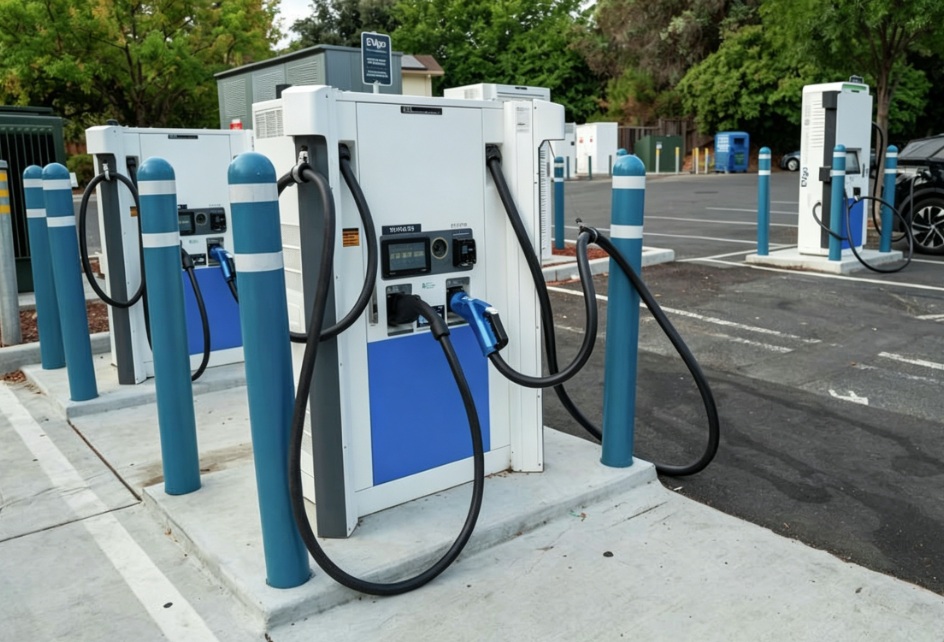
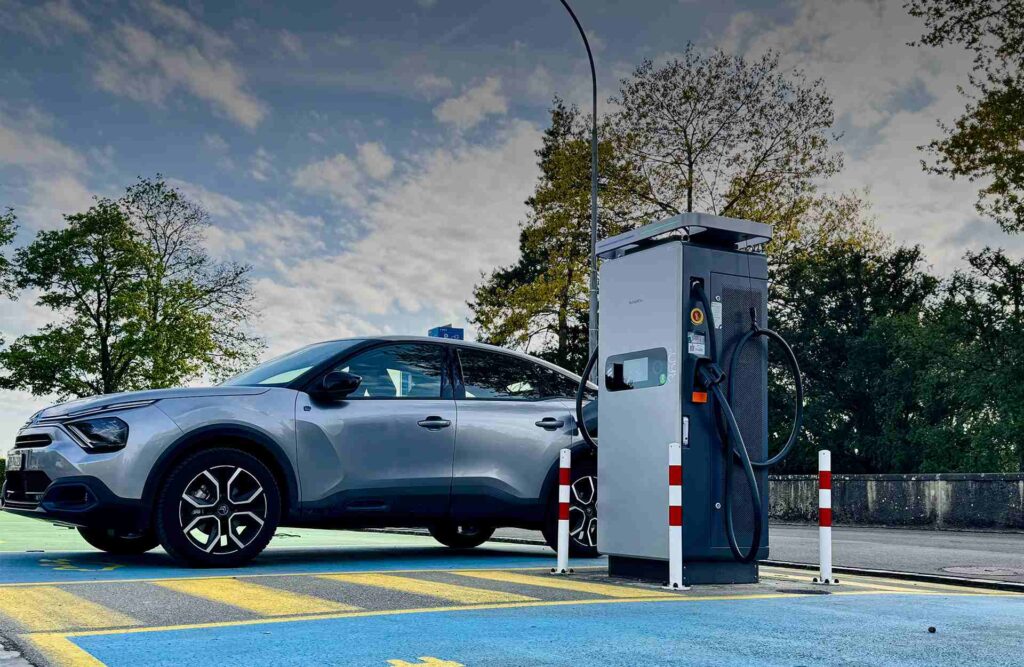
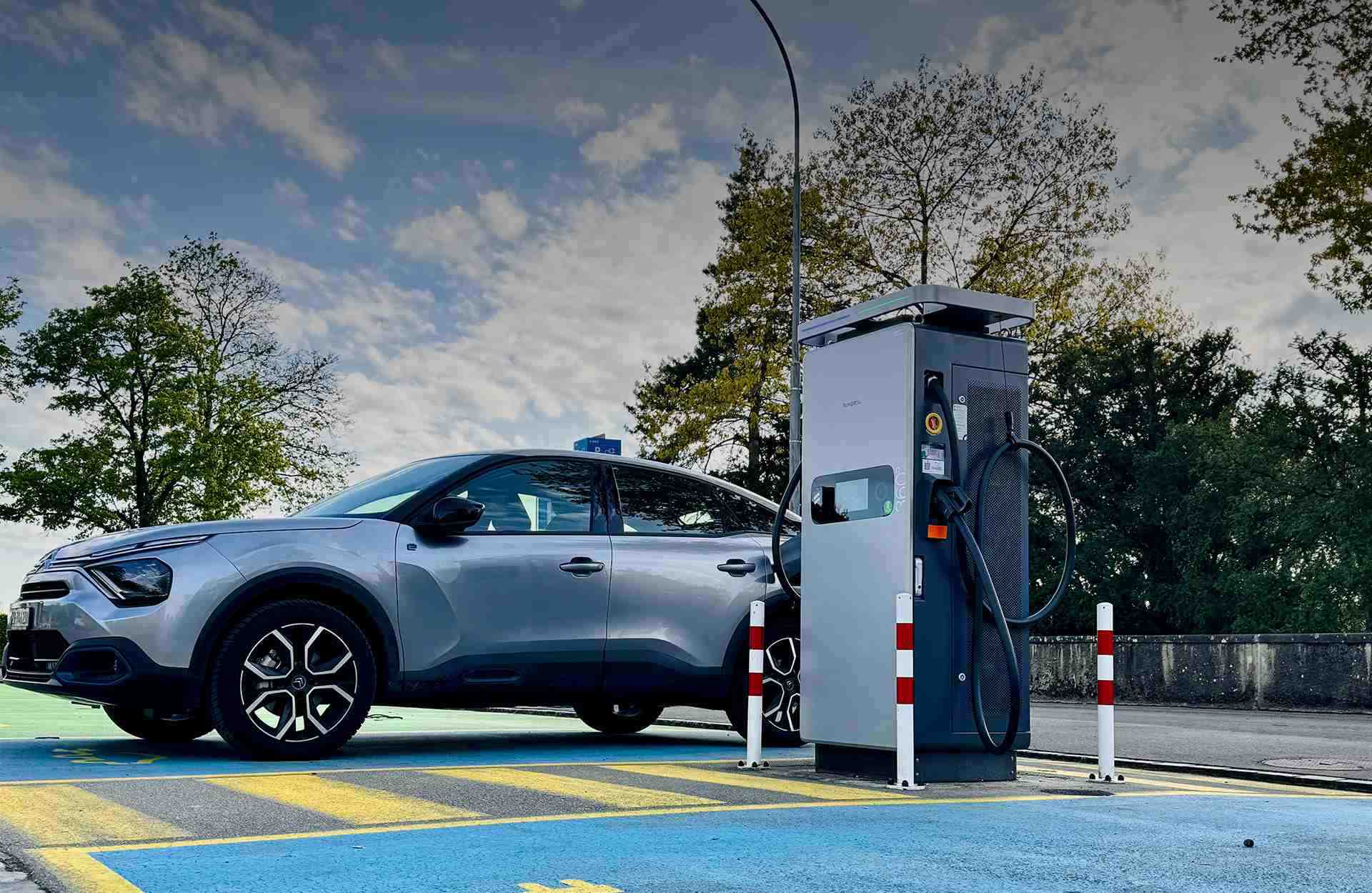
The move to electric vehicles keeps adding strain on charging networks worldwide. Operators race to install high-power DC fast chargers and smart commercial stations. Years ago, heavy cold-rolled steel served as the usual choice for outdoor enclosures. Now the requirements look different. Current charging setups need quicker setup, improved heat handling, and solid durability against the weather. San Jun Hardware selects lightweight aluminum alloys to match these needs. This decision alters how EV charging infrastructure gets planned and installed.
Overcoming Deployment Obstacles with Structural Weight Reduction
The weight of structures shapes installation speed, logistics flow, and total expenses when expanding charging networks. Moving from heavy steel to strong aluminum alloys cuts many issues in large public projects.
Lowering Total Installation Costs and Logistical Pressures
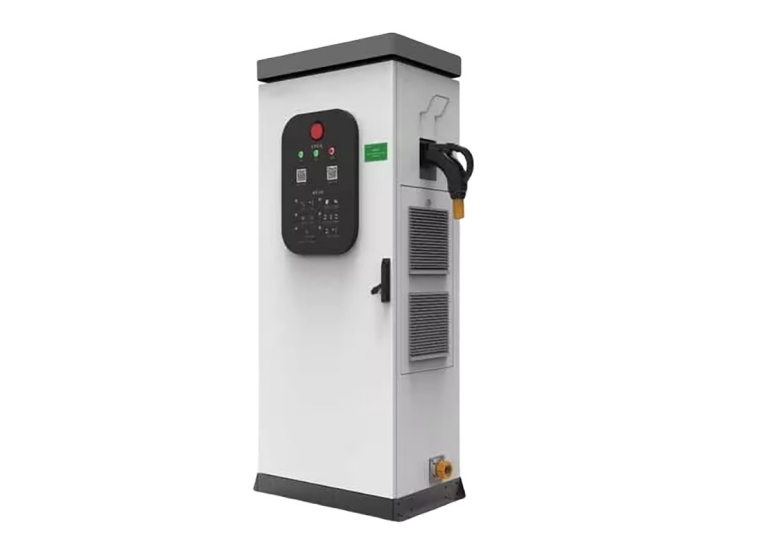
Cutting the weight of EV chargingenclosures brings savings throughout shipping and on-site work.
Logistical Optimization: Aluminum enclosures weigh much less than steel ones. This allows more units to fit in each shipping container and brings down transport costs both locally and overseas.
Elimination of Heavy Equipment: Steel cabinets often need cranes or large forklifts for positioning. Aluminum housings can usually be handled with standard lifting tools or even by hand in many cases.
Versatile Architectural Placement: Lighter structures open up more location options. Teams can mount them on parking garage walls, upper-level decks, and lighter building foundations without extra reinforcement.
Accelerating High-Volume Grid Rollouts
Simpler handling on-site leads to quicker project completion and faster income for charging operators.
Streamlined On-Site Maneuverability: Technicians can position and secure lightweight modular parts more easily. This reduces physical strain and the need for complex rigging equipment.
Reduced Labor Hours: Shorter placement times mean fewer paid hours per location. Field teams can finish more sites in the same period.
Rapid Modular Assembly: Precision frames designed for aluminum connect quickly with bolts. What once took several days now often completes in a single day.
Maximizing Thermal Management and Structural Longevity
High-power DC fast chargers generate significant heat. They also face constant exposure to the weather. Aluminum offers properties that perform better than steel in outdoor settings.
Enhancing Natural Thermal Dissipation Performance
Controlling heat inside compact charging units remains a daily concern for high-kilowatt systems.
Superior Thermal Conductivity: Aluminum moves heat away from electronic parts faster than steel. The enclosure itself helps cool sensitive modules.
Reduced Active Cooling Expenses: Better natural heat movement decreases reliance on internal fans and cooling systems. This lowers daily power consumption.
Extended Component Lifespans: Lower operating temperatures protect power inverters, transformers, and control boards from early failure due to heat.
Securing Weatherproofing and Corrosion Resistance
Charging stations in cities and along roads must last for many years in all kinds of weather.
Self-Defending Oxide Layers: Aluminum develops a natural protective film when exposed to air. This layer guards against moisture without extra treatment.
Salt Mist Protection: In coastal areas, aluminum avoids the rust, bubbling, and flaking that often affect steel frames.
Zero Structural Weakening: The base metal stays strong over time. Latches, hinges, and seams keep their strength through years of service.
Precision Custom Fabrication Solutions by San Jun Hardware
Turning advanced materials into practical products requires accurate manufacturing and custom engineering. San Jun Hardware, as an experienced sheet metal specialist, delivers tailored enclosures that meet the needs of the global new energy sector.
Advanced DFM Engineering and CNC Manufacturing Capability
The company turns technical drawings into ready-to-produce metal enclosures.
Expert Design for Manufacturing (DFM): Engineers review client plans early. They adjust layouts, material use, and bends to balance strength and easy assembly.
Ultra-Precision CNC Tolerances: Advanced laser cutting and CNC press brakes deliver standard accuracy of ±0.1mm. Special orders can reach ±0.05mm for tight panel fits.
Rigid Quality Inspection: Every part receives full dimensional checks with coordinate measuring equipment before shipment. This supports a zero-defect approach.
Tailored Surface Treatment and Rugged Outdoor Performance
Finishing processes turn basic metal sheets into long-lasting, branded charging structures.
Certified Ingress Protection: Custom layouts include polyurethane gaskets and drainage channels to meet IP65 or IP66 ratings for dust and water resistance.
Advanced Multi-Layer Coating: Powder coatings, liquid paints, or anodizing provide strong protection against UV rays and scratches.
Seamless Brand Customization: Ventilation patterns, printed logos, and exact color matches can be added while keeping full durability.
Case Studies and Industrial Applications
Real projects show how aluminum sheet metal fabrication addresses practical challenges in the field.
High-Power DC Fast Charger Outdoor Deployment Case
A major European charging network wanted fast installation of high-output stations that could handle coastal weather.
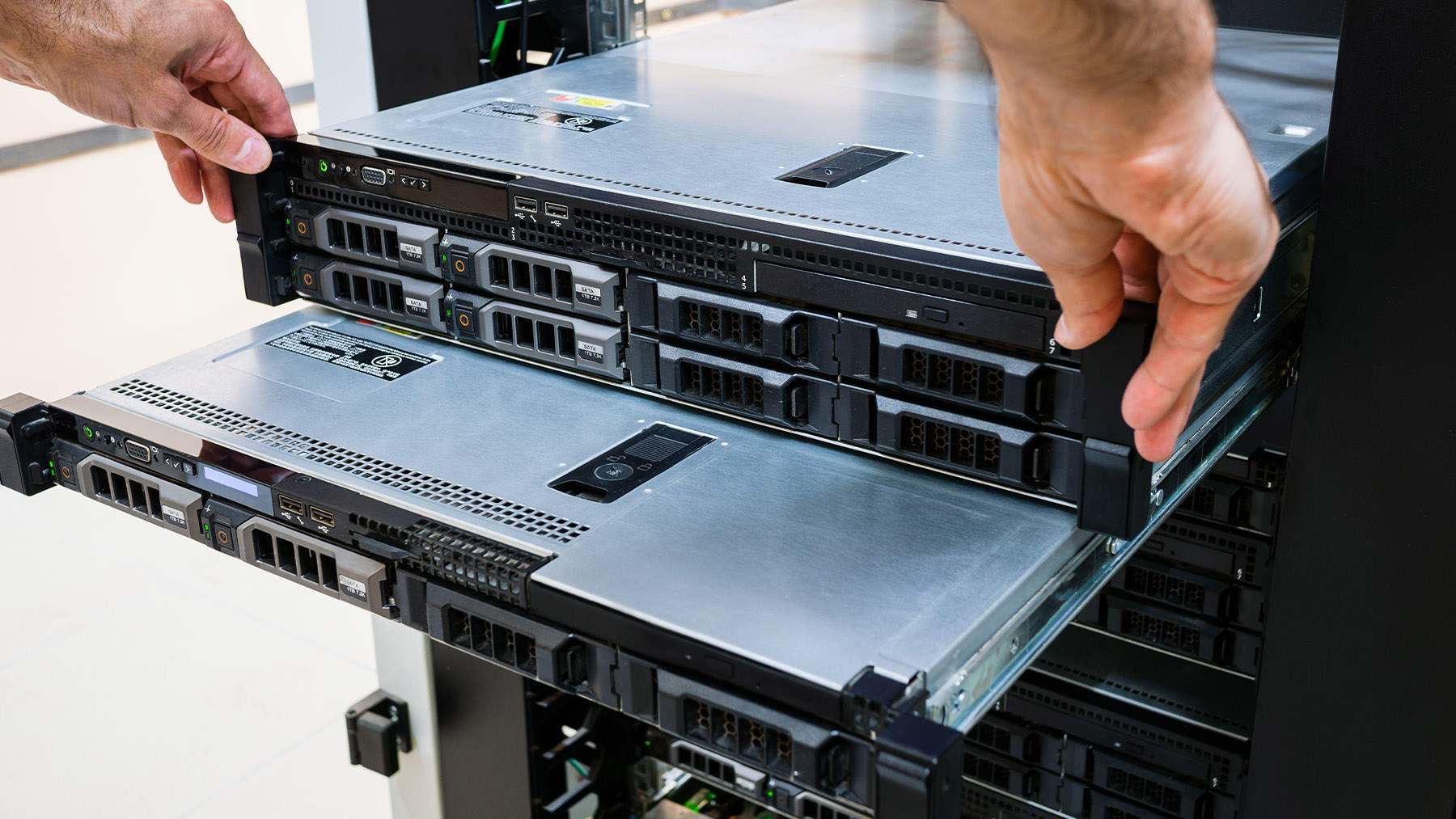
The Technical Challenge: The client needed slim 4.5cm rack enclosures that cut total weight by 35% compared to steel while keeping strong protection for internal transformers.
The Solution by San Jun Hardware: The team created a custom aluminum frame with added internal ribs using automated laser punching.
The Field Outcome: 1,000 units were delivered ahead of schedule with 100% assembly success and ±0.01mm alignment accuracy on all connection points.
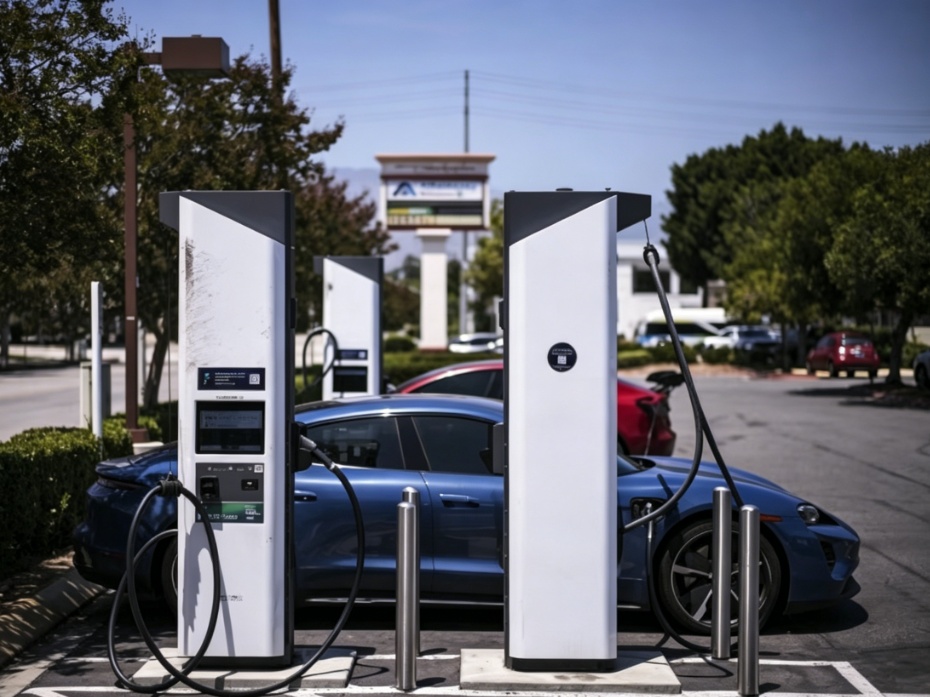
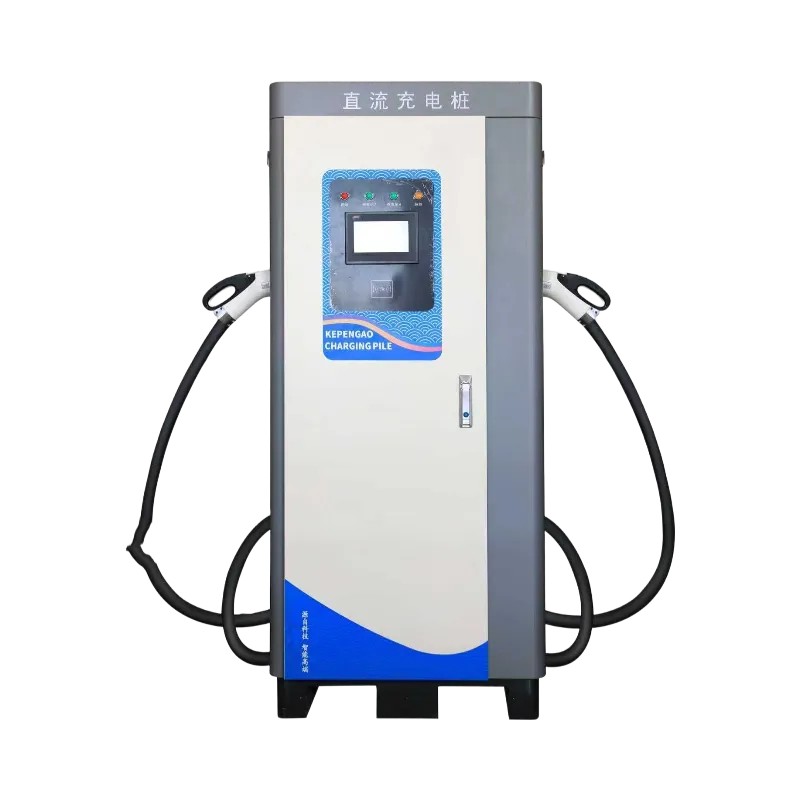
An urban developer looked for an enclosure that combined EV charging with a public digital display.
The Technical Challenge: The unit needed to handle strong sunlight on the LCD screen while staying slim enough for crowded city sidewalks.
The Solution by San Jun Hardware: Engineers added a honeycomb ventilation pattern and heat-reflective coatings on an aluminum base.
The Field Outcome: Internal temperatures dropped by 8°C in direct summer sun. This prevented screen failures and protected the charging components.
Conclusion
The growth of EV charging depends on smart material choices and skilled manufacturing. Moving from heavy, rust-prone steel to lightweight aluminum alloys helps operators build networks faster, cut costs, and keep equipment running longer. Working with a trusted fabrication partner makes these improvements possible.
Ready to improve your new energy designs with lightweight sheet metal? Contact San Jun Hardware today. Send an email to liameranne@gmail.com or call +86 13530826471 to discuss your drawings and receive a production quote.
FAQ
Q: Why are aluminum alloys preferred over stainless steel for high-output outdoor DC charging enclosures?
A: Aluminum alloys stand out here. Stainless steel fights rust well enough, yet aluminum trims the enclosure weight by up to half. That cuts install time and moves heat away three times faster from the electronics inside.
Q: Can lightweight aluminum sheet metal enclosures match the structural impact resistance of heavy steel cabinets?
A: Yes. Careful DFM work adds stiffeners, ribs, and smart bends. These keep aluminum housings strong enough for daily industrial use.
Q: How do custom surface treatments prevent galvanic corrosion?
A: Powder coats in layers, anodizing, or isolation washers stop metals from touching. The barriers cut oxidation when rain or moisture hits the units outdoors.
Q: What specific manufacturing metrics are critical to look for?
A: Buyers check ISO 9001 first. They also want CNC gear holding ±0.1mm and steady DFM help from start to finish.
Yes. We support 1PC MOQ, no mold tooling required. All custom sheet metal enclosures can be produced directly per your design.
Yes, we accept custom sheet metal fabrication strictly based on your 2D/3D drawings. We provide free DFM checking, follow your exact material, tolerance and finishing requirements. Both prototype and mass production are available with full quality control and export standard packaging.
Absolutely. Send us your product size, assembly function, usage scenario and performance demands. Our sheet metal team offers free structural design, solution tuning and DFM analysis.
You don’t need to prepare drawings; we finish all design work from sketch to production drawing to save your R&D cost and risks. We revise drawings repeatedly to meet your assembly needs perfectly.
We provide 24H DFM drawing review and formal quote after receiving your technical requirements.
Yes. We offer fast prototype sampling according to your drawings, helping you verify structure and size before bulk order.
All our products have obtained ISO9001, EMC, LVD and RoHS certifications.
We fully comply with global safety and quality standards, delivering stable, trustworthy solutions for all project applications.
We operate our own factory and provide one-stop full in-house production.
Strict process control and standardized quality management guarantee stable product quality and punctual delivery, building reliable long-term global partnerships.
We process a full range of standard and high-performance sheet metal materials, including stainless steel (304/316), aluminum (5052/6061), cold/hot rolled steel, galvanized steel, brass and copper. We can also source special materials according to your project requirements.
Our standard machining tolerance is ±0.1mm for laser cutting and bending. For high-precision parts, we can reach ±0.05mm based on material thickness and part structure. All dimensions are 100% inspected before delivery to meet your requirements.
Yes, we provide one-stop full surface treatment services, including powder coating, painting, anodizing, sandblasting, brushing, electroplating, passivation, polishing and heat treatment. We can customize colors and effects according to your design.
Yes, we always sign NDA (Non-Disclosure Agreement) before receiving any drawings or design details from customers. We strictly protect your intellectual property and keep all your projects confidential.


























Leave a comments